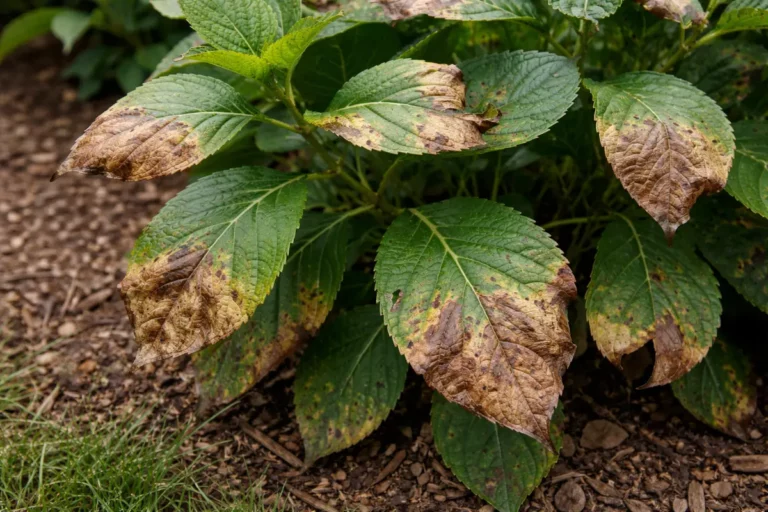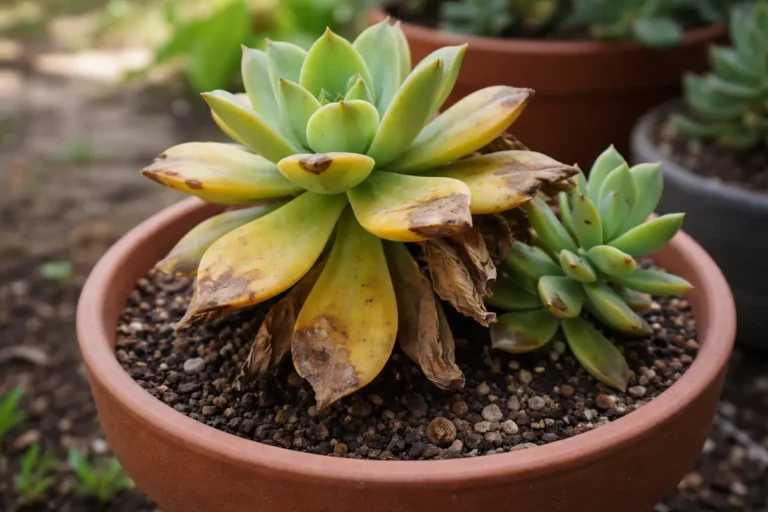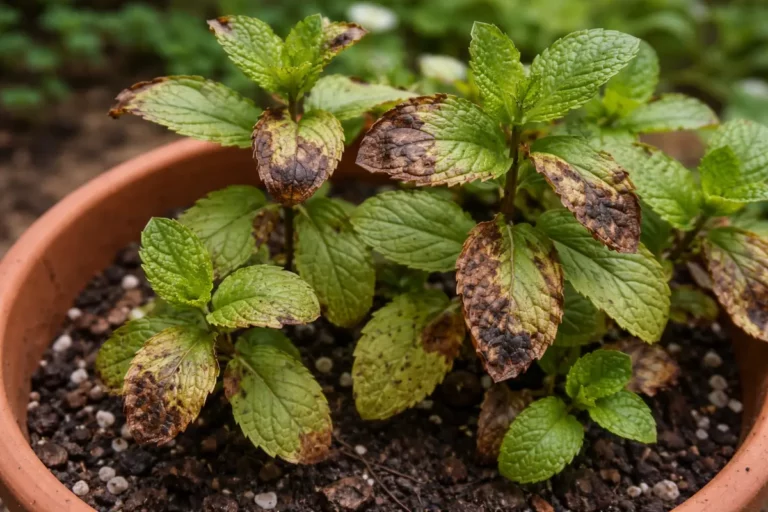
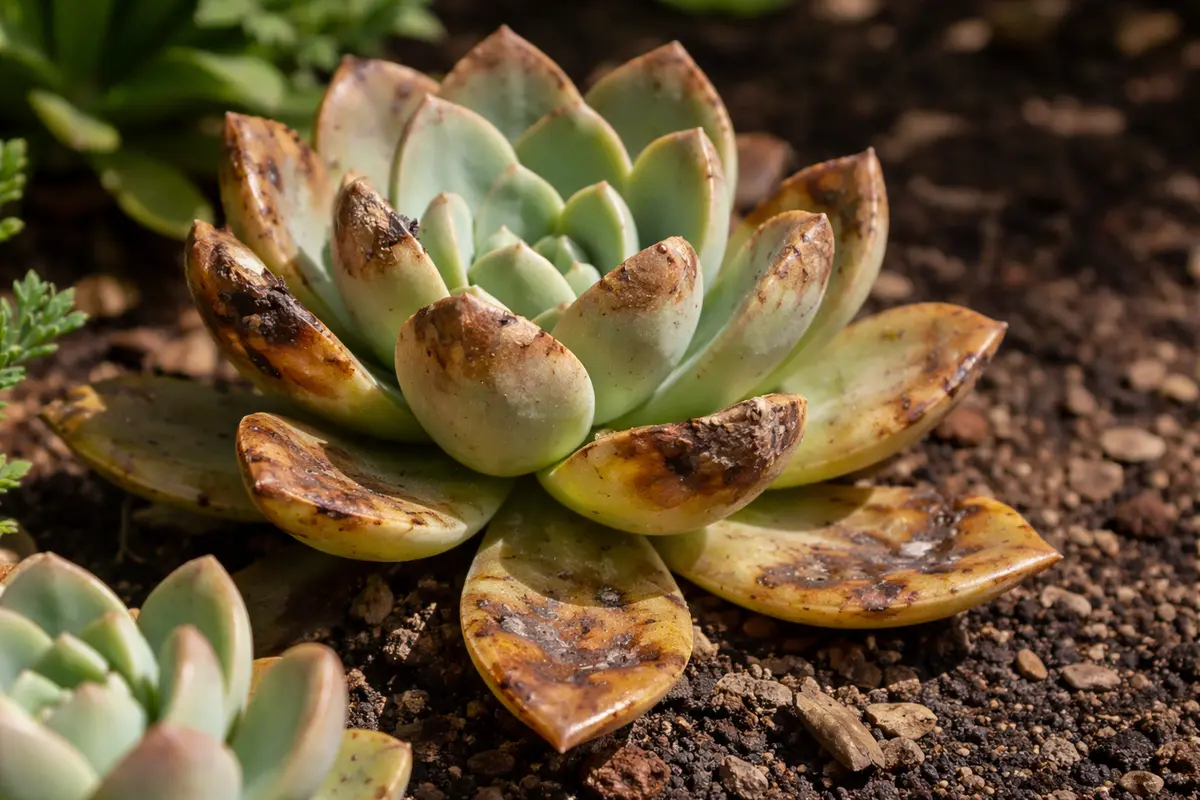
You may notice that during the scorching summer months, some of your succulents are suffering, which is why you need to know what to do when succulent leaves turn brown in direct sunlight. This discoloration often indicates damage from extreme heat and light exposure, leading to wilting and unsightly brown spots on the leaves. If left untreated, the problem only gets worse, weakening the plant and making recovery harder, but you can improve the situation now by adjusting their placement and monitoring their water needs.
Step 1 – Trim Brown Leaves from Succulents
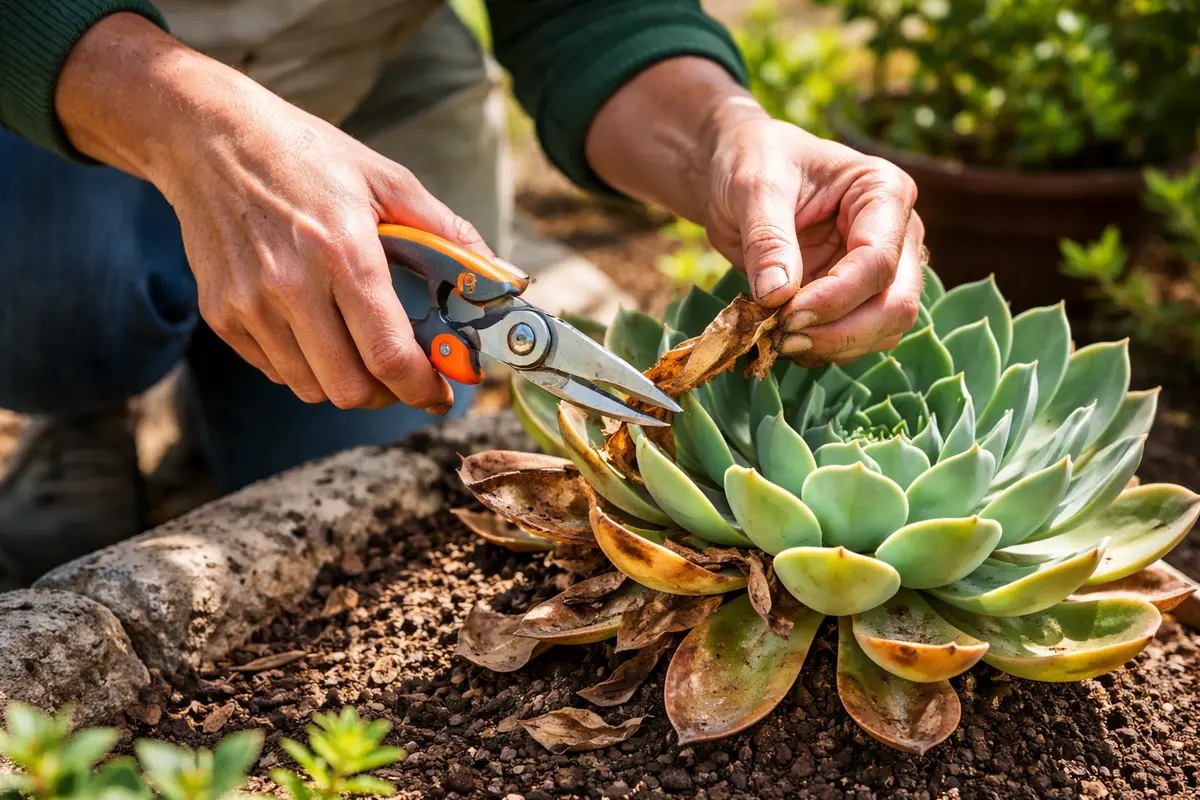
Start by moving the affected succulent to a shaded area, ideally with indirect sunlight, to limit further damage. Look for immediate changes in the leaves; within a few hours, they may begin to appear less droopy and the browning may stabilize, stopping the spread to other leaves.
Acting fast is crucial because succulents have a limited ability to repair sunburnt leaves. If you delay, the damaged areas can continue to dry out and cause stress to the entire plant, leading to potential rot if moisture is trapped beneath dead tissue. If you notice leaves falling off, inspect the roots next to determine if there is hidden stress manifesting as root rot from prolonged exposure.
A gardener once delayed moving her succulent for a week, resulting in multiple leaves browning and dropping. In contrast, another gardener swiftly relocated theirs, only experiencing minimal browning. To avoid similar issues, check for signs of water retention or excessive dryness if browning occurs without direct sunlight exposure.
Trimming away damaged leaves is vital for the plant’s recovery as it allows the succulent to conserve energy. When the succulent is stressed from excessive sun exposure, it redirects valuable resources to the areas that are still healthy. By eliminating distressed leaves, you prevent the plant from expending energy on tissues that will not revive, promoting a quicker recovery process. After trimming, give the cut areas a few days to heal, observing any signs of rot that could lead to further issues. Keep an eye out for any discoloration around the cut areas, which may indicate further complications.
Many gardeners mistakenly believe that just leaving the brown leaves will help their plants reclaim the lost vigor. However, unattended dead or stressed leaves can invite pests or diseases, compounding the problem. This mistake delayed recovery for some gardeners who weren’t aware of the urgency needed after sun exposure. If browning persists or intensifies despite trimming, an additional inspection of environmental conditions is necessary. Make sure to monitor whether nearby plants are crowding your succulent, as this can increase humidity and lead to additional stress. Also, ensure the trimming process did not inadvertently expose any parts of the plant to excessive sun directly after cuttings, which can cause further damage.
Step 2 – Analyze Sun Exposure and Heat Impact
First, move your succulent away from direct sunlight to a location with bright, indirect light. Within a few days, you should notice the brown edges of the leaves starting to regain their vibrant color, indicating a reduction in sunburn damage.
The browning of succulent leaves often results from excessive sun exposure, which can lead to dehydration as the plant loses moisture faster than it can absorb it. In the soil, this can translate to dry conditions that limit the plant’s ability to maintain healthy tissue, making the leaves more susceptible to damage. Conversely, if the soil is soggy and dark, overwatering could be the issue, causing root rot that manifests through browning leaves as well.
If the leaves remain brown despite adjusting light exposure, check for signs of pests, such as small webs or discolored patches. Treat with an insecticidal soap if pests are present; otherwise, investigate potential issues with soil drainage to ensure proper root function.
Sunburn in succulents occurs when they are suddenly exposed to direct sunlight after acclimating to lower light levels. This excessive exposure disrupts their ability to photosynthesize effectively and can damage the leaf cells. As a result, you might notice leaf discoloration and a decline in overall plant vitality. If new leaves begin to develop after the burn, monitor their growth closely as they should show healthier coloration within a couple of weeks. However, if these new leaves start exhibiting any browning themselves, it may indicate that the plant still hasn’t adjusted properly to its new environmental conditions.
If your plant has been moved to a new area, it may require time to adjust to more intense lighting conditions. If the leaves are not browning but are soft and mushy instead, this may indicate overwatering rather than sunburn. In such cases, checking soil moisture often can help ascertain any underlying issues. If the soil remains wet days after watering, check to see whether the pot has drainage holes that are functioning properly; clogged holes can exacerbate wet conditions and lead to further root damage. Additionally, observe whether the succulent’s leaves have taken on a pale or translucent quality, which is another sign of excess moisture if they are not brown. In clear cases of overproblem, consider waiting a few weeks to allow the soil to dry before reassessing the watering schedule.
Step 3 – Water Succulents Deeply for Recovery
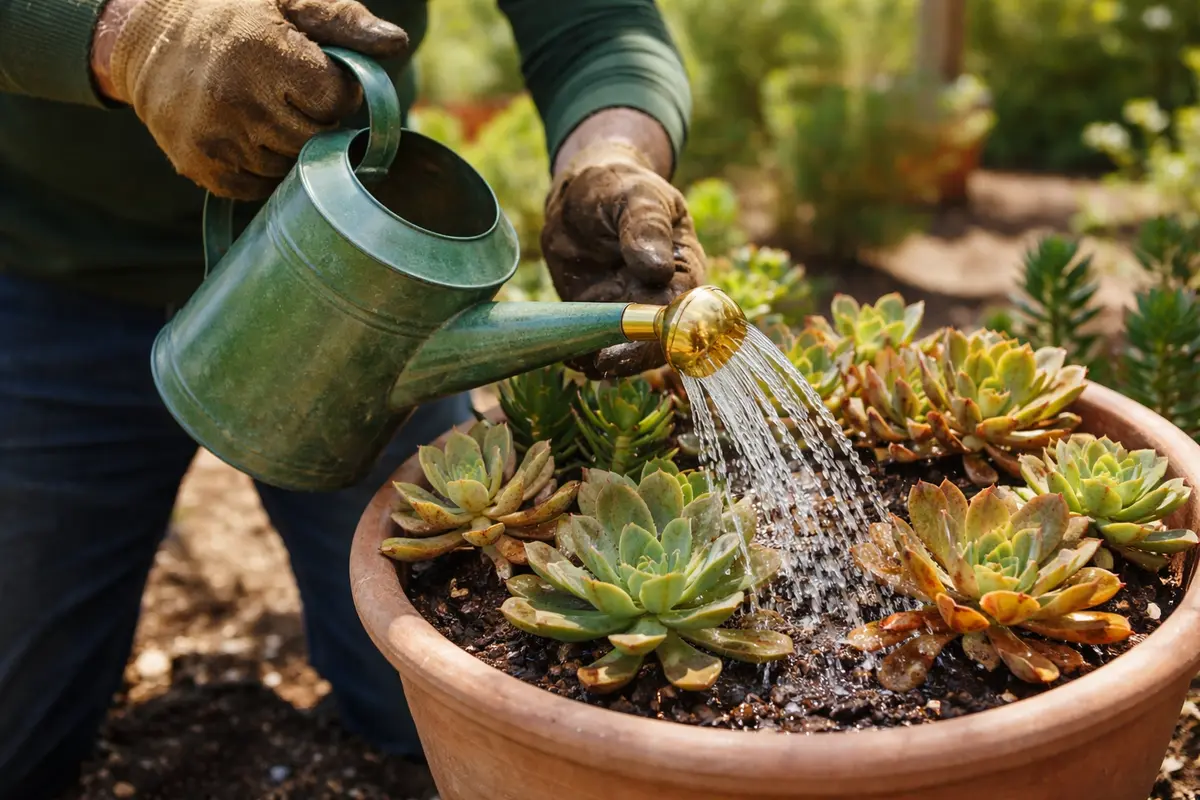
Start by adjusting your watering schedule to ensure the soil remains slightly moist but not soggy. You should notice that the leaves begin to firm up within a week, and any new growth will exhibit healthy colors, indicating recovery from sun exposure damage.
Recovery can take a few weeks to a couple of months, depending on the extent of the damage. During this period, you may observe new growth emerging from the base or tips of the plant, which often appears vibrant and plump. Conditions such as keeping the succulent in a warm space with ample indirect light can accelerate recovery, while prolonged exposure to direct sunlight or cold drafts can slow it down significantly.
Avoid the temptation to overwater, as this can lead to root rot, exacerbating existing issues. If your succulent’s leaves remain droopy despite adjusting light and watering, check for signs of overwatering or insufficient drainage, as both conditions can compromise recovery efforts.
Deep watering helps reach the root zones of the plant, allowing it to absorb much-needed moisture after its foliage has suffered from sunburn. It supports the recovery process as roots spring back, restoring the overall health of the plant. Keeping in mind that succulents are drought-tolerant, avoid overwatering during this recovery phase, as it can cause new issues. Implement a wait of at least 1–2 weeks before watering again, allowing the soil to dry out completely to avoid root rot. Testing the soil with your finger can help gauge moisture levels; if the top two inches feel dry, it’s time to water again.
Many gardeners believe that giving a sunburned succulent extra water will help quickly revive it. This often leads to too much moisture, resulting in root rot. During the recovery process, it’s essential to re-evaluate watering habits and ensure that the soil dries out appropriately between watering sessions. An established routine will prevent future stress induced by inconsistent care, and your plants will thrive! A practice like using a moisture meter can be beneficial, as this helps in determining when the soil is adequately dry and ready for a new round of watering. Alternatively, you can also weigh the pot; lighter pots usually indicate that the plant needs water, while heavier pots may suggest sufficient moisture is still present.
Step 4 – Protect Succulents from Intense Sunlight
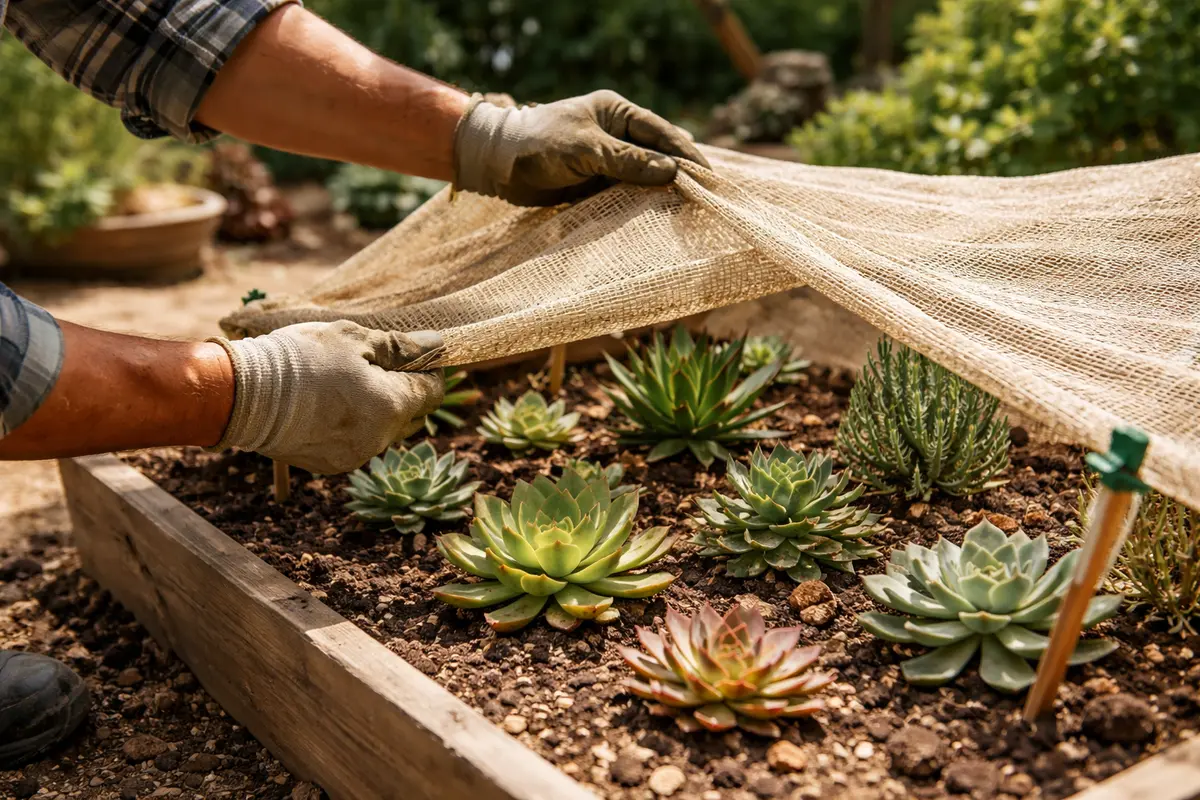
Start by relocating succulents to a partially shaded area or use sheer curtains to filter the sunlight. This immediate action should prevent further browning of the leaves, leading them to regain their original color and plumpness over time.
The reason for browning leaves is often intense, direct sunlight that surpasses the succulent’s light tolerance. By adjusting their placement or using barriers, you address the root cause of the problem; for instance, succulents in too much sun appear shriveled and limp, whereas those in suitable light stay firm and vibrant. If browning continues despite shade, check for signs of underwatering, as dry soil can also stress succulents.
In warmer seasons, particularly during peak summer, reassess the shade conditions for your succulents due to an increase in sunlight intensity. Additionally, applying a layer of mulch can provide extra protection against heat and moisture loss, ensuring that succulents receive just the right amount of sunlight without risking browning.
Creating a suitable environment is critical to avoiding sunburn on succulents. Long exposure to direct sunlight can severely impact their leaves, causing them to scorch. By providing shade or less intense light sources, you allow the plant’s natural resilience to build up over time. It’s good practice to routinely check where direct sunlight hits in your outdoor space, as seasonal changes can shift the light conditions and change the care requirements for your succulent. A common mistake is moving a plant once but not assessing how the light changes throughout the day or season, which can lead to future issues.
In summer, temperatures soar, creating challenges for succulent care. If you live in a region prone to extreme heat, consider implementing additional protective measures, such as using shade cloths during peak sun hours. This precaution can be particularly effective if your succulent is outdoors in a garden bed, where direct exposure is relentless. For instance, setting up a lightweight shade structure or utilizing a garden umbrella can help mitigate sun damage during the hottest parts of the day. Furthermore, if your succulent is indoors, aim to keep it away from windows that become particularly hot as the sun moves through the sky.
Step 5 – Inspect Leaves for New Browning Weekly
Check your succulent’s leaves for any signs of new browning every week. You should observe the leaves remaining healthy and firm, indicating the plant is recovering from the previous stress. Note any changes in leaf texture; any softness could suggest lingering issues with moisture or light conditions rather than indicating successful recovery. In these inspections, pay attention to any leaf development, as new tender leaves should appear in better condition than those previously burned.
Establishing a regular inspection routine is vital for long-term plant health as it can prevent recurring issues. If browning appears again, this might signal that the environmental conditions haven’t improved sufficiently, or the plant is facing different stressors. Early detection of new symptoms allows for prompt action and intervention before the problem escalates. If you find one or two affected leaves, promptly trim them off and reassess your succulent’s light and watering needs. If leaf spotting occurs in the absence of visible overwatering symptoms, it may indicate the need for additional fertilizers to replenish any depleted nutrients from stress recovery.
If you observe any new browning or wilting after implementing the previous steps, consider moving your succulent again to find a more suitable environment. Be cautious with any new location changes, as succulents can take time to adapt. If symptoms persist despite addressing all methods, it may be time to consult with a plant expert for further assessments of drainage or soil conditions. Testing soil porosity can also provide valuable insights—compacted soil can lead to problematic water retention that affects overall plant health. Always remember to consider the plant’s size and growth stage when relocating, as a plant in full growth may need more light than when it is in a dormant phase.
FAQ
How long does it take for succulents to recover from sunburn?
Recovery from sunburn can take a few weeks, depending on how severe the damage is and how promptly you address the situation. Regular watering and proper light exposure will significantly speed up the recovery process, but full recovery can take several weeks to a few months based on the plant’s overall health and the extent of the sun damage. If the leaves remain brown after three weeks, consider evaluating further corrective actions.
Should I remove all damaged parts of my succulent?
Only remove leaves that are significantly brown or shriveled, as they will not recover. Focus on keeping the healthy parts intact, as they will help the plant regenerate new leaves over time. Always trim with clean, sterilized scissors to avoid introducing diseases, as any wound can become an entry point for pests or infections. Additionally, consider applying a fungicide to the cut surfaces if you suspect any possibility of fungal infections taking hold.
Will my succulent recover if the leaves are still soft and mushy?
If the leaves remain soft and mushy, it indicates issues with overwatering rather than sunburn. Adjust your watering schedule and improve drainage to give your succulent the best chance of recovery. If left untreated, soft leaves can quickly lead to root rot, which jeopardizes the entire plant and demands more drastic measures, such as repotting into fresh, well-draining soil. Make sure to assess the potting medium and replace it if it retains excess moisture, as well as ensure that any new pot has proper drainage holes.