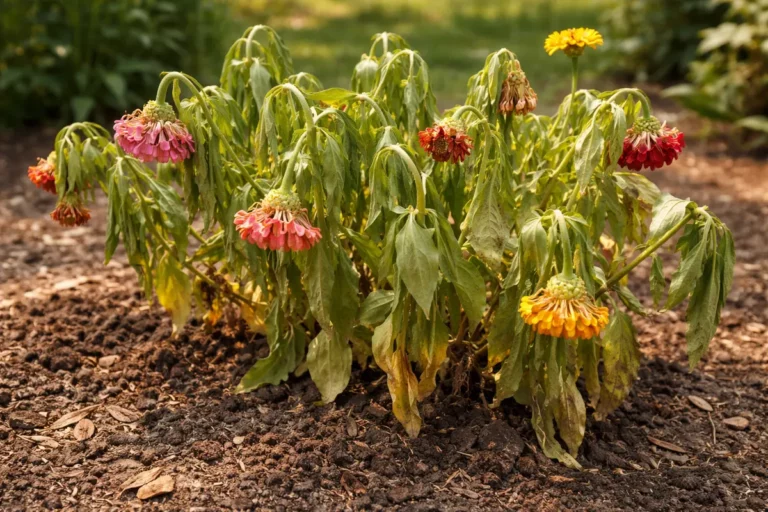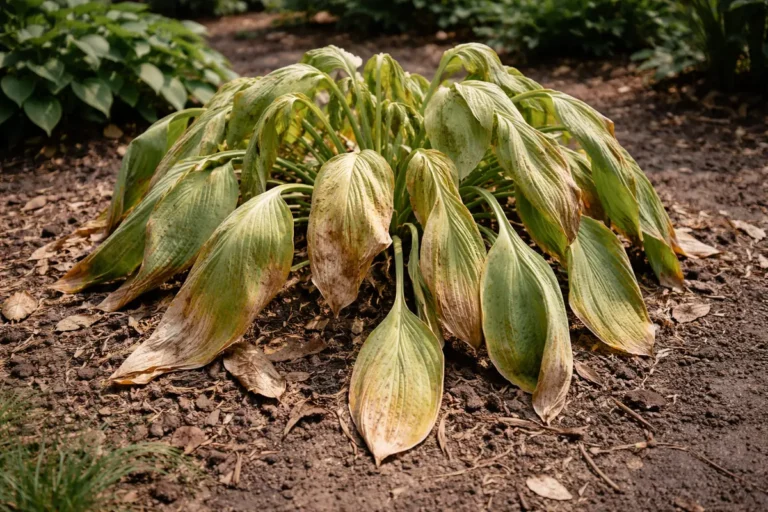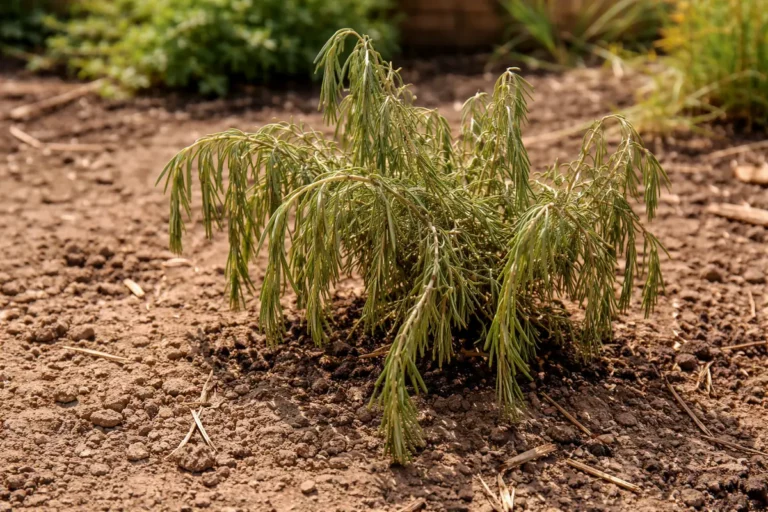
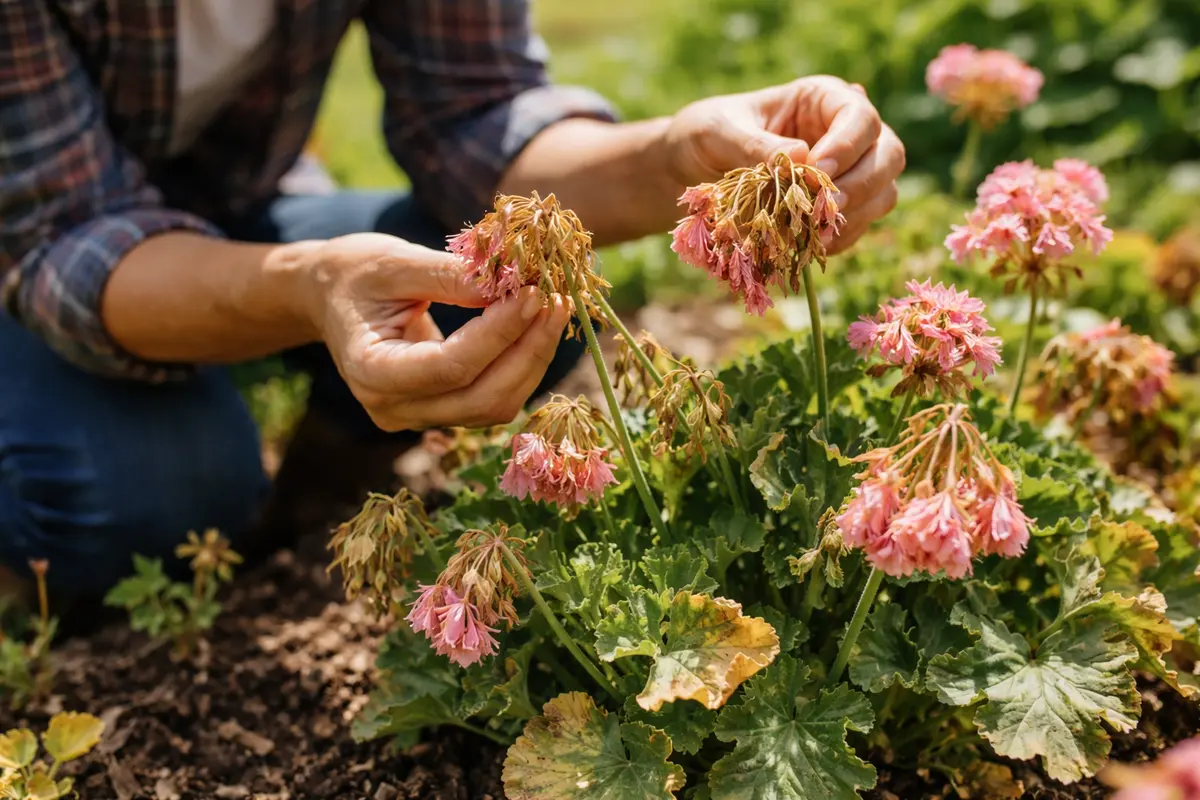
You may notice your geraniums drooping during hot summer days, which is why you need to know how to prevent wilting on geraniums during sunny days. This wilting occurs because excess heat causes water loss, leading to damage and leaf drop. Ignoring this situation only weakens the plant and sets growth back, but fixing it is possible now if you water consistently and adjust their placement to provide some afternoon shade.
Step 1 – Water Geraniums Immediately in Hot Sun
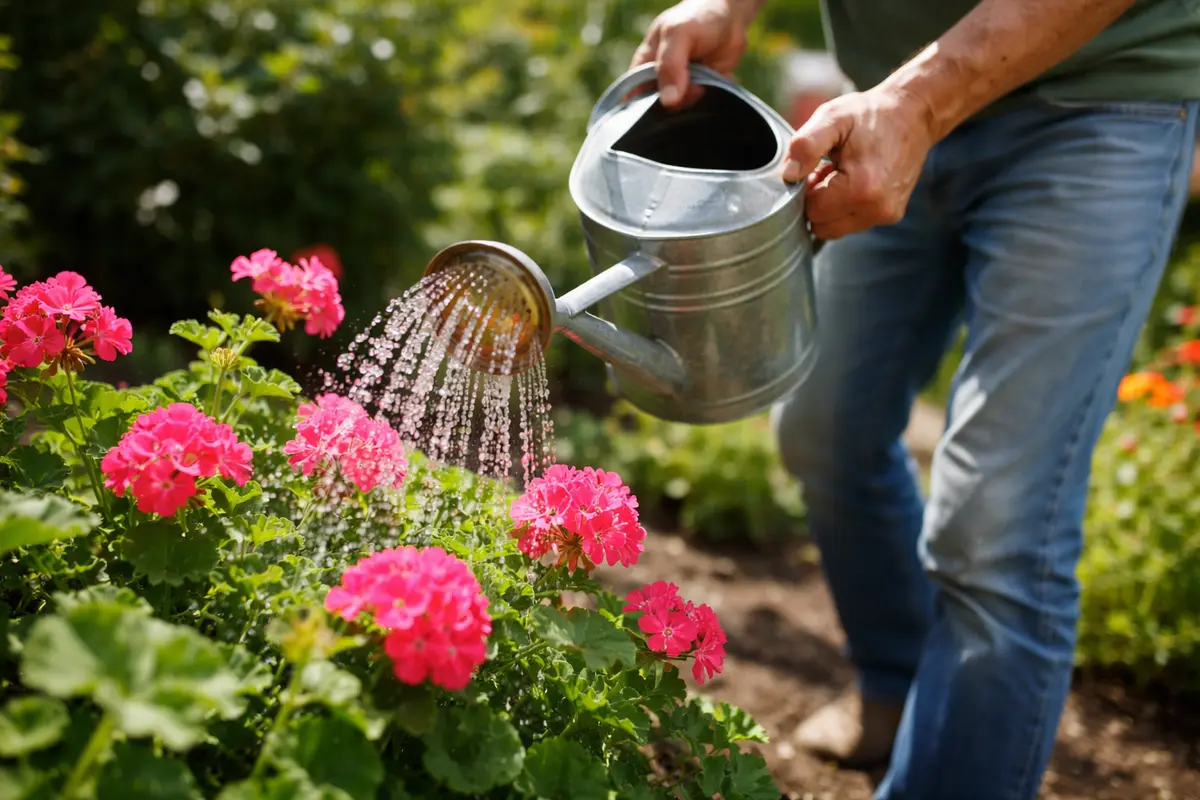
Start by deeply watering your geraniums right away. You will see the leaves perk up and regain their turgidity within an hour. Ideally, aim to provide at least 1 inch of water, ensuring it penetrates the root zone. This allows the soil to absorb moisture consistently, enabling roots to draw on the reservoir when needed most. Effective watering means filling the pot until you notice drainage from the bottom, confirming saturation.
When temperatures rise and your geraniums show signs of wilting, they are losing moisture faster than they can absorb it. Quick watering initiates the rehydration of tissues, allowing the roots to re-establish connections with the soil moisture. If you delay watering after observing wilting, the plants may not recover fully, which can ultimately lead to even more severe stress and damage. Wilting will be visually more pronounced as well; you may notice the droop extending to more leaves as time goes on. A thorough soak encourages roots to draw moisture effectively. For pots, ensure water flows out of the drainage holes to confirm adequate saturation. This will help prevent dry pockets around the root ball.
A common mistake is to water only superficially or to water when it’s less hot, thinking that it will help. However, geraniums need immediate attention during peak sun hours to ensure they absorb enough moisture before the sun sets. If you observe soft stems or yellowing foliage after watering, check that the soil is not waterlogged, as this can indicate problems rather than relief. If roots sit in overly wet conditions, they may begin to rot, leading to a more complex issue. If your geranium has wilting leaves while sitting in water, touch the soil; if it feels wet and heavy, it may indicate root suffocation. On particularly hot days, monitoring the plants more frequently can help catch any wilting before it becomes severe. If wilting persists despite immediate watering, consider checking the soil for water retention issues, which could signal further intervention is needed.
Step 2 – Diagnose Soil Moisture Levels in Pots
Start by checking the moisture level of the soil around your geraniums; if it feels dry an inch below the surface, water them deeply until excess starts draining out of the bottom. After doing this, you should notice the leaves perking up and the plants looking less droopy within a few hours. Aim to reach down to the root level for a more accurate assessment of soil moisture, as this area is critical for the plant’s recovery.
This wilting often occurs when the plant’s roots are not receiving enough water, leading to dehydration. When soil becomes too dry, it restricts water uptake through the roots, causing the plant’s tissues to lose turgor pressure and appear limp. Conversely, if the soil remains consistently damp and the plant is still wilting, it may indicate root rot due to overwatering, which suffocates the roots and prevents them from taking up necessary nutrients. If the top inch of soil feels dry, yet the bottom is still soggy, you are likely facing overwatering issues.
If the soil smells sour or has a mushy consistency, it indicates overwatering and possible root rot; stop watering and improve drainage by amending the soil with perlite or sand. Ensure that your pots have drainage holes. Similarly, if you see pests like aphids sucking on your geraniums, they can also cause wilting; in this case, treat with insecticidal soap to eliminate the pests before addressing moisture issues. If you observe wilting without any apparent source, check the underside of the leaves for pests; they can go unnoticed but lead to significant water stress.
It’s critical to determine if the wilting is a result of dry soil or if root rot could also be a factor. Geraniums prefer evenly moist soil, and if the potting mix is too dry, the roots cannot take up the necessary water, leading to excessive stress and wilting. Conversely, overly wet soil can suffocate roots, leading to a situation where the roots don’t function well due to lack of oxygen. Identifying the right balance is vital for ongoing health. If you notice a sour smell emanating from the soil, that’s a sign of potential root rot due to overwatering, while hard, cracked soil indicates drought stress.
If the soil feels dry but retains no moisture, ensure proper drainage in the pot. Conversely, if you find soggy, unmoving soil, it may be time to consider repotting the plant into fresh, well-draining medium. Watch out for foul odors; if the soil smells sour, this could signify root rot, necessitating immediate action. Keeping soil well-drained allows the subsections to adjust to moisture quickly. Often, improper watering habits lead to these conditions, so adjust your watering routine by considering factors such as the pot size, drainage materials, and even the placement of the pot. Direct sunlight can dry out surface layers while leaving deeper layers moist, exacerbating watering inconsistencies. If you have large pots, additional checks for moisture at different depths could help avoid these issues.
Step 3 – Apply Liquid Fertilizer for Wilting Recovery
Start by moving your geraniums to a part of your garden that receives filtered sunlight or partial shade during the hottest hours of the day. You should notice improved turgor, where the leaves appear firm and upright within a day or two. Repeat this habit during extreme heat by watering deeply early in the morning and providing shade as necessary to keep the soil moist yet well-drained.
Geraniums recover from wilting within a few days when given adequate water and shade, but repeated exposure to intense sunlight without protection can trigger recurrence. When roots become dehydrated, they struggle to absorb water efficiently, leading to repeated wilting. If you see your geraniums droop again even after watering, check the soil moisture—if it feels bone dry, it needs immediate watering.
A common mistake during recovery is watering too frequently, which can lead to root rot and further stress. If plants are consistently wilting despite regular watering, consider adjusting the timing of your watering schedule based on temperature changes—mornings are best on cool days, while evenings may work better during scorching heat.
Recovery typically takes a few days depending on the temperature and soil conditions, with signs of perkiness indicating successful revitalization. If the soil dries out quickly due to high heat, wilting may recur unless you consistently monitor moisture levels. If the leaves are soft despite watering, check for root rot, which could signify that your plants are sitting in overly wet soil. Stunted growth may also indicate nutrient deficiency stemming from environmental factors impacting moisture retention.
A common mistake is to water only when plants show signs of wilting rather than maintaining a proactive schedule based on daily temperatures. Adjust your watering routine based on the intensity of sunlight—if geraniums wilt in the afternoon, increase morning watering by adding more water or incorporating a second watering session later in the day. Consider using a moisture meter to track soil conditions to better align watering practices with the plants’ needs.
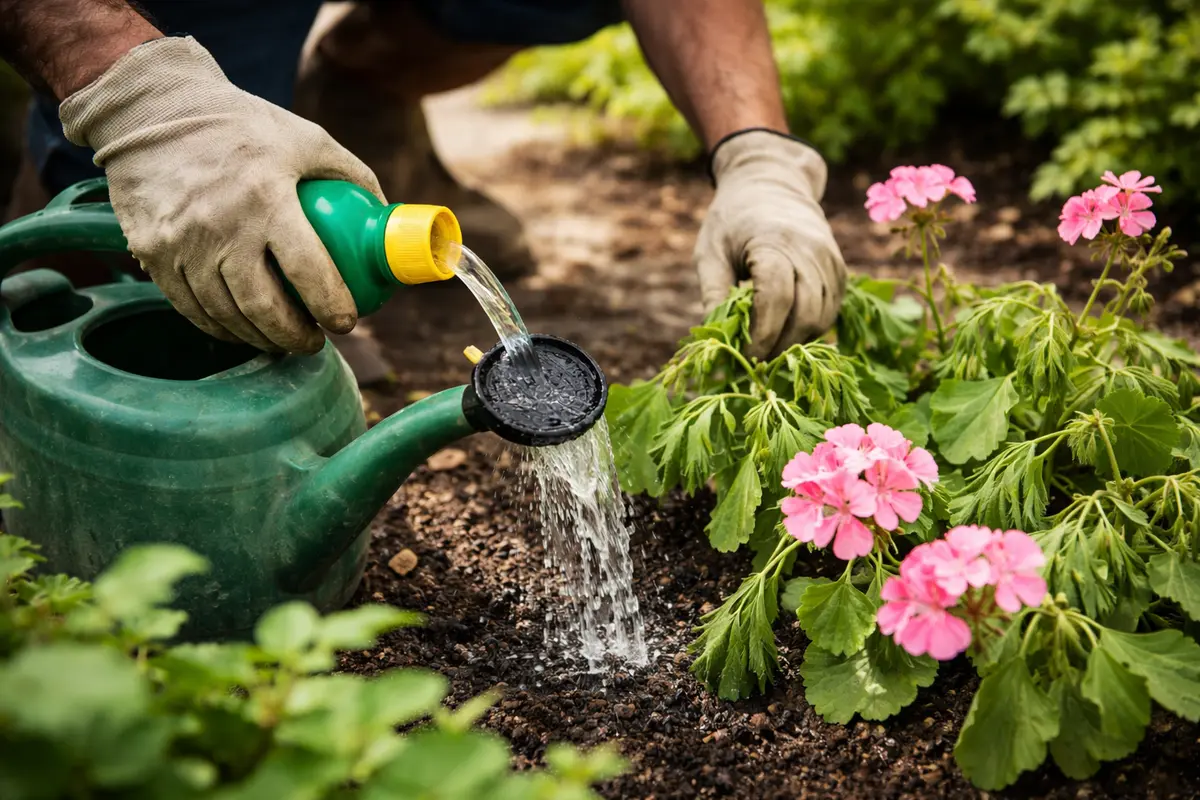
Fertilizing encourages root growth and replenishes nutrients lost due to heat stress, enabling the plant to recover from the stress of wilting. This step is particularly important if the plants are showing signs of nutrient deficiency, such as pale leaves or stunted growth. If the leaves start to turn a rich green, that indicates a positive response to the nutrients. However, it’s crucial to ensure that fertilization matches the plant’s needs. If rapid growth is observed, balance the nutrient supply to avoid overfocusing on fast recovery. Assess whether the plant is still under stress or has fully adjusted back to favorable conditions.
However, the recovery period must coincide with routine maintenance. If you neglect to fertilize on a regular basis—especially during periods of heat—this stress may recur. Additionally, avoid over-fertilizing during the hottest weeks, as high nutrient levels can do more harm than good in already stressed plants. If the fertilizer produces a rapid burst of growth followed by new wilting symptoms, it may indicate that you’ve over-fertilized or the plants are struggling to process the nutrients in such heat. To avoid this, consider feeding with half-strength fertilizer under especially hot conditions. Maintaining a routine that includes checking the plants’ health and ad hoc adjustments can ensure their long-term survival.
Step 4 – Inspect Leaves for New Signs of Stress
Start by checking your geraniums daily during sunny weather, particularly in the morning and early afternoon. Look for signs of wilting, such as drooping leaves or stems that appear softer than usual. Recheck the soil moisture status every 2-3 days, ensuring it remains consistently moist but not waterlogged. This proactive approach will help you catch issues before they escalate.
A fully recovered geranium displays firm, perky leaves that have vibrant colors and a healthy sheen. In contrast, early signs of wilting might include leaves curling inward or a slight droop, indicating the plant is still struggling. If the leaves feel leathery rather than supple, this suggests the problem could be returning. As water levels fluctuate, constantly check for any unexpected changes in leaf structure to ensure your monitoring remains effective.
If wilting occurs again despite your monitoring efforts, it’s essential to investigate the soil’s drainage and ensure your pots have sufficient holes. Adding additional drainage holes can aid in preventing any water pooling, ensuring the soil drains quickly. Consider the environment as well; note if there are other stresses present, such as significant heat waves that might affect moisture levels. As a fallback, you can apply a diluted liquid fertilizer to bolster the plant’s strength during stressful periods, or consider moving it to a shadier area to reduce further stress.
A fully recovered geranium will exhibit bright green leaves with no signs of limpness or browning. Return to a healthy state means that the plant’s cellular structure is restored, allowing them to photosynthesize effectively and support blooming. On warmer days, ensure consistent monitoring as fluctuating temperatures can halt recovery. If you continue to spot wilting and drooping leaves or dull color emerging, that could indicate inadequate care after recovery. Environmental conditions can falter quickly, especially if plants are overlooked during hot days. To sustain health, regularly evaluate the soil, light levels, and overall plant vigor.
If your geraniums start to show symptoms of wilting again after the initial recovery, reassess your irrigation practices and light exposure. Establishing a routine check on soil moisture and ensuring they are not receiving excessive direct sunlight during the hottest times of the day can mitigate future issues. If the problem persists, consider moving them to a location with partial shade or improving ventilation around the plant. It’s also helpful to rotate hanging pots or potted geraniums to give all sides an equal opportunity for light and air circulation. By doing so, you can prevent some leaves from becoming stressed while others thrive, helping to maintain an even health balance across the plant.
FAQ
How often should I water my geraniums during hot weather?
During particularly hot days, water your geraniums daily, especially if they show signs of wilting. Ensure that you provide enough water so that the soil is moist but not waterlogged. Adjust this frequency based on rainfall and temperature changes. For instance, if a rainstorm provides significant hydration, it may alter your watering schedule temporarily yet enable the soil to remain at an optimal moisture level. A visual check on the soil surface can also inform your timing; if the top layer appears dry, it may be time to intervene.
Will geraniums recover from severe wilting caused by heat?
Yes, geraniums can recover from severe wilting if promptly watered and monitored closely. After immediate watering, if you continue to support them with routine care and fertilizer, you should see new growth appearing within a week. However, long-term exposure to extreme heat without recovery measures may lead to permanent damage, particularly in the form of leaf drop or stunted growth, which indicates a potential inability to fully recover under stress. A rapid assessment post-wilting can also predict their chances for revival; look for leaf texture changes or the ability to regain firm structure quickly.
Should I prune wilted leaves from my geraniums?
Yes, if some leaves remain limp or discolored after recovery, prune them to redirect the plant’s energy to healthier foliage. Always cut just above a node or healthy leaf to promote future growth. This targeted pruning helps maintain a tidy appearance while ensuring the plant’s health improves moving forward. Regularly observing recovery after wilting can help determine the future pruning schedule, ensuring that any unwanted growth does not detract from the overall vigor of the plant.