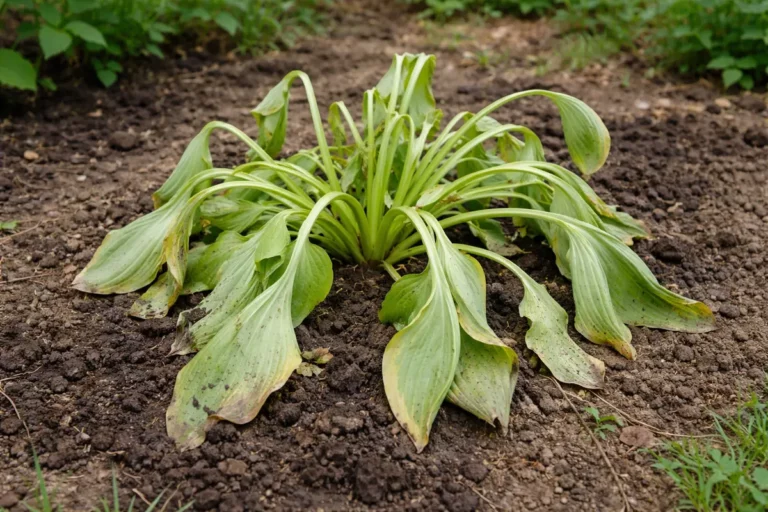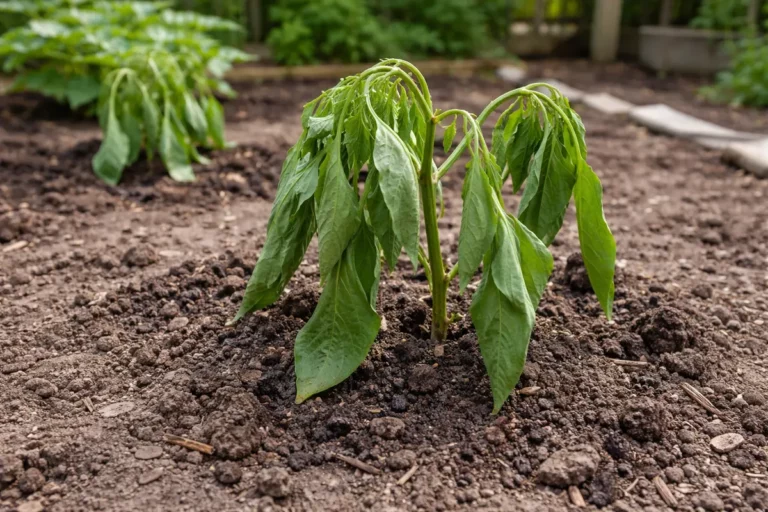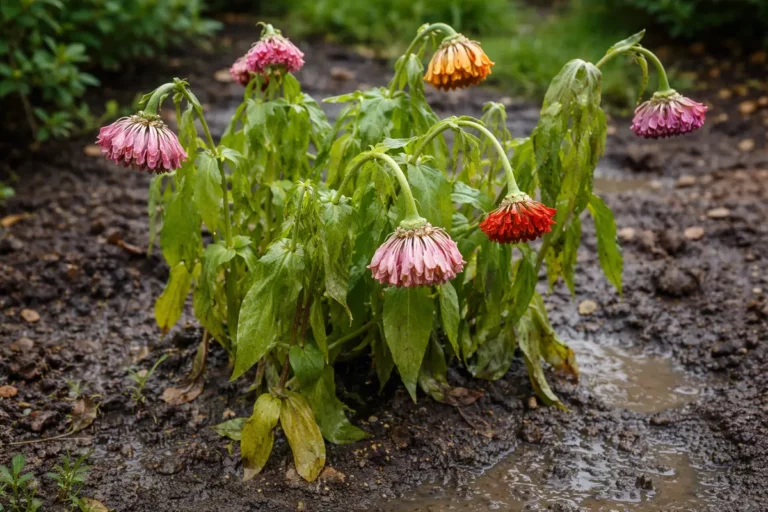
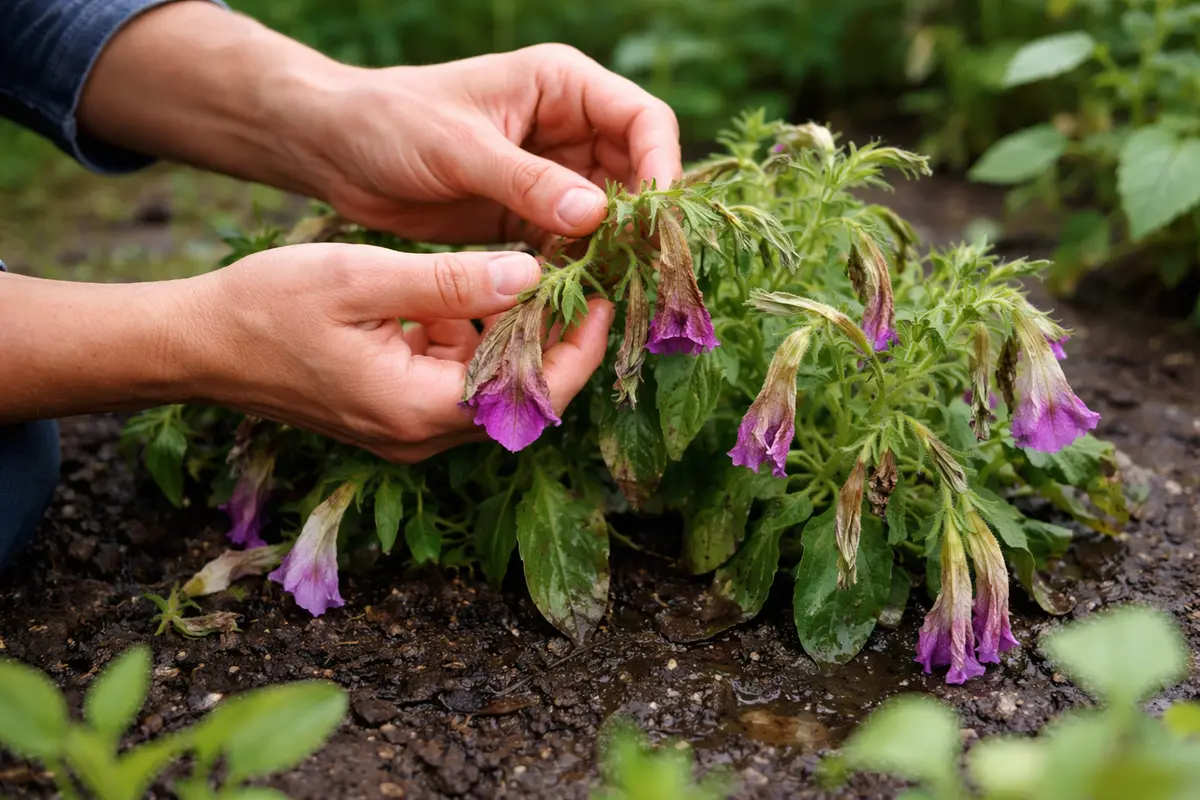
You may notice your vibrant petunias looking less than lively after a week of consistent rain, which is why you need to know how to fix drooping petunias after a rainy week. Excess moisture can lead to drooping leaves and root rot, creating a concerning problem for these seasonal favorites. Left untreated, this can lead to more damage and weaken the plant, so it’s essential to inspect your petunias and adjust their care to revive their health and beauty.
Step 1 – Revive Your Petunias with Immediate Pruning
Start by gently lifting the drooping petunias and repositioning them upright, ensuring they are no longer weighted down by excess water. In doing so, you should see the flowers begin to regain their perky posture almost immediately as they are freed from the waterlogged soil holding them down. Make sure to do this within 24 hours after the rain to maximize recovery chances.
Acting quickly after heavy rain is crucial for petunias as prolonged water saturation can lead to root rot, a condition that swiftly spreads in the wet environment. If addressing the drooping is delayed, the roots may start to decompose, diminishing the plant’s ability to absorb necessary nutrients and leading to a further decline in overall vigor. Check for any discoloration on the leaves or mushiness around the base of stems — these are early signs that the problem is escalating.
A gardener once waited too long to adjust their petunias after an unexpected downpour, resulting in a complete loss of the plants due to root rot. If the petunias are still sagging despite being adjusted, check the soil for excessive moisture and consider improving drainage to prevent further issues. If the drooping persists for more than a day after this action, it may signal deeper root issues, demanding immediate attention.
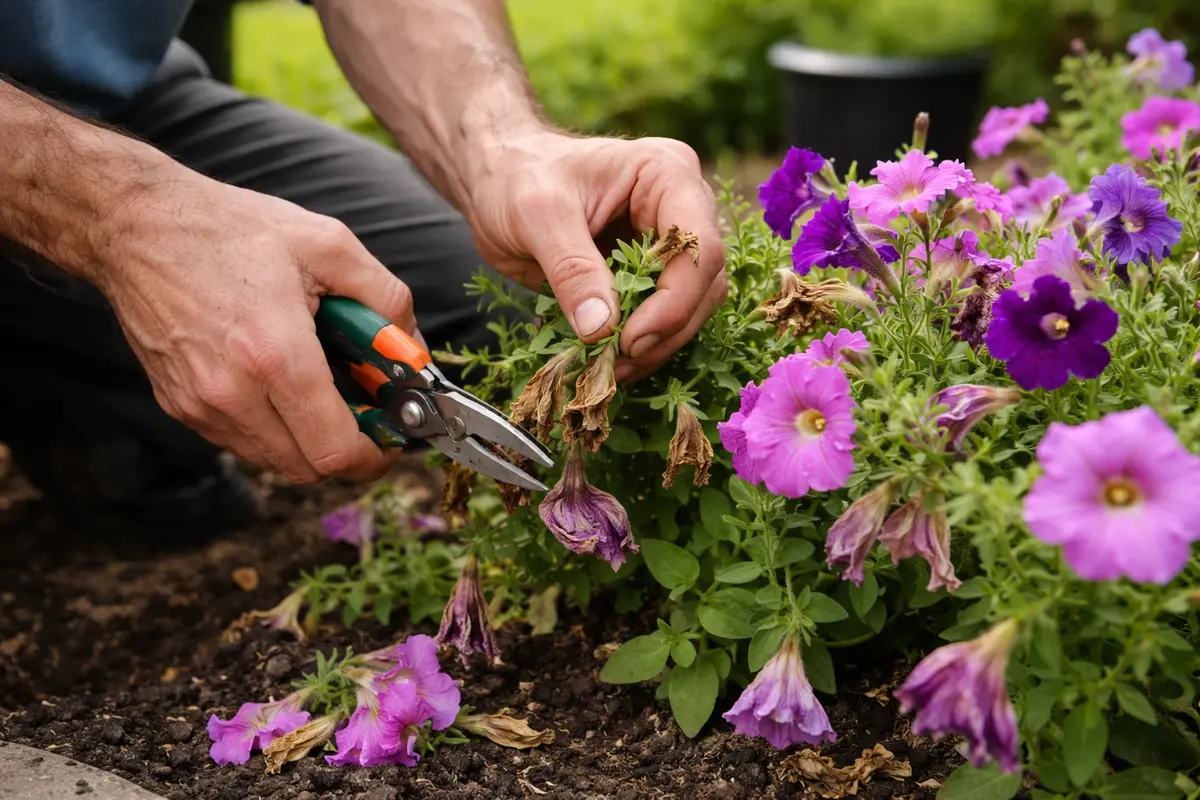
Pruning back affected areas reduces the burden on the plant, which is struggling to maintain moisture levels in its saturated state. By trimming back the limp, wilted sections, you encourage the petunias to focus their energy on developing strong, vibrant growth instead. This is crucial because, if neglected, the drooping parts can lead to disease spreading and more extensive damage. Not addressing this quickly can also result in stunted growth, making it much harder for the plants to regain their health. Removed foliage can harbor fungi or other pathogens that might impact the overall well-being of the plants. Always prune close to the base of the leaves, avoiding tearing the stem; this will help in accelerating healing.
In my experience, I’ve observed that those who prune back their petunias promptly see a significant improvement in recovery time. Sometimes gardeners hesitate to cut back their plants due to fears about damaging them, but this step often makes a noticeable difference early on. It’s particularly beneficial to do this after heavy rain, as it helps the plants shed the additional strain caused by excessive foliage. Waiting too long can lead to worse outcomes, where not only recovery time extends but also the risk of infections or infestations increases. Ensuring you have sharp, clean tools to prevent any infections makes the process smoother and more efficient; disinfecting with rubbing alcohol before cutting can further minimize this risk. Pruning should ideally happen within a few days of noticing the problem to yield the best results.
Step 2 – Diagnose Excess Water from Recent Rain
Inspect the soil moisture level carefully, ensuring it is not overly saturated. You will notice the damping off of waterlogged soils, with potential signs of root disease developing within a few days. Dig down about an inch into the soil; if it feels soggy or sticks together like mud, immediate action is needed to improve the drainage. A moisture meter can aid in precise measurements if you struggle with judgment. If soil moisture readings exceed 40%, it signals an urgent need for changes.
Too much water can suffocate petunia roots, cutting off oxygen, which is critical for healthy growth. If the soil remains consistently wet or mushy, it can cause roots to rot, leading to wilting and drooping leaves as they can no longer absorb vital nutrients. Addressing this underlying cause helps to restore balance and health to the plants. If the drooping occurs despite adequate sunlight and feeding, it’s a strong sign of water-related stress. For a quick check, look for surface pooling or crusted topsoil, which can indicate improper drainage or excessive moisture retention.
If your soil has a sour smell, indicating anaerobic conditions, you should consider repotting the petunias in fresh, dryer soil to give the roots oxygen. Also, check if the drainage holes in the pots are clogged; ensuring proper drainage is essential to avoid repeat issues. If you’re experiencing chronic dampness, think about relocating your petunias to an area with improved air circulation or soil that drains better. In conditions with clay-heavy soil, improving aeration with perlite or sand can prevent water retention and subsequent root damage, allowing oxygen to flow more freely. If you observe roots becoming dark and mushy, the damage may have already occurred, requiring immediate replanting.
Step 3 – Apply Nutrients to Boost Petunia Recovery
Start by gently propping up drooping petunias with stakes or garden supports to restore their upright structure. Look for signs of improvement, such as new leaf growth or changes in flower orientation, within a few days. To prevent future drooping, establish a watering routine based on weather conditions—water less during high humidity and more during dry spells to maintain consistent soil moisture. Aiming for a moisture level that remains moderately damp, around 30-50%, is ideal for petunias.
Recovery from drooping petunias typically takes about one to two weeks, especially if they were waterlogged. Weaker stems may take longer to regain strength compared to those that remained mostly upright during the rain. If conditions are persistently wet, drooping can recur, so check soil drainage regularly—if the soil remains soggy for too long, root rot could develop. If the roots appear pale or slimy, it suggests that recovery is severely hampered, possibly calling for additional treatments or even replacement.
A frequent misstep during the recovery-prevention phase involves over-fertilizing in an attempt to hasten recovery, which can exacerbate drooping if roots are already compromised. Adjust the timing of your fertilizer application based on weather conditions; for example, if soil moisture is high due to recent rains, wait to fertilize until the soil dries somewhat. If the leaves yellow despite care efforts, check for potential overwatering issues immediately. Avoid using granular fertilizers during this phase; liquid fertilizers work better for quicker absorption.
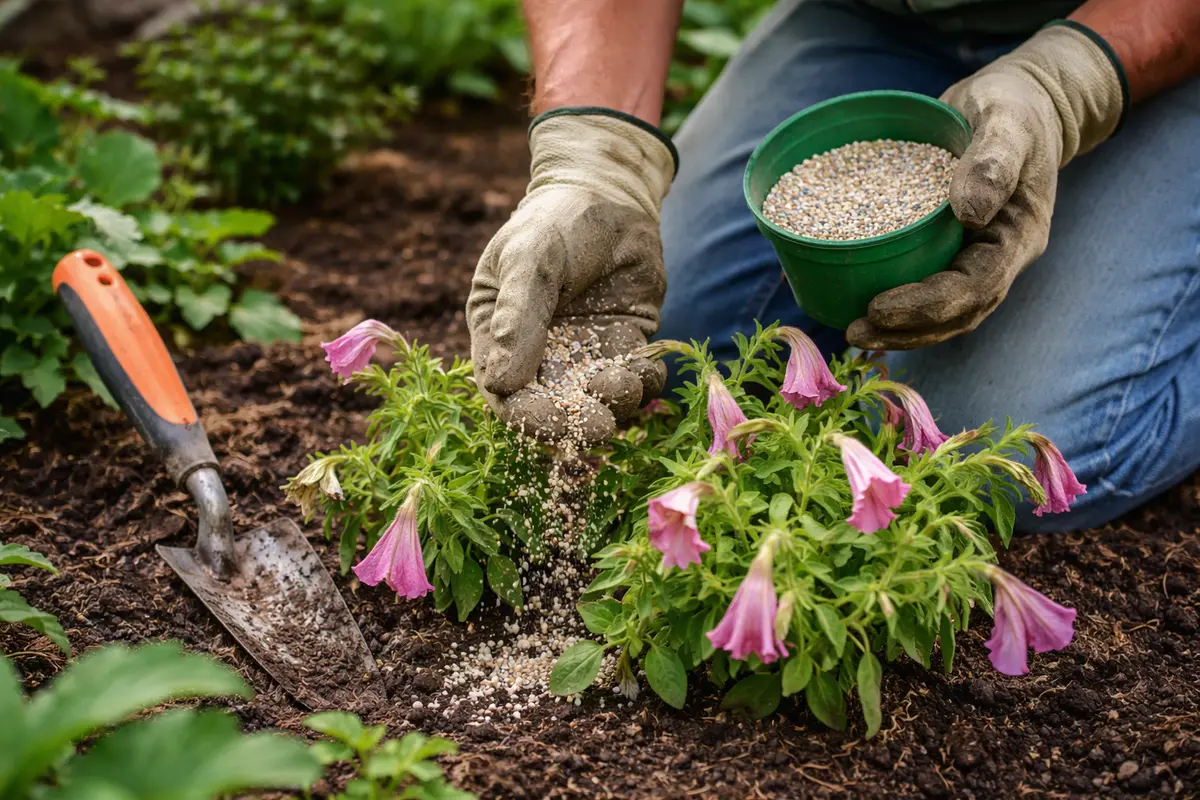
Nutrient application helps rejuvenate drooping petunias by stimulating root health and encouraging foliage vigor. Well-fed plants recover much quicker, producing stronger stems and more vibrant flowers. Not only do they bounce back faster, but they are also less susceptible to future setbacks when their nutritional needs are met. As part of a good practice, incorporating a liquid feed can speed up nutrient absorption, allowing the plants to utilize the elements in real-time. This hands-on approach lets you control the fertilizer dosage and can be adjusted to the plants’ immediate needs. Monitor the plants closely—if they begin to yellow again, it may indicate a nutrient imbalance resulting from the previous conditions of overwatering.
As prevention against future drooping, maintain a regular feeding schedule every four to six weeks during the growing season. It’s easy to overlook regular fertilization in a busy garden routine. Without it, especially in nutrient-poor soils, petunias can quickly lose their strength and become more vulnerable to environmental impacts, including heavy rainfall. When it comes to fertilizing, monitor the plant’s response closely—vigorous growth suggests the fertilizer is effective, while a lack of improvement or browning leaf tips may indicate a need to adjust dosage or switch products. Remember to follow the recommended dosage closely; over-fertilization can lead to toxic build-up, which can exacerbate existing issues like root burn, particularly in already stressed plants.
Step 4 – Inspect Petunia Blooms for Fresh Wilting Signs
First, check your drooping petunias immediately after the rain has stopped. Observe the leaves for any signs of sogginess or yellowing, indicating overwatering. Recheck the plants within the next few days to monitor changes in their moisture levels, making sure the soil has dried sufficiently before any additional watering. Look for new blooms opening; failure to bloom can signal that drooping is a chronic issue that needs urgent addressing.
A fully recovered petunia will stand upright with bright, vibrant leaves that are firm to the touch. In contrast, early signs of trouble returning include soft, mushy leaves along with drooping stems, indicating that the plant is suffering from excessive moisture once again. If the leaves begin to develop a brown or wilting appearance, it’s a clear indicator that further intervention is needed. Record your observations, as keeping a log of changes can reveal patterns important for proactive care.
If drooping persists after you’ve followed these steps, consider adjusting the location of the plants to a more sheltered area to limit water exposure. Additionally, if the plant does not respond positively within a week, treat the soil with a well-draining amendment to prevent future waterlogging and encourage healthy root growth. In cases of severe overwatering stress, consider using a hose to air prune excessive roots that might be hindering recovery while re-potting.
A fully recovered petunia will display perky flowers, firm and vibrant leaves, and an overall thriving appearance. In contrast, if drooping returns, the leaves may feel soft and wilting, signaling ongoing issues with water or nutrients. Establishing a regular monitoring routine allows for timely interventions if problems arise again. This approach not only helps keep tabs on lingering issues but allows you to catch any early signs of distress, which may require a different feeding or watering regimen. Additionally, capturing photos at intervals can assist in identifying changes that are easy to miss during frequent checks, reinforcing your understanding of the plant’s health trajectory.
If you find that the drooping persists despite care efforts, consider revisiting your watering schedule. It may be necessary to adjust watering practices by allowing sufficient time for the soil to dry out between waterings or providing increased drainage for better airflow. If recovery does not manifest after a week or two, reevaluation or even seeking professional advice could be prudent. When you notice yellowing at the foliage’s tips alongside renewed drooping, this often signals an excess of nutrients or water that needs addressing immediately. In cases where wilting appears alongside browning, cutting back the watering frequency and allowing the soil to dry out may promptly resolve further issues.
FAQ
How long will it take for my petunias to recover from drooping?
Recovery often takes a week to ten days, depending on the extent of damage and care provided. With proper pruning, fertilizing, and correct watering, you should start to see improvement within a few days, but complete recovery may take longer. Additionally, the time frame could vary based on the climate conditions and overall plant health prior to experiencing the stress. Pay attention to any unexpected changes during this period to gauge the plant’s condition accurately.
Can drooping petunias spread disease to healthy plants?
Yes, drooping petunias can spread diseases, especially if they are affected by root rot or mildew. To minimize spread, ensure that you remove any wilting or infected parts quickly and monitor nearby plants for signs of stress. Maintaining space and airflow between plantings can also help prevent the spread of soil-borne pathogens. Investing in preventative treatments can help safeguard your other plants while you address the drooping issue.
Should I remove my petunias if they don’t recover?
If your petunias do not show signs of improvement within two weeks, consider repotting them in fresh soil to encourage recovery. If they still show no signs of revival, it may be time to replace them with new plants to maintain the health of your garden. Always check root conditions; if you notice mushy, darkened roots, cutting them away may be the best option before introducing new plants. Waiting too long may put your healthy plants at risk.