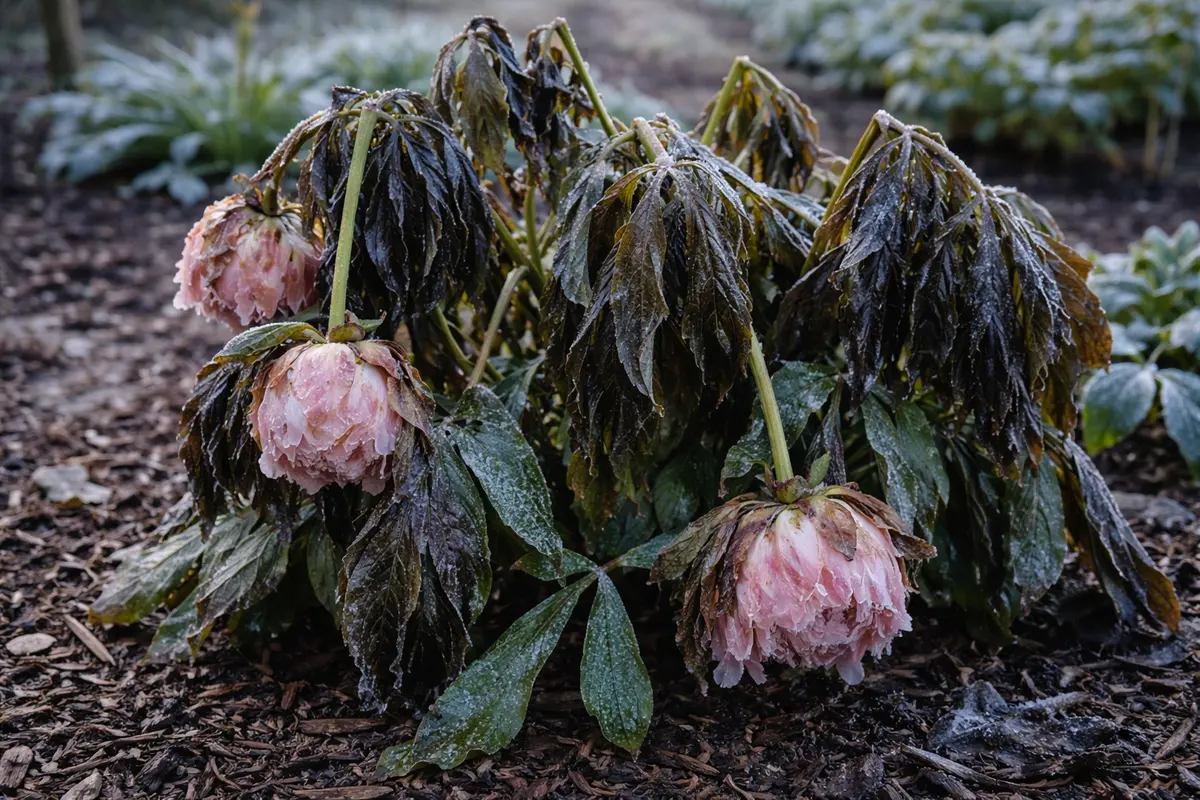
You may notice that your peonies are drooping and looking less than vibrant after a cold snap, which is why you need to know why are my peonies drooping after a cold snap. This drooping can occur due to the plant’s inability to withstand sudden temperature changes, leading to wilting and overall decline in health. If left unaddressed, the drooping can worsen and set the plant back, but fixing it is possible now—just trim back any damaged stems and adjust your watering routine to improve their resilience.
Step 1 – Inspect Peonies for Frost Damage
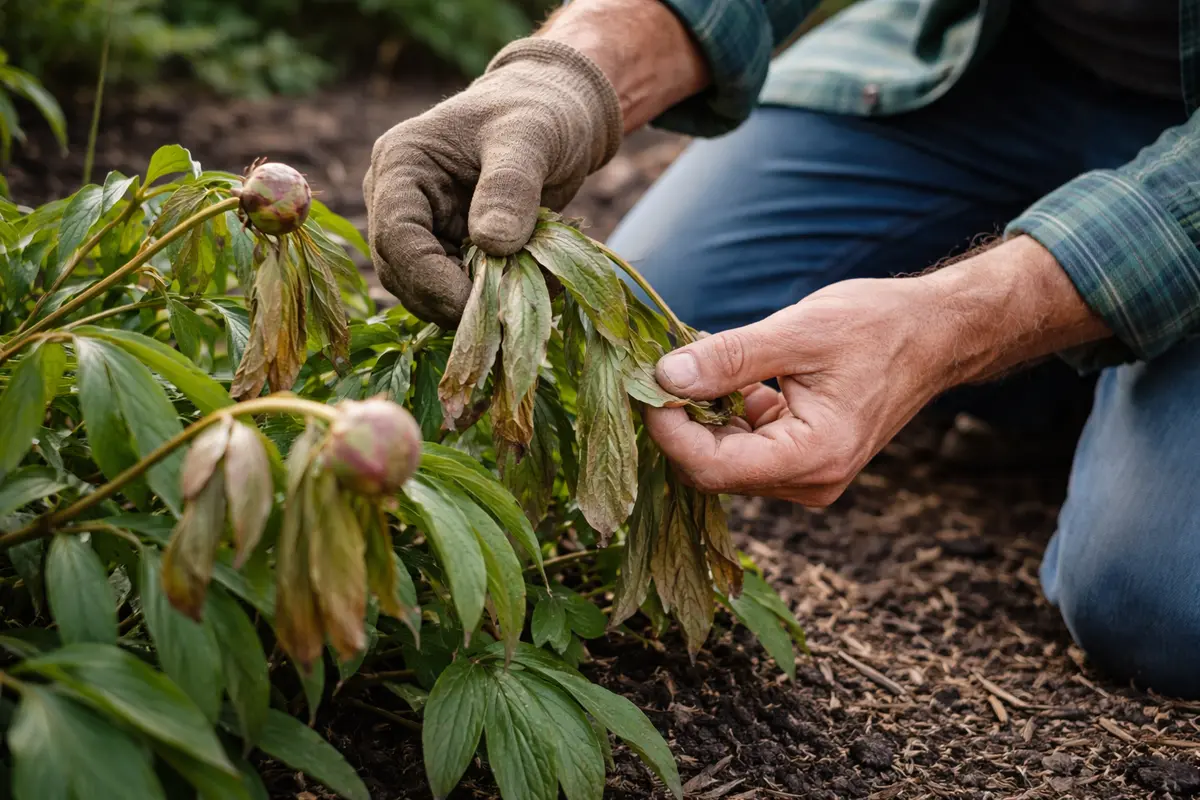
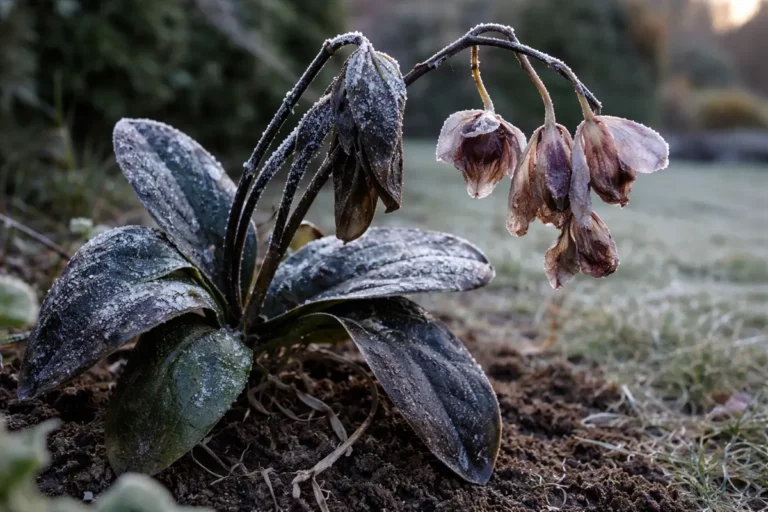
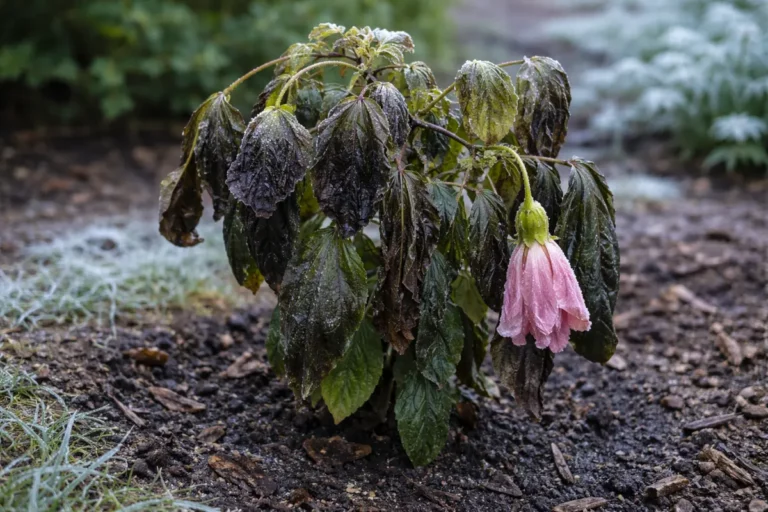
Start by carefully checking the stems and leaves of your peonies for frost damage. Look and touch to determine if any stems feel soft or spongy, and observe for darkened spots or translucency on the leaves within minutes of your inspection. Pay close attention, as these symptoms can appear quite quickly after a cold snap. If you notice any stems that have collapsed or appear waterlogged, this indicates severe damage. Explore the thickness and firmness of the stems; flexible or mushy stems often indicate that there is underlying damage that may not be immediately visible.
If your peonies have been exposed to temperatures below freezing for an extended period, the tissues within their stems and leaves can freeze solid. This freeze can lead to wilting and drooping, making the plant appear lifeless. Cold damage disrupts normal water and nutrient transport, causing visible symptoms of distress. Early inspection is paramount; the extent of the damage can guide your immediate actions—if you spot significant frost damage now, you can attempt recovery steps promptly before it worsens. If the leaves show any browning or blackening, that may signal potential disease in addition to cold injury. This can be critical as issues like fungal infections can compound the stress already caused by cold weather.
A common mistake gardeners make at this stage is overlooking minor droops that seem temporary. For instance, slight bending of stems might appear harmless, but if more significant damage is present, failing to act can lead to dramatic decline. Be vigilant; in colder climates, where cold snaps are frequent, it’s essential to ensure that peonies are adequately insulated in winter with protective mulch or frost cloths to minimize exposure to freezing temperatures. If thawing conditions are imminent, it’s advisable to provide shade during the warm parts of the day to prevent shocking the plant further. Developing a routine of inspecting peonies before temp changes can help catch issues before they escalate.
Step 2 – Diagnose Cold Stress After Cold Snap
First, check the soil moisture around your peonies by inserting your finger an inch into the soil. If it feels dry, water thoroughly to help the plant recover, and noticeable improvement in leaf stiffness should occur within a few days.
Drooping in peonies after a cold snap often results from frost damage to the plant tissues, causing wilting due to cellular dehydration. When exposed to freezing temperatures, the plant’s cell membranes can become compromised, leading to water loss, which manifests as drooping leaves. If your peonies droop but the soil is moist, this likely indicates frost injury rather than drought stress.
If you observe blackened or mushy stems at the base of the peonies, this indicates a different issue altogether — root rot caused by excessive moisture. In this case, check drainage conditions in the soil; if water pools around the roots after heavy rain, adjust your irrigation schedule and improve drainage to prevent root rot.
Cold stress occurs when variations in temperature render the plant unable to function normally; it becomes particularly problematic if the roots remain frozen and wet for too long. Signs of cold stress include wilting, stunted growth, or leaf drop. While cold temperatures affect proper nutrient uptake, persistent moisture can cause root rot, severely impacting your plants’ health. Therefore, it’s critical to assess these underlying issues as frost-damaged plants already struggle to regain vigor. If you notice that the roots are black or mushy, it’s a strong indication of root rot. Take care when identifying root health; a smell similar to decay often accompanies this, indicating advanced issues.
If you find that the soil is too compacted, consider aerating it immediately to promote better drainage, using a garden fork to delve into the soil while being careful not to harm the roots. Conversely, if the soil appears too dry, find a balance and add moisture cautiously to avoid saturating the root zone; deep watering may also be needed if the ground dries quickly. Keep in mind that watering should ideally occur early in the day to allow absorbing moisture before evening temperatures drop. Be cautious; if the weather pattern indicates more cold fronts are anticipated, evaluate whether a quicker drainage solution is warranted. This careful management of the root conditions can significantly improve the chances of repair and recovery from cold damage.
Step 3 – Water Peonies to Aid Recovery After Frost
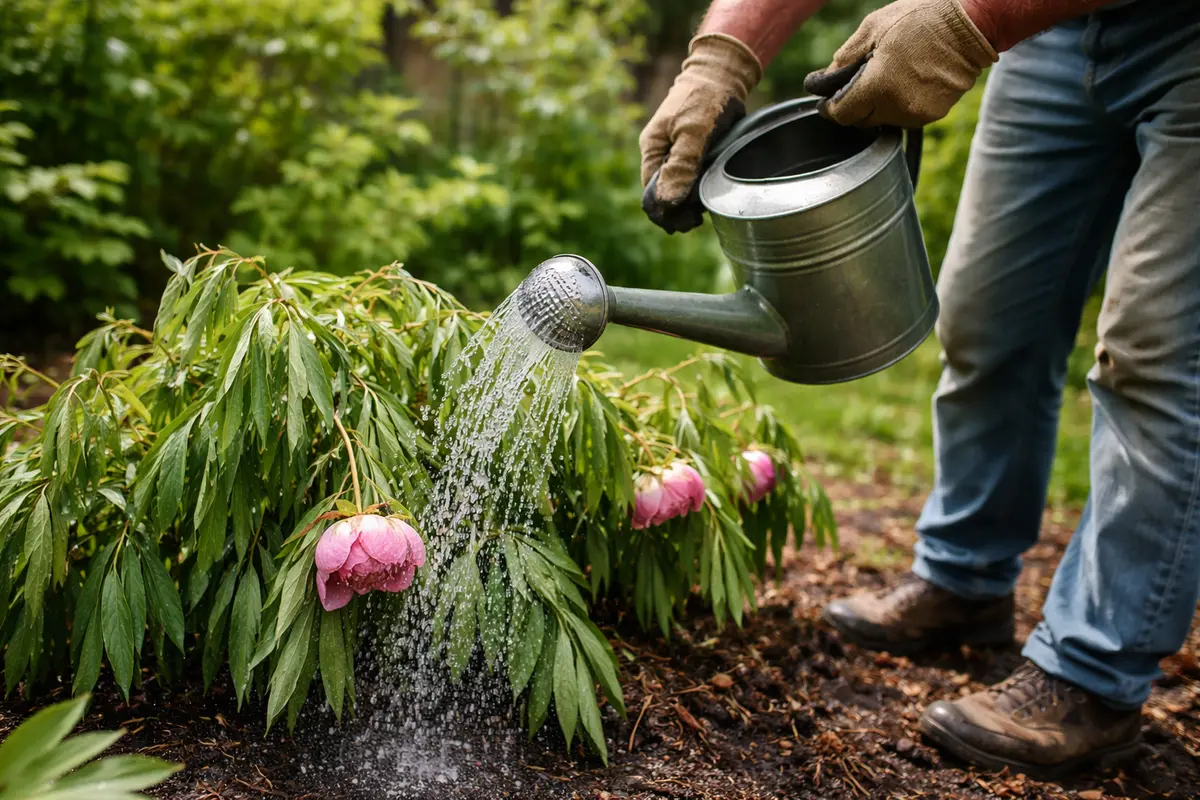
Water your peonies deeply but sparingly to facilitate recovery after the frost. Doing this should involve giving the plants about 1-2 inches of water if soil conditions seem dry, which will help penetrate the root zone. After implementing this watering strategy for a few days, observe that the drooping stems start to perk up gradually as the roots absorb the necessary moisture. The amount of water given should be sufficient to reach the root depth—but avoid overwatering, which can lead to additional problems like soggy roots and fungal diseases. Use a moisture meter if available, as over-reliance on visual cues might miss subtle indications of soil hydration.
This action not only rehydrates the plants but also revives damaged tissues that may have been rendered inactive due to cold temperatures. The moisture level in the soil significantly influences recovery capability; well-hydrated soil conditions foster healthier roots and promote rejuvenation in the wake of frost. Over the next few weeks, maintain a consistent watering schedule, adjusting it based on weather conditions to prevent renewed stress during any temperature fluctuations. If an unexpected warm spell occurs, be sure to check the soil moisture level to avoid potential drought stress. If your area receives rain, monitor temperatures and check if additional watering is still necessary, as too much water in cooler weather can be detrimental.
A key mistake here is to water too frequently, which can lead to root rot if your soil doesn’t drain adequately. You should monitor soil moisture carefully by sticking your finger into the first couple of inches: if it feels dry, it is time to water. Be mindful of the soil texture; well-draining soils should feel moist but not saturated. Additionally, if the temperatures rise significantly and your plants are under stress, altering your watering schedule will help mitigate further issues. Remember, effective recovery relies not just on effective hydration but also on recognizing how environmental conditions affect your plants continuously. By following a consistent hydration routine while ensuring proper drainage, your peonies can effectively recover from cold damage and thrive.
Step 4 – Watch Peony Leaves for Signs of Revitalization
Start by inspecting your peonies for signs of damage caused by the recent cold snap. Look for wilting leaves and soft, discolored stems, which indicate stress. Recheck the plants in a week, noting any improvement in firmness and color; if these signs persist, further intervention may be necessary.
A fully recovered peony will show vibrant green foliage that stands erect, with sturdy stems devoid of blemishes. In contrast, early signs of the issue returning include drooping leaves that appear resilient but are tinged with yellow from stress, leading to an overall limp posture. If your peonies exhibit healthy, sturdy growth but droop after irrigation, check for waterlogged soil.
If drooping persists despite your care, consider applying a balanced fertilizer to boost nutrient availability and strengthen the plant. Additionally, check for root rot by gently lifting the plant; if you notice a foul smell or mushy roots, you might need to replant in fresh soil. Escalate your response by consulting a local gardening expert if these measures fail.
A healthy peony will typically display firm stems and vibrant green leaves, signifying successful recovery from the effects of the cold. If you notice any persistent signs of discoloration, such as yellowing leaves or continued drooping, it could suggest that the plant is not recovering as hoped, and further intervention may become necessary. If the drooping continues well beyond two weeks, consider whether a lack of sunlight is inhibiting growth. Peonies require full sun to thrive, so adjusting their positioning if shaded can be beneficial. A common oversight is not rotating the plants periodically, so they always receive adequate light on all sides.
If symptoms of drooping persist, even after implementing care steps, you may need to assess other factors such as sun exposure or soil texture. For instance, if the soil remains compacted or dry beneath the surface, it may be necessary to loosen up the soil to ensure roots can access both water and nutrients adequately. Alternatively, turning the peony to face more sunlight might stimulate recovery if leaf color indicates insufficient light. Prompt reactions at this stage will make all the difference in averting potential irreversible damage, as timely intervention often leads to healthier outcomes and productive growth season. Remember to track visible changes closely; documenting growth can help in future assessments and care adjustments.
FAQ
How long does it take for peonies to recover from cold stress?
Peonies typically start to show improvements within 1-2 weeks, manifesting visible signs such as upright leaves and new growth. However, recovery timing can vary based entirely on the extent of cold stress experienced and the level of consistent care they receive following the cold snap. Some peonies may respond more slowly if their roots sustained significant frost damage, and patience is necessary. Monitoring their condition and adjusting care based on their response ensures you are providing the best environment for recovery.
Can cold damage spread to other plants in the garden?
Cold damage itself does not spread like a contagious disease, but weakened plants become more susceptible to pests and diseases afterward. Therefore, maintaining vigilance across your garden and ensuring the health of neighboring plants is paramount to overall garden well-being and disease prevention. If a nearby plant shows signs of distress, observe it closely to prevent further issues. Keeping a diverse assortment of plants may help bolster natural defenses against those pests that thrive on weakened specimens.
Should I remove damaged peony leaves?
Yes, you should prune back any dead or heavily damaged leaves to help the plant conserve energy. However, ensure that you only trim these leaves once you are confident that the cold stress has successfully passed to avoid causing unnecessary shock to the peony. By removing dead foliage, you can also improve airflow around the plant, which is beneficial for promoting recovery. Be cautious, though; excessive pruning can further stress the plant. Always use clean, sharp clippers when performing any necessary pruning to avoid injury to the healthy parts of the plant.