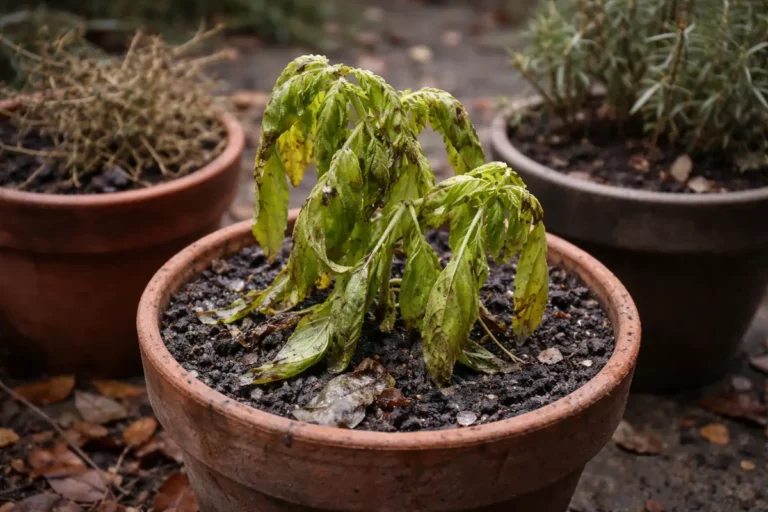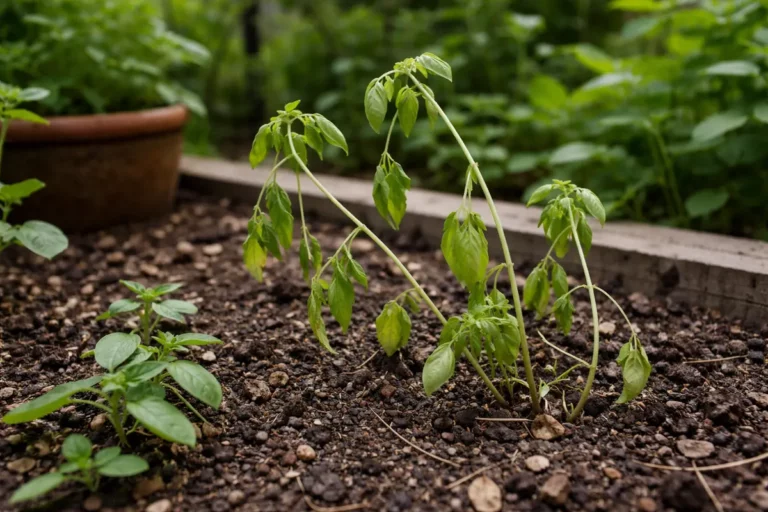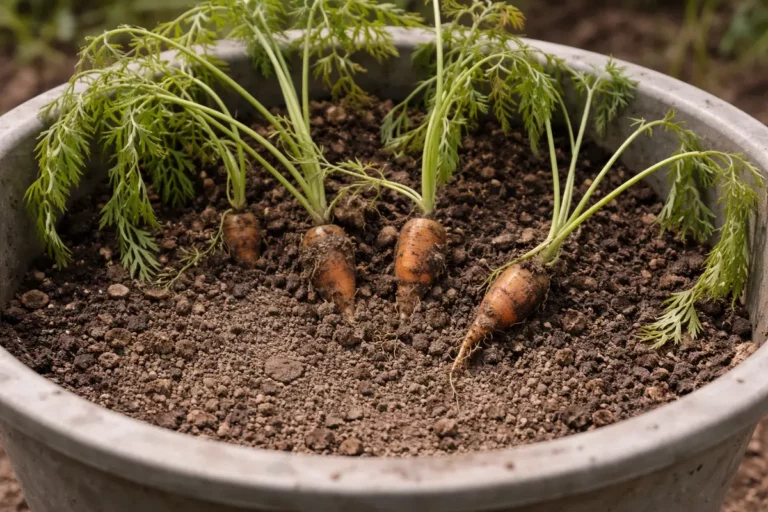
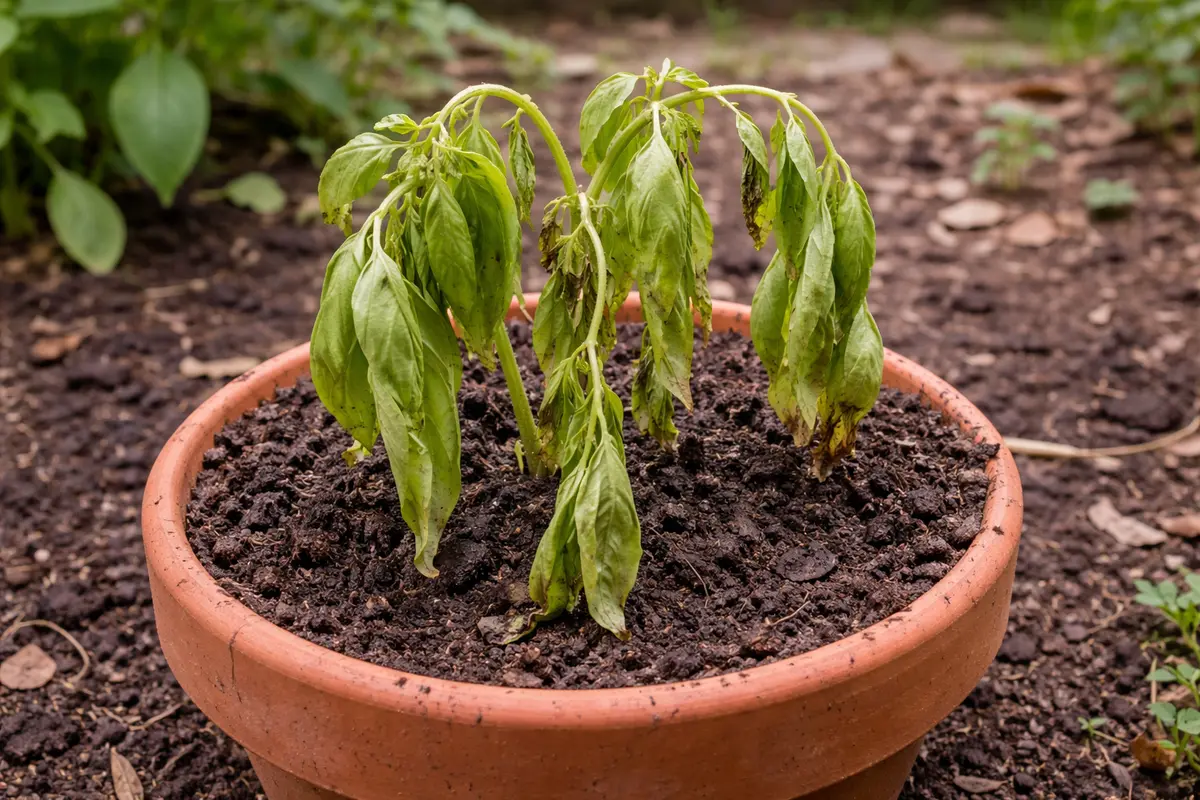
You’ve probably seen your potted herbs struggling to flourish after transplant, which is why you need to know how to fix stunted growth in potted herbs after transplant. These plants may exhibit yellowing leaves and wilting stems due to stress from the change in soil and root disturbance. Ignoring this issue only weakens the plant and can lead to more damage, but fixing it is possible now—just check the roots, adjust the watering schedule, and provide adequate sunlight.
Step 1 – Trim Wilting Leaves from Potted Herbs
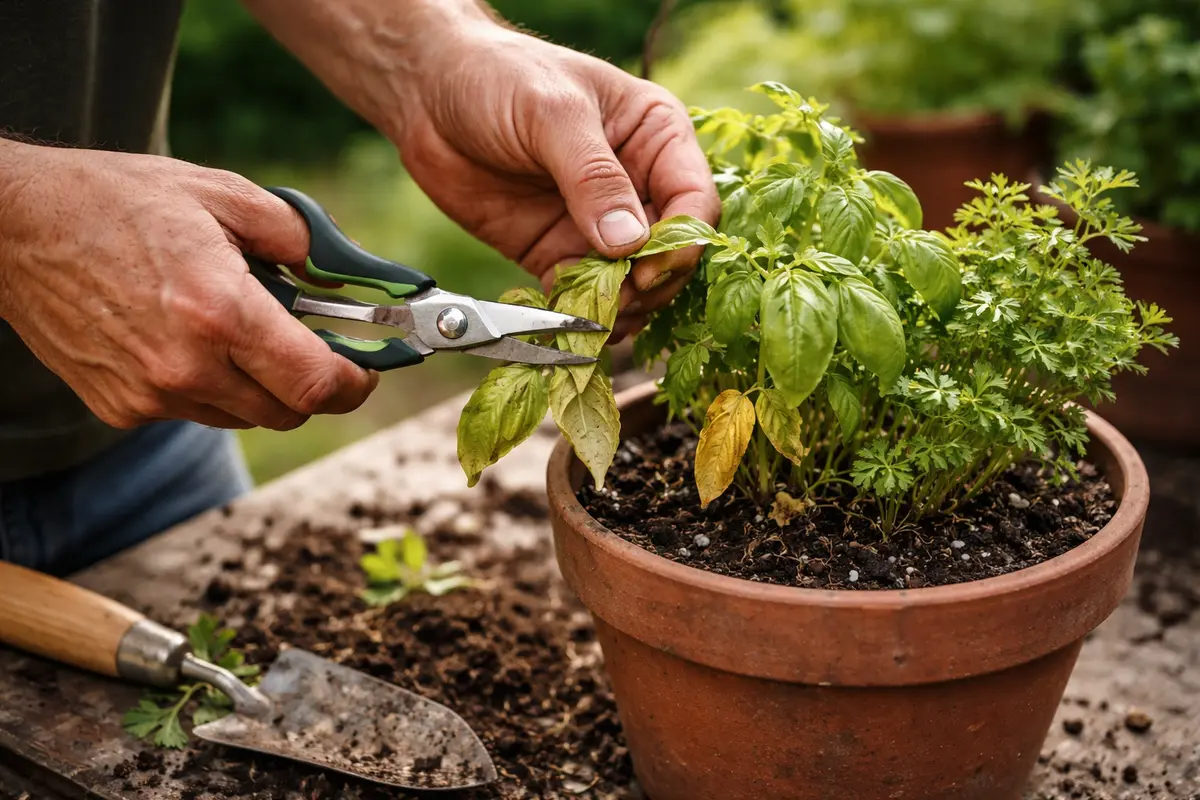
Remove any wilting or yellowing leaves immediately. You will see a cleaner, healthier look to your herbs right away, with less stress on the plant. Trimming visibly distressed leaves reduces the plant’s energy expenditure, creating an environment conducive to new, healthy growth. When you cut away the affected leaves, it allows the plant to redirect its resources to stronger, healthier areas, which is crucial during the early stages post-transplant. Make sure to use clean pruning shears to avoid introducing any bacteria that could worsen the plant’s condition.
By performing this step, you not only mitigate the energy drain from damaged foliage but also significantly reduce the risk of diseases spreading from those troubled parts. Healthy herbs will exhibit increased leaf firmness and vitality in as little as 24-48 hours after the trim, with fresh leaves gradually unfurling as the plant stabilizes. A common mistake is delaying the trimming process due to fear of harming the plant. However, not acting promptly often leads to further spread of stress through the plant. Additionally, if you see new growth starting at healthy nodes near the main stem, focus your resources there, which often indicates that the plant is primed for improvement.
Timing is vital; for instance, performing this action in the early evening helps because the plant will have the night to recover without additional stress from sunlight. If leaf damage persists despite trimming, check for root stress or insufficient watering levels before moving on to the next step. A discerning gardener might also opt to examine moisture levels in the potting mix—if the mix is too dry or too wet, it can hinder recovery just as much as old, damaged leaves do. Over the coming days, gauge the plant’s response: healthy stems will stand upright and leaves will feel firm and vibrant rather than limp. If you see new growth appearing within a week, it’s a reliable sign that your trimming was effective.
Step 2 – Diagnose Root Issues Causing Herb Stunting
Inspect the roots and soil to identify the underlying issues causing your herb stunting. You will observe whether the roots are healthy or rotten, and whether the soil is either moist or dry. This investigation is crucial, as it allows you to determine if the problem lies with rooting conditions or if they have been damaged during the transplant process. Checking for compacted soil or bound roots can be revealing; healthy roots should spread out and be firm but not brittle. Look for a light tan color in the roots; if they are dark, it could indicate rot.
If you notice dark brown or black roots, they are likely suffering from root rot due to overwatering, a condition that can wreak havoc if left unaddressed. Conversely, compacted or dry soil can suffocate the roots, hindering nutrient uptake, which often presents itself as wilting leaves. You might want to gently loosen the soil around the roots with a small tool to check for resistance. To ensure robust roots, maintain moisture without soaking the soil; you should ideally aim for moisture levels that allow for slight resistance when you insert a finger into the soil.
Common mistakes include assuming healthy soil and roots without checking first. Skipping the soil inspection altogether means you might overlook signs such as an overly compacted mix or roots bound tightly together in their pot. If your soil feels excessively moist or emits a sour smell, it indicates that you may need to change the entire potting mix or improve drainage. If overcrowding is evident with roots tightly bound, potting into a larger container can also help facilitate growth and give roots the space needed to expand. Conversely, if roots seem to be overly dry and brittle, you may need to revive them by soaking in water for a couple of hours before replanting; this practice can restore flexibility and strength. Make sure to avoid using hot tap water as it may shock the roots further.
Step 3 – Fertilize Herb Soil for Growth Boost
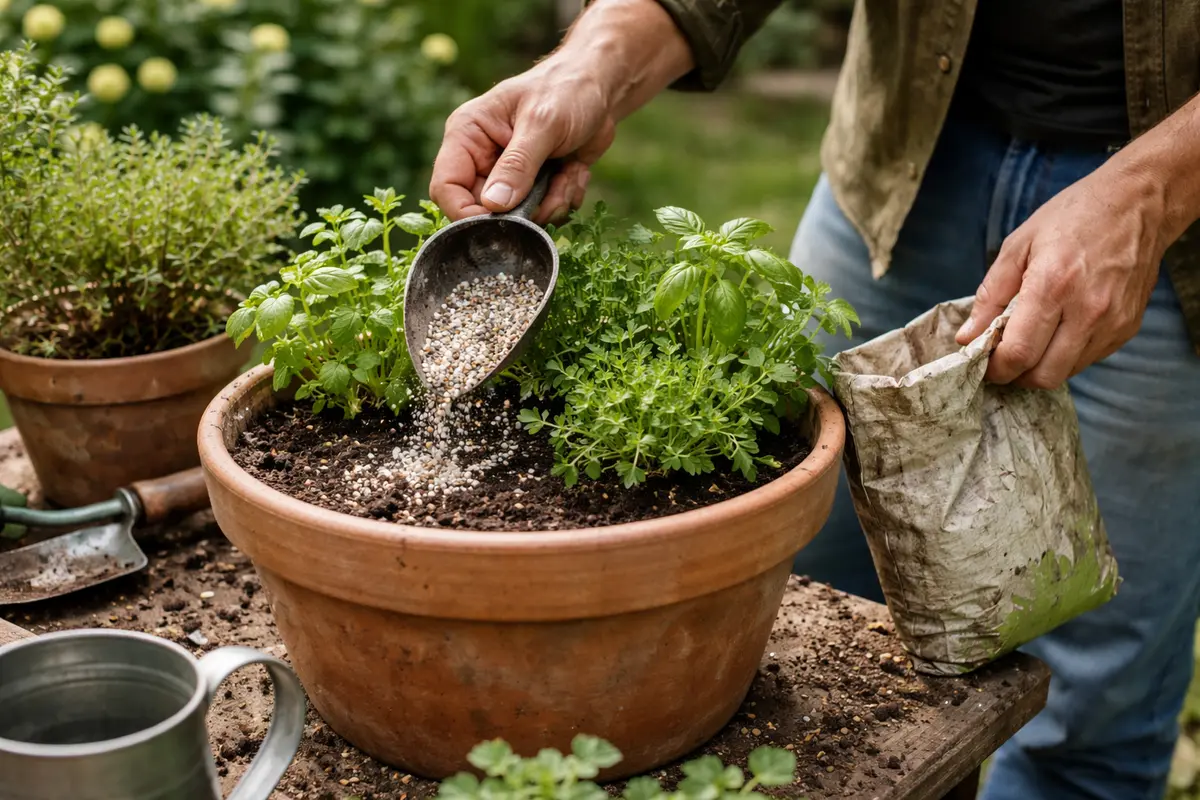
Apply a balanced liquid fertilizer to the soil around your potted herbs following the recommended dosage. Within a week, you should notice new growth and vigor returning to your plants as they begin to utilize these essential nutrients effectively, amplifying their recovery. It’s vital not to skip this step, as providing immediate support can help the herbs bounce back from the stress caused by transplanting. Pay attention to the manufacturer’s instructions for dilution rates to ensure proper application without overfeeding.
Fertilizers contain essential nutrients like nitrogen, phosphorus, and potassium, each playing vital roles in herb growth. Observe how your plants respond over the days following fertilization; optimal growth will often manifest in denser leaf growth and a more vibrant color. If the herbs show signs of new lateral shoots, this is a positive sign of nutrient uptake. Over time, you’ll see improved leaf color, thickness, and overall plant stature, indicating successful recovery. If you normally fertilize every month, consider shortening this interval to every three weeks until you observe visual signs of recovery. This time-sensitive method will help expedite healing.
A common mistake during recovery is over-fertilizing, which can lead to nutrient burn and further damage rather than healing. Instead, follow the instructions on the fertilizer container precisely, applying it sparingly every 4-6 weeks to avoid shocking the roots. Observe your plants; if new leaves look yellow or burnt, reduce the amount of fertilizer applied, indicating that the dosage needed to be adjusted back for optimal growth. If recovery does not occur within the first couple of weeks despite fertilization, consider switching to a fertilizer specifically formulated for herbs, which may have the ideal nutrient balance for your plant’s quick recovery. The signs to watch for include a lack of growth beyond the initial shock or persistent yellowing even after fertilization.
Step 4 – Water Herbs Carefully in Heat to Prevent Stunting
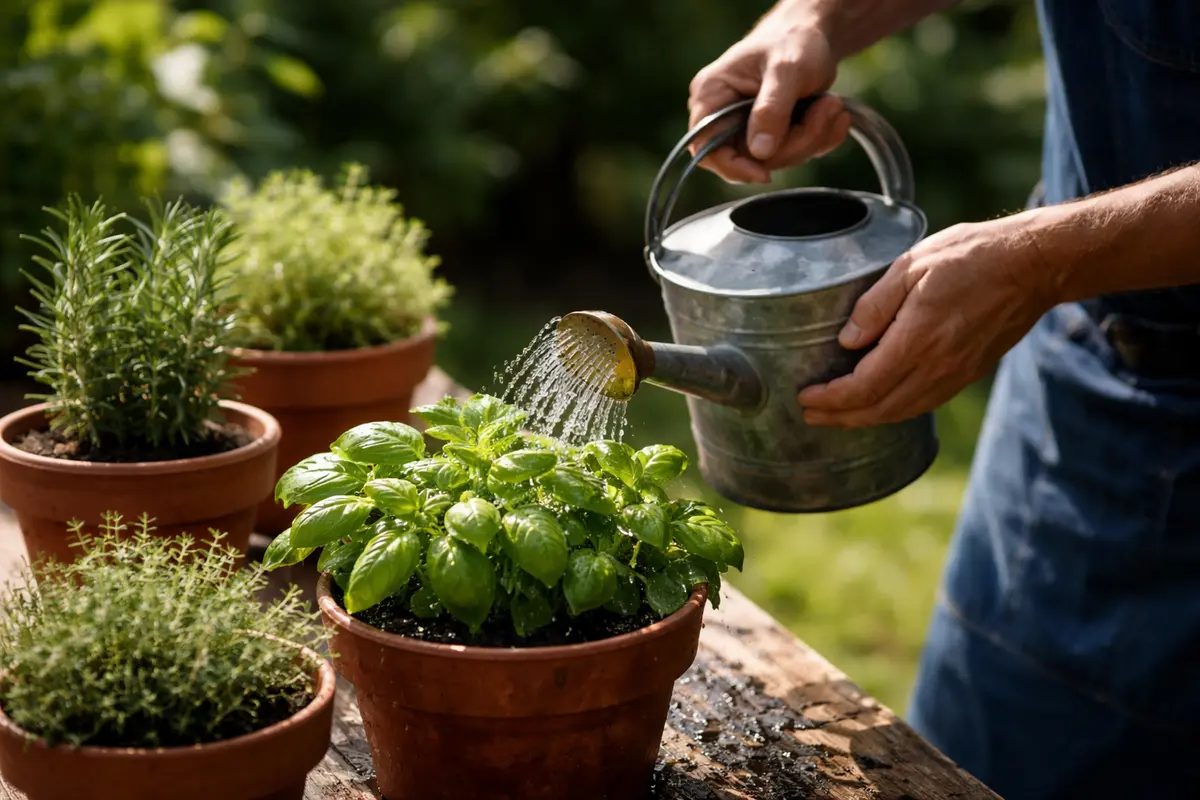
Start by ensuring that your potted herbs receive at least six hours of indirect sunlight daily and are watered consistently but not excessively. By establishing this routine, you will notice an improvement in their growth rate and overall foliage development within a few weeks.
Potted herbs often experience stunted growth due to inadequate light or improper watering, which leads to stress that hampers their development. To prevent this, maintaining a consistent watering schedule while ensuring the herbs are placed in a well-lit area counters the root causes of growth issues, allowing them to thrive. If your herbs are wilting despite adequate watering, check the light exposure as insufficient sunlight can cause similar symptoms.
During summer months, increase watering frequency slightly due to higher evaporation rates, but still allow the top inch of soil to dry out before watering again. This seasonal adjustment keeps the herbs hydrated without overwhelming their root systems, essential for encouraging robust growth. Additionally, adding a layer of mulch can help retain moisture and regulate soil temperature during extreme heat periods.
Stunted growth often occurs when herbs are placed in low-light conditions or when soil lacks proper drainage, leading to waterlogged roots. By committing to a daily routine of adequate sunlight and ensuring your potting mix drains well, you tackle the environmental aspects triggering growth issues at the root level. In hotter weather, you might need to increase watering frequency; conversely, in cooler months, cup your watering habits accordingly. Regularly assess the soil, since wet soil leads to root rot while dry soil leads to stunted growth. This dynamic necessitates careful monitoring and adjusting of your care practices.
Seasonal changes will also impact your watering habits. In winter, herbs may require less water as growth slows down significantly; therefore, adopt a cautious approach during this period. Check the moisture content regularly; inserting your finger about an inch deep helps to gauge the need for water. If the soil feels dry at that depth, it is time to water again. However, if the soil stays soggy, be cautious to avoid watering for several days until it appropriately drains. Implementing a consistent watering schedule based on these observations may lead to healthier plants. If root issues or mold appear in conjunction with overwatering, consider repotting in fresh mix that encourages better drainage; ensure that the new mix retains adequate moisture while allowing excess to escape.
Step 5 – Check Herb Growth for Signs of Recovery
Monitor your herbs every few days to assess progress and recovery from transplant stunting actively. Look for signs such as new leaf growth and vibrant green hues in the stems and foliage, indicating that the plant is gradually rejuvenating from its recent stress. Early detection of returning issues will allow you to adjust care practices promptly if necessary. Use a notebook to jot down observations; this will help track growth patterns over time and can be insightful for future gardening.
Healthy herbs will show signs through firm leaves and vibrant color, often occurring within 1-2 weeks of implementing the recommended changes that you’ve made. If the plants continue to show yellowing or wilting during this period, consider re-evaluating all previous care tasks, including soil moisture, nutrient levels, and rooting conditions on a weekly basis. If yellowing persists, also examine for pests, which might have arrived during the transplant process but had not yet shown their presence. Record your observations compared to established benchmarks to ensure you’re able to notice even subtle improvements. If you ever notice black spots on the remaining leaves, this may indicate a fungal issue, requiring immediate attention. You might want to adjust air circulation around the plants, as poor airflow can worsen fungal conditions.
If you notice that problems return despite following these steps, it could be time for a deeper diagnosis of the overall environment and care techniques. Conditions such as a pest invasion might lead to further issues, making it essential to explore external factors impacting your herbs. Consider consulting a local gardening expert or troubleshooting watering and feeding routines as you finally adjust your approach. Oftentimes, the switch to a more well-ventilated space can help not only with new growth but also in preventing fungal infections in the future. Regular monitoring allows you to catch new issues before they escalate, ensuring sustainable growth.
FAQ
Why are my herbs still stunted after transplanting?
If your herbs remain stunted after transplanting, they may still be recovering from transplant shock or experiencing nutrient deficiencies. Evaluate the soil moisture and root conditions; corrective actions might be needed to restore balance and health. Ongoing observation can be critical; if other plants in the vicinity are thriving, assess any differing care details between them. You could experiment with adjusting nutrient levels or watering frequencies to see if it promotes improvement.
Should I remove all the damaged leaves from my herbs?
Only remove severely damaged leaves while allowing any healthy growth to remain. Removing only those that are extensively yellowing helps the plant focus its resources effectively on recovery. After cutting back, keep an eye on how the remaining foliage responds as this indicates the health levels. Wait a week after removing damaged parts to monitor growth before making additional cuts since indiscriminate pruning can induce further stress. Assess the balance of removed foliage against the healthy leaves; if you notice uneven growth, it may indicate an additional issue to investigate.
How can I tell if my herbs are recovering properly?
Signs of recovery include new growth, healthier leaf colors, and increased leaf firmness. If these changes are noticeable within a week or two, your herbs are likely on track to regaining their health. Monitoring patterns becomes essential; consistency in watering and trimming can spell the difference between steady success and repeated setbacks. Expect visible differences in growth behavior; if new shoots appear and previously wilting leaves rejuvenate, the signs indicate success and encourage continued patient care.