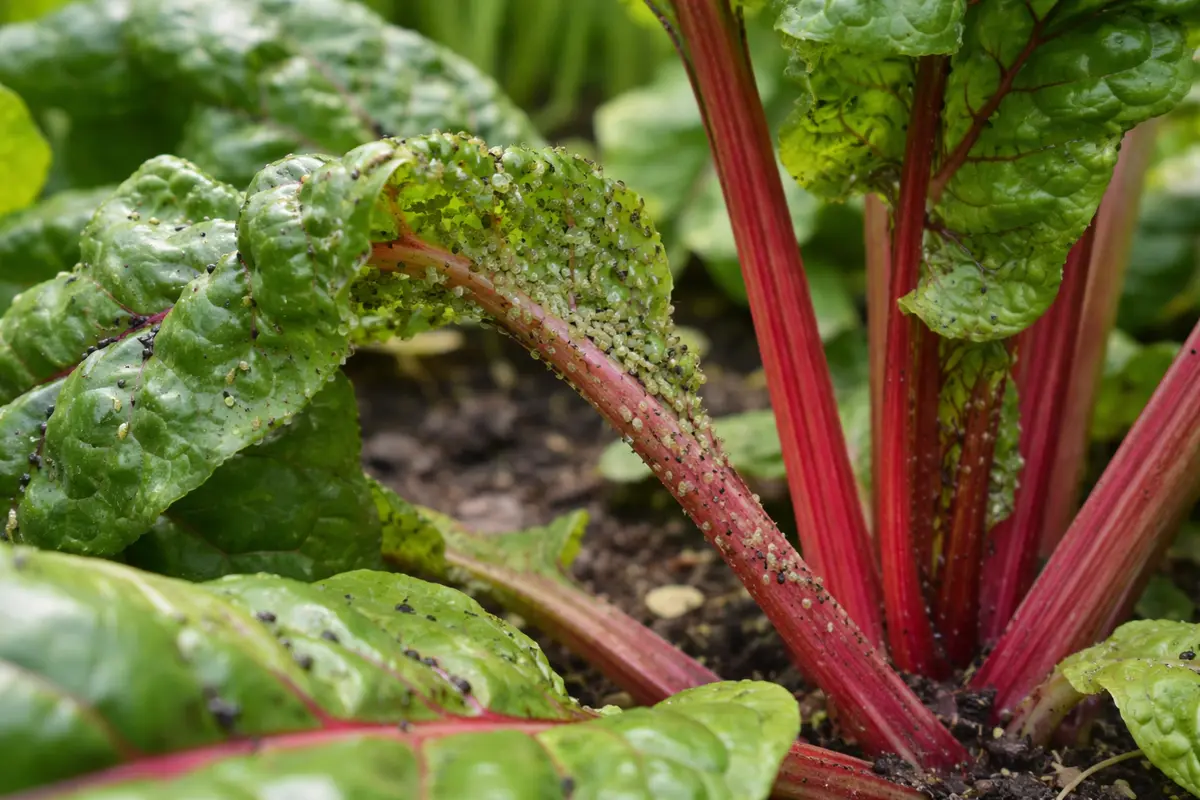
You may notice a sticky residue on your chard leaves during warm, humid days, which is a clear sign that you need to know how to prevent aphids on chard before they multiply. These small pests cause yellowing and curling of the leaves as they feed on the plant’s sap. If left untreated, the infestation gets worse, weakening the plant and potentially leading to more damage, but you can act now to monitor and remove them effectively.
Step 1 – Spray Chard with Insecticidal Soap Immediately
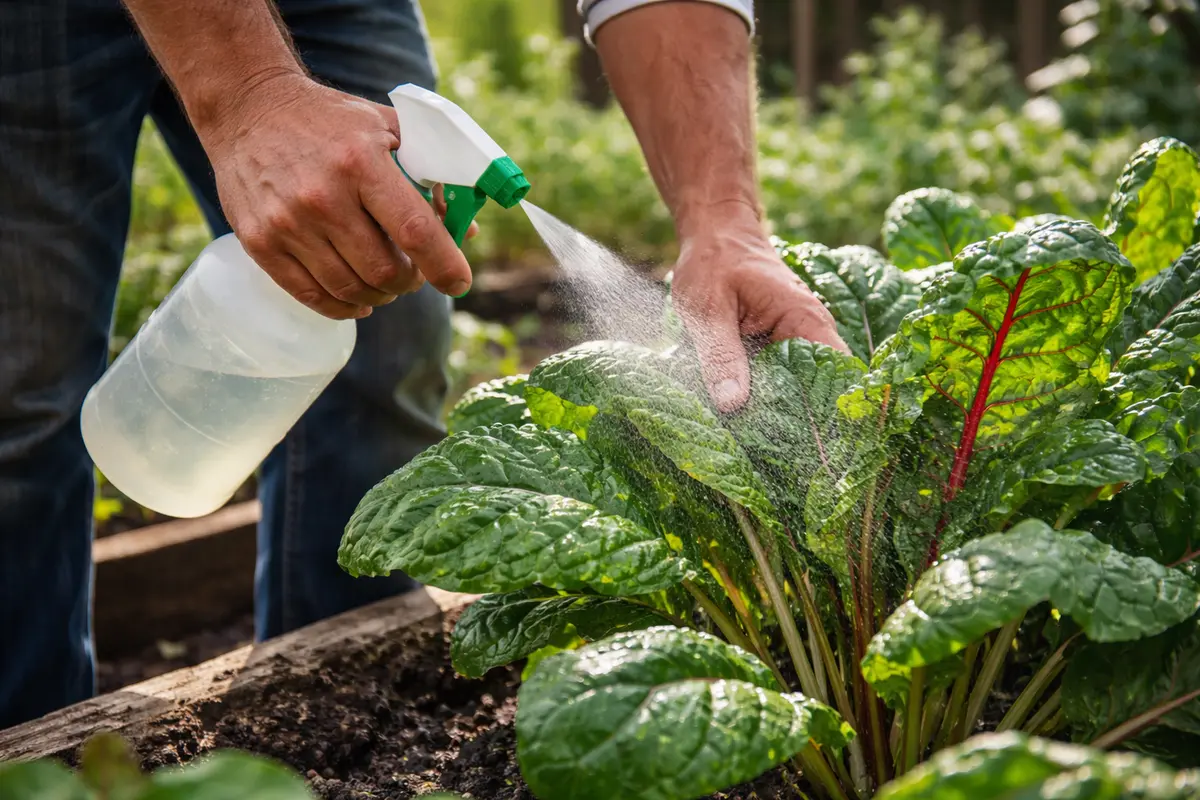
Spray your chard plants thoroughly with insecticidal soap immediately. You will notice the aphids begin to decrease within a few hours, preventing their further multiplication. This swift action targets the aphids directly by suffocating them, providing a crucial first line of defense against the pests. Aim to coat both the upper and lower surfaces of the leaves, as aphids often hide on the undersides, which can make them difficult to eliminate.
Acting fast is essential because ladybugs and other natural predators may not yet be present to handle a burgeoning aphid colony. Insecticidal soap disrupts the protective coating on aphids’ bodies, effectively causing dehydration. If you wait too long, the colony will grow exponentially; a few aphids can turn into hundreds in just a week under favorable conditions. Signs of this infestation are early indicators—you can expect to see a sticky residue or visible clusters of aphids within just a few days after an initial sighting. For instance, if left unobserved for just a week, a single aphid can easily replicate, making it crucial to stay vigilant during early warm months.
Be careful not to apply the soap on a sunny day, as the heat may cause the soap to evaporate before it has time to work. The ideal temperature for application ranges from 15°C to 25°C. Additionally, some gardeners mistakenly believe that applying a lower concentration will suffice; however, the soap must be adequately concentrated (at least 2–5%) to be effective. If the concentration is too weak, aphids might not be sufficiently smothered, giving them a chance to survive and reproduce. In my experience, I’ve found that a thorough coverage of the leaves ensures the best results. If you notice the soap drips before it can coat the leaves effectively, consider adjusting the spray nozzle to a finer mist to promote better adhesion on the foliage surface.
Step 2 – Evaluate Nutrient Levels Affecting Aphid Attraction
Test the soil for nutrient imbalances that may be attracting aphids and correct them as needed. This assessment should involve collecting samples from different areas around the chard plants and sending them to a testing lab if possible. After making corrections, you should see a change in the chard’s vitality and growth rates within three to four weeks as nutrient levels improve. High nitrogen levels, for instance, can encourage dense, succulent foliage—ideal conditions for aphids to thrive. A nitrogen content exceeding 50 ppm can elevate risks of pest issues, causing the plants to seem lush yet stunted.
Nutrient levels directly impact plant health; an imbalance can lead to lush, tender leaves that are more prone to pest infestations. Over-fertilizing with nitrogen-rich products can attract aphids, while a balanced nutrient profile will strengthen the plant’s defenses. Healthy, resilient chard will naturally resist aphids and recover more quickly if they appear. Conversely, if the soil is lacking in key nutrients such as potassium or phosphorus, which are essential for strong root systems and overall plant health, the plants may become weak and further inviting pests. A typical sign of nutrient deficiency is the presence of chlorosis, where leaves start to yellow while the veins remain green. This visual cue indicates that the plant may struggle to combat infestations effectively.
If you notice your soil has a sour smell or is overly dense, consider aerating it and adding organic matter like compost to improve drainage. Aim for a soil pH between 6.0 to 6.8. Conversely, if the soil has too little nitrogen (below 30 ppm), a slow-release fertilizer formulated for leafy greens can bolster growth without the risk of attracting pests. Understanding how to modulate nutrient levels is crucial, as what works for one plant may not for another. Additionally, keep an eye on the timing of fertilizer application; late application can lead to an excess of tender growth right when aphid populations tend to rise. Regular testing every few months during the growing season ensures nutrient levels remain optimal.
Step 3 – Apply Compost to Encourage Healthy Chard Growth
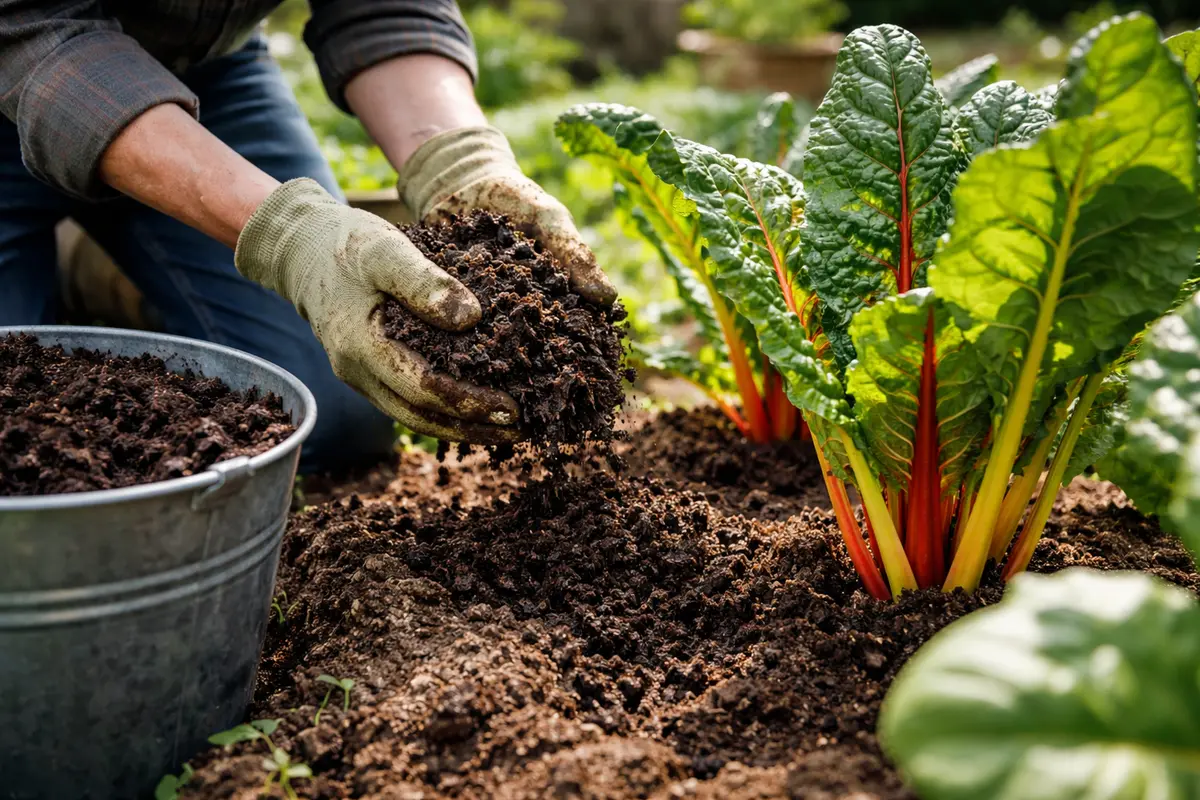
Apply a 2-inch layer of compost around your chard plants. This can be done in a circular pattern around the base of each plant, taking care not to pile it directly against the stems. You will observe improved soil texture and moisture retention, leading to stronger growth and better overall plant health within two weeks. Compost enriches the soil, providing essential nutrients while also enhancing the soil’s ecosystem. A well-balanced compost will not only feed the plants but also improve soil life, which can combat aphid populations effectively.
Healthy plants are less susceptible to aphid infestations, as robust foliage is less appealing to pests. The organic matter in the compost fosters beneficial microorganisms that improve plant resilience and establish a vibrant soil ecosystem. Regularly replenishing compost keeps your garden soil in optimal condition, promoting vigorous plant growth and reducing insect attraction. If you mulch with compost every spring and fall, you’ll probably notice significant improvements in overall health and lower pest prevalence over time, especially when comparing growth rates between treated and untreated areas.
Be cautious not to overapply compost; aim for a volume of about 1 to 2 gallons per plant, as too much can lead to nutrient leaching and imbalance. Over-application often leads to compaction, where nutrients are not accessible to the plants, causing stunted growth. Additionally, avoid applying it directly to the plants’ stems. Apply it to the soil surface and lightly integrate it into the top two inches of the soil to encourage microbial activity while minimizing the risk of rot. During the recovery phase, keep watering consistent but avoid saturating the soil; adjust based on rainfall and soil moisture levels. Check for signs such as new leaf growth and darker green color. If you see yellowing or wilting despite compost application, it may suggest that the soil is either too dense or suffers from compaction that inhibits root access.
Step 4 – Introduce Ladybugs to Deter Aphid Infestation
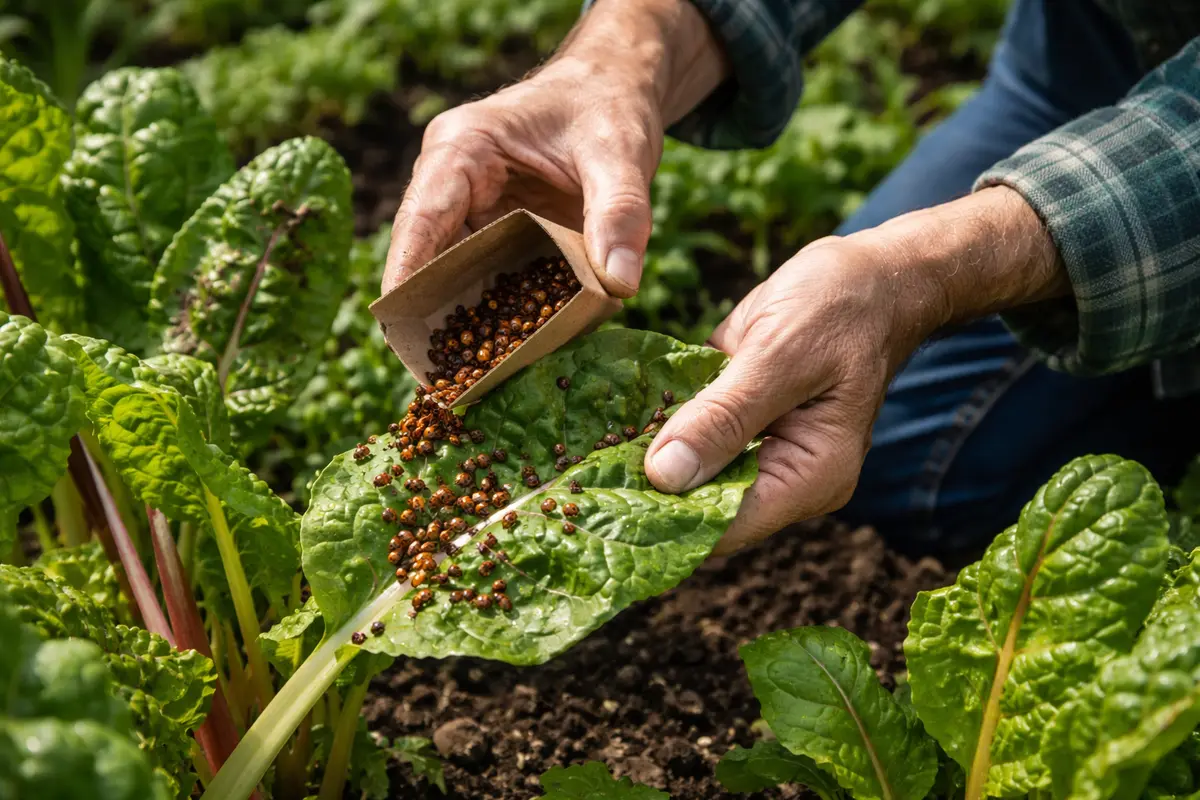
Start by regularly applying a mixture of water and neem oil or insecticidal soap to your chard plants every two weeks. This consistent treatment will deter aphids, preventing their population from exploding and promoting healthier leaf development. If the aphid presence increases despite the treatments, it’s crucial to double-check if the products were adequately mixed and used within their effective periods.
Environmental conditions such as dry weather and crowded plants can trigger aphid infestations. By ensuring that your chard receives adequate moisture and is spaced appropriately, you reduce stress on the plants, which makes them less attractive to these pests. If you observe clusters of aphids, that indicates a stress situation; check for insufficient watering or overcrowding in your garden beds. Even if the plants are adequately watered, if they are too close together without sufficient airflow, humidity can build, creating a perfect environment for aphids to flourish.
As the weather warms in late spring, increase the frequency of your prevention routine by applying treatments every week during peak aphid activity. Additionally, introduce beneficial insects like ladybugs to your garden, which will provide a natural layer of pest control. If you don’t see ladybugs within a few days, check your garden’s habitat or availability of food sources that attract them. For example, having plants like garlic or marigolds around can lure ladybugs into your area.
Ladybugs are effective natural predators of aphids, and creating a hospitable environment encourages their habitation. Planting flowers and herbs that attract ladybugs, such as dill or yarrow, at least 3 to 4 feet away from the chard beds can support their presence in your garden. When ladybugs are part of your garden’s ecosystem, you create a sustainable method of pest control without relying on chemicals. Be mindful that ladybugs tend to be seasonal; introducing them early in the spring when the weather is mild optimizes their survival chances, especially when temperatures hover around 15°C to 20°C. However, it’s important to monitor their activity afterward, as temperatures that rise too quickly can deter them from settling in.
Seasonal changes can impact ladybug populations, so consider introducing them at the start of the growing season. However, a common mistake is not providing sufficient shelter; ensure there are enough native plants nearby for them to rest and reproduce. For instance, creating small shelters using twigs or logs can significantly help. Additionally, improper watering techniques can lead to dry patches in the soil, which may deter ladybugs and limit their effectiveness in controlling aphid numbers. When ladybugs are able to thrive, you’ll create an organic approach to pest management that reduces the likelihood of future infestations. Monitor ladybug activity closely—if you notice their numbers declining, it could mean they’re not finding enough food or shelter, indicating a need for more flowering plants in the vicinity. This vigilance helps maintain a balanced ecosystem in your garden.
Step 5 – Inspect Chard Leaves for Fresh Aphid Activity Weekly
Inspect your chard leaves every week for fresh signs of aphid activity. You should look for signs such as new clusters of tiny green or black insects and sticky residues on the leaves, which indicate honeydew production. Consistent monitoring allows you to catch any resurgence early and take action before they become a larger problem. The earlier you identify an influx of aphids—the ideal is within 48 hours of their appearance—the easier it will be to control them effectively. For example, if you see wilted leaves alongside clusters of aphids, act immediately to prevent further spread.
A fully recovered plant will show vibrant, healthy leaves with no signs of aphids or sticky honeydew residues. Use a magnifying glass if necessary to help discern small egg clusters or larvae hidden on the underside of leaves; paying close attention there can reveal early indicators before they explode into a full infestation. If you notice new aphid colonies, it may indicate that treatment is not yet complete or there is a continuous source feeding them, such as neighboring plants or weeds harboring aphids. Be alert to changes in the plants’ texture; for instance, if leaves turn crinkly or appear distorted, this symptom often indicates an aphid presence.
If aphids return despite previous steps, consider repeating the insecticidal soap treatment, using the same concentration as your initial application, or introducing more ladybugs. If infestations persist, check for underlying issues such as poor soil health or environmental stressors that may make your plants particularly vulnerable. Regularly monitoring, alongside your treatment efforts, keeps your chard healthy and thriving all season. Remember, if you observe sudden leaf curling or wilting in conjunction with aphids, it may indicate more serious infestation issues or environmental stress that requires immediate attention, such as increasing water levels or short-term nutrient amendments. These observations are crucial to ensure that your control methods are effective and timely. Warm, crowded beds sometimes invite stop pests on asparagus before they.
FAQ
How long does it take for ladybugs to control aphid populations?
Ladybugs can begin to noticeably affect aphid populations within a few days of being introduced. However, it may take one to two weeks for their population to significantly reduce the aphids, depending on initial infestation levels and environmental conditions. Continuous support for ladybug populations, such as providing diverse flora for sustenance, can also impact their effectiveness, allowing them to establish themselves and thrive alongside your chard.
Can aphids spread to other vegetables in the garden?
Yes, aphids can easily spread to other plants, especially if your chard is in close proximity to other crops. Regular monitoring and prompt intervention can prevent the spread to neighboring plants, safeguarding your entire garden. If you notice nearby plants developing symptoms such as curling leaves or discoloration, quickly isolate affected specimens to mitigate cross-contamination and evaluate the whole area for aphid presence. Sudden increases in nearby insect activity can signal unchecked populations, necessitating immediate action.
Should I remove affected chard leaves?
Yes, it is advisable to remove leaves heavily infested with aphids to prevent the pests from spreading further. Clip and discard these leaves to reduce the aphid population while allowing healthier parts of the plant to flourish. On the other hand, if only minor activity is detected, applying targeted treatments may suffice without removing leaves entirely. Assess the severity; remove any leaf exhibiting substantial curl or sticky residue to minimize reinfestation. Additionally, dispose of the removed leaves appropriately; don’t compost them, as this could allow aphids to re-enter your garden system.