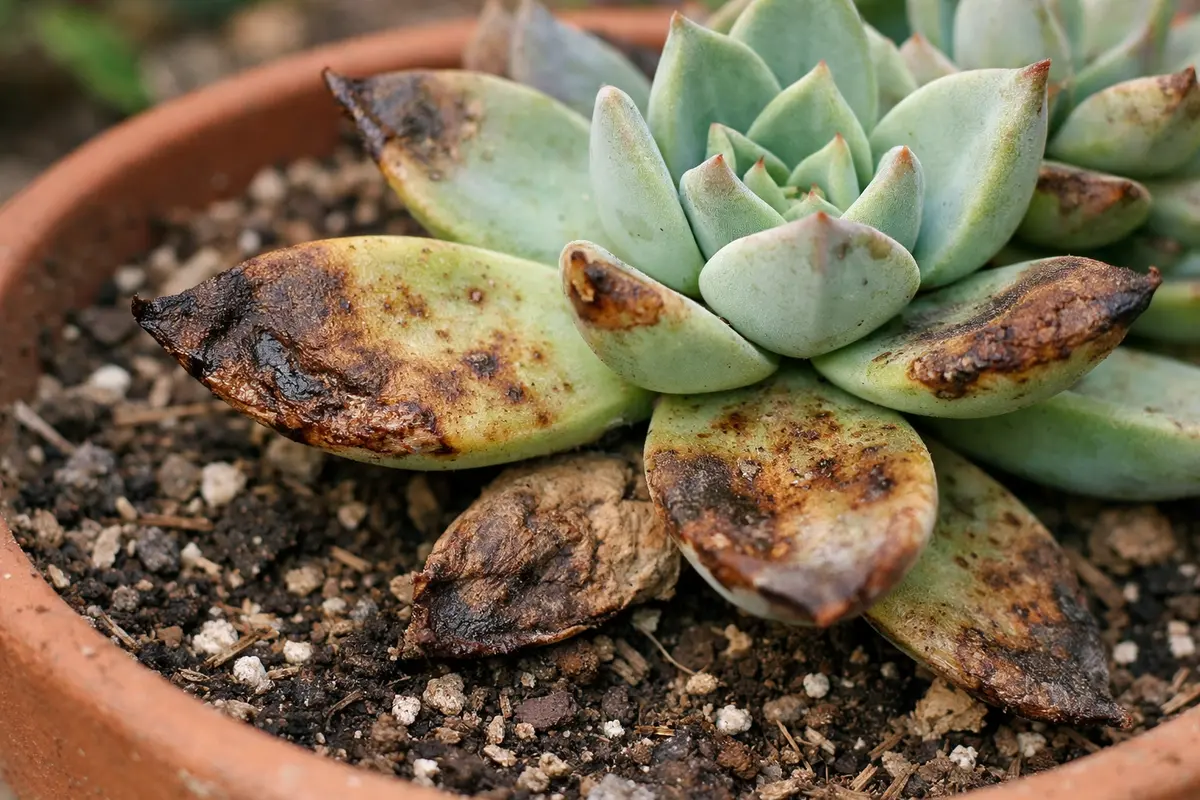
You may notice your indoor succulents showing distress when their leaves start turning brown in pots during periods of excessive heat or low humidity, which is why you need to know about treating indoor succulent leaves turning brown in pots. This browning is often a sign of damage due to insufficient water or light, leading to wilting and, in some cases, leaf drop. If this issue is ignored, it can spread and weaken the plant, making it harder to fix later; however, addressing it now is possible if you inspect your plants closely and adjust their care routine accordingly.
Step 1 – Inspect Succulent Leaves for Browning Signs
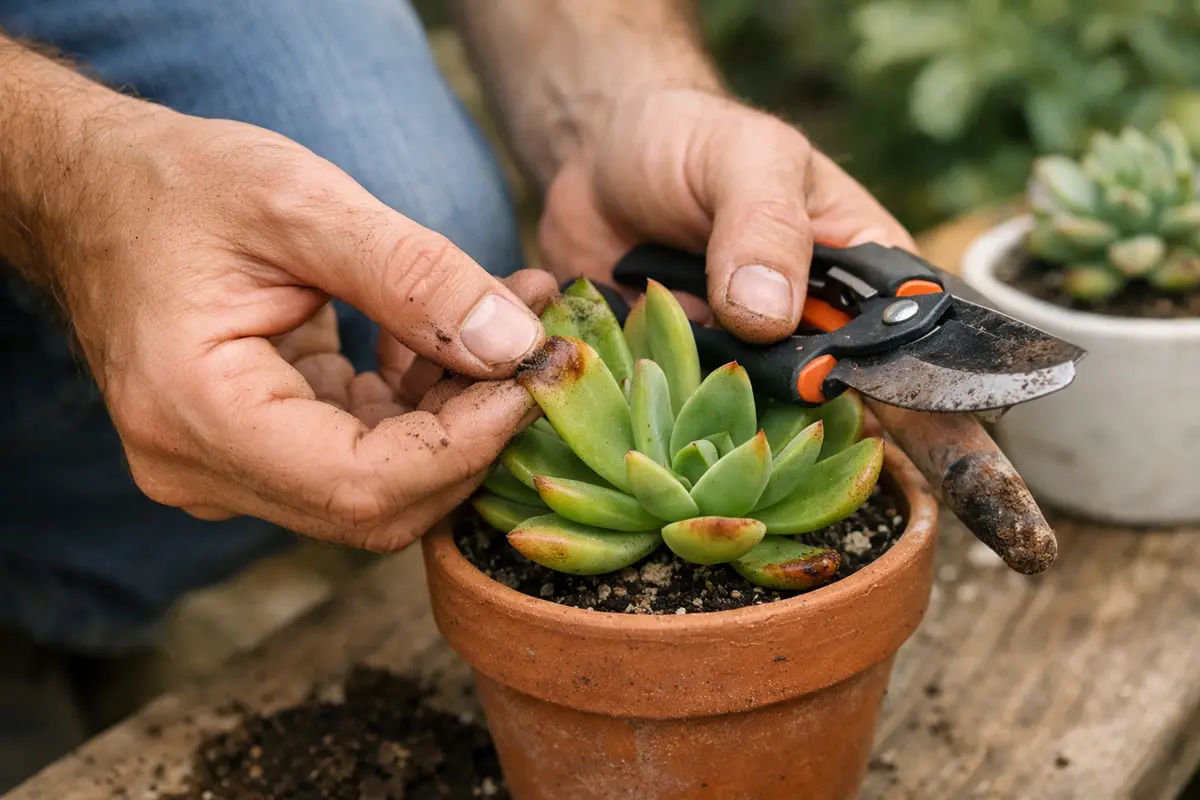
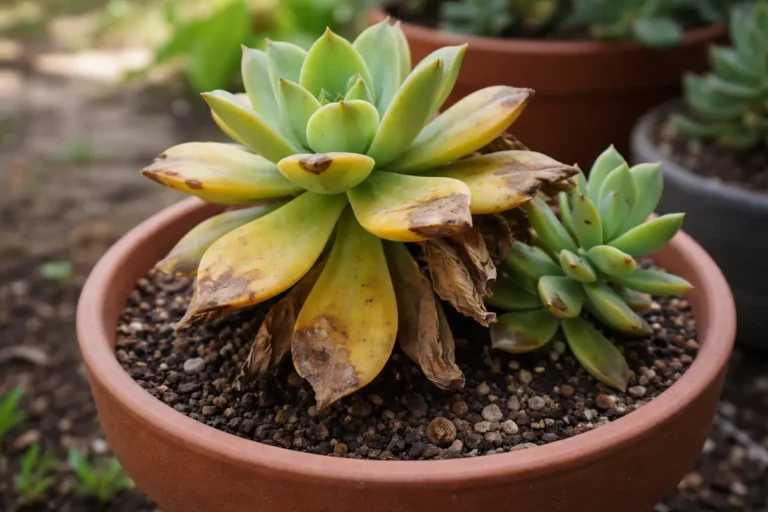
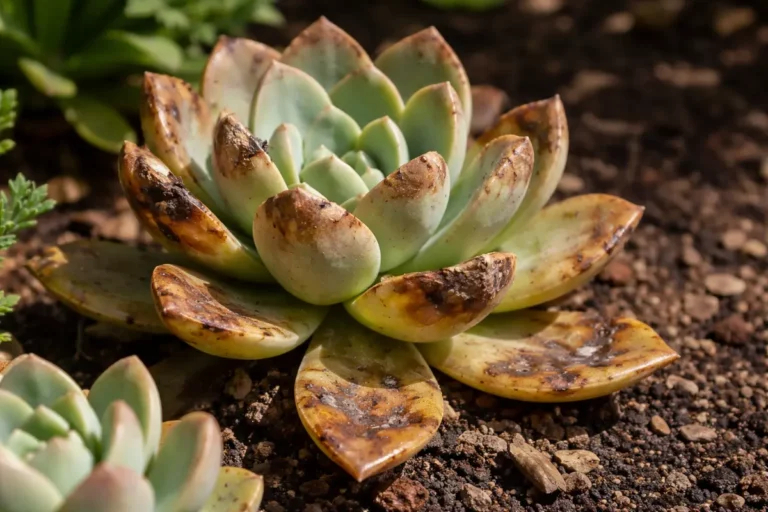
Start by closely examining the leaves of your succulent for any browning, wilting, or drooping. Look for signs such as discoloration, where leaves that should be vibrant green start appearing darker at the edges. This inspection should be done as soon as you notice browning since the leaves will appear darker or begin to shrivel within a day or so. This initial assessment is crucial to determine the severity of the issue and which corrective measures to take next. Cracked or blistered leaves can also be a symptom of stress, revealing that environmental conditions are not suitable for the plant.
Identifying early signs of distress in your succulent allows for timely interventions. Browning can occur due to dehydration, which starves the plant of essential nutrients or as a response to excess moisture, leading to root rot. Checking the entire plant, including the base of the leaves, is essential to uncover hidden issues. If browning primarily affects the tips, it might indicate underwatering; however, if the base of the leaves appears discolored, root health issues or overwatering may be the cause. If the plant is allowed to remain in this distressed state, it can lead to leaf drop and overall health decline.
A common mistake gardeners make during this stage is overlooking subtle signs of distress, assuming the plant is simply in a resting phase. Pay close attention if the browning is widespread across leaves; this indicates a more systemic issue requiring immediate attention. If you find that only a couple of leaves are affected, it might be a localized problem that can be treated swiftly. Keeping a regular inspection schedule, at least once a week, can help catch issues before they escalate. You may want to document your observations to note patterns or recurring symptoms for better management.
Step 2 – Diagnose Overwatering Issues in Succulent Pots
First, check the soil moisture level by inserting a finger about an inch deep. If the soil feels dry at this depth, water the plant thoroughly until water drains out of the bottom, ensuring that the succulent receives adequate hydration. Within a few days, the leaves should regain some turgor and show less browning, indicating improved conditions. It’s important to monitor the progress by checking the soil’s dryness regularly to prevent over-correcting the moisture levels.
Brown leaves often indicate either underwatering, where the plant is unable to access sufficient moisture, or overwatering, leading to root rot. In the case of underwatering, the leaves lose water faster than the plant can absorb it, causing them to become wrinkled and brown. Conversely, overwatering leads to a saturated root zone, triggering fungal growth that interrupts nutrient uptake, which may also result in browning leaves. You can also observe the solidity of the leaves; healthy ones should feel firm, whereas soft or mushy leaves typically indicate rot.
If the soil smells sour, indicating root rot, remove the plant from its pot, trim any blackened roots, and repot it in fresh, well-draining soil. Check that at least 50% of the root structure remains intact. Alternatively, if the browning is localized to leaf tips, check for underwatering first, as this may suggest sporadic moisture delivery rather than a systemic issue. Also, inspect for any mold present in the soil, as this can signal excess moisture and indicate a need for improved drainage practices.
Overwatering disrupts the root system, inhibiting the plant’s ability to take up water and nutrients. If the roots are constantly sitting in damp soil, they will not only struggle to breathe but may also begin to decay, which manifests as browning leaves. Identifying the smell of decaying roots is a critical warning sign. The roots may become mushy and start to break apart; without intervention, the plant can rapidly decline. Take care to gently handle the roots during inspection to avoid further damage, as healthy roots can be fragile. If you consistently observe that browning is associated with excessive moisture, you may need to adjust your watering schedule significantly.
Step 3 – Adjust Lighting Conditions for Succulent Recovery
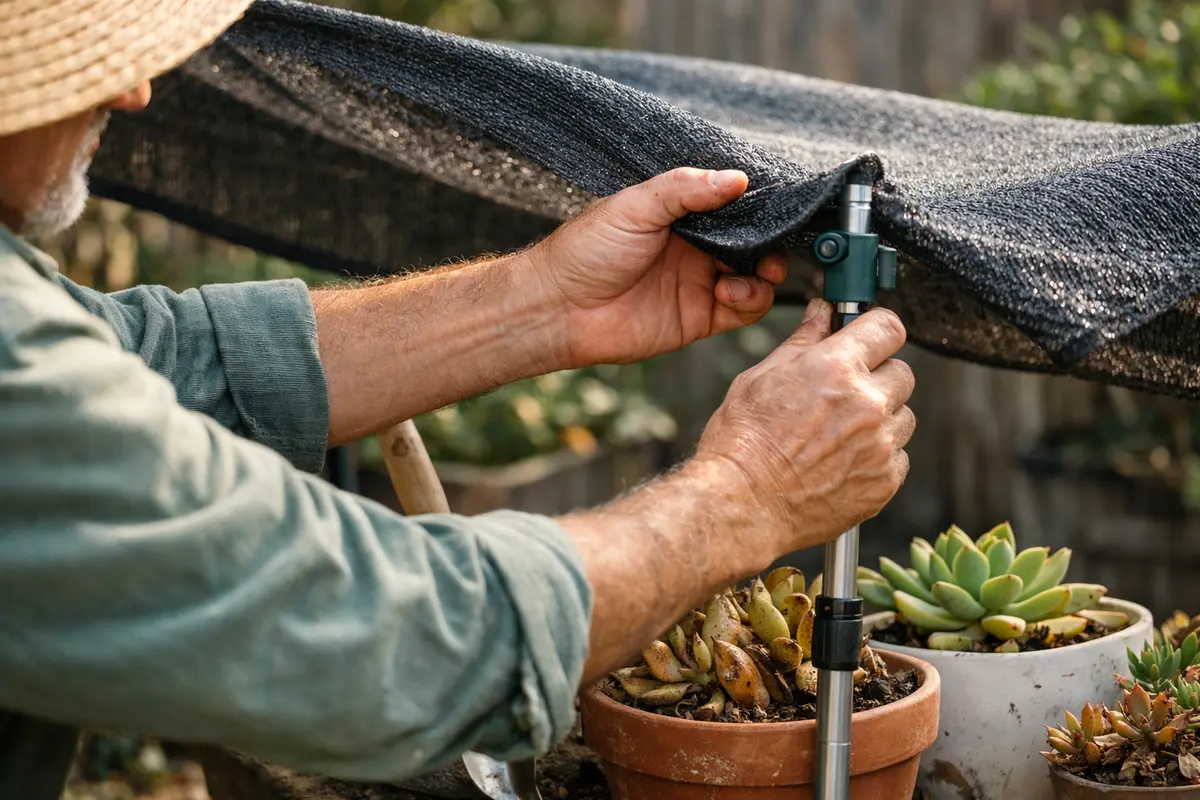
Change the succulent’s placement to a brighter area with indirect sunlight. New growth can typically be expected within a few days if light conditions are improved. Monitor your plant for changes; you should observe improved leaf texture and color as it adjusts to the new light levels. This placement is crucial, as many succulents thrive best in environments that mimic their natural habitats, which often feature bright, filtered light. However, it’s important not to shock the plant with too much direct sunlight initially.
Many indoor succulents thrive best in bright but indirect sunlight, generally needing 6 to 8 hours daily. This exposure allows for essential photosynthesis to occur, converting light into the energy needed for growth. If the plant previously suffered from inadequate lighting, it may take several days to weeks to see significant changes. If you notice the leaves are stretching towards the light source, this may indicate that the plant is not receiving enough light and requires increased exposure. As the plant absorbs more light, you can expect the browning areas to gradually fade and fresh growth to emerge.
One common mistake during recovery is moving a plant from low light to direct sunlight too quickly, which can scorch the leaves. To avoid this, implement a gradual acclimatization process, enhancing sunlight exposure over several days. If you notice limp leaves or developing sunburn, it indicates too much direct sun exposure; revert the plant to a shadier spot temporarily until it adjusts. Conversely, if browning progresses despite adequate light, it may signal an unrelated issue meriting further investigation. Additionally, monitor the moisture levels since increased light often leads to faster evaporation, requiring more frequent watering.
Step 4 – Water Succulents Correctly to Prevent Brown Leaves
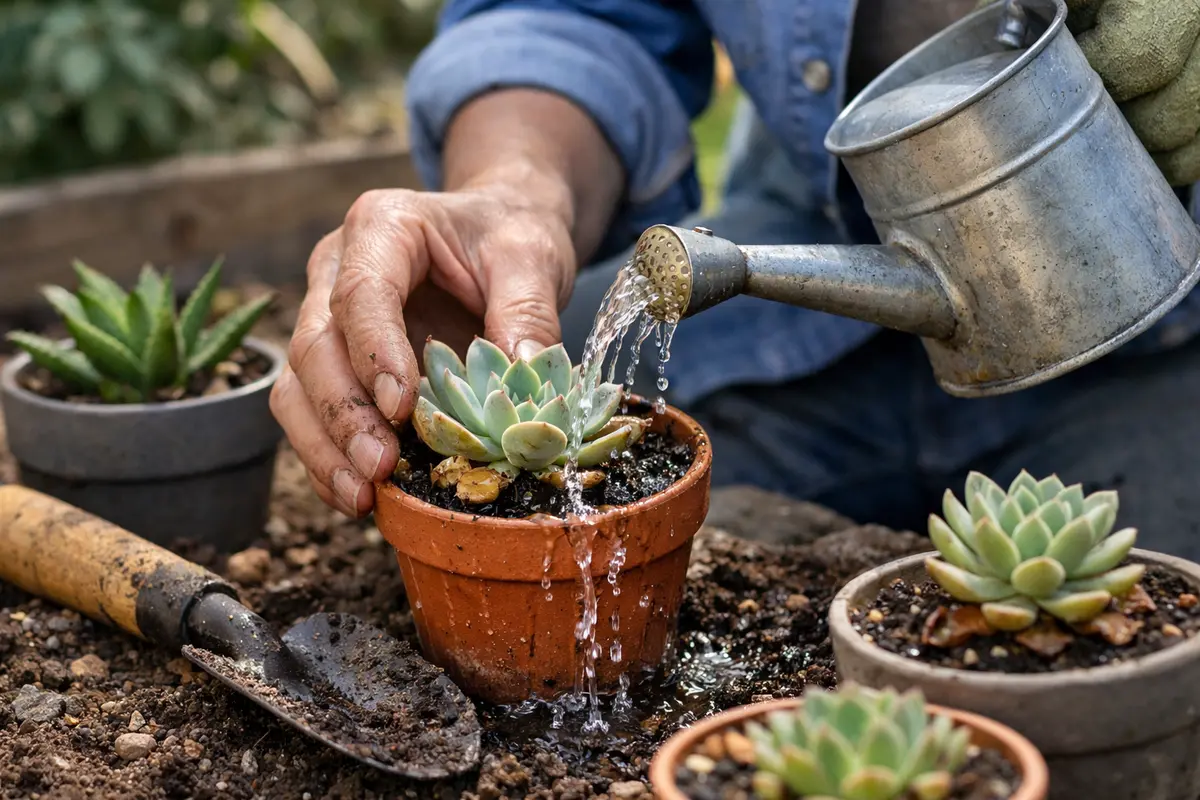
Water the succulent deeply but infrequently to establish a sustainable watering routine. Aim to water once the top inch of soil is thoroughly dry, allowing the soil to fully dry out before the next watering. Once you do this, watch for the soil to visibly darken as it absorbs the water, and check that the leaves feel plump and firm two days later. This approach will lock in the proper moisture balance needed for recovery. Regular deep watering, instead of superficial misting, allows the roots to seek moisture deeper in the pot.
Consistent watering routines help prevent conditions leading to browning leaves. Be conscious of typical watering intervals; for most indoor varieties, every 2-3 weeks is generally sufficient. This implies that you should assess the soil each time before watering to avoid unnecessary saturation. By establishing this habit, you minimize stress on the roots, allowing for good nutrient uptake while also reducing the chances of root rot. Ensure that pots always have sufficient drainage holes to avoid sitting water, as this directly impacts root health.
A seasonal change in watering frequency can help, too. For instance, during the growing season in spring and summer, water needs may increase slightly due to higher evaporation rates, while in the cooler fall and winter months, reduce the frequency to prevent waterlogging. If your home experiences high humidity levels, wait longer between waterings, as moisture retention in the air can lead to oversaturation in the soil. If left unattended, your succulent can be stressed unnecessarily; use moisture meters to track soil conditions more accurately, ensuring the ideal watering regimen is maintained.
Step 5 – Check Succulent Soil Dryness After Treatment
Recheck the soil’s moisture levels every few days to verify it is drying out correctly after treatment. Ideally, you should observe a consistent dry layer of soil near the surface within a few days after watering, indicating proper moisture levels. On successful recovery, the leaves should firm up and regain their original coloration. By inspecting the soil’s top layer, you can get a good indication of when it is time to water again or when to avoid watering altogether.
Monitor the plant regularly over the following weeks, ideally rechecking every 2-3 days to assess changes. A fully recovered succulent should exhibit plump leaves and vibrant green colors, demonstrating no signs of further stress. If browning reappears or new symptoms arise, that indicates underlying issues needing further addressing, such as inadequate drainage or inconsistent watering habits. Should you discover moisture retention in the soil over several checks, consider changing the potting mix or potting container to one with better drainage capabilities.
If the browning persists despite following proper care, inspect the plant closely for pests or diseases impacting its health. Certain pests, like mealybugs or spider mites, can mimic overwatering symptoms while actually causing stress through sap depletion. Take immediate action when pests are observed by either isolating the plant or introducing natural insecticidal soaps. Fungal infections can also overwhelm plants, leading to a decline in their health that appears similar to root rot. If roots are still healthy after you’ve addressed moisture levels, but browning continues, consider repotting into dry soil mixed with a fungicide to manage unseen fungal threats, which will help to prevent recurrence.
FAQ
Why are my succulent leaves turning brown after watering?
Brown leaves after watering often indicate overwatering or poor drainage. If the soil remains soggy for extended periods, the roots can rot, leading to browning symptoms. Checking roots for rot and adjusting your watering schedule is essential for recovery. If root failure occurs without intervention, it can lead to complete plant loss.
How long does it take for succulents to recover from browning leaves?
Typically, succulents can show signs of recovery within a week if water and light conditions are well managed. Look for plump leaves and new growth as indicators of health restoration after implementing proper care. If no improvement occurs within two weeks, further investigation into other environmental factors or treatment options is needed. Factors like temperature fluctuations or moisture inconsistency can significantly impact the recovery process, so be patient and attentive to changes.
Should I remove brown leaves from my succulent?
Yes, removing brown or damaged leaves is advisable to help the plant focus its energy on healthier growth. Use clean, sharp scissors to trim away any affected foliage, ensuring you cut at the base of the leaf to avoid damage to the stem. This practice will also improve airflow around the plant and help reduce potential disease spread, especially in dense and humid environments. Furthermore, regular pruning of dead or brown leaves can also enhance the overall appearance of your succulent, promoting a vigorous and healthy look.