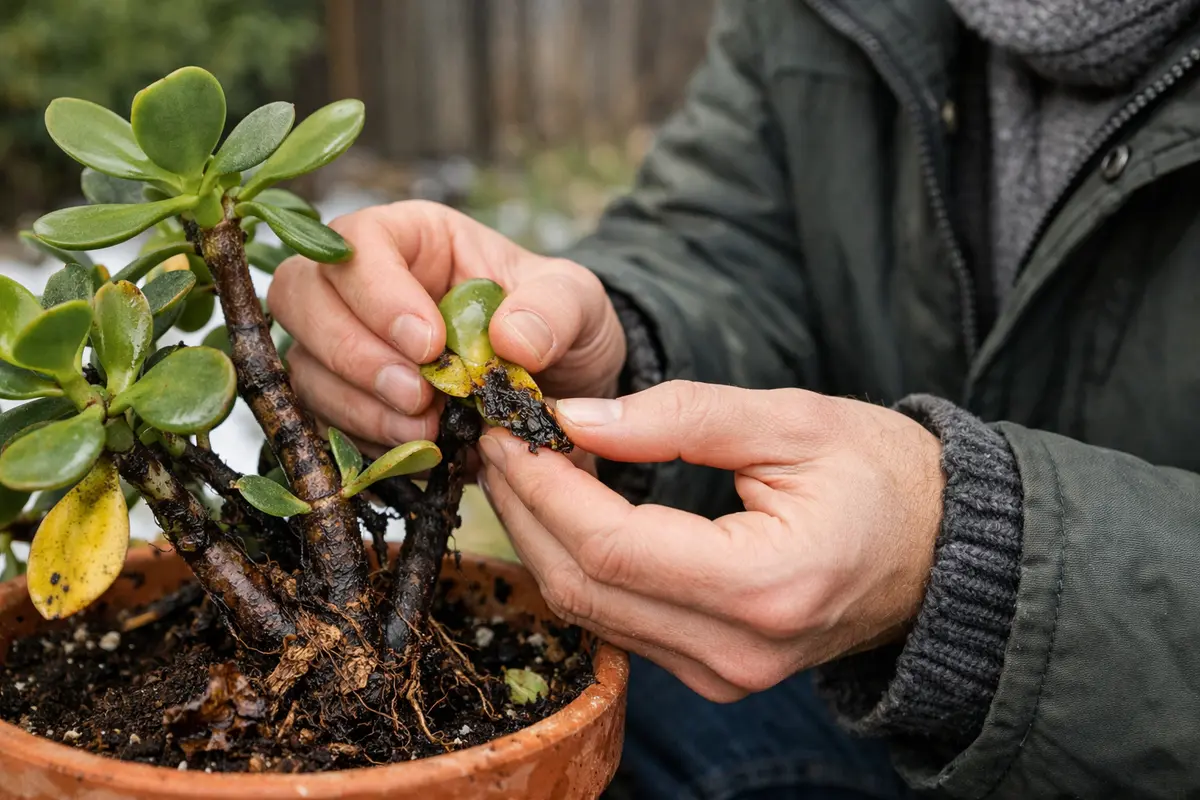
You may notice your jade plant showing signs of distress during winter, such as wilting leaves and a mushy stem, which is why you need to know how to fix root rot in jade plant during winter. This condition typically arises from overwatering, leading to yellowing leaves and root damage. If left untreated, the problem gets worse and can spread, ultimately weakening the plant. Fortunately, you can fix it now by inspecting the roots, reducing moisture, and adjusting your care routine.
Step 1 – Remove Rotting Roots from Jade Plant
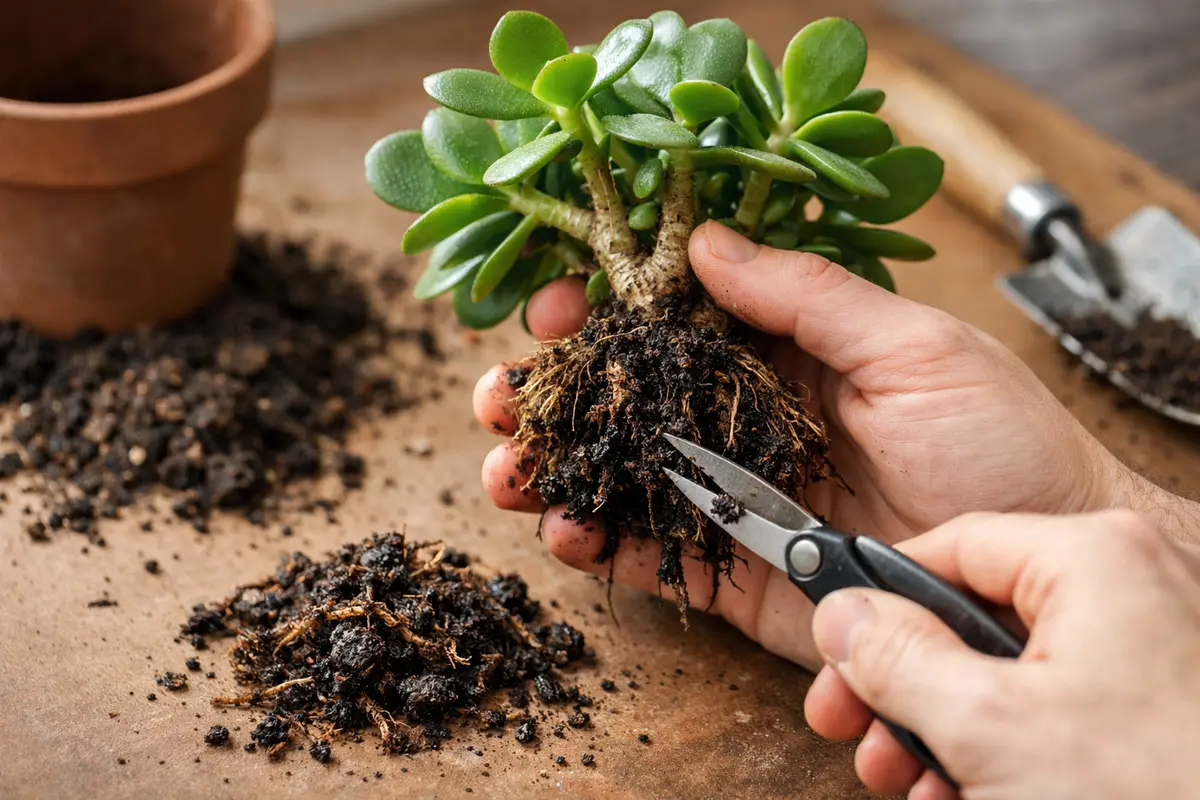
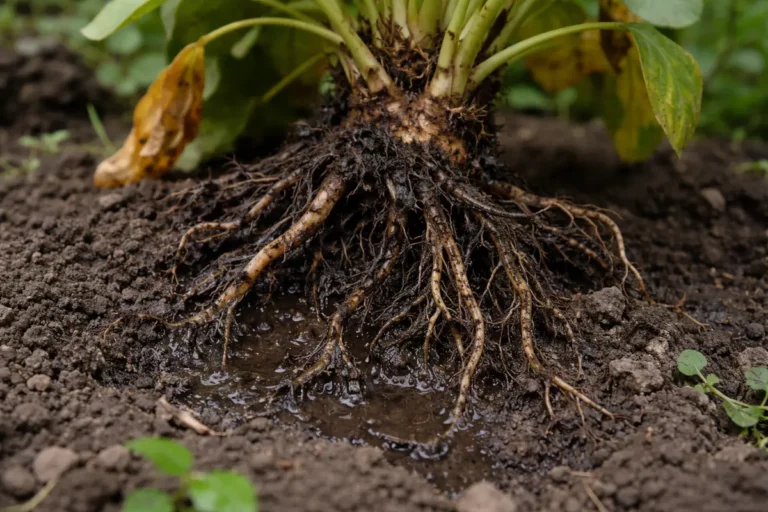
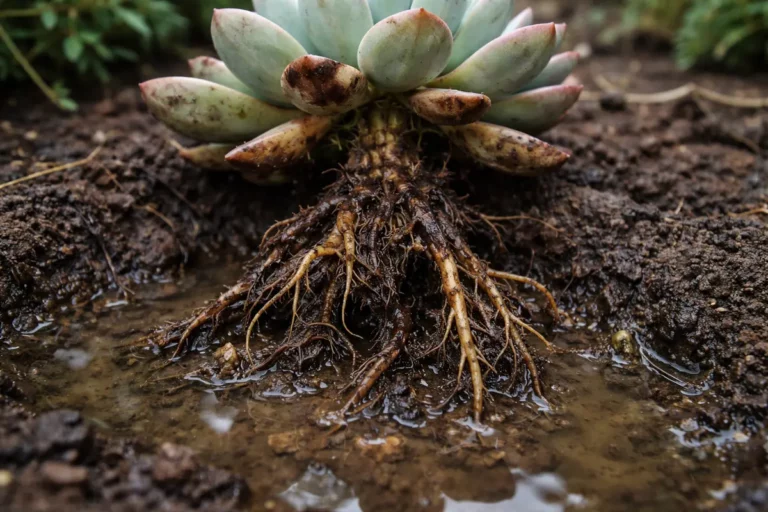
Start by carefully removing the jade plant from its pot to inspect the roots. You will notice which roots are firm and healthy while others may appear brownish and mushy. Remove all affected sections at this stage, cutting back to healthy tissue to promote recovery. Be prepared for this process to take about 10 to 15 minutes, as thorough observation of each root is critical.
Acting quickly is vital because the longer rotting roots remain in the soil, the more fungal pathogens can spread to healthy tissue. Fresh cut roots, when exposed to air, can form calluses over time, allowing healthy roots to thrive once the plant is replanted. You should expect to see reduced mushiness in the stem and slight firmness return in the remaining roots as you make the cuts. Immediate intervention helps halt the problem from worsening, ensuring the jade plant stands a better chance of survival. Consistent exposure to light can also encourage healthy regrowth as the plant heals.
A common mistake is to not inspect enough of the root system; sometimes, the rot can extend deeper than expected and be lurking near the base of the stem, making it even harder to detect at first glance. If you skip this thorough examination, you risk leaving behind decaying roots that can lead to recurring issues. Mishandling this first step can result in greater damage down the line. During winter months, quick root inspection and removal are even more crucial due to the plant’s natural dormancy, which slows recovery. Ensure that you have a sharp, sterilized tool, such as pruning shears, to make clean cuts and reduce the risk of further infection.
Step 2 – Diagnose Overwatering for Jade Plant Issues
Check the soil moisture levels to identify signs of overwatering. If the soil feels overly saturated and emits a sour odor, it’s a clear indication of poor drainage and root rot. To gauge moisture successfully, insert a finger about two inches deep into the soil. If that soil feels wet, it’s time to take corrective action instead of purely observing the plant’s appearance. Using a moisture meter can also assist in providing a clearer measurement of saturation levels. Excess moisture often leads to problems like root rot in indoor succulent.
Understanding how overwatering affects jade plants is critical. Their thick, succulent leaves store water, and when the roots are soaked in excessively wet soil, they cannot absorb moisture or nutrients effectively. As a result, the jade plant’s leaves start yellowing due to oxygen deprivation and nutrient deficiency, which can be visually frustrating. Make a note to regularly monitor the soil until it feels dry at the top inch to avoid prolonged issues. This will enable your plant to recover its vigor as its root system stabilizes.
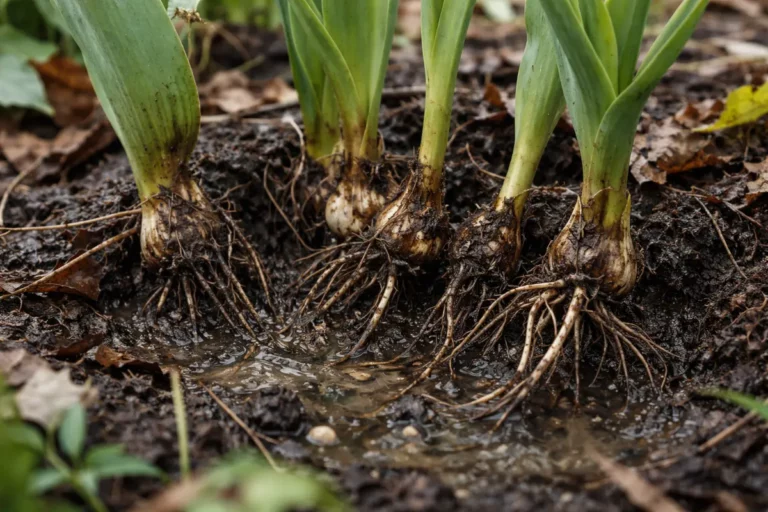
If you notice a sour smell emanating from the soil, it’s a sign that anaerobic bacteria are present, leading to further decay of the root system. If the soil is muddy and does not show signs of drying out, consider changing to a more porous potting mix to improve drainage. Switching to a mix that incorporates grit and sand can actually aid in preventing water retention. Remember, jade plants thrive on neglect in terms of watering, so avoid keeping the soil consistently moist. If the plant is in a decorative outer pot without drainage holes, you may want to reconsider your potting method altogether. A common mistake during this diagnosis process is assuming that the frequency of watering is the sole issue; poor drainage can also stem from compacted soil or inappropriate pot size, making it essential to assess this aspect as well.
Step 3 – Repot Jade Plant to Encourage Recovery
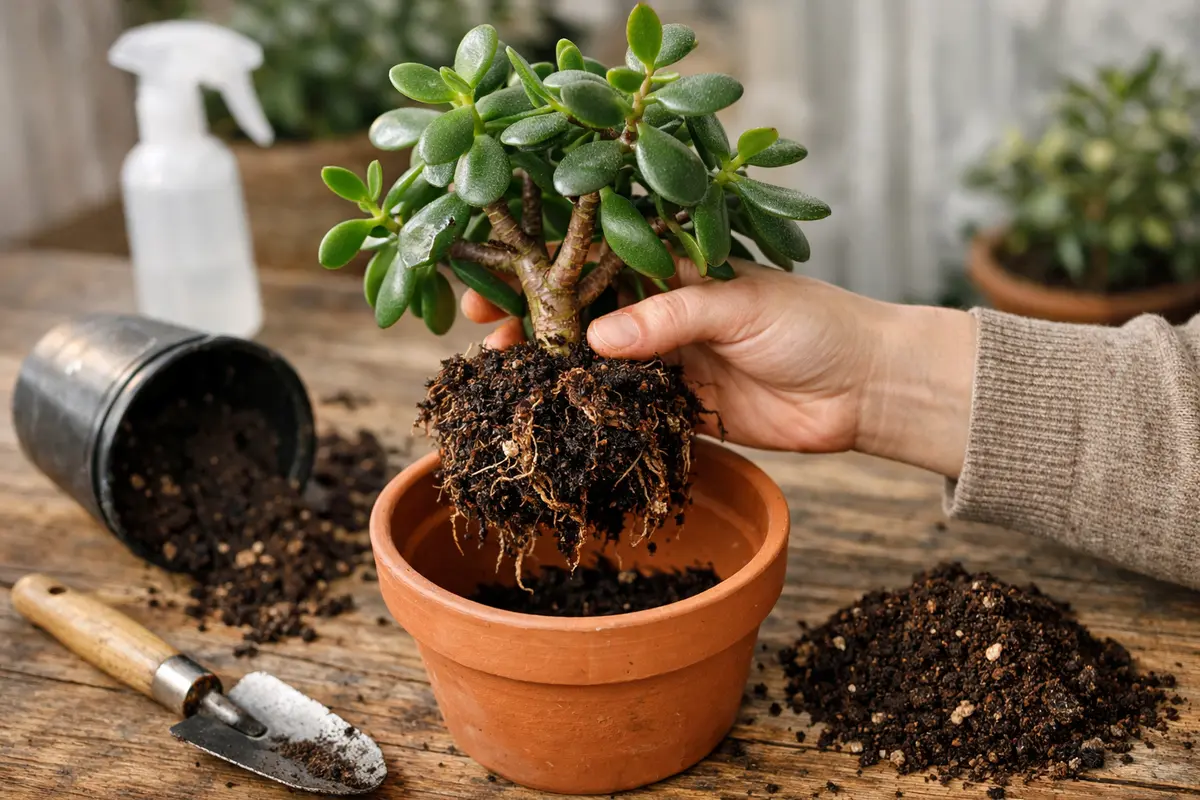
Start by repotting your jade plant in fresh, well-draining soil and a container with drainage holes. Ensure the roots are spread out and not tightly bound; this promotes airflow and prevents further rot. Within a few weeks, look for new leaf growth and a firmer root system, indicating that recovery is underway.
Recovery from root rot can take several weeks to months, depending on how severely the plant was affected. Ideally, wait until you see the jade plant producing new leaves and stems, which suggests it’s adapting to its environment. Conditions like bright, indirect sunlight and slightly higher humidity can hasten recovery, whereas low light and overly dry air may slow it down. If the leaves turn yellow and drop off, check the watering schedule to ensure it aligns with the plant’s needs. Excess moisture often leads to problems like root rot in potato plants.
Avoid the mistake of overwatering or using excessive fertilizer during recovery, as this can lead to more stress on the plant. Ensure that the soil remains dry between waterings, and only fertilize once new growth is observed. If not drying out quickly enough, check for compacted soil or the pot size to aid better drainage.
Realistically, recovery from root rot can take several weeks to a few months. During this time, you should notice fresh growth emerging from healthy roots, which indicates the plant is stabilizing. Factors such as adequate sunlight and maintaining dry soil between waterings can accelerate recovery, while cold temperatures and excessive moisture may hinder regrowth.
A mistake to avoid during recovery is overwatering, which can lead to further root issues. Overcompensating with too much fertilizer can shock the plant; instead, focus on nurturing it with minimal nutrients until new growth is established. If you see wilting leaves despite dry soil, check the root system for signs of further damage.
This step is crucial as it mitigates the poor conditions previously experienced by the roots. A specialized mix typically contains materials like perlite or pumice, aiding in moisture control and improving drainage. You’ll want to ensure that the new pot has adequate drainage holes to allow excess water to escape. Encouraging root health is essential, especially during winter when jade plants are more susceptible to stress caused by colder conditions. Additionally, consider selecting a pot that is slightly larger than the previous one to give the roots room to spread.
Be cautious not to overwater immediately after repotting; allow the soil to dry out completely before resuming a watering schedule. If you water too soon, the fresh soil may become compacted, impeding oxygen flow to recovering roots. A common mistake is equating “new soil” with “more water,” which can undo the progress made. Recovery often takes longer during the colder months, so make a note of environmental factors like humidity and temperature to optimize conditions further. If no new growth is visible after about four weeks, it may be time to re-evaluate the potting mix or check the roots again for signs of recurring rot. Observing changes in soil texture can also indicate whether it holds too much moisture or dries out too quickly. When feeding is off, expect signs such as yellowing leaves peace lily.
Step 4 – Avoid Excess Watering in Winter for Jade
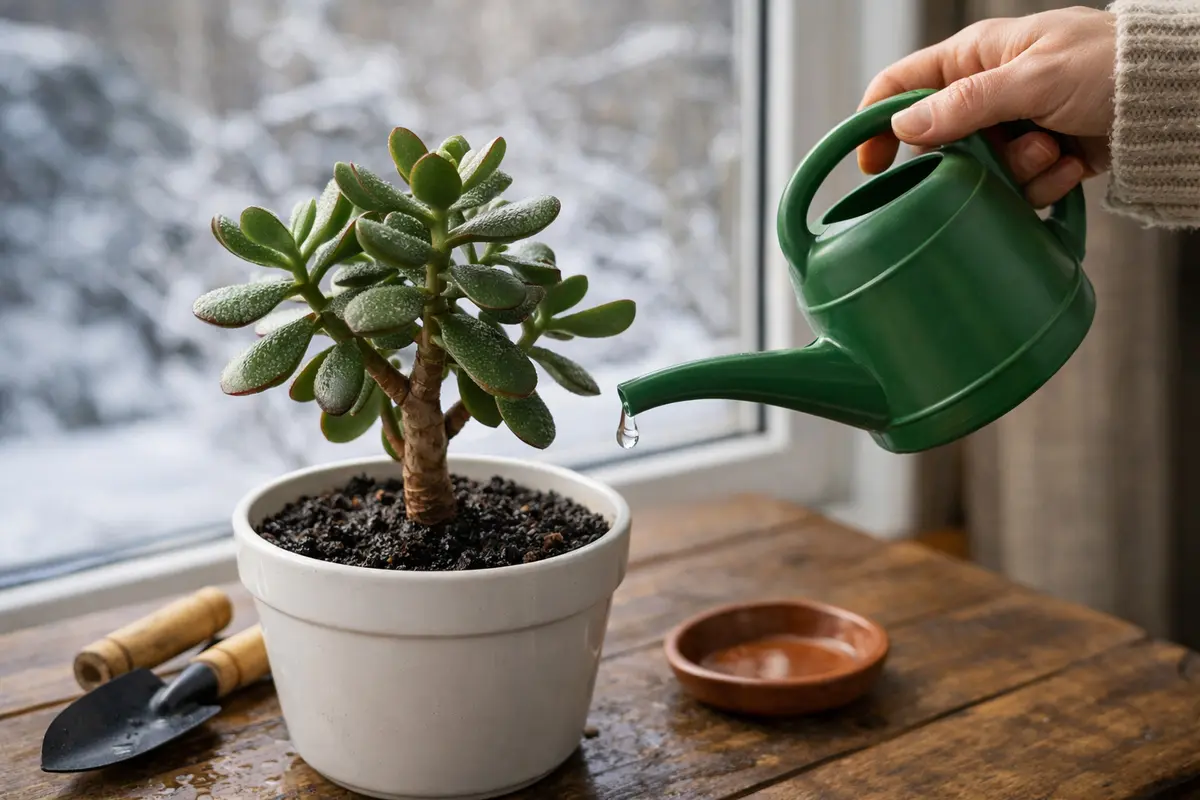
Start by reducing the watering frequency of your jade plant during winter to once every three to four weeks. This adjustment will help prevent excess moisture in the soil, allowing the roots to breathe and decreasing the likelihood of root rot.
Cold winter temperatures paired with high humidity levels can create an environment where root rot thrives. By limiting watering, you address the root cause of the problem: stagnant, overly wet soil. If your jade plant shows signs of yellowing leaves, it indicates too much water; if the leaves are shriveled, it might signal underwatering instead. When feeding is off, expect signs such as yellow leaves eggplant drought.
In the winter months, consider using a well-draining potting mix that incorporates perlite or sand to further enhance drainage. If you notice your jade plant’s roots are still susceptible despite your careful watering routine, check the potsize; if it’s too small, it may retain water too effectively leading back to root rot.
During winter, jade plants enter a dormant phase, requiring significantly less water than in the growing season. This transition can sometimes catch even experienced gardeners off-guard when they mistakenly continue their summer watering schedule. Overwatering can easily occur if you’re not mindful of seasonal changes, and keeping to a consistent schedule will help prevent recurrence. Establishing these new habits will lead to a healthier jade plant while reducing the likelihood of root rot returning. If the soil remains dry or excessively moist for too long, even this adjusted watering can become ineffective. Mark your calendar for watering sessions to avoid last-minute guesswork, especially since signs of dehydration can sometimes be mistaken for overwatering stress.
To further prevent issues, consider using pots with drainage holes and placing them in bright, indirect light, which helps the soil dry out more effectively. If temperatures drop severely inside, moisture evaporates more slowly, making it essential to adjust your routine accordingly by checking soil moisture often. Using a hygrometer can further guide your watering schedule by indicating humidity levels that affect soil drying time. If you notice any signs of root rot returning, such as yellowing leaves or soggy soil, reduce watering frequency further and consider an immediate re-inspection of the roots. Trusting your observation skills is critical; if you’re unsure of the plant’s current condition based on inconsistent visual cues, err on the side of caution and hold back on watering. In poor drainage conditions, plants may also develop root rot in potted cacti.
Step 5 – Check Jade Leaves for New Signs of Rot
Inspect the leaves and soil moisture every 2-3 days for the next week. Look for signs of improvement like firming leaf structures and no new yellowing as indicators of successful recovery. Establishing this monitoring routine is critical to catching any possible resurgence of root rot early. If leaves begin to soften or turn dark, it’s time to take action. Maintaining a consistent inspection schedule enables better awareness of the plant’s conditions and early detection of any potential issues.
A completely recovered jade plant will exhibit bright green, firm leaves and healthy growth patterns. In contrast, early signs of returning rot may include softening leaves, discoloration, or a musty smell from the soil. Observing these indicators will enable you to respond promptly should issues arise again, allowing corrective measures to initiate as soon as possible. If your plant shows small signs of stress, take those seriously before they develop into larger issues. Additionally, ensure that your watering log reflects these observations and any changes in care to help you troubleshoot future problems.
If you encounter additional signs of damage despite taking corrective measures, consider repotting again or consulting with a gardening expert about infestation or soil conditions. Make sure to check your identification of the problem—if it seems not just confined to root rot but could also be due to pests or another underlying issue, act accordingly. Watch for pests such as mealybugs or spider mites, which frequently show their own distinct signs, such as webbing or sticky residue on affected leaves. Do not hesitate to act quickly on fresh signs; prolonged exposure to an unsuitable environment may lead to permanent damage or the plant’s death. Effective monitoring and decisive action are key factors in ensuring the plant’s vitality moving forward.
FAQ
How long does it take for a jade plant to recover from root rot?
Recovery can take several weeks to a few months, depending on the severity of the rot and the care taken afterward. Look for signs of new growth within a month to gauge progress in recovery. If after two months you see no changes, further investigation into root health may be warranted, and it might be beneficial to consult with a specialist about potential underlying issues that could be prolonging recovery.
Can root rot spread to other plants?
Yes, root rot can spread to other plants, especially if they are in the same soil or container. It’s crucial to isolate affected plants and manage the soil conditions to prevent further spread. If you’ve noticed root rot in one plant, it’s advisable to quarantine it until you can be sure the conditions are rectified. Additionally, consider changing the soil for other plants in the same vicinity to ensure that hidden spores do not infect them.
Should I remove more leaves if the rot returns?
If you notice return symptoms of rot, definitely remove any additional affected leaves or stems to help preserve the overall health of the plant. This helps redirect energy toward healing the remaining healthy portions. Every removed leaf should help in conserving resources for the overall health and recovery of the plant. Moreover, cleaning any cutting tools thoroughly after each use can help prevent cross-contamination between plants that could exacerbate existing issues.