
You may notice your broccoli plants wilting after transplant in sun, a clear sign that you need to know about fixing wilting broccoli plants after transplant in sun. This wilting often occurs due to heat stress or insufficient moisture, leading to drooping leaves and overall decline. If ignored, this stress can weaken the plant and lead to more damage, but fixing it is possible now by adjusting your watering practices and providing some shade to ease the recovery process.
Step 1 – Water Wilting Broccoli Plants Immediately
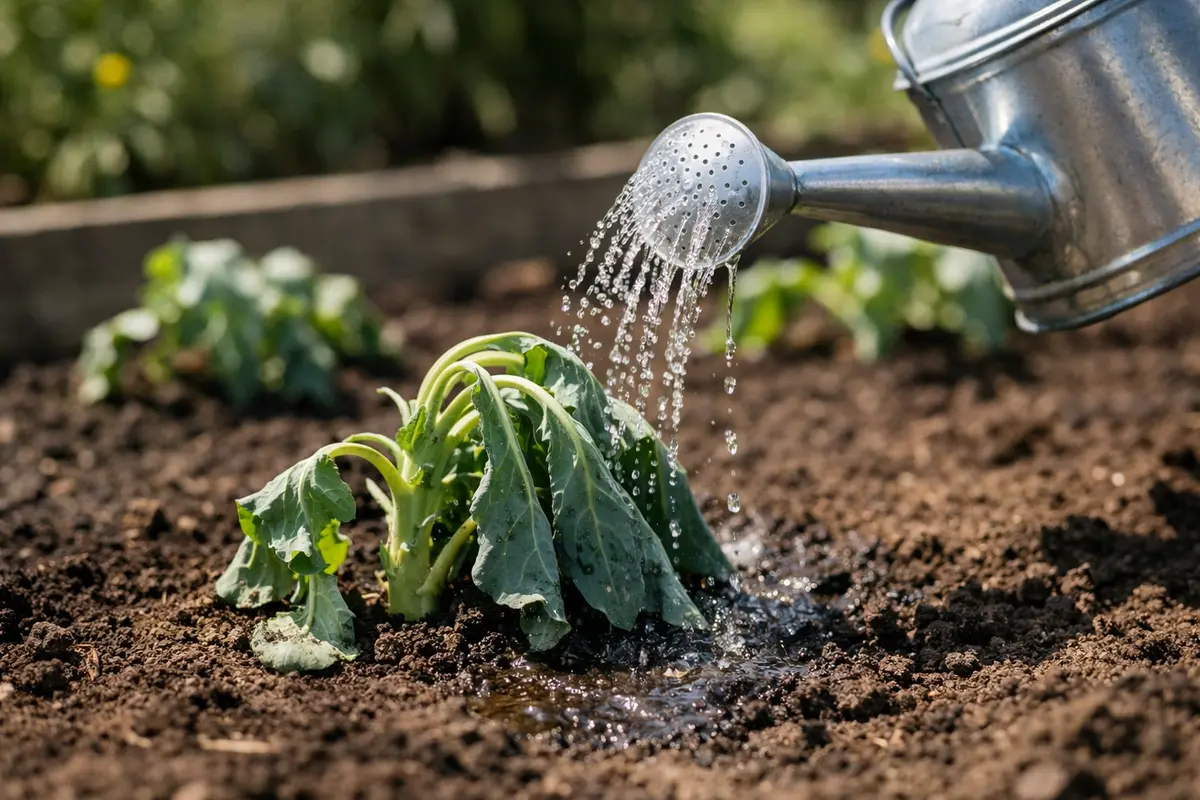
Water the wilting broccoli plants thoroughly to provide them immediate hydration. Ensure you water directly at the root zone for maximum absorption, utilizing a slow drip method or a soaker hose for effective results. Aim to saturate the soil to a depth of about six inches, as this will ensure that the roots can rehydrate effectively. You should notice the leaves start to perk up within a few hours after watering; however, it might take a day or two for full recovery to be visible. If the wilting continues even after watering, it suggests that other underlying issues may also be at play. In cases where the soil appears dry at the surface, but moist below, the roots may still suffer from poor drainage, indicating a struggle to uptake water.
When assessing the moisture content of your soil, digging down about six inches is essential; if the soil feels hard and dry further down, additional structural amendments may be needed. Consider whether your soil has adequate organic matter. Soils low in compost or organic materials can suffer from compacted particles that trap air and moisture, making it difficult for roots to access water. After adequate watering, expect to see a marked difference in the leaf structure if moisture levels are balanced and the cells within the leaves regain turgor pressure. As a reference, leaves should feel firm and vibrant, unlike when they exhibit a loose or floppy texture due to dehydration.
A common mistake during this stage is to apply only a limited amount of water or to water superficially. Many gardeners erroneously think that short bursts of watering are sufficient; however, this may not reach the deeper roots effectively, leaving them vulnerable to further stress. If the leaves wilt again shortly after watering, examine the soil’s texture—if it compacts easily or repels water, this suggests it’s time to amend with organic materials to support better drainage. A common point of frustration lies in misunderstandings related to soil types; sandy soils often drain too quickly, while clay soils can retain moisture excessively, making it critical to recognize the needs of your specific planting environment. Consider conducting a simple percolation test by digging a hole, filling it with water, and observing how long it takes to drain; if it remains for more than a few hours, this indicates a drainage problem.
Step 2 – Diagnose Root Sun Stress in Broccoli
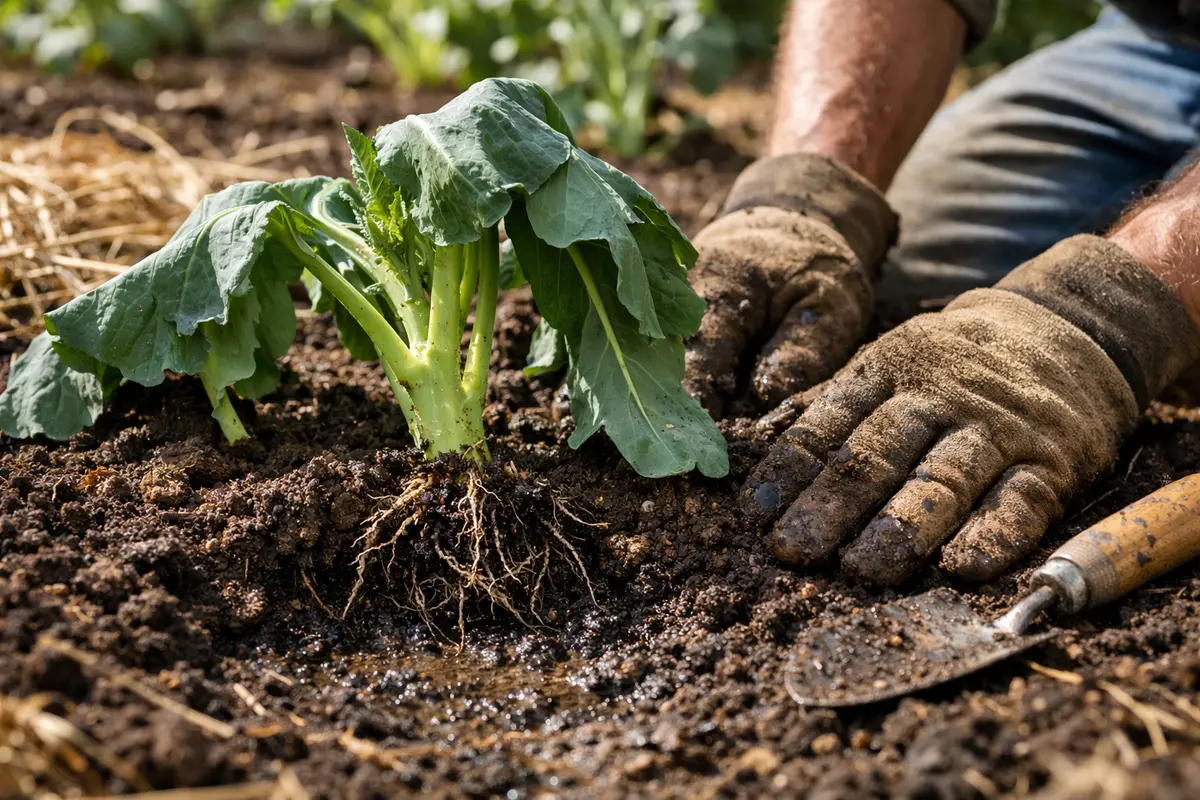
Examine the soil and roots for signs of stress caused by sun exposure. Look for dry, compacted soil or signs of root suffocation, which may cause further wilting. Dig a small hole near the base of the plant to check whether roots are penetrating deeply enough or if they’ve become root-bound, showing a significant struggle in establishing a healthy growth pattern. If the root system feels tightly packed or has halted growth, it’s vital to loosen the surrounding soil gently, avoiding excessive disturbance that could shock the plant further. Checking for dark, mushy roots can also indicate beyond wilting that you have over-saturated conditions, often leading to root rot.
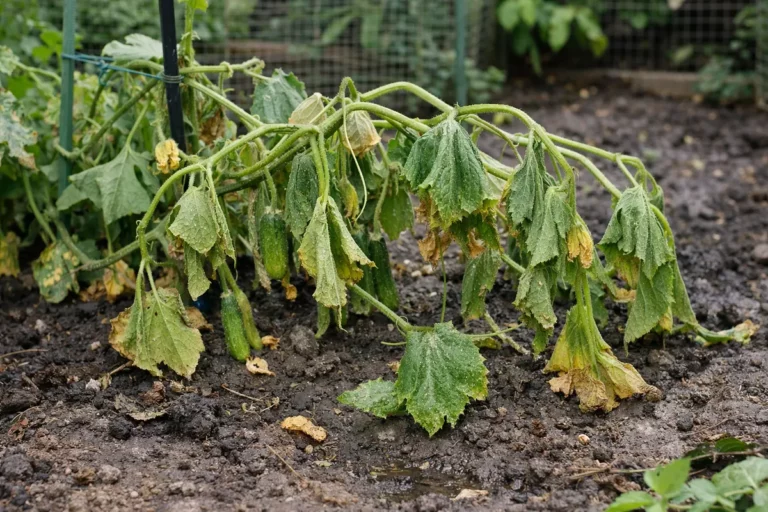
Transplant shock is often intensified when seedlings are not accustomed to intense sunlight and heat. In full sun, the soils can dry quickly, leading to desiccation of the roots and inadequate nutrient absorption over time. While sunscreens and protective covers can help with the initial shock, these should be removed once the plants recover to avoid hindering growth. A practical tip is to monitor the temperature during the hottest part of the day; if the soil temperature exceeds 75°F, it could exacerbate root stress. Inspecting the roots for dryness is crucial; a sure sign of root stress is when they feel brittle rather than firm, indicating that drought conditions have persisted for too long. Perform these checks in the cooler morning hours to gauge plant hydration levels accurately, as roots tend to reinstate moisture overnight and show a better texture early in the day. If you are dealing with a related issue, cucumber plants wilting covers a similar problem in detail.
If the broccoli displays wilting but the soil feels adequately moist, you should check for other stressors such as overexposure to sunlight or water retention issues related to the type of soil used during transplanting. Heavy clay soils can hold moisture but limit aeration, causing roots to suffocate. An observable difference can be noted between newly planted seedlings naturally adapting and older, established plants that wilt under the same conditions, suggesting inadequate root development of the latter. If moisture levels dip swiftly post-watering, embrace the idea of mulching, as this serves to keep moisture trapped in the upper layers of soil. To promote better aeration, try loosening the surrounding dirt without disturbing the roots. This should allow trapped moisture to reach the roots and mitigate some stress responses.
Step 3 – Feed Broccoli to Encourage Recovery
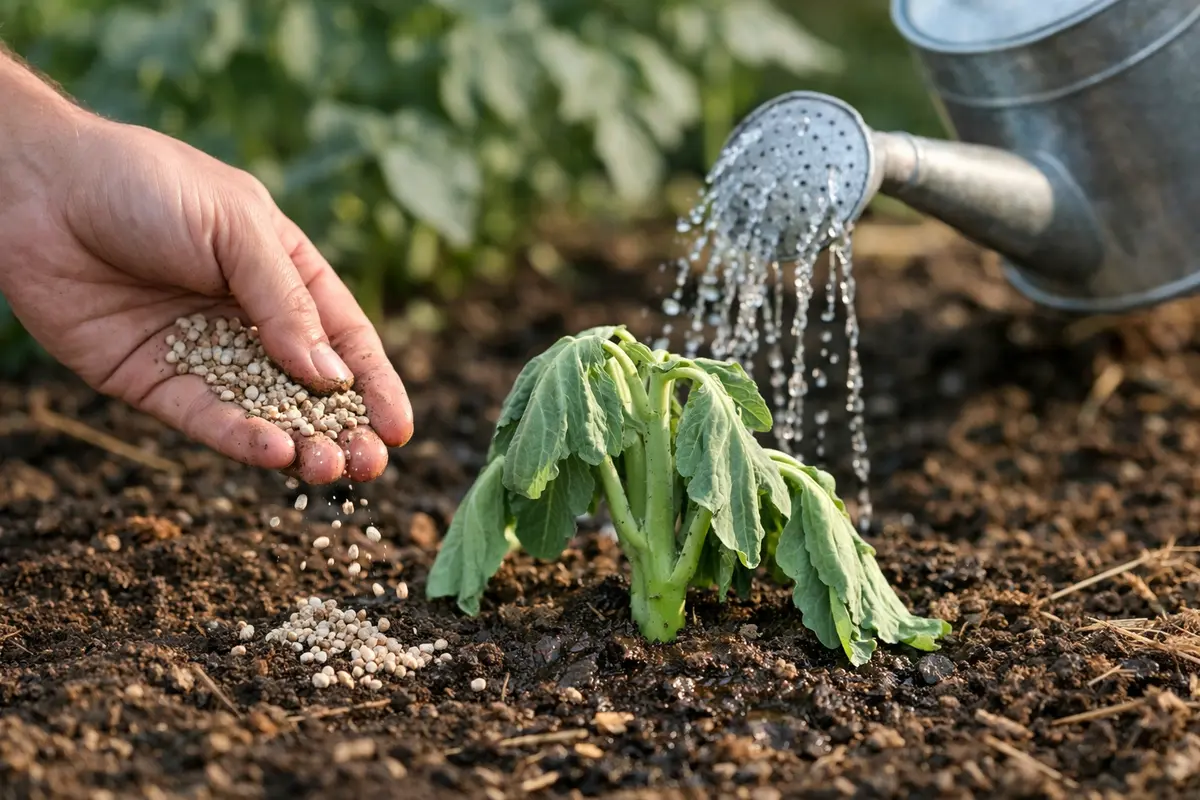
Apply a balanced, water-soluble fertilizer to promote recovery and new growth in your broccoli plants. A properly timed application can nourish plants struggling to cope with the transplant shock. You should see new healthy leaf growth appearing within a week if conditions are stable. Aim for a fertilizer that has an N-P-K ratio of around 5-10-10, with a focus on phosphorus to enhance root development. When mixing the fertilizer, dissolve it fully in water, ensuring that you do not exceed the recommended concentration to avoid damaging stressed plants.
This feeding approach provides necessary macronutrients such as nitrogen, phosphorus, and potassium, with phosphorus being particularly valuable for root establishment and flourishing. For supportive fertilizing, starting with one teaspoon of fertilizer per gallon of water is often sufficient for establishing seedlings. Be cautious, and only apply the fertilizer if your soil is already hydrated; applying it to dry soil can lead to nutrient burn, resulting in immediate harm to stressed plants. Proper timing is crucial; wait until you have resolved watering issues to avoid further osmotic stress on the roots. Keep an eye out for new leaf growth, as rapid increases in production should be a clear indicator of the plant revitalization process. A related fix is explained in petunia plants turn if you want to compare approaches.
Over-fertilizing, however, can lead to nutrient burn, particularly for plants already stressed from wilting. This often shows up through browning leaf edges, stunted growth, or even the progress of yellowing leaves, which can be alarming for gardeners eager for improvement. If you suspect over-fertilization, an immediate solution is to flush the soil with plain water to dilute the excess nutrients effectively; aim for two to three times the volume of the original potting mix as a flushing guideline. Additionally, using organic fertilizers with slow-release properties can be beneficial for stressed plants, as these provide nutrients gradually without the risk of burning. Noting your region’s climatic conditions is essential; if rainfall is expected soon after fertilizing, it may wash away essential nutrients before the plant can benefit from them, which is why a clear weather forecast is crucial before application.
Step 4 – Check Broccoli Leaves for Signs of Stress
Inspect the broccoli leaves and soil regularly for signs of improvement or further stress. Look for newly formed shoots and changes in leaf texture over the next week—this will include a shift from dull green to vibrant hues. Healthy leaves will exhibit a firm and smooth texture, while wilting or droopy leaves can signal lingering issues. If the leaves feel brittle or appear yellow despite watering and fertilizing, it’s crucial to reassess your watering schedule and fertilizer concentration. Adjustments may be necessary if the leaves remain persistently limp or fail to regain their firmness, indicating deeper root issues that might need attention.
A fully recovered broccoli plant should have robust, vibrant green leaves with no signs of yellowing or browning, indicating healthy photosynthetic activity. A quick way to gauge recovery is to apply gentle pressure to the leaves. Healthy plants will feel firm, while those still struggling may exhibit softness or drooping. Additionally, inspect leaf undersides for any signs of pests or fungal diseases that may exacerbate stress, such as aphids or powdery mildew, both of which are often prevalent with insufficient airflow. If you see the leaves returning to a healthy state, it indicates that your actions have positively impacted the plants. Conversely, if the leaves persist in drooping or showing signs of discoloration, this may indicate a reemergence of stress factors such as inconsistent watering or lingering nutrient deficits that need addressing.
If the recovery signs do not manifest within a week, you should reassess for potential waterlogged conditions that could limit root respiration. Roots may begin to rot in overly moist soil, especially in areas experiencing heavy rain or in containers lacking adequate drainage. To combat this, consider adjusting your watering schedule significantly; water less frequently but more deeply rather than daily shallow watering. Also, keep an eye out for any signs of fungal diseases that may develop from waterlogged conditions. When roots sit too long in excess moisture, they may also become vulnerable to attacks by pathogens. Should roots appear compromised, consider repotting in fresh, well-draining soil or amending the current mix with perlite to improve aeration. Use a moisture meter to track soil conditions, ensuring that the roots are not consistently surrounded by saturated soil or too dry to absorb moisture effectively. If improvement remains elusive and environmental factors contribute to poor recovery, you may need to consider relocating the plant to a spot with better shade or aversion from intensely direct sunlight. This shift can be particularly beneficial during peak afternoon hours when temperatures are highest. If you are dealing with a related issue, afternoon heatwave containers covers a similar problem in detail.
FAQ
How long will it take for my broccoli to recover from wilting?
Recovery can take anywhere from a few days to a week. After proper watering and feeding, you should begin to see new growth and improved leaf texture within that timeframe. Patience is key; some broccoli varieties are more resilient than others, and the degree of initial transplant shock can also affect recovery speed. If you notice no change after a week, double-check your growing conditions, making sure to investigate soil drainage and overall moisture levels, as persistent wilting suggests ongoing stress issues. Longer recovery times often indicate chronic stress issues that need to be addressed swiftly—monitor frequently to avoid compounding problems.
Can prolonged wilting cause my broccoli to die?
Yes, if wilting is not addressed quickly, it can lead to permanent damage or even death of the plant. Immediate watering and diagnosing stress factors are essential for survival. Slow responses to prolonged wilting can exacerbate the impact of sun exposure, so when in doubt, acting promptly to stabilize conditions can often prevent irreversible harm. If you suspect heat stress as a contributing factor, consider relocating affected plants under partial shade as an immediate protective measure to mitigate further sun damage. Additionally, observe other environmental factors such as exposure duration and humidity, which can impact recovery, especially in hot weather.
Should I remove wilted leaves from my broccoli plants?
It is generally advisable to trim off severely wilted or damaged leaves to help the plant focus its energy on new growth. Removing those leaves can improve air circulation and reduce the possibility of disease. Use clean cuts to minimize the risk of introducing pathogens; sterilizing your tools between cuts is critical, especially if you notice any signs of disease. Moreover, pruning at the right time can also stimulate new growth as it encourages the plant to redirect energy to healthier parts. Plan to monitor your trimming practices carefully, as balanced leaf removal can refresh the overall health of your broccoli plants while minimizing stress and promoting airflow.