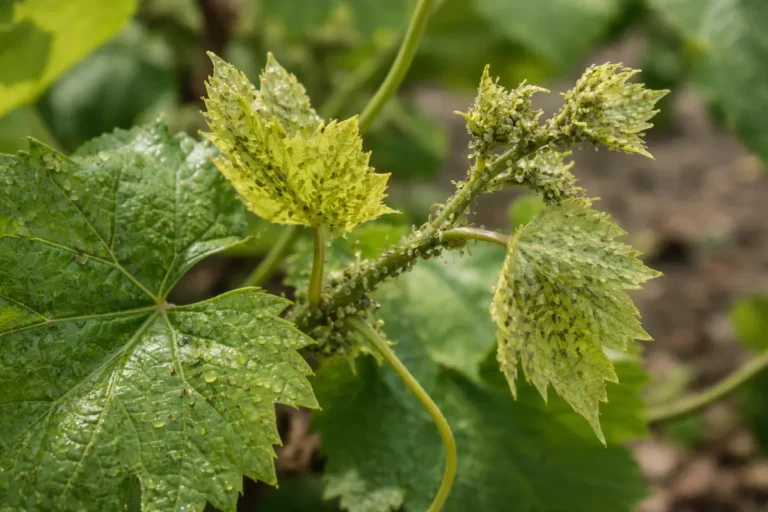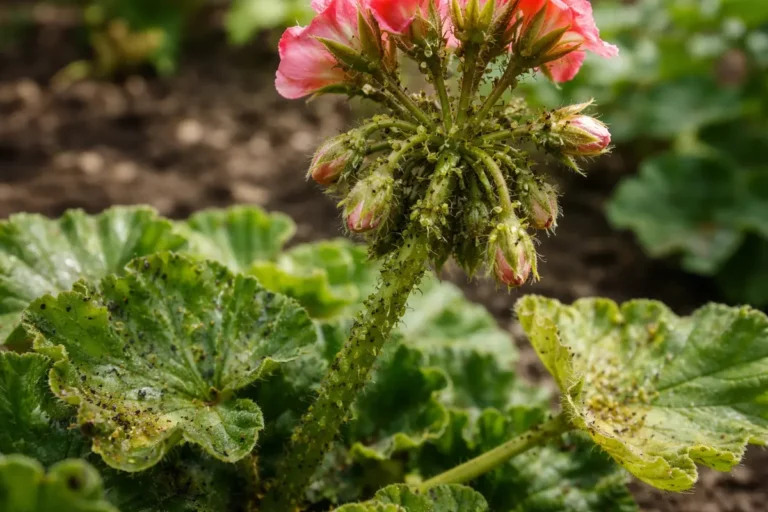
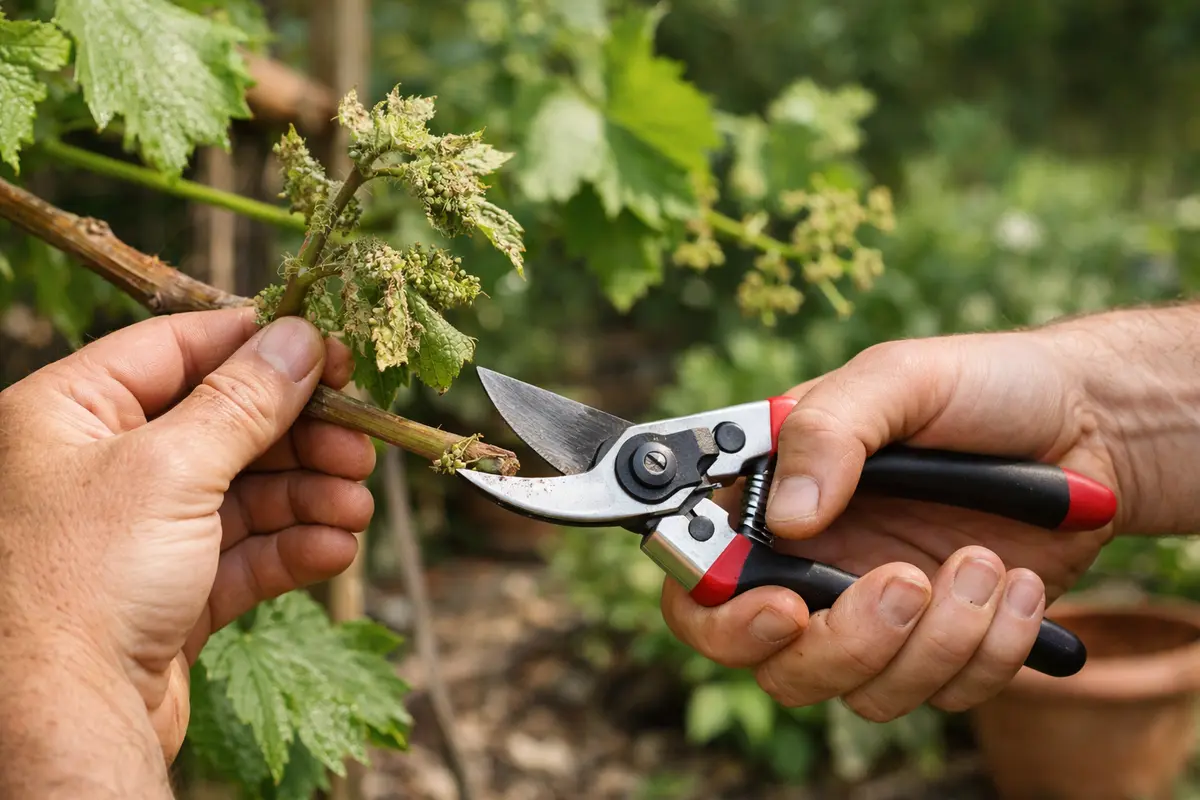
You may notice small clusters of tiny insects on your grapevine during flowering, which is why you need to know how to stop aphids on grapevine during flowering. These pests can cause yellowing leaves and stunted growth as they feed on the sap of your plants. If left untreated, the infestation gets worse and can spread to surrounding vines, making it harder to fix. However, you can improve your grapevine’s health by inspecting for aphids and removing any affected leaves promptly.
Step 1 – Spray Neem Oil on Grapevines Right Away
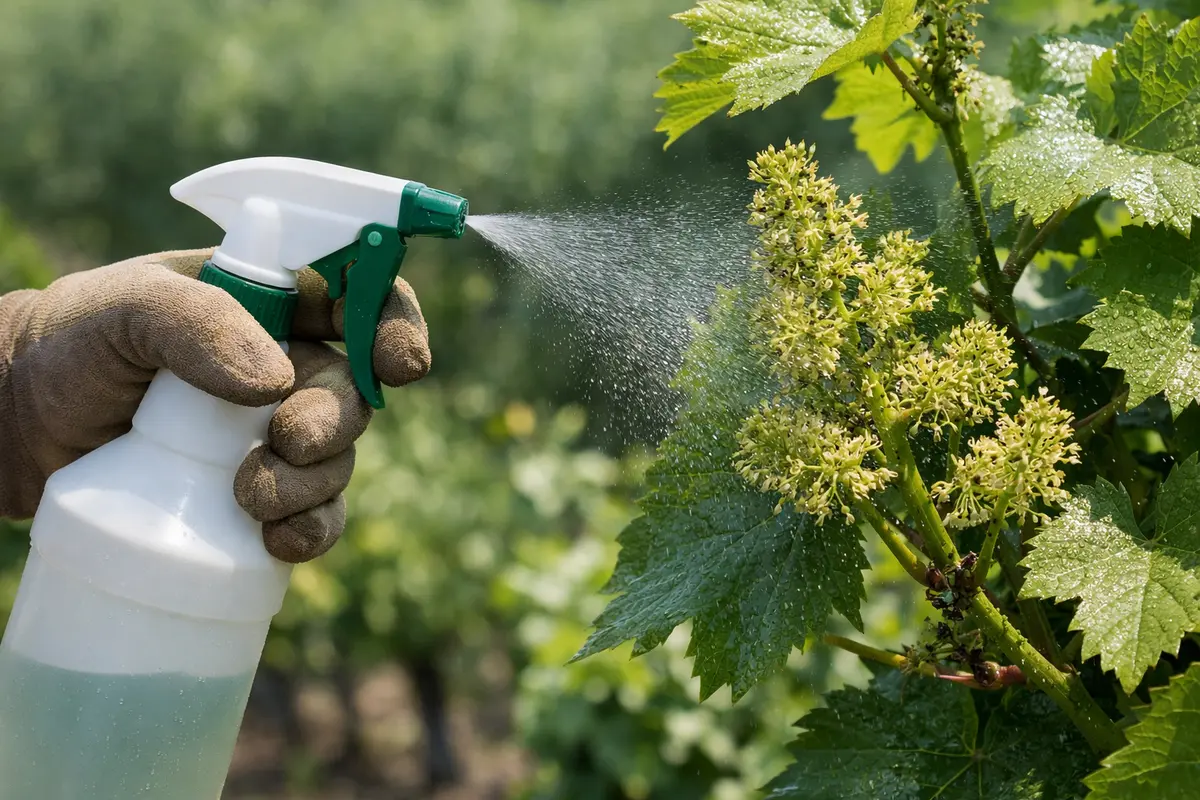
Begin by spraying neem oil on affected grapevines immediately. You should notice a decrease in pest activity within two to three days as the aphids either die off or detach from the plants. Adjust the concentration to ensure effective absorption; typically, a mixture of 2 to 3 tablespoons of neem oil per gallon of water is recommended for a standard application.
Acting swiftly with neem oil is essential because it disrupts the aphids’ hormonal balance and can prevent their reproduction. When temperatures are mild, typically around 20-25°C, mildew and other fungal issues are also kept at bay, supporting the overall health of the vine. Without immediate intervention, aphids can reproduce exponentially, leading to severe infestations that could damage not just the flowers but also the leaves and stems. If left alone for a full week, a small colony can multiply into thousands, further complicating the control effort.
A common mistake at this stage is underestimating the number of aphids present. Many gardeners might spray lightly and fail to achieve full coverage. Ensure you coat both the tops and undersides of leaves, as that is where aphids typically hide. If your vines have experienced previous infestations, apply neem oil every two weeks until the issue is completely resolved. After applying neem oil, monitor your vines after 24 hours; if you still see significant activity, consider increasing the frequency of application to once a week until the infestation is under control.
Step 2 – Check for Ant Activity on Vine
Start by examining the undersides of grapevine leaves for clusters of small, pear-shaped aphids. Remove any visible aphids using a strong spray of water or insecticidal soap, which will lead to a noticeable decrease in aphid numbers and improved foliage health.
Aphids damage grapevines by feeding on plant sap, extracting nutrients crucial for flowering and fruiting. This feeding can lead to yellowing leaves and stunted growth, as the plant struggles to divert energy towards recovery instead of flowering. When comparing affected leaves with healthy ones, the healthy leaves exhibit vibrant green coloration, while the affected ones may appear discolored and curled. If leaves are curling but no aphids are found, check for environmental stress like drought or waterlogging.
If you notice sticky residue (honeydew) on your leaves or nearby surfaces, it indicates a more significant aphid infestation. In this case, introduce beneficial insects like ladybugs to help control the aphid population naturally. Alternatively, if honeydew is present without visible aphids, inspect for other pests like whiteflies, which require different management methods, such as using specific insecticidal treatments.
Ants often protect aphids from natural predators like ladybugs, allowing aphid numbers to grow unchecked. By tackling the root of the problem—removing ants—you can help discourage aphids from taking hold. Furthermore, eliminating ants will rejuvenate the ecosystem around your grapevines, allowing natural predators to reclaim their role in pest management. For an effective combat, you can disrupt the ant trails using soapy water, which diminishes their scent and chases them away from the grapes.
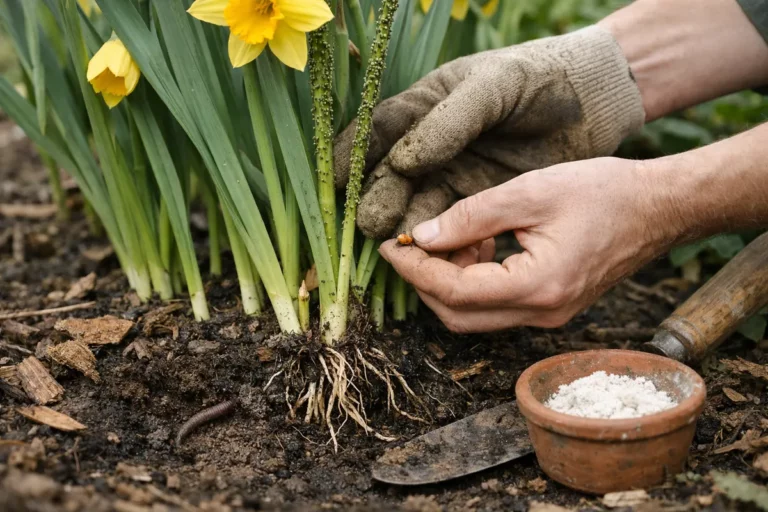
If you find active ant trails, consider using diatomaceous earth around the base of the vines. This natural barrier can deter ants without harming beneficial insects. However, be careful not to disturb any beneficial organisms already present in your garden, as these can assist in controlling the aphid population naturally. After applying diatomaceous earth, check back a few days later; if you find substantial ant activity remains, reconsider positioning or supplement with bait traps specifically designed for ants, ensuring they don’t attract other unwanted pests.
Step 3 – Fertilize Grapevines to Promote Recovery
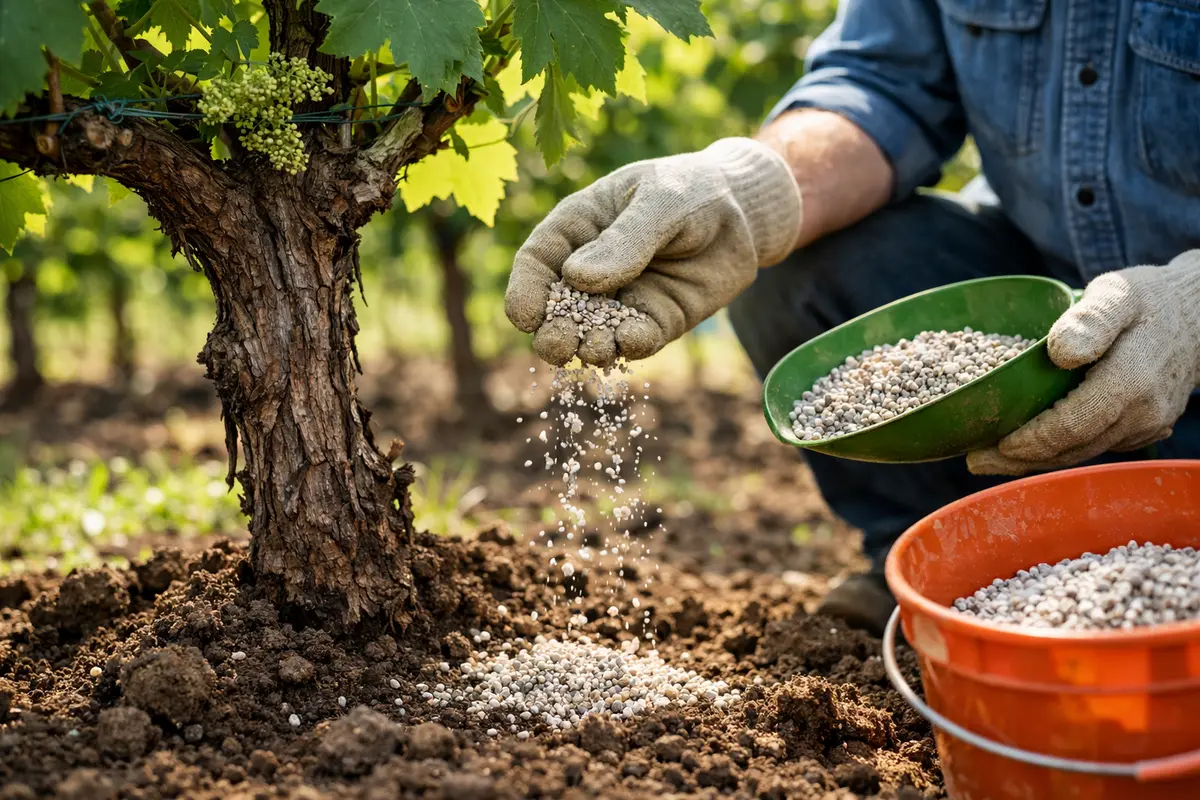
Apply a balanced fertilizer to the grapevines to encourage healthy growth and recovery from aphid damage. Within a week, you should see signs of new growth and a stronger resilience against future infestations. A good fertilizer ratio, such as 10-10-10 (N-P-K), will help restore nutrients essential for robust plant health.
Fertilizing your grapevines replenishes nutrients that may have been depleted due to the stress of an aphid infestation. Healthy plants can recover from stress more efficiently and will provide hardier growth overall. When grapevines absorb nutrients effectively, they become more capable of defending against aphids and other pests moving forward. During the flowering stage, balanced nutrition is particularly crucial, as this supports not only recovery but also the set of fruit, which can be hindered by nutrient deficiency. If you are dealing with a related issue, plants during summer covers a similar problem in detail.
However, avoid over-fertilizing, as this can lead to nutrient burn, further weakening the plant. A common error is misapplying high-nitrogen fertilizers, which can promote excessive leaf growth but fail to support flower or fruit development. If your grapevines were previously fertilized within the last month, it may be more prudent to skip this step or apply at half the recommended rate to prevent nutrient overload. Additionally, keep an eye on leaf color; if you see leaf edges turning brown shortly after applying fertilizer, this may indicate over-fertilization requiring immediate dilution with water to flush out excess salts.
Step 4 – Apply Companion Plants to Deter Aphids
Start by applying a mixture of neem oil and water to your grapevines, targeting both the undersides of the leaves and the stems. This will deter aphids immediately, leading to fewer infestations during flowering and healthier blooms.
Aphids thrive in warm, dry conditions, and their populations can explode during hot spells. By regularly spraying neem oil, you disrupt their life cycle and create an environment less conducive to their reproduction. If you notice many ants around your vines, it’s a sign of aphid presence, since ants farm aphids for their honeydew; treat the aphids promptly to prevent a larger infestation. A related fix is explained in prevent aphids collard if you want to compare approaches.
During early spring, increase the frequency of neem oil applications, especially after rain, which can wash away previous treatments. Additionally, introducing ladybugs to the garden can provide a natural buffer against aphid populations, as they feed on these pests effectively, particularly during periods of warmer weather.
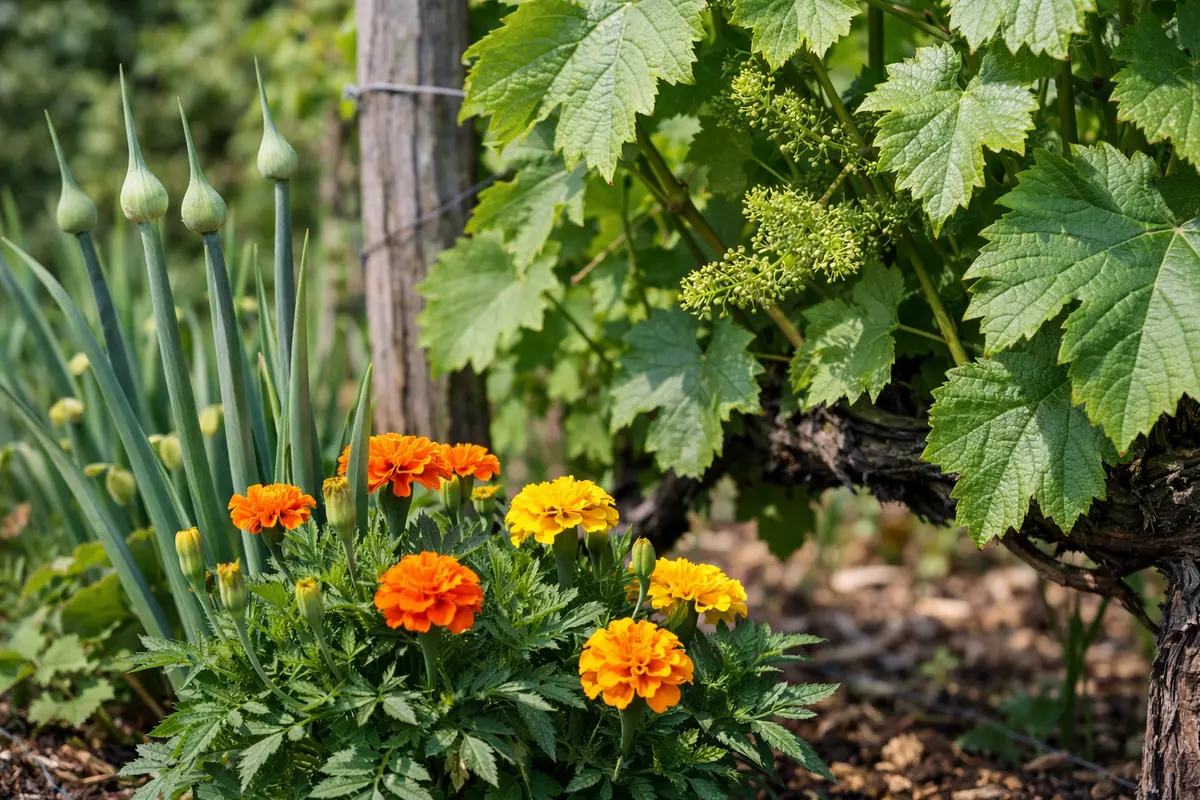
Companion planting utilizes the natural properties of certain plants to repel pests, making it a valuable preventive measure. Marigolds, for instance, emit a scent that aphids dislike, while nasturtiums can attract aphid predators like hoverflies and ladybugs. By selecting the right companions, you enhance the biodiversity in your garden, which naturally decreases pest populations. In addition, plant dense patches of these companions to maximize their protective benefits; beneficial insects are more likely to thrive in areas with abundant food sources and shelter.
Additionally, consider seasonal blooming cycles when choosing companion plants, ensuring they attract beneficial insects when aphids are likely to appear. This proactive approach builds a balanced ecosystem, but remember to regularly check that the companion plants themselves do not become hosts for aphids. Frequent monitoring of companion plant health is essential to maximize their protective benefits. If you notice aphids on these companions, be quick to remove infested plants to prevent a crossover that could impact your grapevines. Similarly, use insecticidal soap on these comparonutions if necessary, ensuring that it is safe for both the crop and beneficial insects.
Step 5 – Inspect Grapevine Leaves for Aphid Signs Weekly
Start by closely monitoring your grapevines every few days during the flowering period. Look for clusters of tiny green or black aphids, particularly on the underside of leaves and the tender tips of new growth. Additionally, observe the general activity of beneficial insects like ladybugs or lacewings, as their presence indicates a natural balance. Recheck consistently to catch any resurgence early in the life cycle of the aphids.
A fully recovered grapevine displays lush, vibrant foliage with healthy clusters of flowers, free from sticky residues left by aphids. In contrast, early signs of a problem may include curled leaves or clusters of aphids that cause a shiny, honeydew-like substance on leaf surfaces. If you do not see healthy blooms developing, check for any reappearance of aphids on new growth.
If the problem returns despite your efforts, assess the vine for any additional environmental stressors such as poor drainage or inadequate sunlight that may weaken its defenses. As a fallback action, introduce insecticidal soap or neem oil to target persistent infestations without harming beneficial insects. If aphids persist, escalate to a more potent treatment or consult a local extension service for further advice. For a closely related scenario, see petunia plants turn.
A fully recovered vine would have vibrant green leaves, strong stems, and no visible signs of pest activity. By monitoring weekly, you can catch any potential recurrences before they escalate into significant infestations. Early detection is crucial for maintaining effective control over aphids and ensuring the continued health of your grapevines. Implement logkeeping for the aphid populations you observe, noting the decrease or increase to better inform your next steps.
If you notice new signs of infestation or persistent damage, consider repeating previous steps, such as spraying neem oil or checking for ant activity. In cases where a larger outbreak reoccurs despite your efforts, consult with local gardening experts to assess whether a more aggressive approach, like systemic insecticides, may be warranted. If no improvement is seen after two weeks of these measures, professional pest control or organic solutions might be necessary to salvage affected areas.
FAQ
How long does it take for neem oil to work on aphids?
Neem oil typically takes about 24 to 72 hours to start showing results, with many gardeners noticing a decrease in aphid activity within a few days. Consistent applications every 1-2 weeks can enhance its effectiveness; after three rounds, if results are still minimal, consider alternate solutions or exploring the potential for underlying issues with your grapevines that may be attracting pests.
Can ants spread aphids on my grapevines?
Yes, ants can actively farm aphids and protect them from predators, making the situation worse. If you see ants, it’s important to control their population to help manage aphid numbers effectively. Notably, look for signs of ant trails and nesting behaviors as these are indicators of a strong ant presence that can be managed with vigilance and ecological deterrents.
Should I remove affected leaves after treating for aphids?
Removing heavily infested leaves can help reduce the aphid population and encourage healthier growth. Pruning these leaves should be done after initial treatments to prevent the aphids from retreating and re-infesting the healthy parts of the plant. It’s advisable to dispose of the removed leaves entirely rather than composting them, as this would risk reintroducing pests back into the garden.