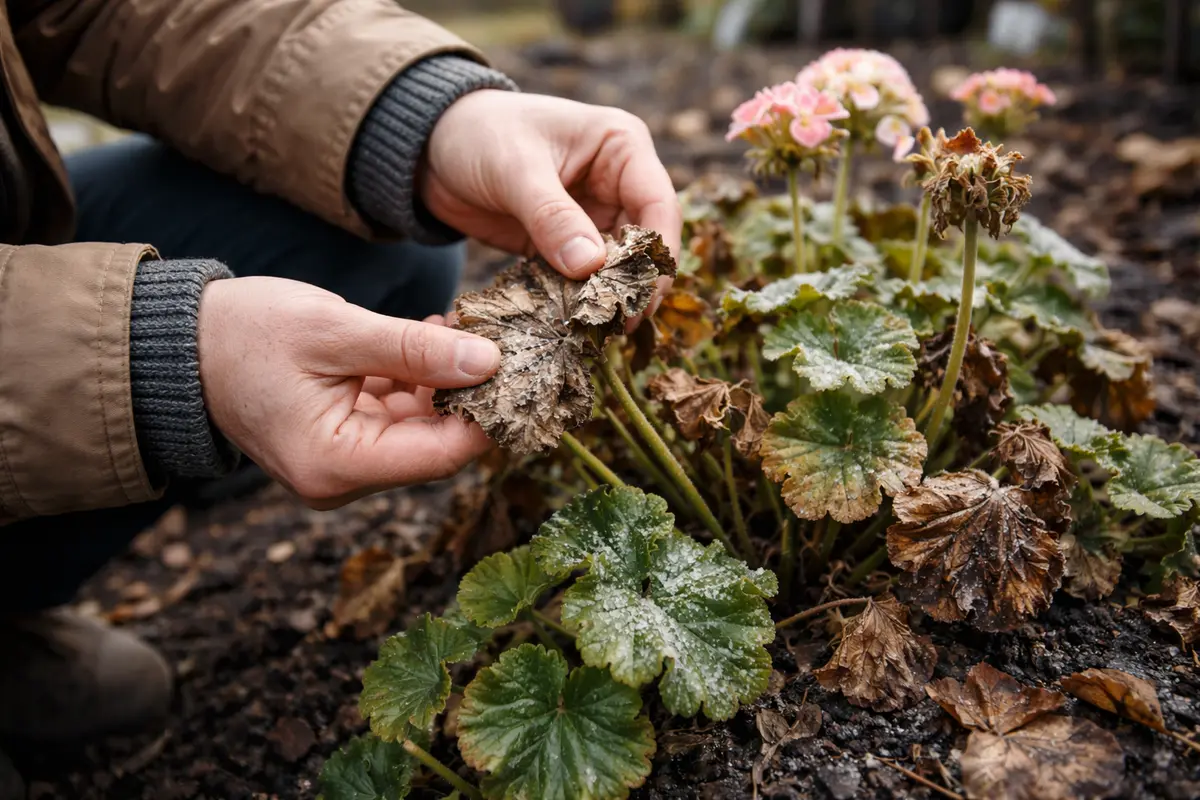
You may notice your geraniums struggling during winter, their vibrant blooms lacking luster and their leaves showing signs of distress, which is why you need to know how to treat stunted growth in geraniums during winter. This condition often results in yellowing leaves and wilting, caused by insufficient light and fluctuating temperatures. Ignoring these problems can lead to further damage, weakening the plant over time, but it’s possible to revive them by adjusting their light exposure and monitoring their moisture levels closely.
Step 1 – Remove Affected Geranium Leaves Immediately
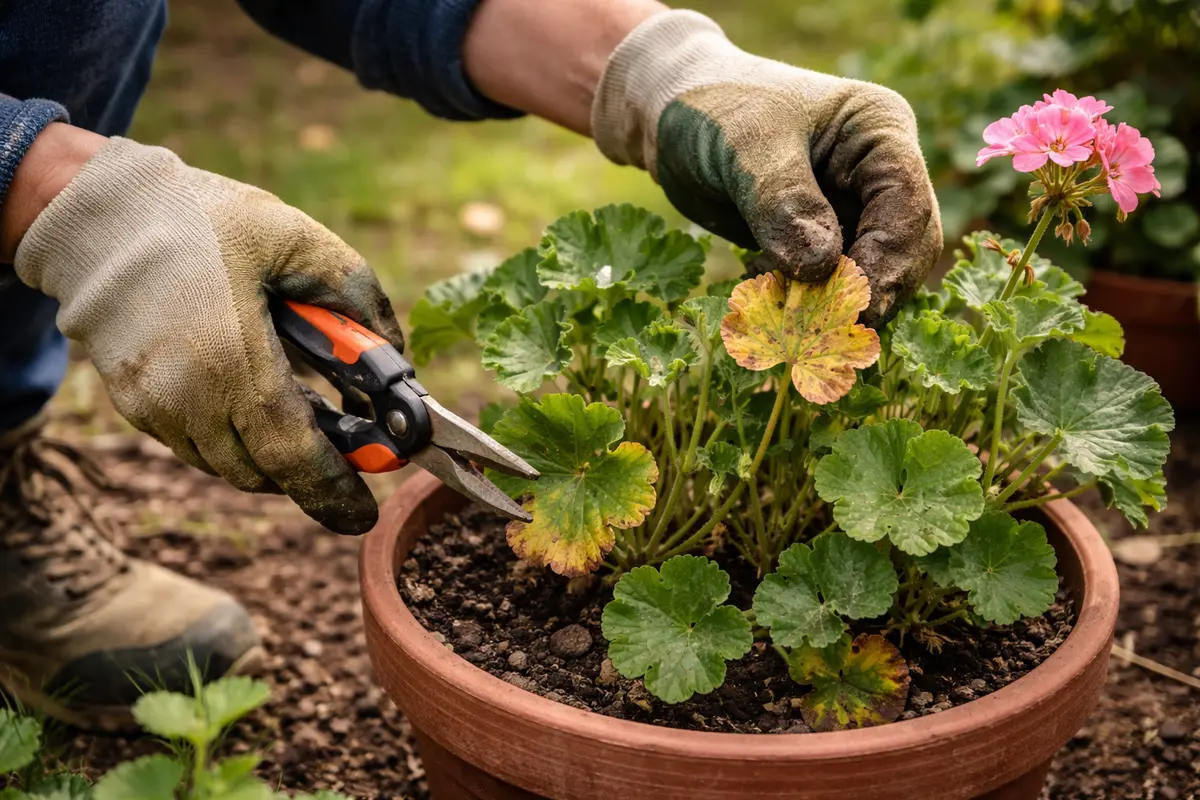
First, inspect your geraniums for signs of root rot by gently removing the plant from its pot. Check the roots for mushiness or browning; if you notice these symptoms, trim the affected areas with sterilized scissors and re-pot the plant in fresh, well-draining soil. You should see the remaining healthy roots appear firm and white, signaling a positive change in the plant’s condition.
Acting quickly is crucial for geraniums because stagnant growth allows pathogens to thrive in wet soil, leading to severe rot. When roots suffer due to excess moisture, they cannot absorb nutrients, which exacerbates stunting. If left untreated, the plant may enter a state of decline, where the symptoms worsen and more extensive repairs are needed.
For instance, a gardener who waited too long to address wilting geraniums noted that some plants recovered, while others wilted beyond saving and needed complete replacement. An often-seen mistake is ignoring drainage; if the soil remains constantly soggy, it significantly delays recovery—if not roots → check soil moisture regularly.
When you remove damaged leaves, the plant can shift its focus towards healthy foliage and roots, improving its overall health. Leaves that are too far gone can hinder growth by taking up resources and blocking light. This is essential, especially in winter, when plants already suffer from limited sunlight. If leaves remain attached, they can contribute to pest issues or diseases, stunting growth further. It’s also important to look for signs of mildew or mold that may have formed on or under these affected leaves; these conditions can aggravate existing problems. If a brown or black residue is evident, it indicates a mold or fungus that could spread and cause damage, thus requiring immediate action.
A common mistake is to delay this task, thinking that leaves will fall off naturally. However, failing to remove these leaves promptly will keep the plant in a weakened state for longer, especially during winter dormancy. Without prompt action, the condition of the geraniums can worsen, leading to more extensive dieback, particularly if pests or rot develops. By acting quickly, you can foster an environment for new growth as the weather begins to warm.
Step 2 – Diagnose Light Conditions for Stunted Geranium Growth
Start by checking the soil moisture levels in your geranium pots. If the soil feels dry several inches below the surface, water the plants thoroughly until excess water drains from the bottom. You should notice the leaves of your geraniums becoming more vibrant and less wilted over the next few days. This direct engagement with the soil will help establish a baseline for further care.
When soil moisture is inadequate, the roots of your geraniums cannot absorb enough water and nutrients, leading to stunted growth. In contrast, if you notice soggy soil and yellowing leaves, overwatering is likely causing root rot, which also stunts growth, as the roots die off and are unable to facilitate adequate nutrient uptake. If you don’t find dry soil, check for compacted soil that prevents root expansion and nutrient absorption. Heavy and dense soil can impede proper drainage and limit root access to air, leading the plant to exhibit stunted growth.
If you detect a musty odor from the soil, indicating possible fungal growth, remove the affected geraniums and replace their soil completely to prevent further issues. For geraniums with persistent problems, consider using a large pot to allow more room for growth and better air circulation. Alternatively, if the leaves are curling upwards, it may signal a pest infestation; inspect the leaves closely and treat them accordingly if you find any insects. Checking both sides of the leaves can often reveal hidden aphids or spider mites that can further damage the plant’s health.
Geraniums require sufficient light to perform photosynthesis effectively, which is critical for growth and flowering. In low light, plants can become leggy and fail to develop properly, showing signs of fatigue such as wilting or yellowing leaves. It’s particularly essential to examine their position in relation to windows or light sources. If they are overshadowed by furniture or other plants, they won’t absorb enough light for healthy growth. Moreover, direct sunlight on cold window surfaces can cause leaf scorch; ensure that there is a protective measure like sheer curtains to diffuse harsh sun rays without dimming overall light exposure. Additionally, keep any artificial lights at least 12 inches away to avoid scorching the leaves; they provide essential wavelengths necessary for photosynthesis.
If you find that your geraniums only receive 1-2 hours of direct sunlight, consider relocating them to a brighter spot. If the plants remain in low-light conditions, they may continue to appear weak and fail to progress, requiring nearly immediate action to prevent further decline. Furthermore, if you notice that some stems seem to stretch more than others, this uneven growth can signal inadequate sunlight exposure, urging relocation or adjustment of nearby plants that may cast shadows.
Step 3 – Water Geraniums Deeply to Encourage Growth
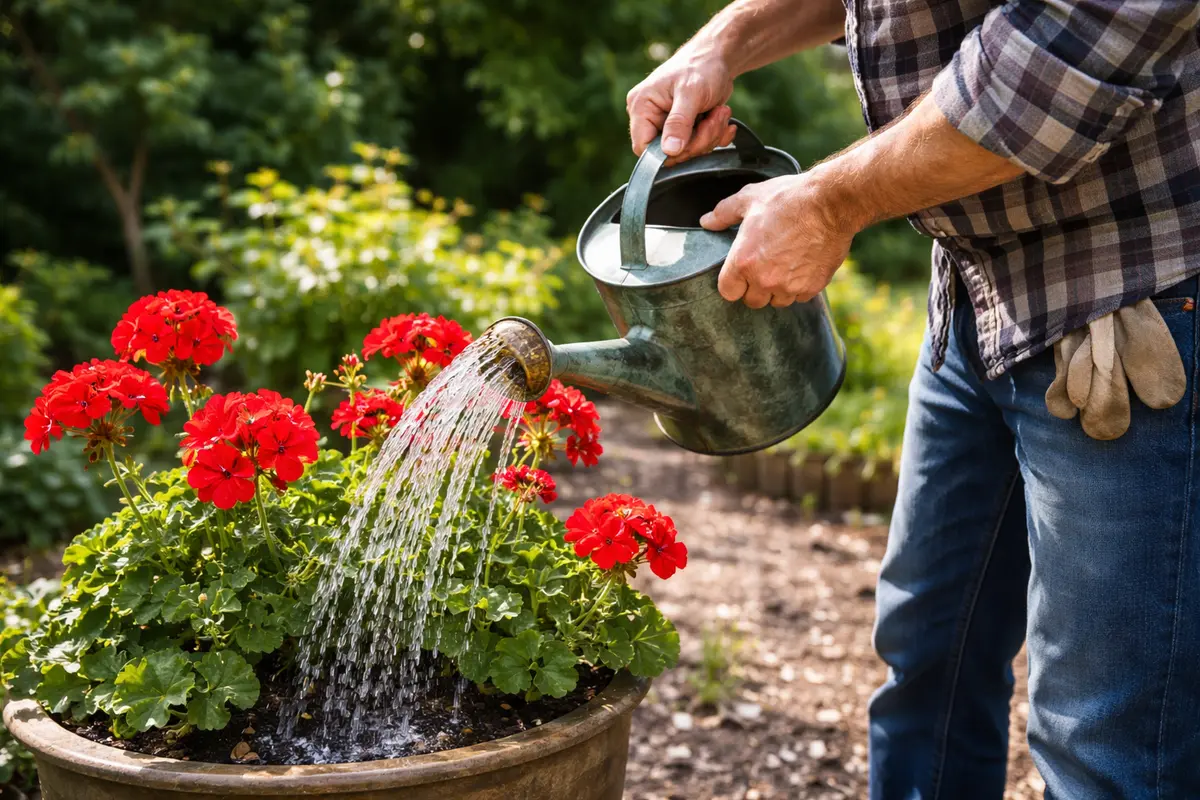
Water your geraniums deeply until the moisture reaches at least 6 inches down into the soil. You should see the leaves perk up within a few hours after watering, and the soil will feel equally moist to the touch. This deep watering will encourage strong root growth and help the plant recover from winter dormancy. Measuring the moisture level in the soil using a moisture meter can help ascertain when to water; this tool ensures you reach an adequate depth without over-saturating the soil. Avoid watering once the top inch of the soil feels dry, as this initial surface might be misleading during winter.
Ensuring proper moisture levels helps geraniums absorb essential nutrients from the soil. During winter, they can become dehydrated due to low humidity levels typically found in indoor environments. This emphasizes the importance of watering deeply rather than just superficial drenching. Healthy roots will push for rapid upward growth, leading to stronger foliage and potential blooms as the season opens. If you also mix in perlite or sand in your soil, it can improve drainage and prevent root rot, which is critical during wet winter months. Established root systems are less vulnerable to diseases, enabling them to thrive even in adverse conditions.
A common error here is to water frequently in small amounts, which can lead to shallow root growth and weak plants. Additionally, it’s vital to avoid allowing the roots to sit in soggy soil since this could cause root rot and ultimate plant death. If you notice any signs of fungal growth or bad smells from the soil, take corrective actions immediately with thorough drainage checks. On the other hand, underwatering can lead to dry, brittle roots, signaling the need for more water in your routine. Adjust as necessary based on the environmental conditions in your home, especially the temperature and humidity levels. Observing how quickly the soil dries out post-watering can provide insight into whether adjustments are needed for your watering schedule.
Step 4 – Provide Adequate Light to Prevent Stunted Growth
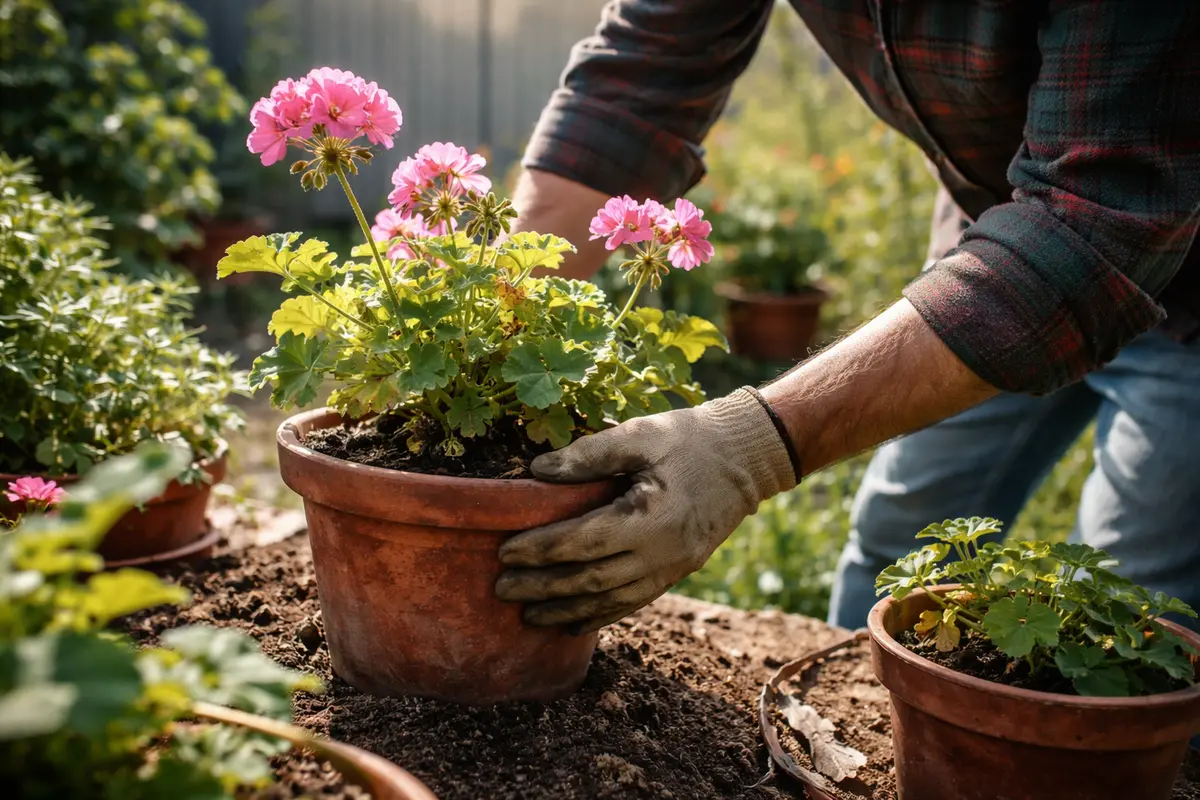
Start by placing your geraniums in a location that receives at least six hours of bright, indirect sunlight each day. This should stimulate growth and prevent the plants from becoming leggy during winter.
Cold temperatures and insufficient light are two critical conditions that can cause stunted growth in geraniums. When they don’t receive enough light, your geraniums may fail to photosynthesize effectively, leading to weak stems and sparse leaves. By ensuring they are positioned to absorb ample sunlight, you tackle the light deficiency at the very root of the problem.
During particularly cloudy winter months, consider supplementing natural light with grow lights for an additional two to four hours daily. Also, monitor soil moisture closely, as over-watering during the cooler season can exacerbate stunted growth; if the soil feels soggy, reduce watering immediately.
Insufficient light is a primary trigger for stunted growth, often leading to leggy plants that have sparse leaves and elongated stems. By increasing exposure to bright light, the plant’s energy production rises, promoting healthier and more robust growth patterns. If your geraniums appear leggy with pale leaves, boost light intensity to remedy this issue; adding proximity to windows or changing the location can make a significant difference.
In late winter, as natural light begins to increase, gradually acclimate your geraniums to outdoor conditions by placing them outside during sunny afternoons. This seasonal adjustment provides them with the necessary sunlight and fresh air, fostering healthier growth as they transition to warmer months. Just be cautious with the temperature — if nighttime temperatures are still too low, bringing them back indoors can prevent shock or damage.
Consistent lighting strengthens plants, facilitating the photosynthesis process that is crucial for their growth. Without adequate light, geraniums become susceptible to dampening-off, a disease caused by excessive moisture combined with shadowy conditions. Additionally, setting a schedule for rotating or adjusting your geranium placement can help maintain optimal growth stages; doing this regularly allows the plants to receive adequate light without being baked by too much heat. Investing in a timer for grow lights can help maintain a consistent light cycle, ensuring that the geraniums do not experience lapses in light exposure.
Consider using supplemental grow lights during shorter winter days to ensure they receive the full spectrum needed for healthy growth. If you observe persistent yellowing of the leaves, even after light adjustments, it may signal another problem altogether, possibly requiring a nutrient assessment or root health evaluation. Take the time to compare this symptom against other changes like watering patterns and monitoring for pests, making it easier to pinpoint your geraniums’ root issues.
Step 5 – Check Geraniums for New Growth Signs Weekly
Inspect your geraniums weekly for signs of new growth or improvement. You should observe newfound leaves or a color return after implementing care steps within a few weeks. Regular monitoring can help you catch any signs of recurring issues early on, especially if you note any discoloration or wilting during your checks. Take notes on visible changes noticed, as documentation can clarify progress in color saturation and leaf size.
New growth indicates that your geraniums are thriving and responsive to the adjustments made. Expect healthy new shoots and vibrant green leaves as these are the clear identifiers of a successful recovery. If the plants continue to show stunted growth or reverting signs of yellowing or wilting leaves after a month of adjustments, immediate follow-up measures will need to be reconsidered. If possible, set growth goals for each week, reporting back to yourself on improvements, thus guiding your future care practices.
If you notice that growth fails to improve after several weeks, investigate potential factors like soil drainage or nutrient deficiency. Further steps, such as repotting the geraniums or integrating a balanced fertilizer to stimulate growth, might be warranted. It’s crucial to consider the type of fertilizer to use — a slower-release one is beneficial to prevent nutrient burn. If these do not produce visible effects, consulting a gardening professional may be necessary to prevent further decline. Subsequently, testing for pH levels in the soil might also be wise, as imbalances can deter nutrient uptake and stunt growth. Immediate intervention can be pivotal in ensuring the longevity of your geranium plants.
FAQ
How long does it take for geraniums to recover from stunted growth?
Recovery can take anywhere from a few weeks to a few months, depending on the severity of the initial symptoms and the steps you take to correct them. With proper care, you should start to see noticeable improvement within a couple of weeks. Maintaining consistent lighting and moisture is crucial to achieving speedy recovery. Additionally, improvements can vary significantly from plant-to-plant based on their specific light and water conditions.
Can stunted growth in geraniums spread to other plants?
Stunted growth itself does not spread to other plants, but the underlying causes, like pests or diseases, can certainly affect neighboring plants. It’s essential to inspect all plants nearby for signs of pests or common diseases to prevent further issues. Performing regular health checks on your entire indoor garden can be an effective way to mitigate risks and avoid potential infestations.
Should I remove the entire geranium plant if it shows signs of severe damage?
Not necessarily. You should first assess the extent of the damage. If most of the plant shows signs of distress, it might be wise to remove affected sections, rather than the whole plant, especially if healthy stems and roots remain. This targeted approach helps preserve any potential for recovery and life in the plant overall. Always be vigilant for healthy new growth at the base of your geraniums, as this can indicate they are still capable of bouncing back.