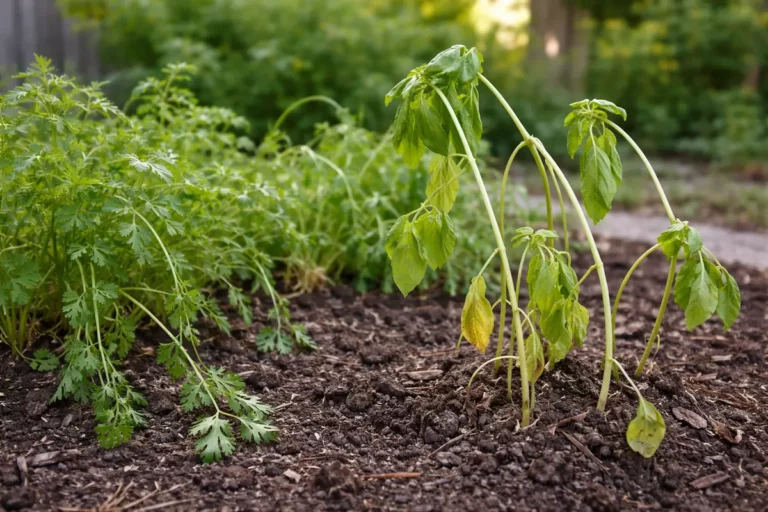
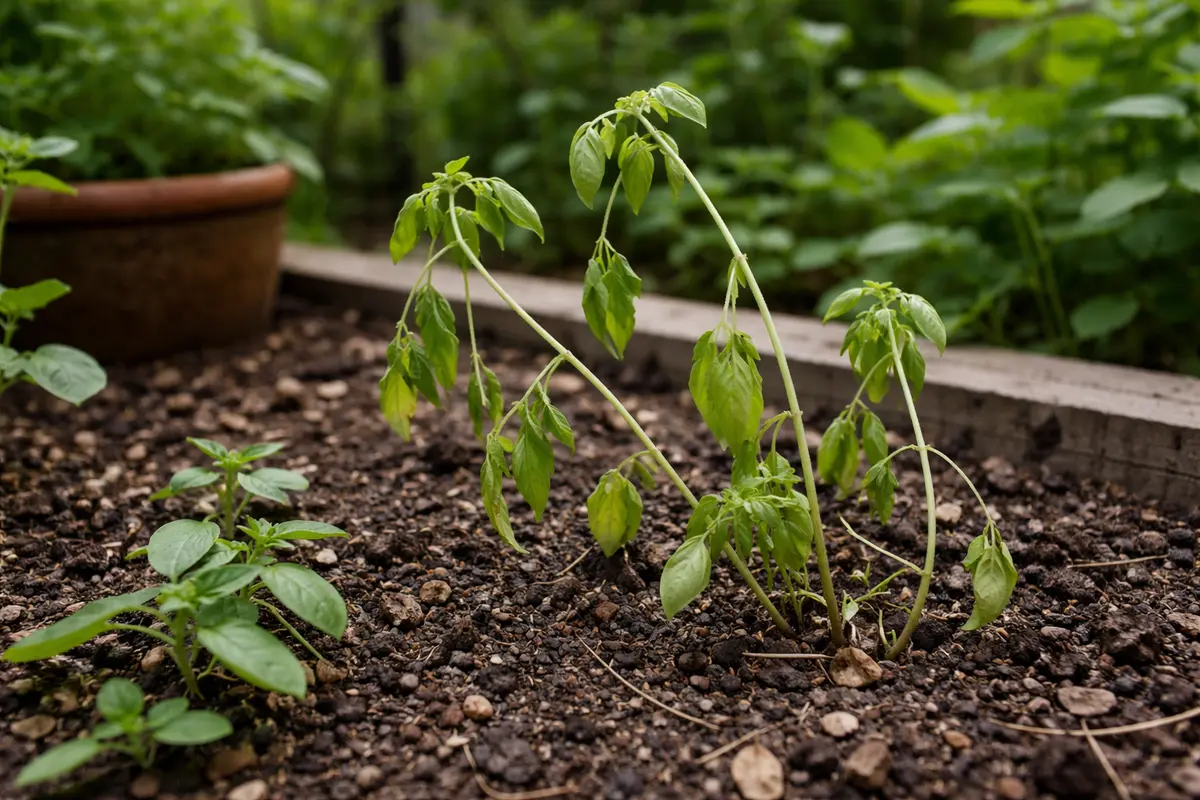
You’ve probably seen your herbs stretching toward the light during low light conditions, which is why you need to know how to stop leggy growth in herbs during low light. This leggy growth occurs as the plants elongate and weaken, resulting in drooping stems and sparse leaves. Left unaddressed, this condition gets worse, leading to a weakened plant that struggles to thrive. However, you can fix it now by trimming back excessive growth and adjusting their light exposure to encourage healthier, bushier development.
Step 1 – Trim Leggy Herb Stems Immediately
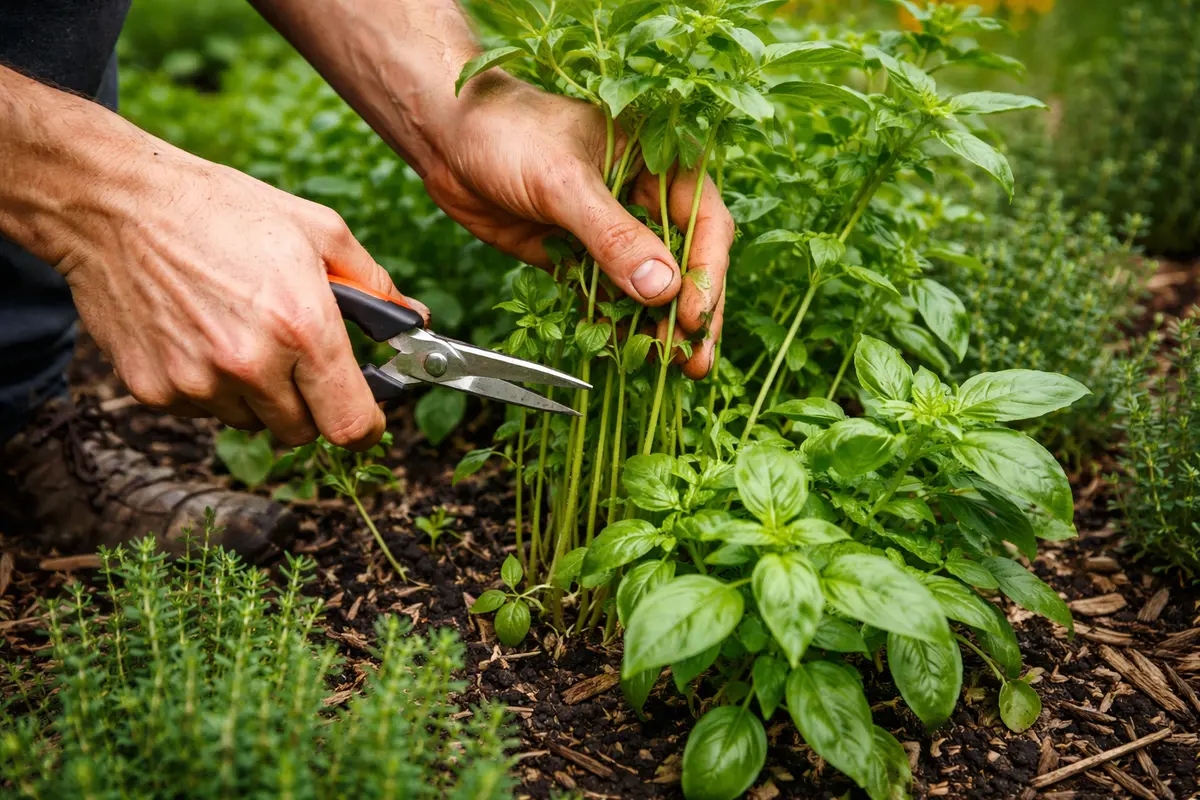
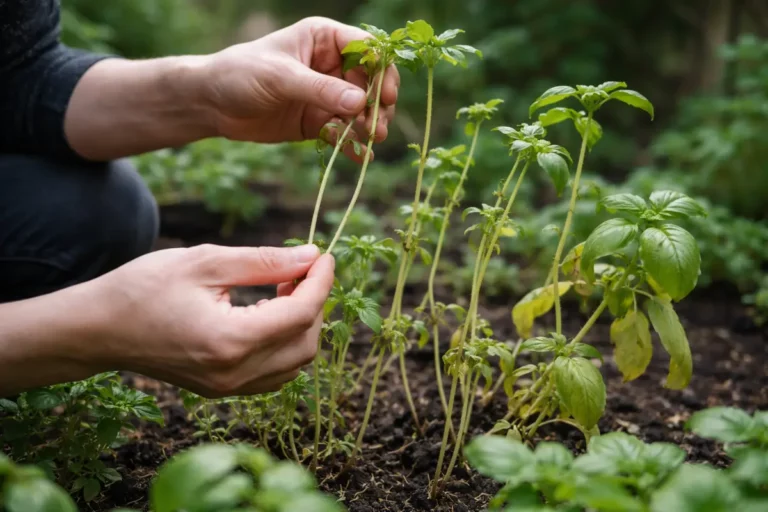
Start by trimming back the leggy stems of your herbs, cutting them to about one-third of their height. This clip will help improve light absorption and reduce the plant’s energy expenditure as it focuses on regrowing stronger stems. You should notice that the herbs appear more compact and healthier right away, with a fuller appearance as the lateral branches develop. Cleaning up leggy growth also provides an opportunity to inspect the herb for pests or disease, which tends to hide in the denser foliage.
Removing the elongated stems encourages the plant to redirect its energy into producing sturdier growth. These lower stems can also help create bushier foliage and promote a fuller appearance when encouraged to branch out. When pruning, look for sections that are showing signs of weakness or yellowing leaves; cutting just above a node encourages new growth and maximizes recovery potential. A good trim encourages lateral branching, which improves both light exposure and nutrient uptake across the plant. In practical terms, if you notice hollow stems or brittle sections, those should be prioritized for trimming as they contribute nothing to the plant’s overall health.
Many gardeners hesitate to prune their herbs, fearing they will stunt growth, but this is a common mistake. If the stems are left untrimmed, the plant will struggle to support their weight and may fall over or break. It’s essential to take action before the situation worsens, especially in low-light conditions when herbs can quickly become spindly. It’s typical for them to develop drooped or elongated stems that can no longer support themselves well. This process often reveals sections of the herb that are not getting enough light, prompting the need for an adjustment in the light situation as well as encouraging healthier regrowth. If you’re unsure how much to trim, remember that cutting off the tallest and weakest stems first ensures that the plant can focus its resources on robust growth.
Step 2 – Diagnose Low Light Issues Affecting Herbs
Start by repositioning your herbs so they receive more light, whether it’s by moving them closer to a window or using supplemental grow lights. As you increase light exposure, expect to see your herbs develop sturdier stems and bushier foliage instead of stretching toward the light.
Leggy growth occurs when plants stretch toward insufficient light, signaling their need to photosynthesize more effectively. This indicates that the roots may not be able to support traditional growth patterns, leading to thin, elongated stems. If your soil is too compacted or lacks nutrients, it further restricts root development, exacerbating the problem.
If your herbs are not improving with additional light, check the soil’s moisture and texture; if it feels overly dry and crumbly, consider watering more frequently. However, if the soil remains soggy and smells sour, this indicates potential root rot, which requires immediate drainage adjustments.
Leggy growth occurs when plants stretch towards inadequate light sources, leading to elongated stems and sparse foliage. In low light, plants experience insufficient photosynthesis, which causes them to elongate in search of better sunlight. This ultimately results in weak, spindly growth. Conversely, healthy growth typically has a robust structure with dense foliage due to adequate exposure; if your plants still appear leggy even after repositioning, evaluate further the light sufficiency, focusing on timing and intensity. For instance, check if the windows have a dirt buildup that could filter the light, making it less effective.
If the light has improved but your herbs still appear lanky, check for nutrient deficiencies in the soil, particularly nitrogen, which supports leafy growth. Soil testing can help confirm this—if it tests low for nitrogen, supplementing with a balanced organic fertilizer will encourage denser foliage development, effectively rectifying the leggy appearance. Additionally, if growth patterns don’t stabilize after applying nutrients, consider that inadequate drainage or root-bound conditions might hinder absorption, which would require repotting. Signs of being root-bound include roots emerging from the pot’s drainage holes or circling tightly within the container.
Herbs require optimal light to produce chlorophyll effectively, which fuels their growth. Inadequate light levels force the plant to stretch towards the light, resulting in thin, weak stems as they compete for better light exposure. If your herbs begin to lean significantly or have stems that droop more than usual during their daytime exposure, these signs indicate leggy growth due to low light. If obstructions block light from reaching your plants, such as nearby furniture or other plants, then relocating your herbs becomes an immediate priority. Alternatively, if light intensity from the window varies greatly throughout the day, evaluate adjusting their position periodically to ensure they receive uninterrupted exposure.
If your windowsill only offers a few hours of indirect sunlight or harsh direct rays that scorch the leaves, consider moving the herbs to a brighter location or using grow lights. Certain herbs, like basil or rosemary, thrive in consistent light and can fall victim to leggy growth otherwise. When adjusting locations, transitioning gradually is critical, especially in cases of increased intensity; if the new location has higher intensity light exposure, shift them slowly over several days to prevent shock that can lead to further growth issues. A sudden change in light exposure can trigger stress responses, marked by wilting or dropping leaves that may complicate recovery.
Step 3 – Feed Herbs to Encourage Full Growth
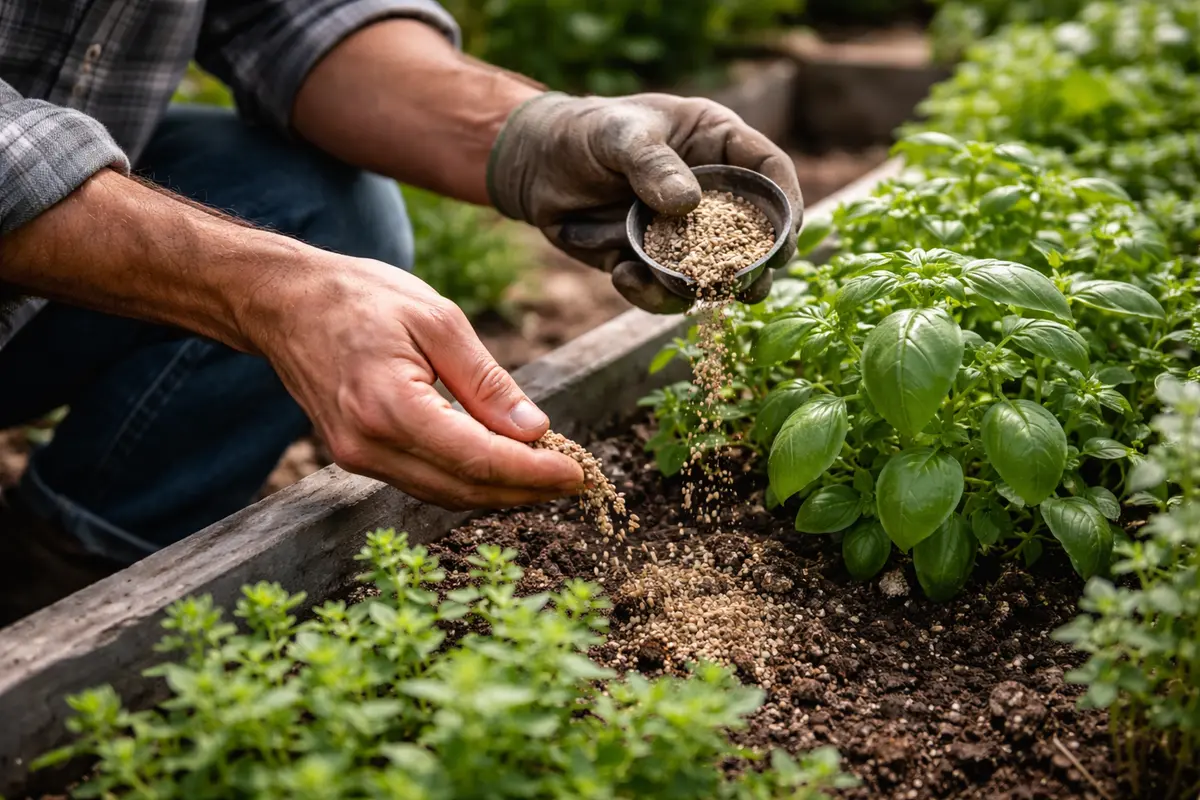
Fertilize your herbs with a balanced, diluted liquid fertilizer every four to six weeks to promote vibrant growth. You should observe new leaf sprouts and thicker stems within a few weeks of feeding the plants. Healthy nutrients contribute significantly to combating leggy growth through improvement in vigor and resilience, particularly during active growing seasons when higher nutrient demands occur. If these critical growth periods are skipped, herbs struggle to recover and develop new healthy growth. Pay attention to any discolored leaf margins, which might indicate a deficiency.
When applying fertilizer, focus on keeping to the recommended dilution; a common ratio is generally half-strength of what’s stated on the package. Feeding herbs with the right nutrients enhances their ability to photosynthesize, leading to stronger foliage and more robust stems. Nitrogen, phosphorus, and potassium are essential macronutrients that support overall growth and health. If you notice a difference in your herb’s growth after feeding but still experience issues, consider whether specific micro-nutrient deficiencies might still exist, such as iron or magnesium, which can also affect growth quality. If your leaves show signs of yellowing, this often signals an overall deficiency or imbalance in nutrients.
A common mistake is over-fertilizing; this can result in salt build-up in the soil, harming the roots of your herbs. To avoid this, always follow the package instructions and ensure you water the herbs thoroughly before applying fertilizer to dilute concentrations. Monitoring the soil moisture can prevent situations where excess salts concentrate in the root zone, noticeable as crusty tops of soil or wilting foliage. Keeping an eye on the soil texture around your herbs; if it feels crusty or visibly has white salt residues, this may indicate over-fertilization. During spring and summer, when growth peaks, ensure watering aligns with fertilization to dilute nutrient levels and avoid further complications.
If conditions permit and your herbs are still not thriving post-fertilization, consider using a compost tea as a gentler alternative. This method infuses nutrients more naturally without the harshness of chemical fertilizers. Remember to apply this solution occasionally rather than frequently to maintain a balanced nutrient buffer in the soil.
Step 4 – Inspect Herbs for New Growth Every Week
Inspect your herbs once a week to monitor for new growth and assess their overall health. You should look for signs of sturdier stems and fresh, vibrant leaves during these checks, indicating recovery progress. Keeping these regular inspection schedules helps catch any issues early on. It’s common for gardens to take a few weeks to respond positively to care, so patience is key at this stage while remaining vigilant for any signs of stress, such as discoloration, wilting leaves, or stunted growth that may indicate environmental issues that still need addressing. Observe closely during this phase; plants recovering from leggy growth should begin showing a more balanced leaf distribution across the stems.
During inspections, allow a few minutes to feel the stems and leaves; a healthy plant should have a firm texture rather than being flimsy or limp. New leaf growth should be sturdy and green, signaling adequate care. If the herbs still appear leggy or show signs of yellowing leaves, this could indicate stress from inadequate resources, soil issues, or pest infestations affecting root health. Regular monitoring allows timely interventions before symptoms escalate into more severe problems, offering a chance to apply quick corrective measures. If problems arise, investigate if pests such as aphids or spider mites are present, as they can quickly worsen the condition of weakened plants.
If issues persist despite following your care plan, consider re-evaluating your lighting situation or soil quality meticulously. Sometimes, a struggling herb may benefit from being repotted into fresh soil that drains better or offers additional nutrients. Check if the soil is compacted; that often reveals itself through poor drainage and drying spots, both detrimental to root health. If upon inspection the soil feels hard and dry yet the plant appears to still be wilting, that may be indicative of overwatering—or alternatively, not allowing sufficient air to circulate through the root zone. Small signs like dry patches can indicate under-watering or nutrient leaching, impacting growth. It’s imperative to remain attentive to the herb’s needs—small shifts in care can prompt significant improvements over time. Waiting too long to act could result in long-term viability concerns or complete loss of your herbs.
FAQ
How long does it take for herbs to recover from leggy growth?
Typically, you can expect improvement in your herbs within two to three weeks after making necessary adjustments, such as trimming and optimizing their light exposure. Early signs of recovery include the emergence of shortened internodes and fresh shoots. Monitoring any significant shift in growth patterns will help determine if additional changes are required.
Can leggy growth spread to neighboring plants?
Leggy growth itself does not spread from one plant to another; however, poor growing conditions like insufficient light can adversely affect all plants nearby if not amended. Adjusting your care regimen for affected herbs, while considering the surrounding plants’ needs, helps maintain healthy growth overall. Frequent rotation of plants can also ensure equal access to available light, preventing leggy traits from developing across different herbs.
Should I remove all the leggy stems at once?
Removing leggy stems should be a gradual process—pruning too much at once can shock the plant, potentially hindering its recovery. Focus on trimming the most affected shoots first—this helps alleviate immediate stress on the plant without overwhelming it. Monitoring how the plant responds before proceeding with further pruning will allow you to gauge its recovery and ensure energy remains concentrated on producing new growth rather than recovering from excessive trimming.