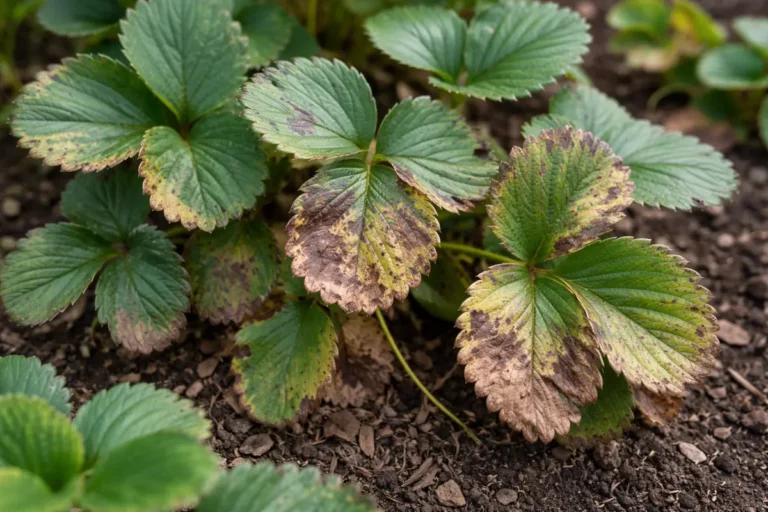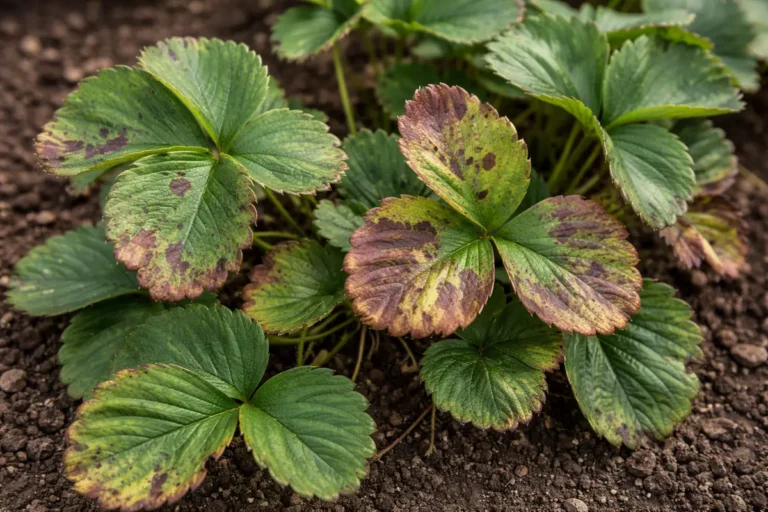
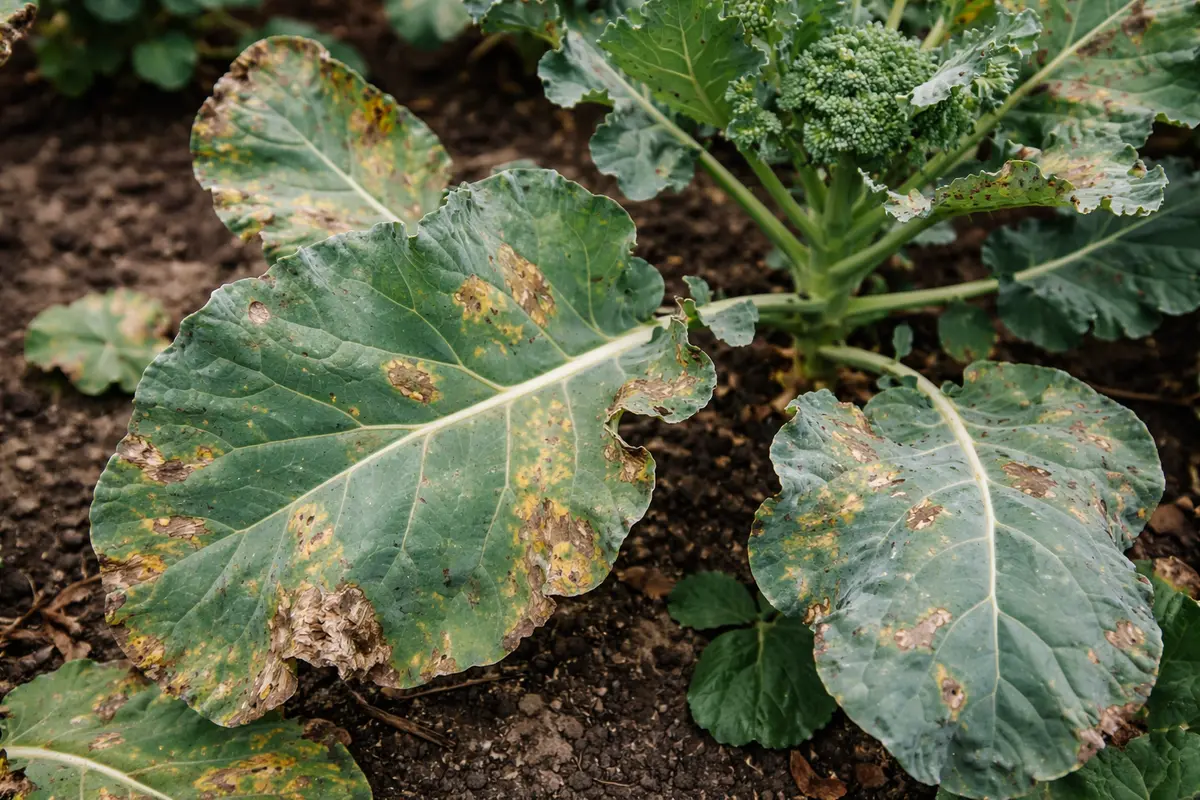
You may notice that your broccoli plants are developing brown patches when the weather turns hot and humid, which is why you need to know what to do when broccoli develops brown patches in the garden. This browning often indicates problems like sunscald or fungal infections that can lead to further damage if left untreated. If ignored, the issue can spread and weaken the plant, making it harder to fix later; however, you can still improve the situation by inspecting the affected areas and adjusting your care routine accordingly.
Step 1 – Cut Off Brown Broccoli Patches Immediately
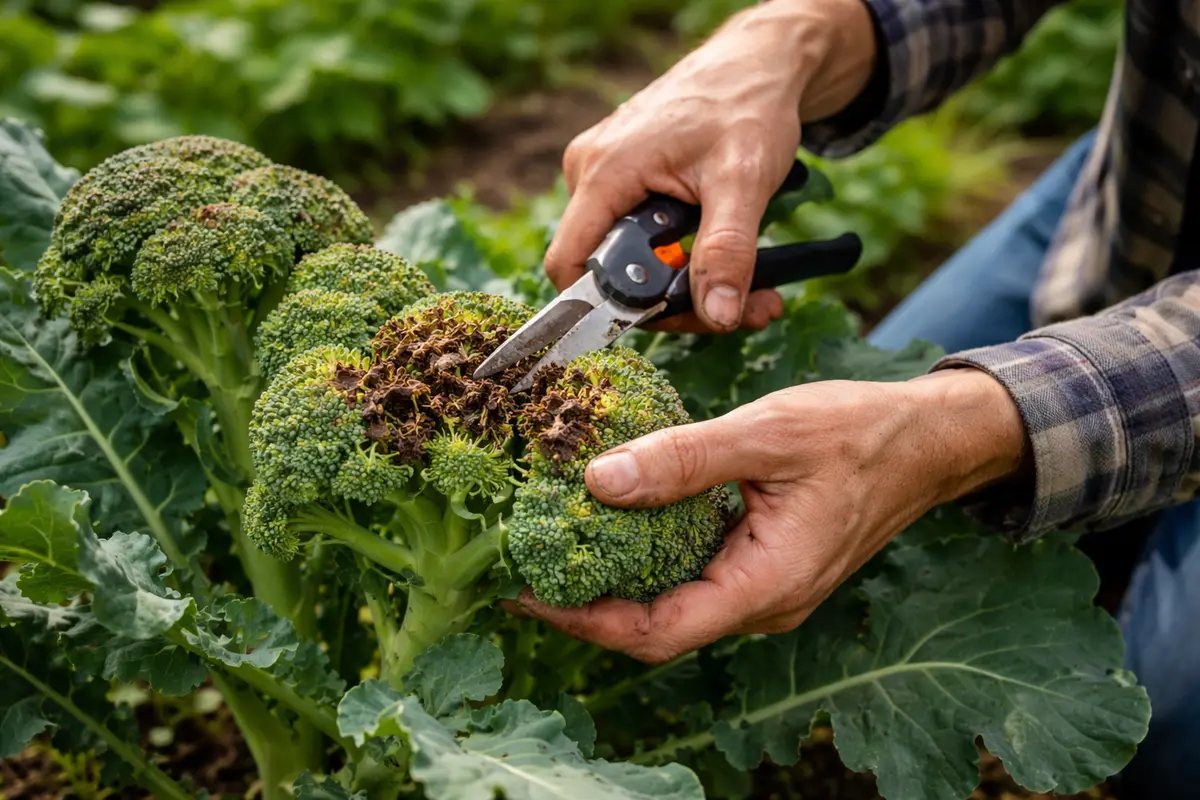
Begin by cutting off any brown patches on the broccoli leaves. You will see immediate improvement as the plant starts directing its energy toward healthier leaves. Use sharp, sterilized scissors or garden shears to make clean cuts, avoiding further injury to the plant. When cutting, ensure your tools are clean to avoid introducing new pathogens that could hinder recovery. Aim to make your cuts at the junction where the leaf meets the main stem to minimize any potential damage.
Removing the affected foliage is crucial because it helps stop the spread of any underlying issues, such as disease or pests, which could worsen if left unattended. The brown parts can harbor pathogens, such as fungi or bacteria, that inhibit growth. When you make this cut, it allows the remaining healthy leaves to better photosynthesize and nourish the plant, providing a visible transformation within days, typically seen as greener, firmer leaves as they get more light and nutrients. After cutting, you should see an increase in new leaf growth and overall plant vigor within a week, as the broccoli begins to recover.
One common mistake at this stage is assuming that simply trimming the edges of the leaves will suffice. Many novice gardeners neglect to cut back all affected areas, thus allowing the issue to persist. If brown patches continue to appear after your initial cuts, it may indicate a more serious root cause, making observant checks essential at this time. If more than one-third of the leaf is brown, it’s better to cut the entire leaf off to encourage new growth and reduce stress. If the cuts are not made far enough into healthy tissue, you risk having the disease return quickly. Therefore, ensuring your cutting technique is precise will impact the plant’s potential for recovery significantly; careful monitoring will help confirm the plant’s response to these interventions over the following days.
Step 2 – Examine Broccoli for Pest Infestations
Start by inspecting your broccoli plants for symptoms like brown patches. Examine the underside of the leaves and the stems for pests or fungal growth. If you identify aphids or powdery mildew, treat them with appropriate organic insecticides or fungicides, respectively. After treatment, you should expect to see an improvement in the leaf coloration within a week, characterized by the reduction of browned areas and the sign of new, healthy foliage.
Brown patches on broccoli can be a result of both pest infestations and fungal infections, which weaken the plant. For instance, aphids sap the vigor from the plant by feeding on its sap, while powdery mildew thrives in humid conditions, creating a powdery white coating that can lead to browning as the plant struggles to photosynthesize properly. If the brown patches are accompanied by a sticky residue, aphids are likely the culprit; otherwise, check for mildew signs. Additionally, if any visible webs are present, consider spider mites as another potential pest contributing to the browning.
If the soil smells sour, indicating potential root rot, remove affected plants immediately and alter your watering schedule to prevent over-saturation. Alternatively, if you see similar discoloration but without brown patches, check for nutrient deficiencies, particularly nitrogen, and apply a balanced fertilizer accordingly to promote healthy foliage growth. A common pitfall is directing efforts toward foliage treatment without considering the underlying soil health and pest environment. Identifying issues early with robust examination techniques ensures that pest problems do not escalate. Furthermore, immediate actions can help prevent a minor issue from evolving into an infestation, so regular scouting for signs of pests is vital.
People often overlook pest-related issues, which can lead to brown patches. Aphids, for example, sap moisture and nutrients from plants, weakening them and causing discoloration. Checking for aphids often reveals clusters of them clinging to new growth, indicating a serious problem. In addition to aphids, caterpillars can create holes, leading to initial browning before the leaf structure fails altogether. If caterpillars are present, you might notice frass (caterpillar droppings) near infested leaves, which can confirm their presence and the need for swift action. If you observe significant caterpillar damage, consider hand-picking them off or utilizing a targeted insecticide specifically for caterpillars. Regular monitoring of surrounding garden plants is also critical, as pests can easily spread from infested plants to healthy ones.
Step 3 – Water Broccoli Deeply to Aid Recovery
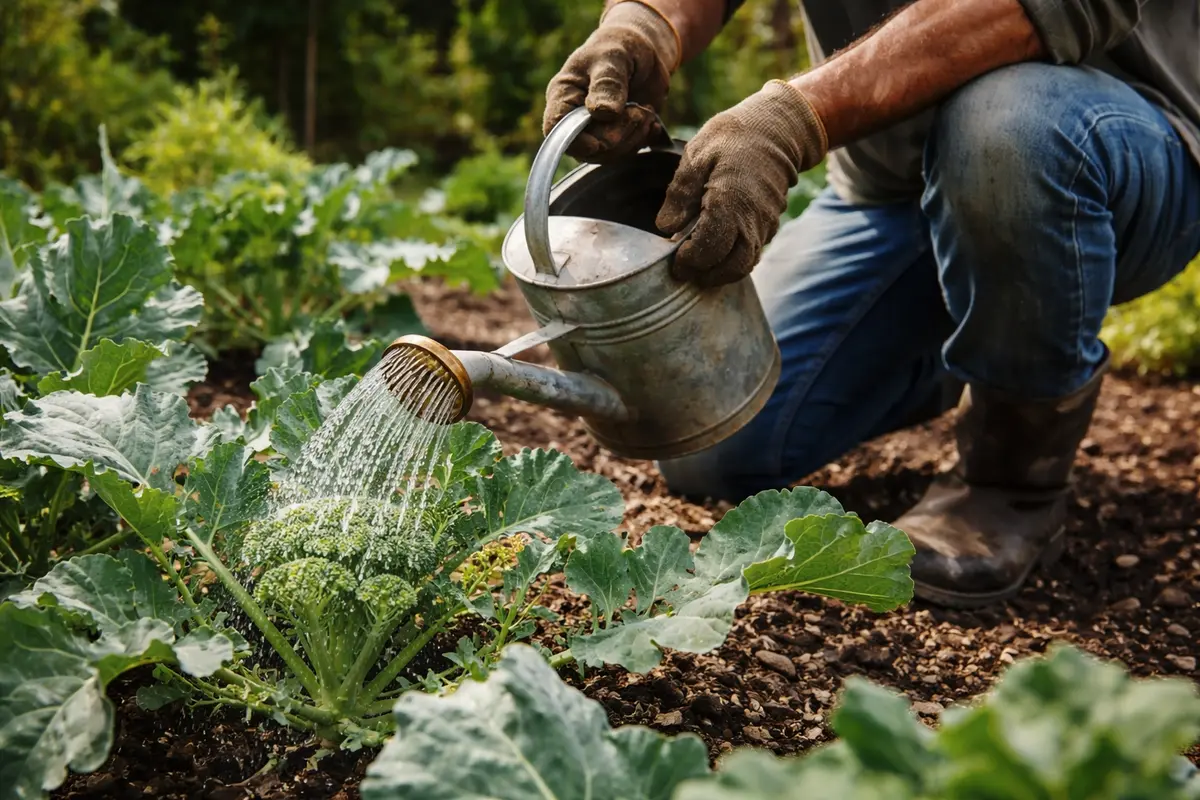
Water the soil around your broccoli deeply until moisture penetrates at least 6 inches down. Expect to see the soil darkening as it absorbs this added moisture, which will greatly aid recovery. Use a soaker hose or drip irrigation to avoid wetting the leaves to prevent further fungal issues, which are more likely to develop with moist foliage. Aim to water in the early morning to allow any moisture on the leaves to dry throughout the day, reducing the risk of disease.
Deep watering is essential because it encourages the root system to grow deeper, ultimately leading to a healthier, more resilient plant. When moisture reaches deep into the soil, it facilitates nutrient uptake and helps mitigate stress on the plant. If the soil moisture is consistently adequate, visual checks will show a noticeable improvement in leaf color and overall vitality within one or two weeks, with new growth emerging that looks robust and green. Conduct periodic finger tests by inserting your finger into the soil; if the top inch feels dry, it is time to water again.
A frequent mistake during recovery is over-watering, which can suffocate roots and lead to root rot. Therefore, monitor soil moisture and ensure it retains a balance; if the surface soil dries out within two days, it indicates that further watering is necessary. If you notice wilting leaves or mushy roots, it may signal over-watering, compelling you to adjust your watering routine. A quick soil test can help—if the soil feels saturated or boggy, allow it a few days to dry out before watering again. Using a moisture meter if uncertain can help ensure optimal conditions; aim for a reading that indicates consistently moist conditions without saturation. Monitoring your watering schedule can differentiate between flourishing plants and those on the brink of drowning, as consistency and careful observation yield the best outcomes.
Step 4 – Guard Against Brown Patches with Mulch
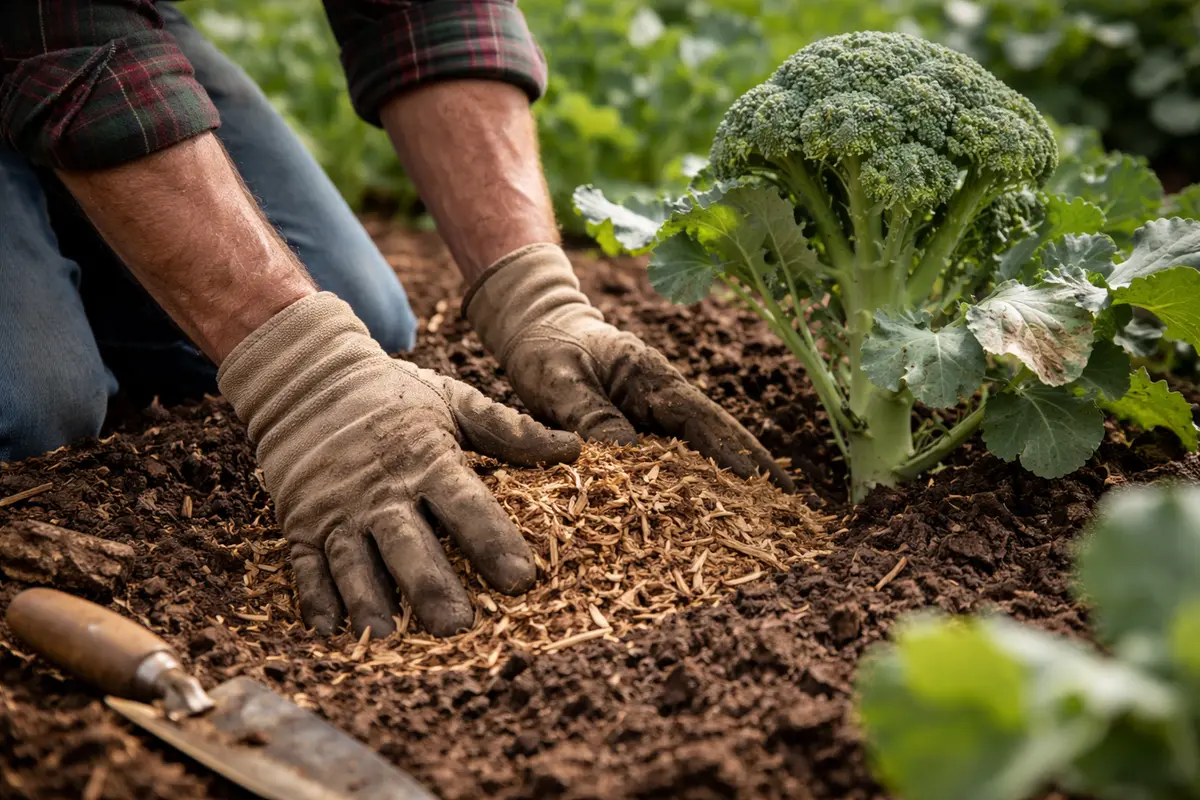
Apply a layer of organic mulch around the base of your broccoli plants. This will help retain soil moisture and regulate soil temperature, preventing conditions that lead to brown patches. Straw, wood chips, or shredded leaves make excellent choices for mulch and will also suppress weed growth, which competes for water and nutrients. Regularly refreshing the mulch layer can also enhance soil aeration, which is beneficial especially during the peak summer heat.
Using mulch provides insulation against temperature fluctuations while also suppressing weeds that might compete for nutrients and water. The ideal depth is 2 to 3 inches; be careful not to cover the plant stems directly, which might promote rot. If mulch touches the plant stems, it can trap moisture and create a more favorable environment for fungal diseases. Be sure to keep the mulch layer fluffy rather than compacted, as compaction reduces its effectiveness and can lead to poor drainage.
In very hot conditions, mulch can evaporate more quickly; hence, in such weather, consider replenishing the mulch every month. This practice ensures that your broccoli remains hydrated and healthy throughout dry spells, reducing the risk of patches developing again. Also, inspect mulch regularly for compaction; loose mulch is more effective at retaining moisture. If you notice soil moisture levels dropping rapidly despite the mulch, evaluate your irrigation schedule or consider adding more mulch to improve retention. Adjusting mulch density can also help retain soil moisture more effectively during drought periods, thus preventing unnecessary stress on the plants. Monitoring temperature extremes can signal when replenishing is necessary, as higher heat can diminish moisture retention significantly.
Step 5 – Inspect Broccoli Leaves for New Spots Weekly
Check your broccoli leaves for new brown spots at least once a week. You should observe fewer spots appearing, indicating that earlier interventions were effective. During this inspection, look for new growth to gauge whether the plant is recovering adequately; healthy leaves will show a vibrant green color without blemishes. Consider marking a calendar or planting journal to keep track of any changes you notice, including growth patterns or increasing symptoms.
Regularly monitoring your plants allows you to identify issues before they escalate into significant problems. A healthy broccoli plant should display vibrant, green leaves over time. If you notice new brown spots reappearing, it suggests that the original problem persists, necessitating further action. Documenting the frequency and spread of spots can also offer insight into whether your interventions are effective or need adjustment. An increase in brown patches may signify that pest populations are rising or that a fungal condition is re-emerging, prompting immediate reassessment of your care techniques.
If new spots do emerge despite previous efforts, a likely next step is to reassess pest management strategies or consider more aggressive treatments. Additionally, checking surrounding plants in your garden can help determine if the issue could be spreading from nearby crops. Keeping a close eye on neighboring plants will facilitate early detection and treatment, preventing widespread issues. Failure to monitor can lead to a situation where healthy plants become compromised quickly, so establishing a consistent inspection routine is essential for sustaining plant health. Implementing a schedule for monitoring can help ensure that inspections don’t get overlooked, making it easier to catch any symptoms early, significantly reducing recovery time.
FAQ
How long will it take for my broccoli to recover from brown patches?
Typically, you may see improvement within a week after taking corrective actions like watering and pest management. New leaf growth will be more resilient and healthy while damaged leaves show signs of recovery, often displaying a darker green color. Each plant may respond differently based on its health and environmental conditions, so patience is key; however, ongoing monitoring will help gauge progress effectively, letting you adjust your care as needed.
Will brown patches on broccoli spread to other plants?
Yes, if the underlying cause is not addressed, such as pests or disease, the brown patches can spread. To minimize risk, ensure regular inspections of neighboring plants can help catch any developing issues early. If you notice other plants in the vicinity showing discoloration or wilting, be proactive in inspecting and treating them as well to prevent wider infestation, as conditions that favor the disease can affect plants in the same environment.
Should I remove all affected leaves from my broccoli plant?
Yes, it’s advisable to remove brown patches and any severely affected leaves to prevent spreading. However, be careful not to over-prune; leaving some healthy foliage will support recovery and sustained growth. Always prioritize the most unhealthy or unsightly parts first while retaining some green leaves to assist with photosynthesis. Consider reducing the load gradually if many leaves are affected, ensuring you do not shock the plant while promoting its healing. This careful balancing act is crucial for effective recovery, particularly when combined with adequate watering and monitoring.