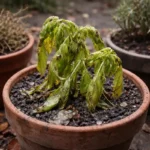
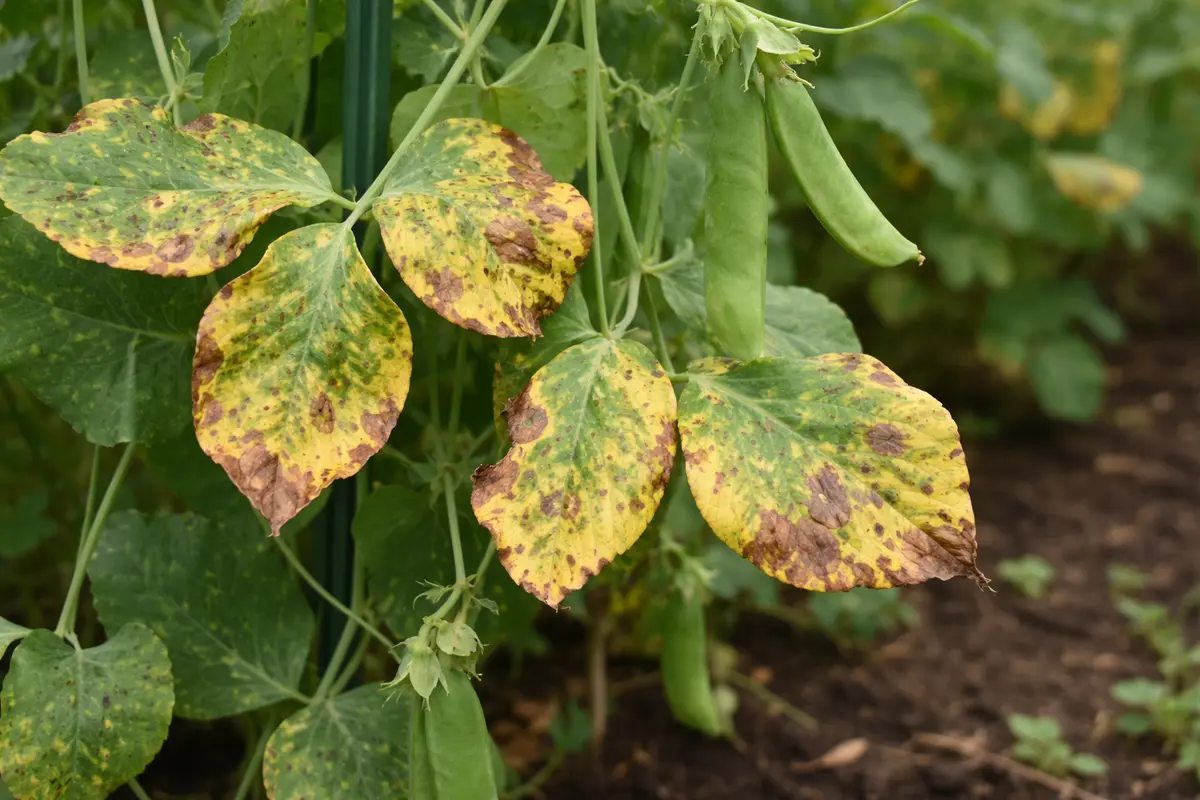
You may notice that your snap peas are showing signs of trouble during the warmer months, which is why you need to know “Why are my snap peas turning yellow during warm weather.” This yellowing can occur due to stress factors such as heat, causing damage to the leaves and impacting their vigor. If left unaddressed, this condition can worsen, leading to further damage and weakening the plant, but fixing it is possible now; simply inspect your plants, adjust their care, and monitor their health closely.
Step 1 – Inspect Snap Pea Leaves for Color Change
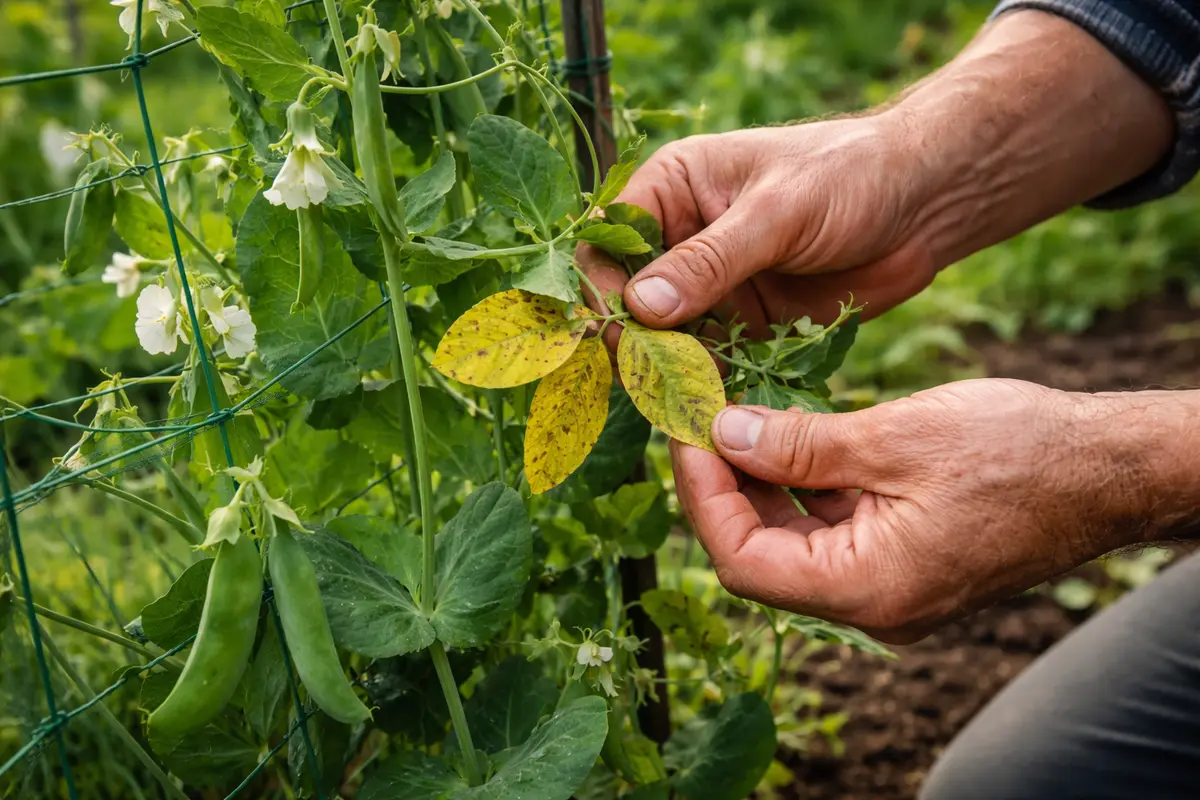
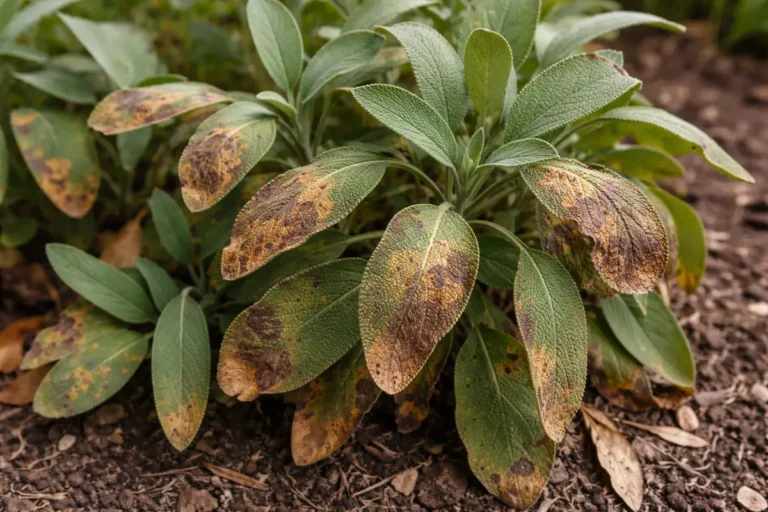
Begin by inspecting the leaves of your snap peas for any signs of yellowing or wilting. You will notice areas of discoloration or stress on the upper leaves, indicating immediate attention is necessary. If yellowing is widespread, it suggests the plant is experiencing distress, likely related to heat or water issues. It’s essential to check if the yellowing is consistent across multiple leaves or localized to just a few. Localized yellowing can indicate localized root damage or pest invasion; you might need to dig deeper into the plant’s health. Additionally, observe any stippling or spots that could signify a pest issue.
By acting quickly, you can prevent further damage to the plants. Snap peas are sensitive to environmental factors, and prolonged exposure to unfavorable conditions can lead to irreversible damage. If the yellowing shifts to browning and shriveling, vital nutrients fail to reach the plant tissues, culminating in stunted growth and reduced productivity. If the tips of the leaves are darkening, it may suggest nutrient deficiencies, particularly nitrogen, commonly affected by water stress in excess heat. You should also check the undersides of the leaves for any signs of aphids or spider mites that may be contributing to the yellowing.
Gardeners often wait too long before inspecting plants after noticing yellowing. This delay can result in the loss of entire sections of the plant, especially if root issues are present. It’s essential to act promptly; check for any draining issues and ensure your watering practices are adequate to avoid further distress. Look for signs of disease like powdery mildew or aphids, which can compound the yellowing issue if not addressed quickly. Utilizing a magnifying glass can help you detect tiny insects or fungal spots that are not immediately visible. A good practice is to inspect the soil pH as well, ensuring it falls within the ideal range for snap peas, around 6.0 to 7.0, as too high or low can stress the plant.
Step 2 – Diagnose Heat Stress in Snap Peas
Inspect the soil around your snap peas carefully. If it feels dry or has poor drainage, it could be contributing to heat stress, which leads to yellowing. If you address the issue by adjusting your irrigation schedule or improving drainage, you should see the plants begin to stabilize within a few days. Make sure to dig a little deeper, as surface dryness can be deceiving. If the top inch of the soil is dry, you may still find moisture deeper down, indicating a possible need to aerate or amend the soil for better moisture retention.
Heat stress in snap peas manifests through various symptoms, including yellowing leaves and drooping stems. Inadequate moisture in the soil hampers the roots’ ability to uptake water, leading to wilting and discoloration. If temperatures soar above 30°C (86°F) for extended periods, the plants can suffer even more as they struggle to maintain hydration and health. This situation is particularly critical during prolonged heat waves; it can lead to severe dehydration if irrigation isn’t consistently prioritized. Consider also that midday sun exposure can often exacerbate these stress signs, making afternoon checks crucial for early detection.
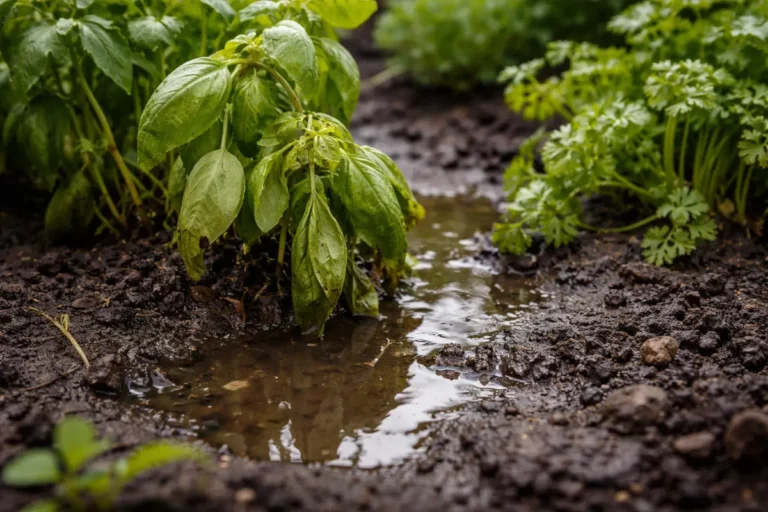
If you notice the soil is too compacted or has poor drainage, gently aerating the soil might be necessary. Compressing soil reduces oxygen availability to the roots, exacerbating the issues. Alternatively, if you find the soil holds too much moisture, consider shifting your watering routines or installing drip irrigation to improve effectiveness. If you observe pooling water after rainfall, it might indicate a need for regrading to enhance drainage. Also, observe the spacing between plants; overcrowding can trap heat and moisture, leading to increased leaf temperatures and higher stress levels. An optimal distance of 2-4 inches between plants generally aids in better airflow and reduces localized heat buildup.
Step 3 – Water Snap Peas Deeply for Recovery
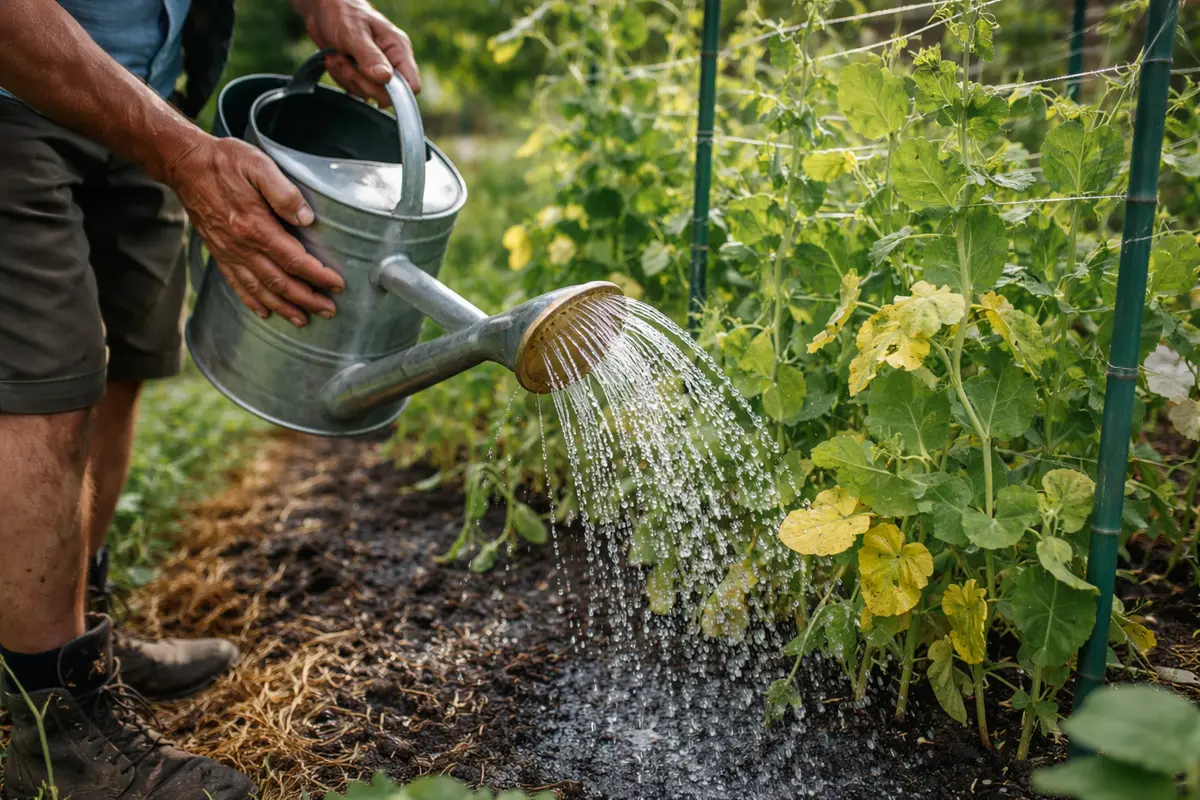
Water your snap peas deeply to help them recover from heat stress. You will see the leaves gradually regain their firmness and the yellowing begin to lessen within a week or so. Aim to water until the soil is consistently moist at least 6 inches deep, ensuring adequate hydration reaches the root zone. This depth ensures both the root system and the surrounding soil maintain moisture, preventing the plants from experiencing distress due to uneven watering. It’s best to use a soaker hose or drip irrigation to deliver water directly at the roots, minimizing evaporation.
Deep watering helps ensure the roots absorb the necessary moisture and nutrients. Snap peas thrive in well-drained yet damp environments, and maintaining this balance is crucial, especially during hotter months. Recovery can take several days depending on the initial level of stress, but you should start seeing improvements in a week if conditions are corrected. If you notice yellowing despite consistent deep watering, the issue may not only be hydration but also nutrient availability in the soil. Testing for phosphorus and potassium levels might be necessary, as deficiencies here can severely limit growth and recovery following stress events.
A common mistake is to water the plants lightly without checking the actual moisture levels in the soil. This can lead to surface moisture while leaving the lower root zone dry. Always check soil moisture manually by digging a bit down near the roots to ensure that your watering is effective and uniform. If you find the soil particularly dry, consider using mulch around the base of the plants to help retain soil moisture, which can significantly reduce the need for frequent watering without compromising hydration levels. Using an organic mulch, such as straw or shredded leaves, not only retains moisture but also adds organic matter to the soil as it breaks down.
Step 4 – Shield Snap Peas from Excess Sunlight
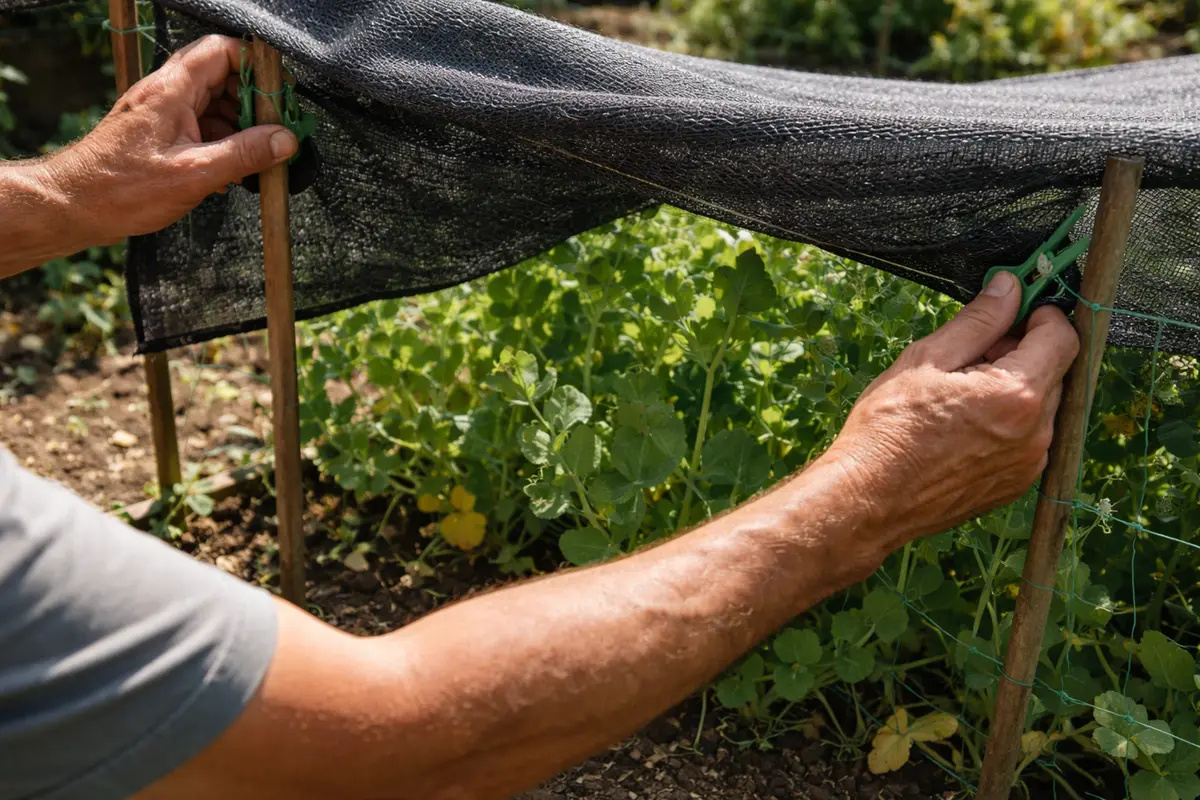
Start by providing shade for your snap peas during the hottest parts of the day using row covers or lightweight fabric. By reducing direct sunlight exposure, you should see a decrease in leaf yellowing and an improvement in overall plant color and vitality. Ensure that the shade doesn’t completely block airflow, as excess humidity can lead to fungal issues.
Excessive heat can cause snap peas to turn yellow as they struggle to cope with stress. Implementing shading measures directly addresses the issue by lowering surrounding temperatures, which prevents the plants from becoming heat-stressed. If your snap peas are turning yellow but remain well-watered, it is crucial to evaluate whether they are getting too much sun; if not this → check for signs of pests that may also stress the plants. Specific shading solutions like planting taller companion plants can also provide some relief by providing partial shade in the late afternoon.
In extremely hot climates, consider adding mulch around the base of your snap peas to help retain soil moisture and regulate temperature. Additionally, watering during the cooler parts of the day can further mitigate the heat’s impact and support optimal growth. This combination can be highly effective when temperatures soar during peak summer months. However, be cautious; if mulch retains too much moisture with inadequate drainage, it can lead to root issues over time.
Excess sunlight can exacerbate the stress, leading to further wilting or yellowing of the leaves. Finding the right balance between sun exposure and shading is vital. Shade cloth can effectively diffuse direct sunlight, helping retain moisture in the soil as well. Aim for a shading percentage of about 30-50% during peak sun hours, as full shade can hinder photosynthesis necessary for pod development. Regularly reassess your shading tactics as seasonal weather conditions evolve; adaptability is crucial to maintaining plant health.
Step 5 – Check for New Yellowing on Snap Peas Weekly
Start by checking your snap peas every few days for changes in color, particularly looking for signs of green returning to the leaves. Observe the leaf texture; a return to a smooth and vibrant texture indicates recovery. Recheck at a weekly interval to track any further changes or the continuation of the yellowing, as this can help pinpoint if the warmth is consistently stressing the plants.
A fully recovered snap pea plant displays bright green leaves that are firm and smooth to the touch, contrasting with the early signs of yellowing that may appear dull and slightly wilted. If the yellow leaves begin to sag or lose their crispness again, this signals that stress is returning, likely due to temperature fluctuations or insufficient moisture. If the plant appears disheveled and limp, indicating poor health, take a close look at watering practices.
If yellowing persists despite following the earlier steps, consider adjusting your watering schedule by increasing frequency during heat waves or shading the plants in extreme sun. If these adjustments fail to yield improvement, then explore more severe issues such as pest damage or nutrient deficiencies that might need targeted interventions.
A fully recovered snap pea plant will display vibrant green leaves, erect stems, and signs of healthy growing pods. However, if leaves begin to soften again and new spots of yellow appear, it signals that root issues or environmental stressors may still be at play. Watching for these details informs your next steps and ensures quick responses. If you can observe shorter intervals between yellowing appearances, it could indicate soil pH imbalance or nutrient leaching due to excess rainfall or poor drainage. Consequently, take note of consistent symptoms and correlate them with distinct environmental factors.
If you see any signs of yellowing returning, reassess your watering schedule and soil moisture levels immediately. Increased heat may necessitate deeper watering sessions or a review of sunlight exposure strategies. For example, if you’ve just shifted to deeper watering and the plants still show stress, consider adjusting watering frequency or even the types of amendments you use in the soil to encourage nutrient uptake. Act quickly to adjust your practices to avoid repeating the stress cycle; learn any lessons from similar situations in the past. If the yellowing persists despite adjustments, consider testing your soil nutrient levels to rule out deficiencies or ponder cultivating different crops or varieties that are more suitable for hotter climates.
FAQ
How long does it take for snap peas to recover from yellowing?
Recovery for snap peas can take anywhere from a week to several weeks, depending on the initial severity of the stress. Proper watering, shading, and timely intervention can show visible improvement within a few days. However, if the plants have substantial root stress or nutritional deficiencies, it may take longer for the yield to normalize. Regular monitoring during the recovery phase is essential to ensure your interventions are effective.
Can excess watering also cause yellowing in snap peas?
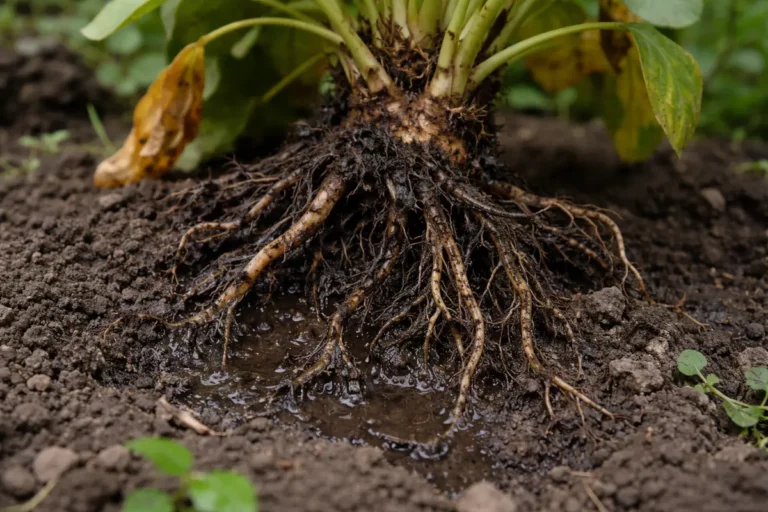
Yes, overwatering can lead to root rot and poor oxygen availability, causing yellowing leaves. It’s essential to balance moisture and ensure good drainage to keep snap peas healthy. If frequent rain or excessive watering is present during warm seasons, consider utilizing raised beds to help manage moisture more effectively. Furthermore, adjust your watering schedule as needed, particularly after heavy rainfall.
Should I remove yellow leaves from my snap peas?
Yes, removing yellowing leaves can help improve air circulation and focus the plant’s energy on healthy foliage. This should be done carefully, ensuring that you do not damage healthy branches or blooms. If you observe that a significant number of leaves are yellowing, prioritize removal of the most affected portions to reduce the chance of potential disease spread. Disposing of these leaves away from the garden can help prevent any infections from spreading to nearby plants.