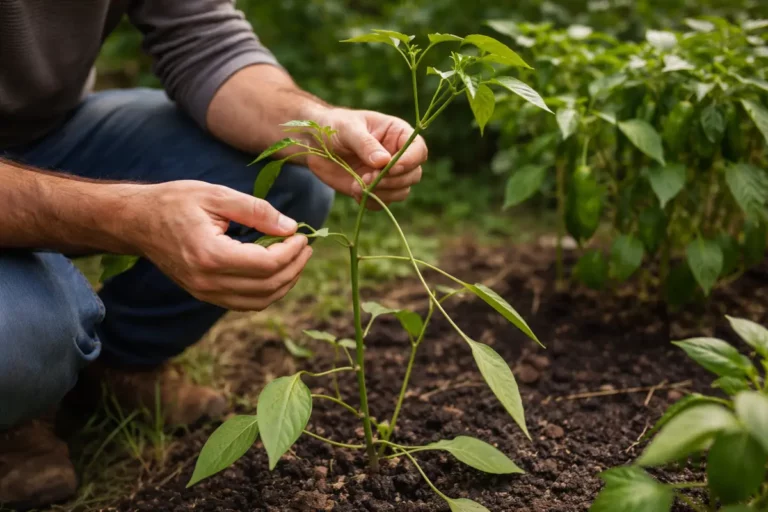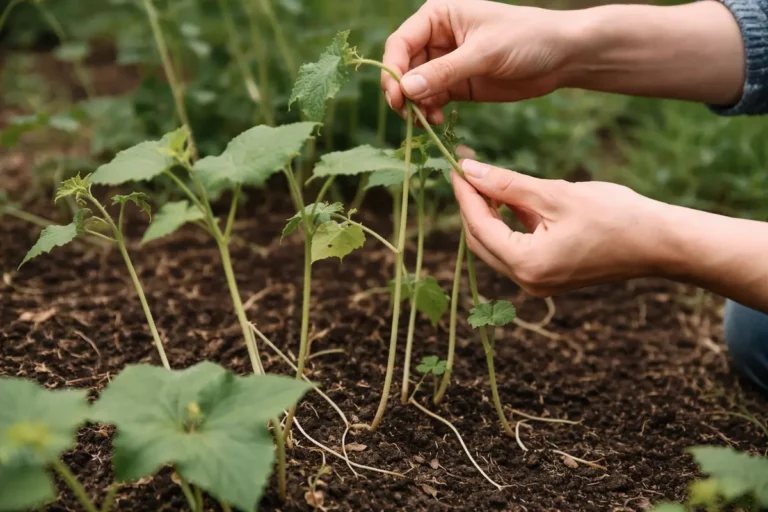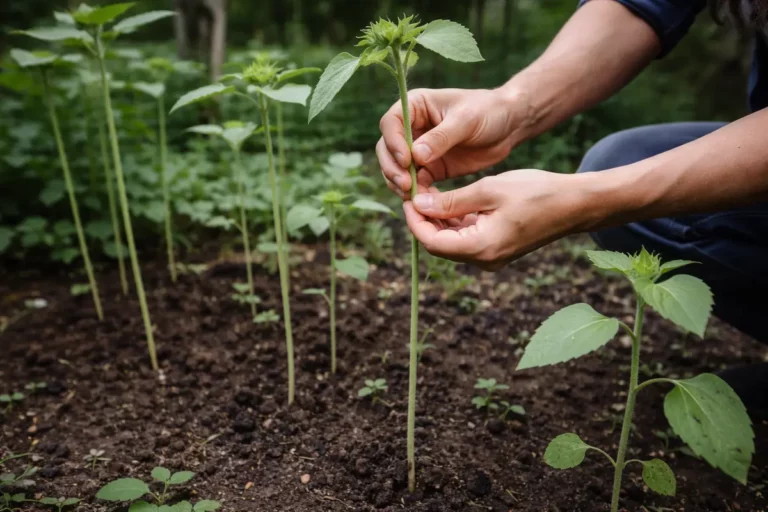
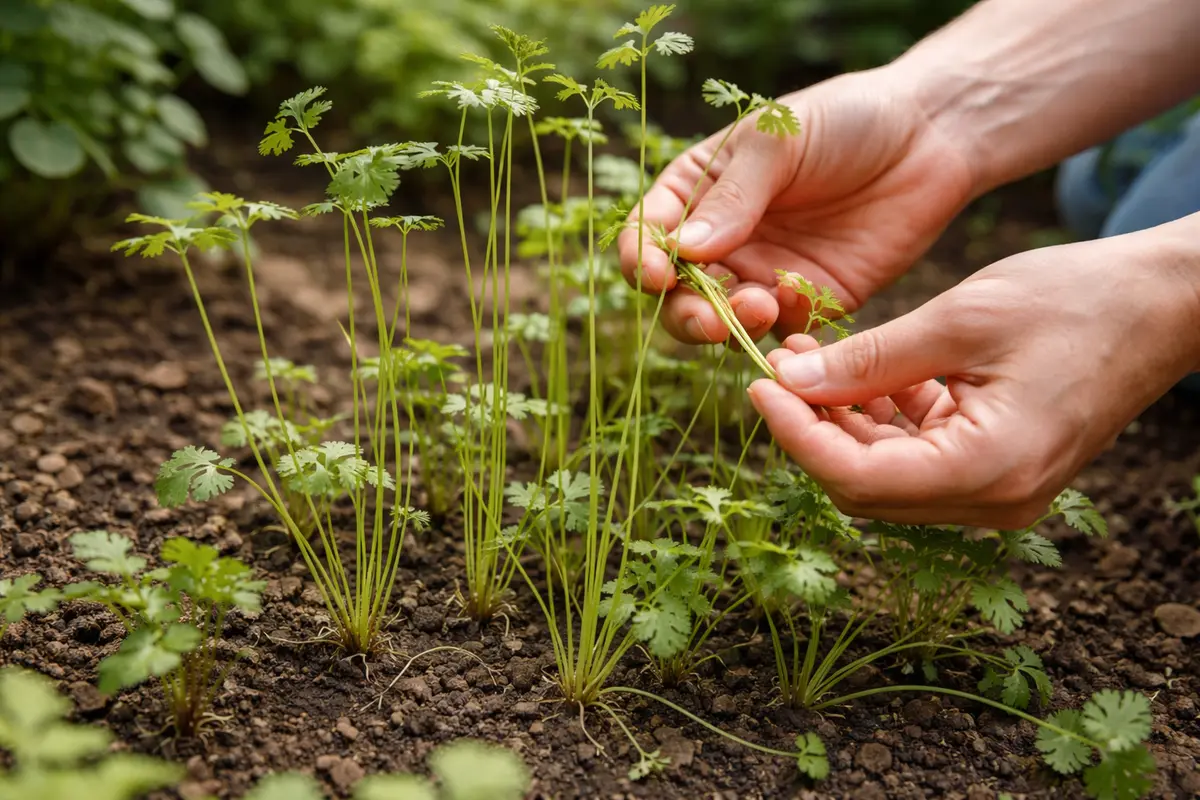
You may notice your cilantro becoming tall and spindly when grown under limited indoor light, which is why you need to know how to treat leggy growth on cilantro in indoor light. This leggy growth occurs as the plant stretches toward the light source, resulting in weak stems and a higher risk of wilting. If ignored, this condition worsens, ultimately weakening the plant and making it harder to fix, but you can take action now by adjusting the light source and trimming back the overly leggy stems.
Step 1 – Prune Leggy Cilantro Stems Immediately
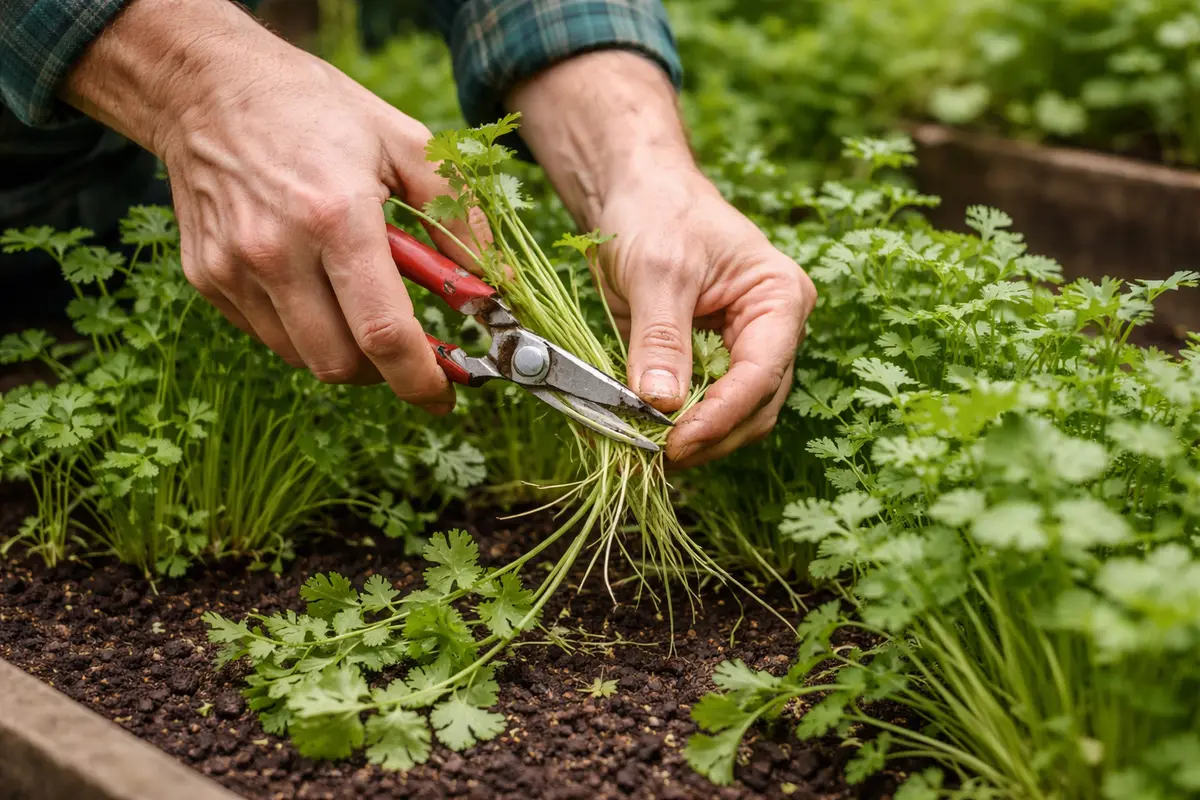
Start by examining your cilantro for any signs of root rot or insufficient light. If the base of the stems feels mushy, trim back the stems to healthy tissue, leaving at least a few sets of leaves per plant. After making these cuts, you should observe more upright growth within a few days as the plant redirects its energy to the remaining leaves.
Acting quickly on leggy cilantro is crucial because the longer plants remain in suboptimal conditions, the more they divert energy to elongate stems rather than reinforce the root system. This delay can result in weak stems that are less able to support new growth. If you notice the upper growth turning yellow or wilting after a week, it signals that the plant is struggling; if not this, then check for signs of over-watering.
In one instance, a gardener waited too long to address their cilantro’s legginess, resulting in plants that never stabilized and eventually succumbed to disease. A common error is neglecting to adjust light levels after planting; upon realization, many gardeners rush to rectify it, fearing the loss of their plants. Reacting promptly helps prevent stunted growth and encourages the plants to thrive.
By pruning the leggy parts, you allow the cilantro to focus on developing a bushier growth pattern instead of stretching toward the light. Here, the plant can sense a reduction in vegetative stress and allocate its resources to healthier shoots and leaves. Quick action prevents the issue from worsening, leading to reduced yields or even plant death if left unaddressed. Regular pruning can also encourage branching, leading to a fuller plant, which is especially beneficial given cilantro’s natural growth habits. Over time, this will manifest as increased leaf density, providing an ideal culinary garnish and fresh aroma.
Many gardeners mistakenly wait too long to prune, hoping that the plant will fill in as it grows. This often leads to even taller, weaker stems that may flop over. Another common error is cutting only a portion of the leggy stems; pruning should be consistent across all affected parts to achieve balanced growth. Look for stems that are noticeably thinner and less vigorous, as these are the most prone to being leggy. After a careful initial cut, assess the overall plant structure—if most stems are weak, consider cutting back more aggressively to promote a healthier set of growth from the base. This can help rebuild the plant’s strength and ultimately sustain healthier foliage in the long run, preventing the return of leggy growth. The right timing for this cut is crucial; doing so first thing in the morning can help minimize additional stress on the plant before it faces heat from sunlight.
Step 2 – Diagnose Too Much Indoor Lighting for Cilantro
Start by repositioning your cilantro plants to an area with better light, ensuring they receive at least 12 to 14 hours of bright, indirect light each day. Observably, you should see the growth become more compact and bushy over the next few weeks as the plants respond positively to the increased light exposure. If this change is made right after the pruning step, the plant will still be adjusting to the new cut while benefiting from enhanced lighting conditions, providing a crucial reset for its growth patterns.
This leggy growth occurs as the cilantro stretches toward insufficient light, causing the stems to elongate while the leaves become sparse. The roots, seeking nutrients in a suboptimal environment, fail to support robust growth, limiting the plant’s ability to produce a fuller canopy. Inspect the soil; dark, dense, and damp soil typically indicates low aeration, while dry soil often leads to stunted, fragile growth. If left unchecked, these drainage issues can exacerbate leggy symptoms as the roots struggle to uptake necessary moisture and nutrients, compounding the problem.
If the soil smells sour, check for root rot by observing the roots for any dark or mushy appearance; in that case, repot the cilantro in fresh, well-draining soil to promote healthier root development. Alternatively, if the leaves appear yellow rather than just sparse, the problem might stem from nutrient deficiencies, requiring you to apply a balanced organic fertilizer instead. Here, it’s crucial to monitor the moisture levels; if you notice soggy conditions, the root’s health will rapidly decline, inhibiting its recovery from leggy growth. Cilantro thrives when it gets adequate but not excessive light, ideally around 12 to 16 hours of bright, indirect light each day. Too much direct light can damage the leaves and slant growth patterns, leading to that unsightly leggy appearance. If you can identify signs of stress, such as yellowing or browning of the leaf margins, it’s crucial to relocate your cilantro to a spot with filtered light or move it a few feet away from the window that emits harsh afternoon rays. If using artificial lights, replace existing bulbs with full-spectrum grow lights that closely mimic natural sunlight, ensuring they are positioned about 12-24 inches above the plants to avoid damaging foliage. This distance allows adequate light while preventing leaf burn.
If you notice that the bottom leaves are turning yellow while the top is still green, that indicates too much light. Inspect the plants, particularly after high light exposure times, and you may find that the soil moisture levels fluctuate significantly, adding stress. In cases where the area receives inadequate light, the opposite may occur — stunted growth coupled with weaker upper stems as they stretch toward the light source. Thoroughly inspect your plant’s exposure conditions to determine necessary adjustments and rotate your cilantro pot occasionally to ensure all parts receive equal exposure, as uneven light can also contribute to leggy growth patterns. If multiple pots are affected, try adjusting their arrangements to maximize exposure and mitigate shadowing from neighboring plants. Also, check for any obstructions in the room, such as curtains or furniture, that may block natural light, as these can significantly impact an indoor plant’s growth.
Step 3 – Feed Cilantro to Encourage Healthy Growth
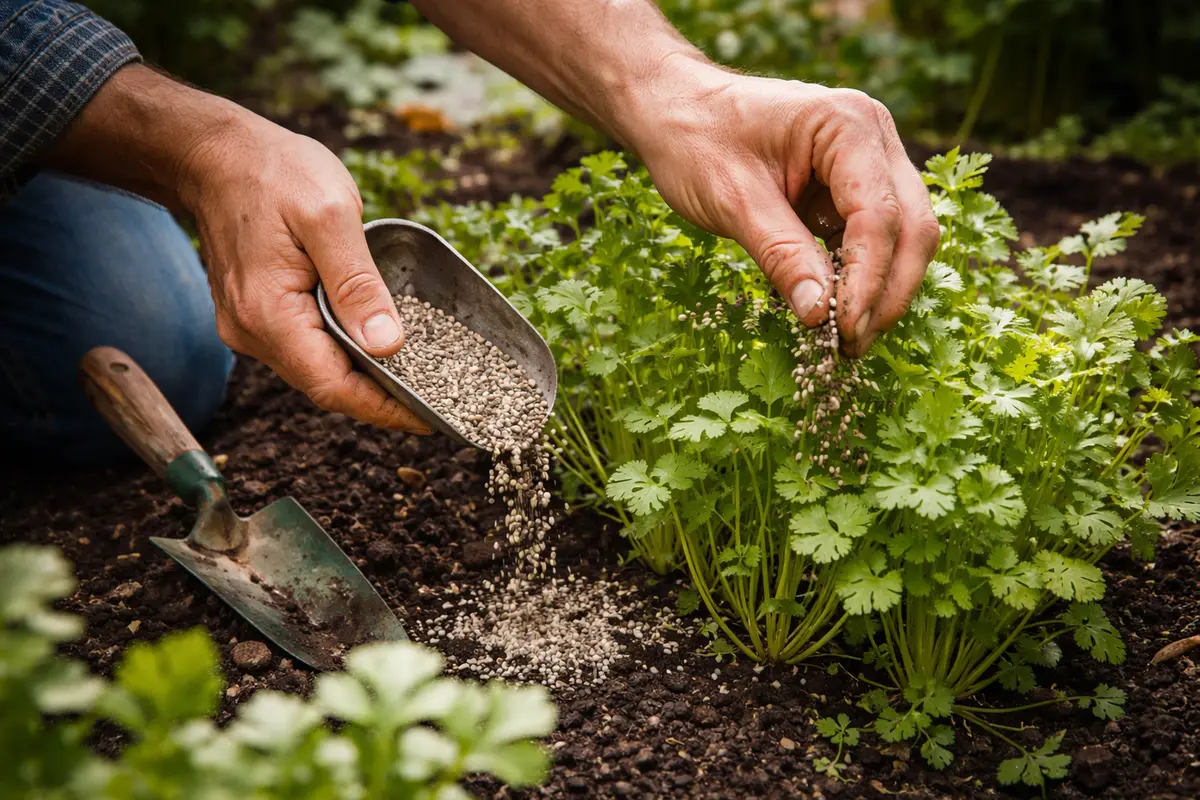
Fertilize your cilantro with a balanced fertilizer to support recovery. You will notice new leaf growth and a healthier overall appearance within a week or two of adding nutrients. A good fertilizer can also help green up any yellowing leaves while ensuring robust foliage. Using a diluted liquid fertilizer at half strength every 4-6 weeks during the growing season is typically ideal, taking care to mix it in water thoroughly beforehand to avoid concentrated nutrient hotspots that can harm roots. Monitoring leaf color and growth rate will provide insights into the plant’s response; vigorous growth signals healthy root function, while persistent yellowing can indicate a nutrient deficiency, especially nitrogen.
Healthy cilantro plants require adequate nutrients, particularly nitrogen, during their growing phase. Nutrients help the roots absorb more water and essential elements from the soil, ultimately promoting enhanced foliage density. It’s also important to check that your soil is well-draining to prevent root stress; avoid using heavy potting mixes that can retain too much moisture, often resulting in root rot. Mistakenly using compacted soil often leads to poor root respiration and nutrient uptake, exacerbating leggy growth symptoms, and hindering overall development. Switch to a loose, high-quality potting mix that encourages better drainage, focusing on lighter formulations to improve the aeration around the roots.
One mistake many growers make is over-fertilizing, which can burn the roots or leaves. When this happens, you’ll see leaf edges browning or wilting, which can increase leggy tendencies as the plant becomes stressed. Always follow the manufacturer’s instructions regarding frequency and dosage and avoid additional fertilization until the plant appears balanced. Additionally, if you opt for a slow-release fertilizer, monitor the plant closely to ensure it doesn’t receive too much nitrogen all at once, as this can also lead to compromised growth. If despite following all instructions the plant’s vigor does not improve, consider conducting a soil test to better understand its nutrient composition and determine if amendments are necessary. This could reveal whether the pH is affecting nutrient availability, and whether a fertilizer focused on specific deficiencies could improve results. Watch for any differences in the plant’s response, and if aspects fail to improve despite regular feeding, consider further analyzing the root health or soil environment.
Step 4 – Check Cilantro Leaves for Fresh Lengthening
Inspect your cilantro leaves every week to monitor their recovery progress actively. You should observe new, healthy growth and leaves becoming stronger after your interventions. Consistent visibility of lush green leaves is a positive sign that your efforts are working well. In contrast, if leaves still appear limp or are dropping from the bottom, it could signify that issues persist below the surface, requiring more detailed observation or intervention. As a gardener who has had experience with cilantro, taking notes in a gardening journal can also be an excellent practice; noting changes over time helps you identify what strategies yield the best results.
Healthy cilantro plants generally develop firm stems and vibrant foliage within a couple of weeks of following these steps. This observation is essential not only for assessing the effectiveness of your interventions but also for ensuring that your plant does not enter a return phase of leggy growth. Pay attention to any early signs of returning leggy growth — like thin stems or yellowing leaves — as these indicate underlying environmental issues that must be addressed swiftly. If you see persistent yellowing of the upper leaves despite new growth, it may signal an issue with nutrient absorption or root health that needs to be addressed further. Documenting soil moisture and checking roots occasionally can, therefore, provide more insight into the plant’s health state.
If the leggy growth returns despite your adjustments, consider evaluating your watering routine or enhancing indoor lighting conditions further. Too little water can stress the plant, exacerbating leggy growth tendencies. When watering, assess moisture by checking the top inch of the soil; if it feels dry but the plant appears droopy, it’s time to water. Conversely, saturated soil should be drained immediately to prevent root suffocation. If you continue to struggle, it may be wise to reassess the overall care routine for your cilantro and consider changing the soil or container to coerce healthier results. This change can often make a significant difference; a larger container can allow for more root growth and better access to nutrients, while also preventing root-bound conditions that hinder growth.
FAQ
How long will it take for cilantro to recover from leggy growth?
Recovery can typically be seen within one to three weeks after taking corrective measures like pruning and adjusting light exposure. With proper nutrition and care, you should see new growth within that timeframe. Regularly monitoring the plants and being patient will ultimately lead to a healthier variety. However, persistent leggy growth may indicate issues that require more targeted interventions, such as further adjustments to light or water.
Can over-fertilizing cilantro make leggy growth worse?
Yes, over-fertilizing can harm cilantro by causing nutrient burn, which weakens the plant and could lead to further leggy growth. Be attentive to the symptoms, such as burnt leaf edges or overall wilting, which could indicate an imbalance. Following the recommended dosage is crucial for ensuring healthy growth, so always carefully read the fertilizer labels and avoid excessive feeding, especially when growth appears stunted during recovery.
Should I remove the entire leggy stem or just cut it back?
It’s usually sufficient to cut back the leggy stem to a healthy node rather than removing it entirely. This approach encourages new growth without sacrificing the plant’s existing base. If multiple stems are affected, treat them simultaneously to ensure the plant grows uniformly, avoiding the appearance of uneven growth after recovery. Trim back consistently across all affected parts to maintain balance and promote a fuller plant structure.