You may notice your indoor snake plants drooping and losing their vibrant look during winter, which is why you need to know how to stop wilting in indoor snake plants during winter. This wilting often occurs due to reduced light and humidity levels in your home, leading to stressed plants that show signs of yellowing leaves. If left unaddressed, these symptoms can worsen, making it harder to fix and ultimately stalling growth; however, by inspecting the environment and adjusting care practices, you can improve their condition now.
Step 1 – Remove Wilting Leaves from Snake Plant
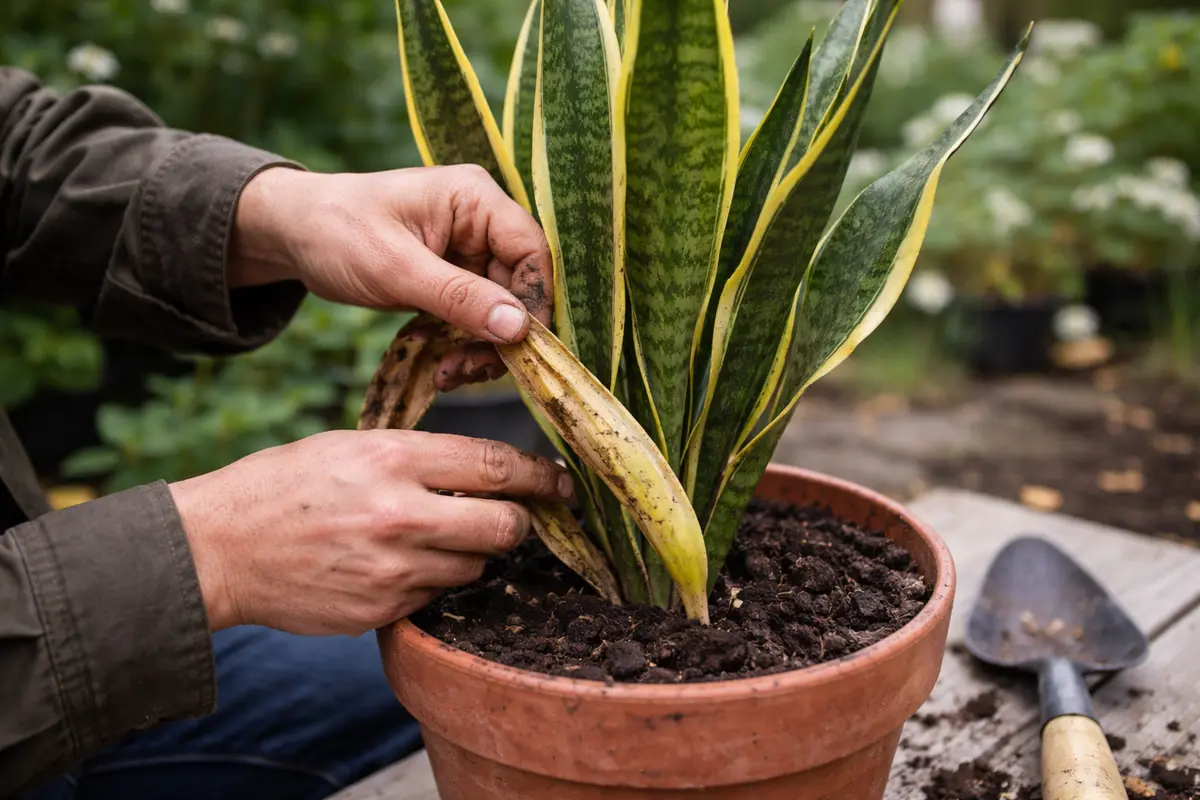
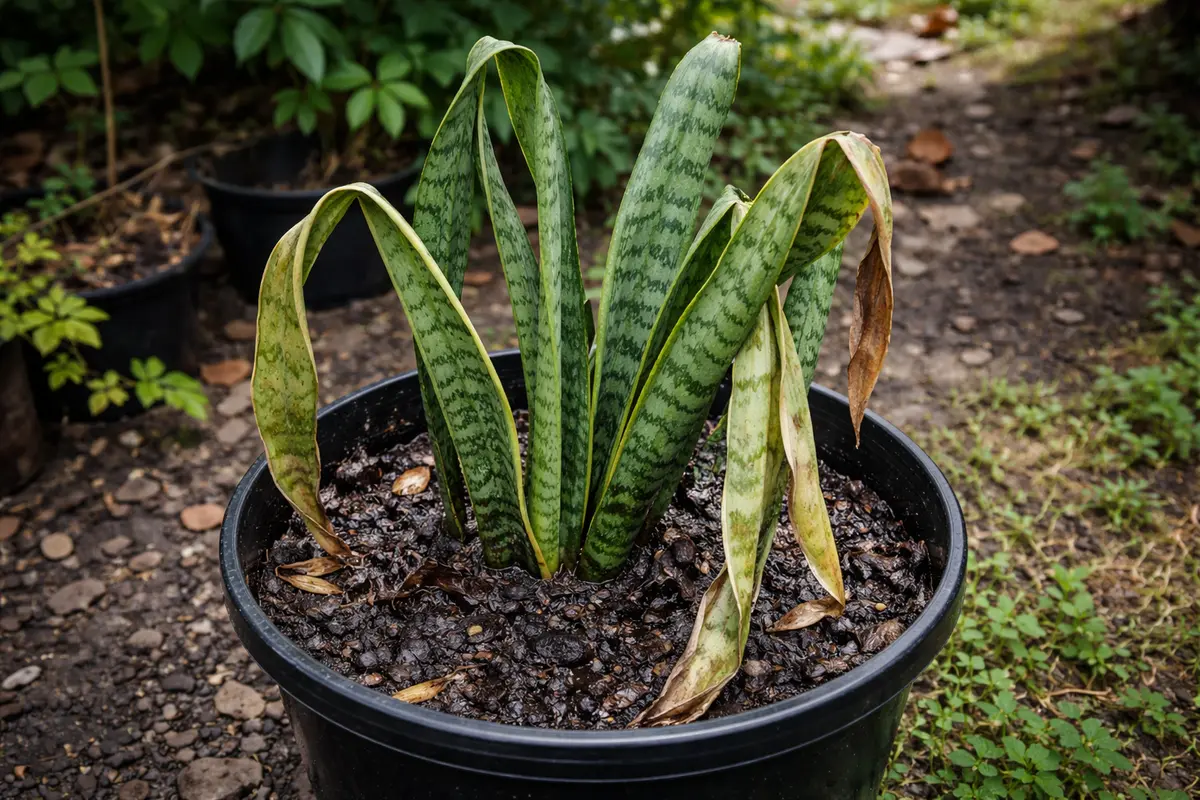
Your first move is to cut away any visibly wilting leaves from the snake plant. This will immediately reduce the stress on the plant, allowing it to redirect energy toward healthier growth. Pay attention to leaves that are limp, yellowing, or shriveling, as these are signs of severe damage. Quick action prevents the spread of any underlying issues, such as root rot or pest infestations.
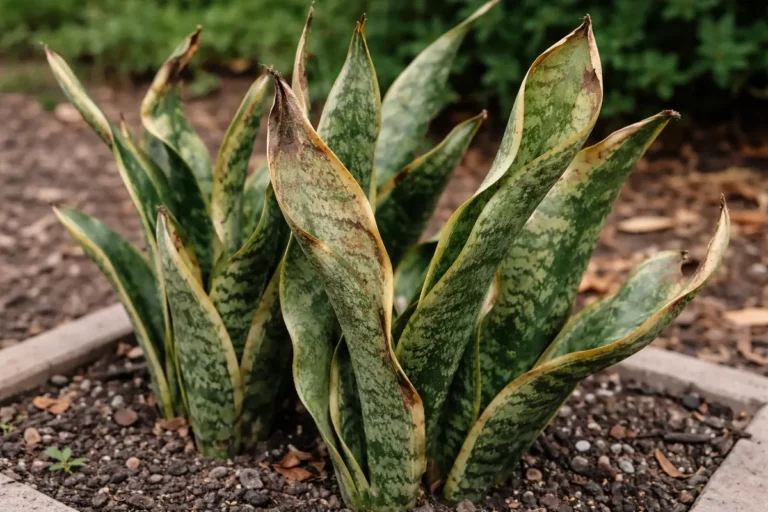
After removing the unhealthy foliage, inspect the remaining leaves for additional signs of stress or decay. In contrast, a snake plant with firm, upright leaves indicates satisfactory health and an effective moisture balance. If you notice continued wilting despite leaf removal, check the light conditions and ensure the plant is positioned in bright, indirect light rather than dark corners, where it may struggle.
Beware of the temptation to overwater the plant before checking its light exposure. Many gardeners mistakenly assume wilting means the plant needs water; however, excess moisture can exacerbate issues, especially if low light is also a factor. Addressing the light conditions first not only reduces wilting but prevents further stress that could lead to rot.
After cutting the leaves, monitor the remaining parts of the plant for any further decline. If some leaves continue to droop, it might indicate that support is still needed; examine if the light is appropriate. A snake plant thriving in adequate light conditions will maintain firm leaves, while those in insufficient light will show signs of stress, even after trimming.
Moreover, it’s crucial not to overlook the importance of using clean, sharp tools while making cuts. This practice helps avoid introducing pathogens that can compromise the health of the plant even further. Ensuring sterile tools during this process grants additional protection against diseases that could hinder recovery.
Lastly, if you find more than a few leaves wilting, it’s advisable to examine the overall health of the plant. Drooping leaves typically indicate either insufficient light or overwatering. Remove any leaves that are unwell to bolster the snake plant’s condition. If after removing a significant amount of foliage the plant still shows signs of severe wilting, consider checking the soil moisture and adjusting its position to maximize light exposure.
Step 2 – Diagnose Overwatering as Wilting Cause
Check the soil moisture levels immediately to determine if overwatering is causing the wilting. You should see excess water pooling in the bottom of the pot or feel overly damp soil. If you notice soggy conditions, it is likely contributing to root rot, which leads to further wilting and potential loss of your snake plant. To assess the soil moisture accurately, stick your finger about an inch deep into the soil; if it feels wet at this depth, overwatering is likely the culprit. If left unchecked, roots may begin to rot, leaving the plant unable to take up water, resulting in wilting that can fail to recover, even after corrected watering practices.
Overwatering your snake plant can lead to root suffocation, which prevents healthy roots from taking in necessary nutrients and moisture. As the roots become damaged, they can no longer support the plant, causing leaves to wilt noticeably. Identifying moisture levels in the soil allows for a swift response since snake plants prefer to dry out significantly between waterings. For instance, this allows them to exercise their natural water-storing capabilities and helps prevent excessive water retention. If the potting mix feels excessively wet, it might be time to consider a complete repot using a well-draining soil mix. Choosing a sandy or cactus soil blend typically enhances drainage and aeration, which is essential for preventing root-related issues.
If your soil smells sour or has a mushy consistency, it’s a strong sign that overwatering is severe, and you may need to reduce watering frequency. In that case, consider repotting your snake plant in fresh, well-draining soil to improve water retention conditions. This will help restore optimal root activity by allowing them to breathe more freely. Keep in mind that environmental factors like humidity and temperature can drastically affect how often you should water; plants in warmer, drier conditions will require more frequent hydration than during the cold winter months. Moreover, if using a decorative pot with no drainage, consider switching to one that allows excess moisture to escape, as this can prevent waterlogged conditions that lead to wilting. If the drainage holes are blocked, gently clear them to ensure the plant’s health; water should flow freely away from the roots to avoid drowning them.
Step 3 – Increase Light Exposure for Recovery
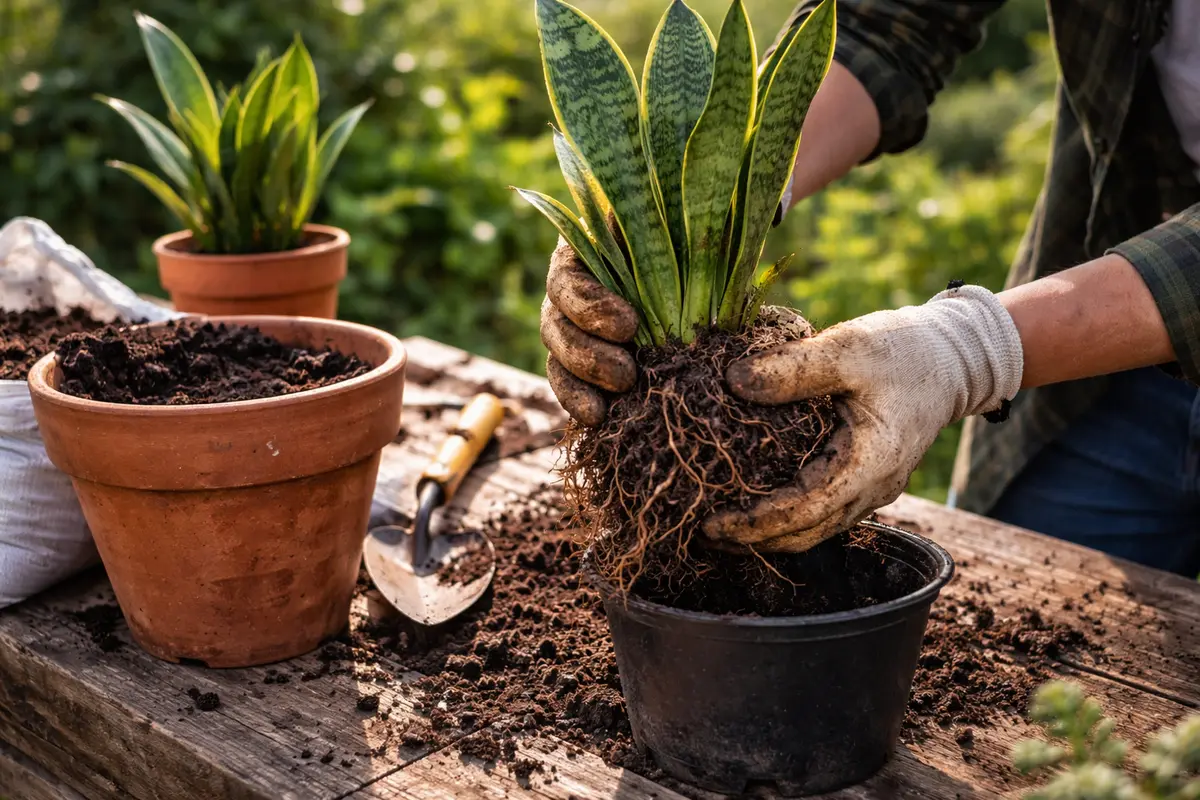
Start by moving your indoor snake plants to a brighter location with indirect sunlight. You will notice that the leaves will begin to perk up and improve in texture within a week as they absorb more light. You should also monitor their overall health regularly, as this adjustment can significantly stimulate growth and vigor. If you observe pale or elongated leaves, this indicates that your plant requires even more light exposure.
Recovery begins when you provide optimal light conditions, and you’ll typically see significant improvement within 2-4 weeks as the plant stabilizes. If the wilting does not improve, contrast this with signs of overexposure, such as browning leaf edges. Adjust the light further if browning occurs, moving the plant slightly further away from any bright sources. Gradually transitioning your plant toward a lighter area helps avoid shock while still fulfilling its light needs.
To prevent future wilting issues, establish a routine for relocating your plant based on seasonal changes, aiming for at least 12 hours of indirect sunlight per day. During winter, when days are shorter, consider utilizing grow lights for a few hours each day to maintain brightness. This is particularly crucial if natural light is severely limited. Regularly evaluate the placement, ensuring it’s neither too close to a direct light source nor in too dim an area.
Be cautious of excessive light exposure; if the plant begins to show signs of stress—such as leaf scorch or soft spots—it may need to be moved to a more shaded environment temporarily. Conversely, if the plant’s condition deteriorates despite adequate water and humidity, recheck the light exposure to ensure it’s receiving enough sunlight. Knowing when to adjust the light according to growth stages can protect you from wilting issues down the line.
During winter, fluctuations in temperature near windows can affect growth, so monitor these conditions closely when adjusting their light exposure. First, assess the light quality; if the plant is too close to a harsh light source, gradually move it back to mitigate any shock. Regularly check the plant’s response to new lighting within a week, as recovery may take time—be patient and ensure consistent exposure to suitable conditions.
Step 4 – Inspect Leaves for New Wilting Signs
Begin by inspecting the leaves of your snake plant for any new signs of wilting. Look for changes such as firmness and coloration; healthy leaves should be upright, green, and firm, while wilting leaves may appear limp or yellowing. Check these conditions every week to ensure your plant is responding positively to care adjustments. Use a moisture meter if necessary to determine whether the soil remains appropriately moist.
A fully recovered snake plant shows strong, vertical leaves with a lush green hue and a firm texture. If you notice limp leaves or discoloration returning, this suggests a potential relapse into wilting. Immediate action should be taken if any stress symptoms reappear, as early intervention is crucial in maintaining your plant’s health. Noticing consistent improvements reinforces effective care strategies, while early detection of issues supports ongoing maintenance.
For the next few weeks, continue to monitor the plant closely. Watch for any changes in the leaf’s firmness and color; if symptoms return, it may mean the root issues still linger. If your snake plant exhibits wilting symptoms again, further reduce watering frequency, as winter conditions can exacerbate sensitivity. If the light exposure feels inadequate, moving your plant to a brighter area could also be beneficial. Should the problems persist beyond two weeks, it’s essential to check the roots for signs of rot—specifically, a foul aroma or decaying matter. In such cases, repotting into fresh soil with improved drainage may be needed to restore root health.
Recognize that consistent, upright leaves with rich coloration indicate your plant has recovered successfully, while emerging growth and firmness across leaves affirm effective treatment. Remain vigilant; if even one leaf starts wilting again, it suggests possible overwatering or insufficient light. Take notes on observed changes to establish trends and refine your care methods as needed. Regular observations during changing temperatures and conditions will enhance your understanding of the plant’s health requirements.
FAQ
How long will it take for my snake plant to recover from wilting?
Recovery can take several weeks, depending on how quickly you address the underlying issues. Typically, you may start to see some improvement within a week if care conditions are promptly corrected, with significant changes observed as the plant stabilizes. If the wilting has led to root damage, the recovery might take longer, as the plant will need to establish new roots before displaying visible improvements. Tracking observable changes, like leaf firmness and color, can provide useful indicators of recovery speed.
Will my snake plant recover if the leaves are yellowing?
Yellowing leaves can indicate a serious issue, often linked to overwatering or persistent poor light conditions. If treated quickly, the plant can recover, but it may take longer for new growth to appear since the energy is redirected towards repairing its overall health. Regular monitoring and adjusting care practices are critical during this phase to ensure that the yellowing does not continue to spread. It’s essential to prune heavily affected areas to encourage full recovery and prevent energy waste on dying foliage.
Should I remove more leaves if they continue to wilt after trimming?
Yes, continue to remove any further wilting or dead leaves to allow the plant to allocate its energy efficiently. Always ensure that the health of the remaining foliage is stable to encourage overall recovery and promote fresh growth. Not addressing new wiltings may lead to broader issues down the line. You can also evaluate your watering schedule if wilting persists, as it may indicate that adjustments are necessary to fit the plant’s current environment better, especially during fluctuating winter temperatures.