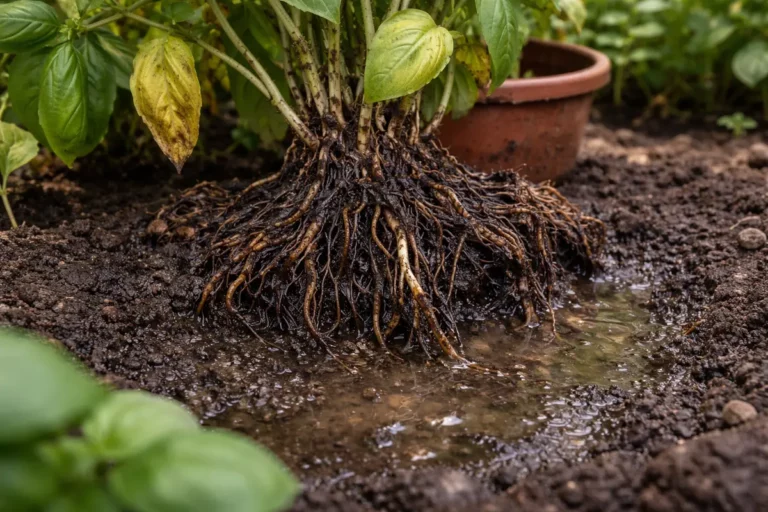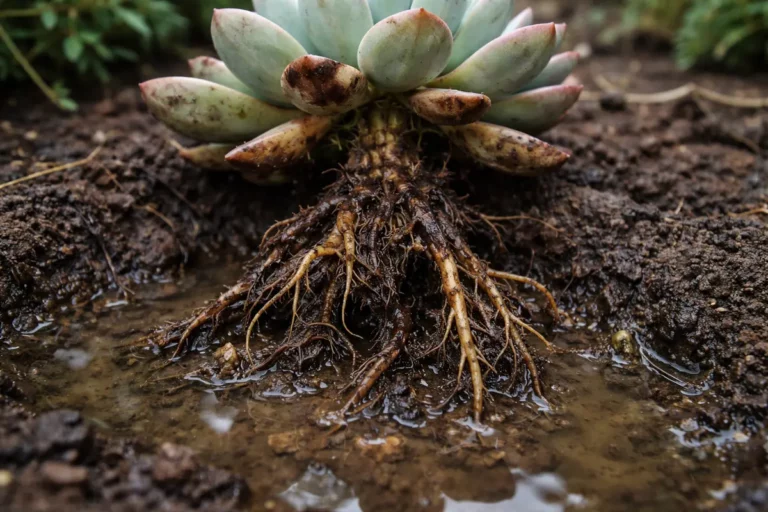
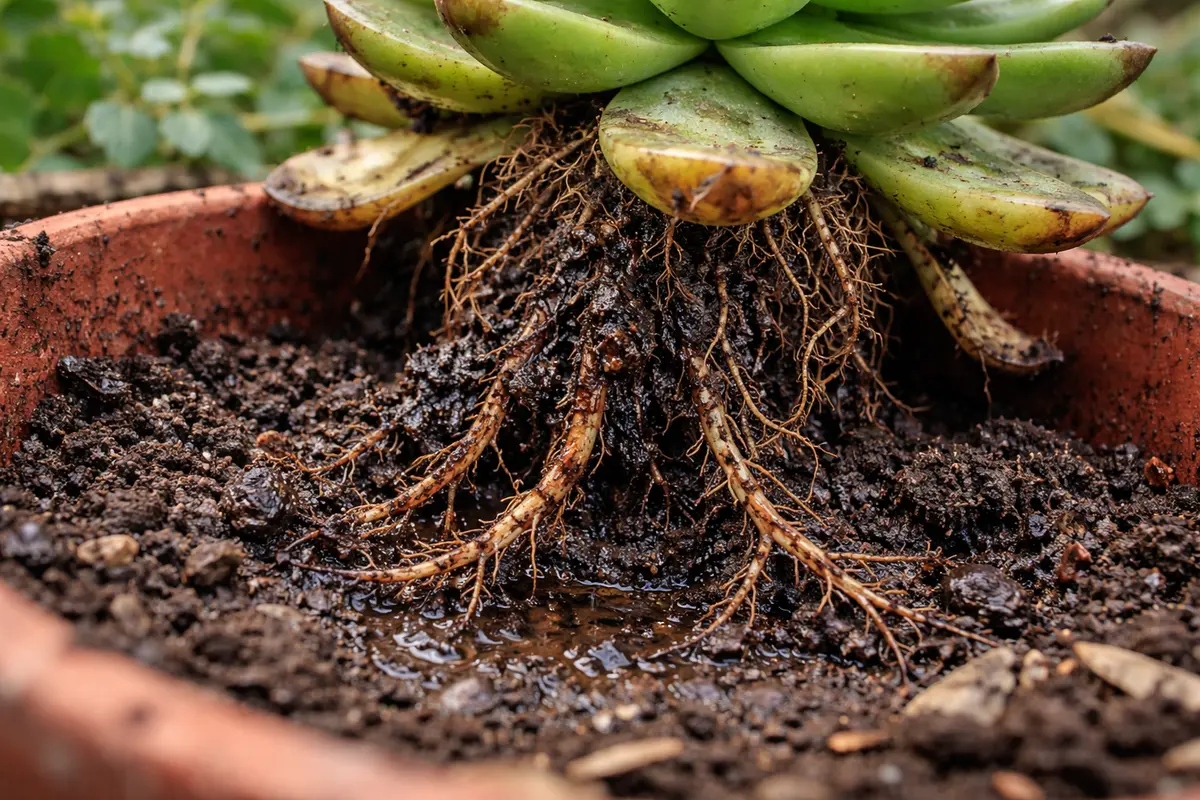
You may notice your potted succulents struggling during winter, which is why you need to know how to prevent root rot in potted succulents during winter. This often manifests as wilting leaves and a mushy base, caused by overwatering and lack of proper drainage in cold temperatures. If left unchecked, this issue can worsen, leading to significant damage and weakening the plant, but fixing it is possible now by adjusting your watering habits and ensuring adequate drainage. Regularly inspect the soil moisture levels and make necessary adjustments to protect your plants.
Step 1 – Trim Off Rotting Leaves on Succulents
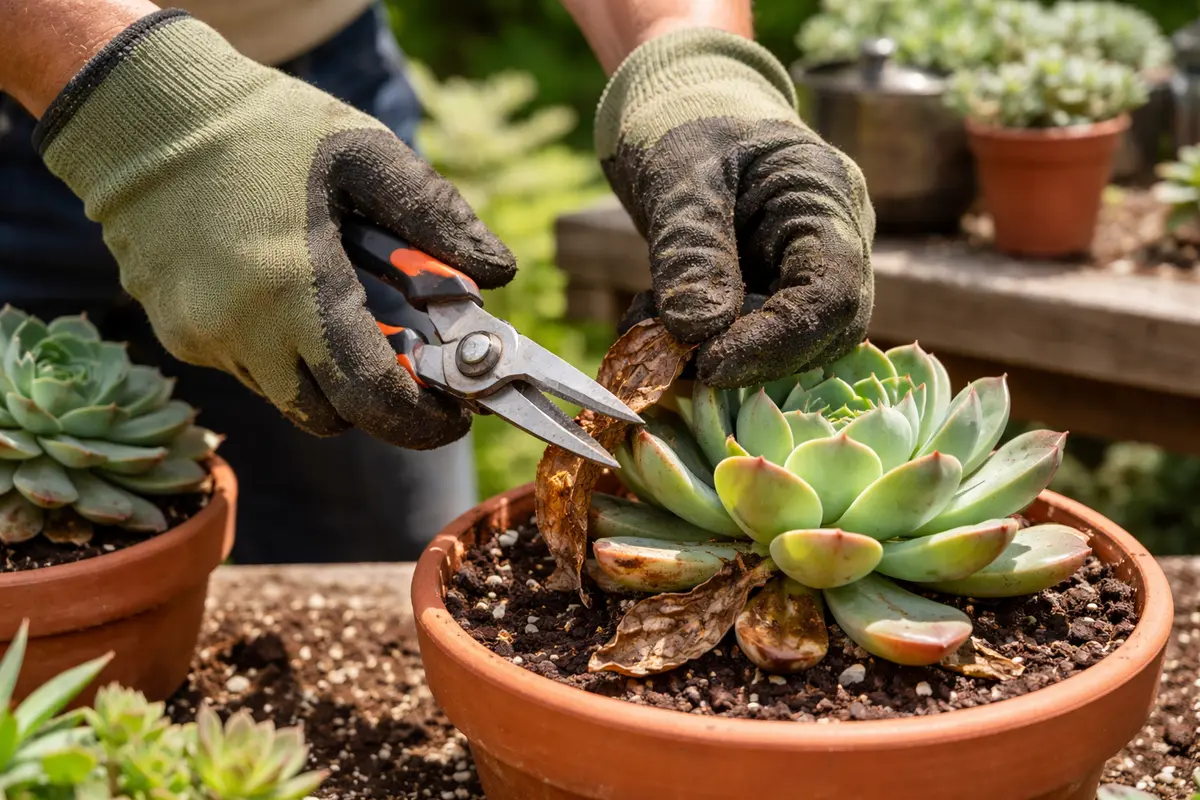
Begin by cutting away any severely damaged leaves from your succulents. You will notice an immediate improvement in the plant’s appearance, with less yellowing and a more vibrant color showing through. This trimming reduces the energy drain from the plant and helps it stabilize. After the initial cut, check the stems for any discoloration or mushiness, as these can indicate deeper damage that may also need addressing.
Trimming off rotting leaves is crucial because these leaves can harbor disease and promote decay if left unaddressed. By eliminating them, you prevent the rot from spreading to healthier parts of the plant, which is vital during winter when the succulent’s growth slows down. It’s essential to make clean cuts with sterilized scissors to minimize the risk of introducing bacteria. In colder temperatures, plants like succulents are more vulnerable, making immediate action crucial. Check if the remaining leaves are firm to the touch; if any appear squishy or discolored after trimming, they should be carefully assessed for further removal.
Many gardeners mistakenly believe that simply waiting for damaged leaves to fall off naturally is sufficient. This approach prolongs the problem since the decaying matter can lead to fungal infections that spread to the roots. Therefore, act promptly—inspect closely, and if a leaf feels mushy or discolored, it should be removed. Pay special attention to how the plant reacts post-trimming; if symptoms worsen, you may need to reassess the overall health of the entire plant. Use a pencil or your finger to tap on the remaining leaves; a firm response is good, but any soft or weak stress indicates further need for intervention.
Step 2 – Diagnose Excessive Moisture in Soil
Inspect the soil moisture level thoroughly to assess if it is overly saturated. You will find that the soil becomes drier around the edges if this is the case—a sign indicating improved drainage is needed. Push your finger into the soil about two inches; if it feels wet or sticks to your finger, this indicates that the drainage may be inadequate. This diagnosis is crucial as succulents thrive in well-draining conditions. Look for signs such as small poolings of water or soil that feels compacted, both of which signal that adjustments are necessary.
Excessive moisture can suffocate succulent roots, hindering their ability to absorb oxygen and nutrients, causing the plant stress and leading to root rot. During winter, lower light levels and cooler temperatures also slow evaporation rates, creating the perfect conditions for waterlogged soil. If the soil maintains a constant wetness for too long, roots may begin to rot, negatively affecting the entire plant. A noticeable symptom of overwatering is soil that has a sour smell; this indicates anaerobic conditions that require immediate intervention. If the odor persists despite reduced watering, the plant’s roots may already be irreparably damaged.
If you detect that foul odor, consider switching to a potting mix specifically designed for succulents to aid in drainage and moisture retention. Ensure you use containers with adequate drainage holes as well. If the issue persists, cut back even further on your watering schedule or explore a potting setup that enhances drainage, like using a grow pot with better airflow around the roots. If after adjusting your watering routine you find the soil still retains excess moisture, it may be time to replace the plant’s soil entirely. Additionally, monitor environmental conditions; for instance, if you notice condensation forming within the pot, this is a sign the plant is receiving too much moisture.
Step 3 – Rehouse Succulents in Dry Soil Mix
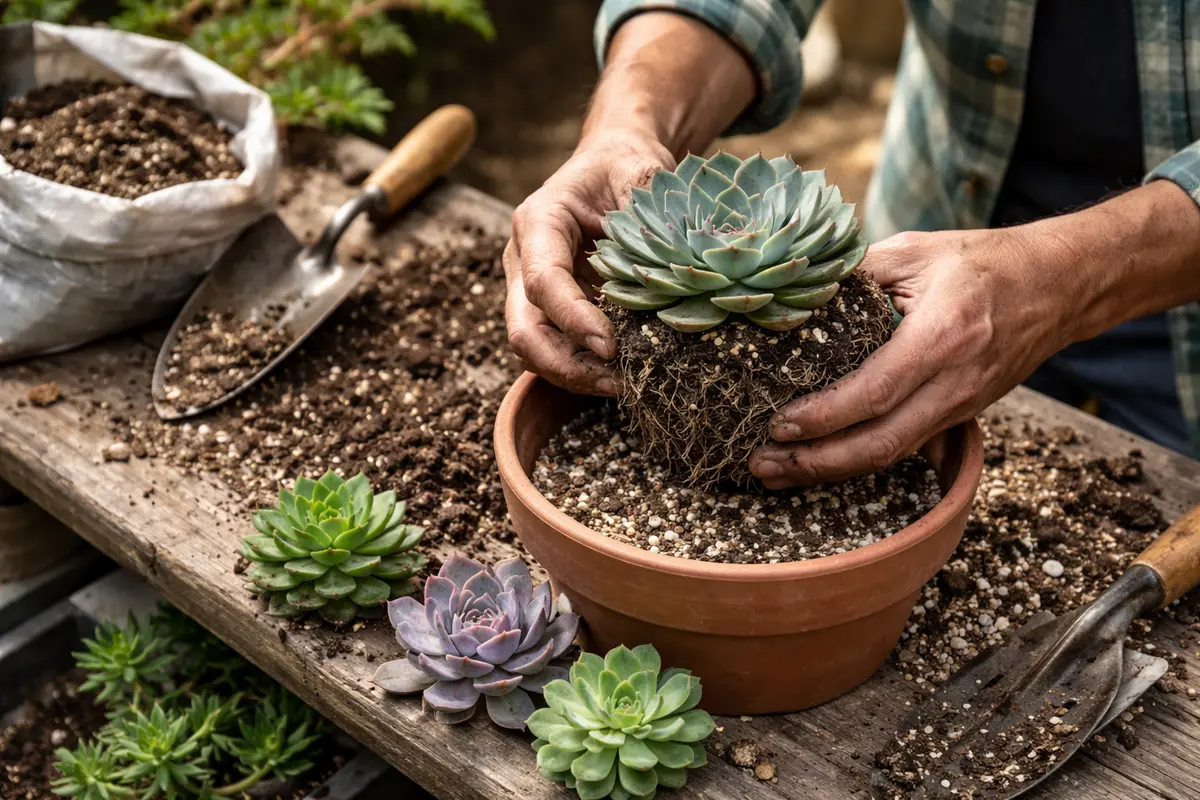
Replant your succulents in a fresh, dry, well-draining soil mix suitable for succulents. You will observe the plant regaining its upright posture and a more vibrant color within a few days. This action helps restore the necessary conditions for healthy growth. Once repotted, allow the plant to rest in a shaded area for a few days—a less stressful environment assists in acclimation. Ensure you handle the roots delicately during this process; any excessive tearing can lead to further stress, inhibiting recovery.
This recovery step is essential as it allows the roots to access essential nutrients and oxygen, which are stunted in overly moist conditions. A dry soil mix maintains adequate moisture levels while providing the drainage these plants need to thrive. Over the next few weeks, look for signs such as the emergence of new growth or a more robust structure as indications of recovery. Another useful approach is to watch for roots peeking out of drainage holes, as this implies the plant is looking for more space and can handle relocating to a larger pot.
Common mistakes during replanting include packing the soil too tightly around the roots, leading to improper aeration and potential rot. Avoid overwatering immediately after replanting, as this can reintroduce moisture-related issues. Instead, wait about a week before resuming a minimal watering schedule to help the plant acclimate to its new environment. In my experience, I’ve seen succulents respond positively to this method, quickly bouncing back when given the right conditions. If rotating the soil to ensure good aeration seems cumbersome, consider repotting into a slightly larger pot that allows contiguous airflow for the roots.
Step 4 – Water Succulents Sparingly During Cold Months
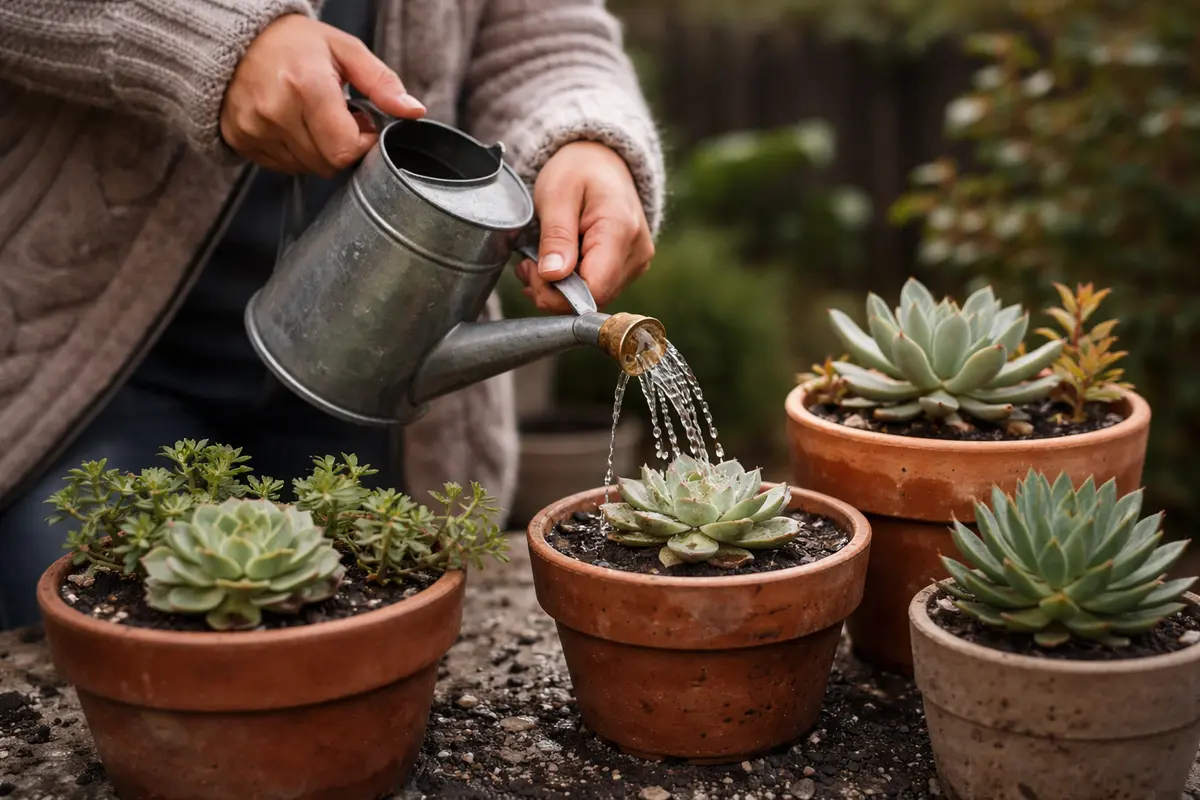
Start by ensuring that your potted succulents are in well-draining soil, and elevate pots off surfaces to promote airflow. This action prevents excess moisture accumulation, leading to healthier roots and fewer instances of root rot during the winter months.
Root rot occurs when the soil retains too much water, creating an anaerobic environment that causes succulents to decay. Cold, damp conditions in winter exacerbate this problem; therefore, maintaining a dry substrate through proper drainage and airflow is essential. If the soil remains soggy, the roots will struggle to absorb oxygen, leading to wilting and discoloration.
In extremely cold weather, reduce watering frequency even further, allowing the soil to dry out completely between waterings. For added protection, consider using a moisture meter to gauge soil dampness accurately; if it reads high despite your routine, check for drainage blockages to prevent repeated root rot issues.
Overwatering is often the primary cause of root rot, especially in winter when cold temperatures slow down evaporation and water absorption. By adhering to a careful watering schedule, you mitigate waterlogging in the soil, which triggers the conditions for fungal growth. If not carefully monitored, the potting mix can become saturated, leading to a mushy root system; check that the soil dries out between waterings for optimal conditions. If the foliage starts yellowing after watering, this is often an indicator of inconsistency in your routine.
As the winter progresses, consider adjusting the watering frequency based on temperature fluctuations. On particularly warm winter days, you may need to check the soil moisture more often since the increased warmth can enhance evaporation rates. For example, if a warm front passes through your area, the soil may dry out more quickly, requiring you to adapt your routine. This adaptation ensures that your succulents remain healthy despite changing environmental factors.
Winter conditions often induce an environment where moisture can linger longer in the soil, causing root rot if excessive watering occurs. Succulents naturally undergo a dormancy period during colder months, requiring significantly less water than in the growing season. By watering only when the top two inches of soil are completely dry, you facilitate healthier root growth and reduce the risk of rot. It’s essential to observe your succulent; after watering, watch for leaf drooping or wrinkling, which may signal that the plant is struggling due to over or underwatering.
Rather than following a strict schedule, relate watering to environmental conditions. For instance, if humidity is high due to prolonged rainy weather, watering should be reduced even more to prevent excess moisture buildup. Always keep an eye on the plant’s appearance; if leaves begin to shrivel, that can indicate underwatering while, conversely, if they are mushy and translucent, the soil may still hold too much water. It’s also beneficial to monitor the weight of the pot as well; lifting it can serve as a practical confirmation of moisture levels—when it’s significantly lighter than during the moist season, it suggests lower moisture content and possible watering.
Step 5 – Inspect Soil Surface for Unwanted Mold Growth
Check the surface of your soil every couple of days for any signs of mold or mildew. You should expect to see a clean, dry surface without any white or fuzzy mold growth. This inspection should confirm that your watering routine is effective and that conditions remain favorable for your succulents. If you observe any signs of mold, you may need to adjust your care routine immediately, such as reducing watering frequency or improving air circulation around your plants.
A healthy succulent should regrow without any signs of mold or decay, indicating complete recovery from past problems. Watch for changes; if you start seeing a fuzzy white substance on the soil’s surface or the growth of mold, that’s a signal that excess moisture may have returned. Take immediate action by allowing the plant to dry out further and adjusting your watering schedule as needed. In environments with higher humidity—like bathrooms or kitchens—mold tends to flourish, making vigilance critical. Consider moving potted succulents to a room with better air circulation if mold becomes a recurring issue.
If mold does emerge despite following this process, consider repotting the plant once more. Remove affected parts and allow the roots to breathe in fresh soil. You can also apply a fungicide specifically made for indoor plants to stop further spread. If left untreated, mold can severely impact the health of your succulents, making it critical to monitor moisture levels regularly. Note that if mold continues to emerge regularly, the entire potting environment, including its location and drainage situation, may require a thorough reassessment to establish the conditions necessary for healthy growth in the future.
FAQ
How long does it take for succulents to recover from root rot?
The timeline for succulents recovering from root rot can vary; however, noticeable improvement typically shows within a few weeks after corrective measures. You can expect new growth to appear as the plant stabilizes, with a more vibrant color that indicates healthier foliage. However, some varieties may demonstrate resilience more quickly than others, depending on the extent of root damage.
Can mold spread from the soil to the succulent leaves?
Mold can indeed spread from the soil to succulent leaves, particularly if the environment remains overly damp or humid. To prevent this, ensure good air circulation around the plants and conduct regular inspections for signs of mold growth at the soil surface, as this can give early warning of conditions that might affect the succulent. If leaves do become infected, immediate removal can prevent further spread.
Should I remove all affected parts if I find root rot?
Yes, any severely affected roots or leaves should be pruned away. This action helps to prevent the spread of rot, allowing remaining healthy sections to thrive and re-establish their strength. However, use caution not to remove too much; only cut back what is necessary to maintain the plant’s health. If uncertain, consider consulting a reliable source for specific recommendations on particular succulent varieties.