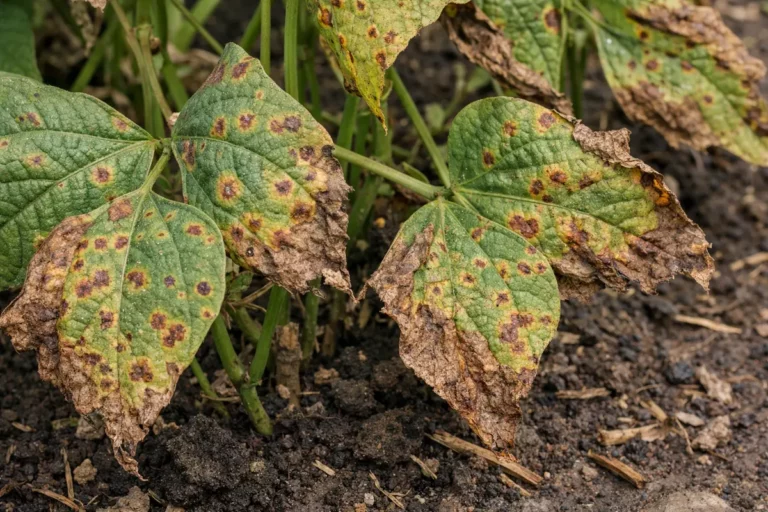
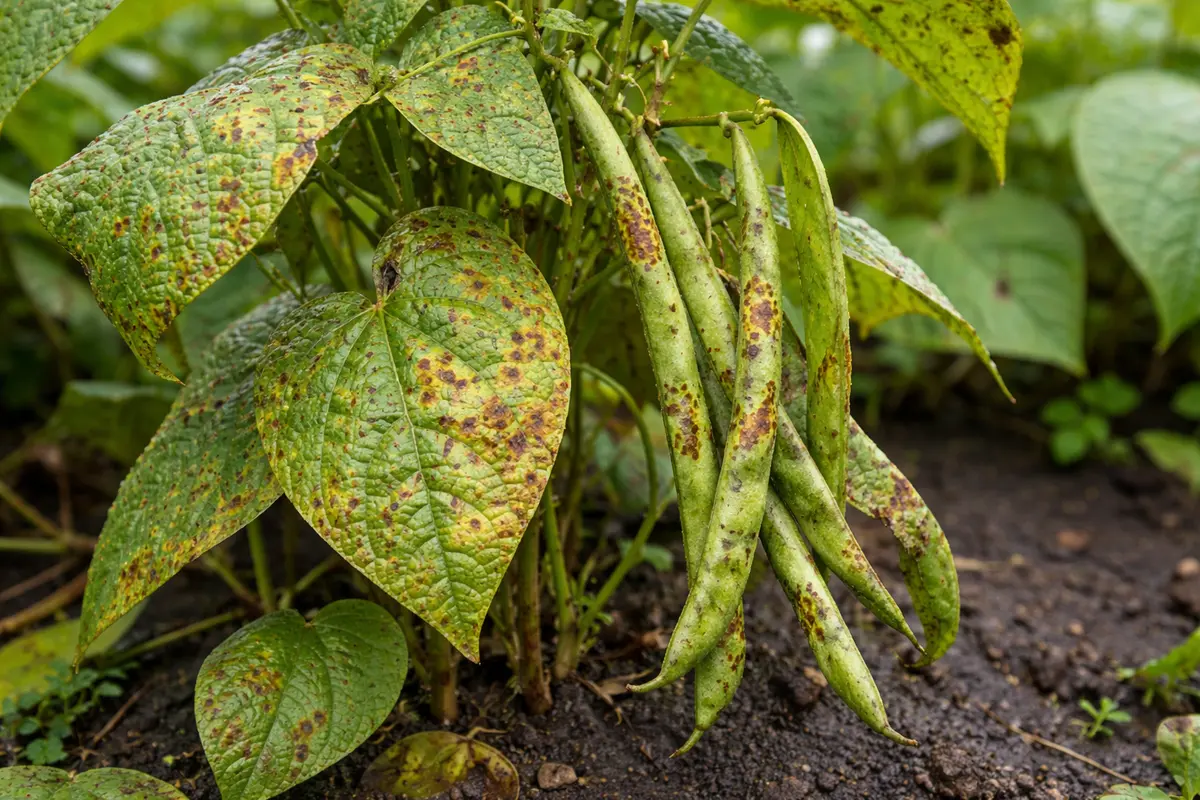
You may notice that your green beans develop unsightly brown spots during rainy weather, which is why you need to know how to prevent rust on green beans during rainy weather. This fungal disease thrives in wet conditions, causing leaf yellowing and damage that leads to a decline in plant health. If left untreated, the rust can spread, weakening the plant and making it harder to fix, but you can combat this issue by inspecting your plants regularly and adjusting your watering practices.
Step 1 – Trim Affected Green Bean Leaves Promptly
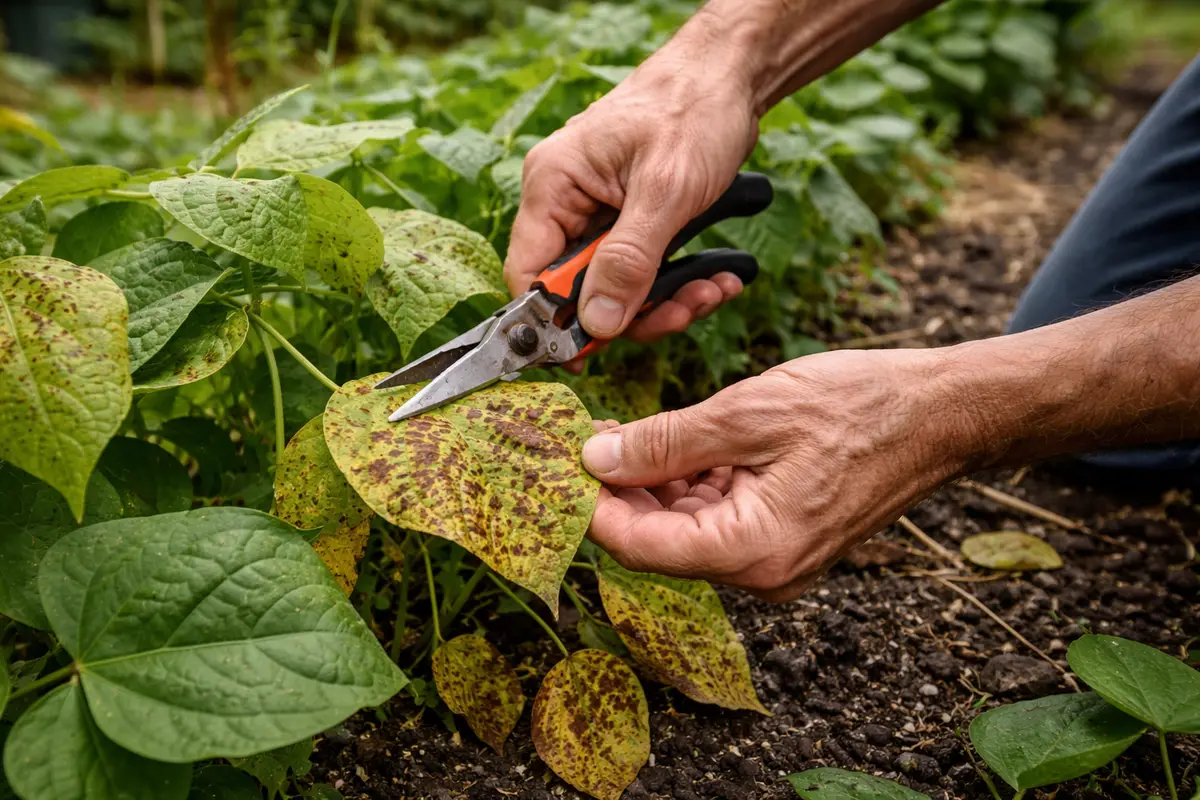
First, inspect your green beans for any signs of rust or discoloration on the leaves. Remove affected leaves immediately to limit the spread of the disease. You should notice a cleaner appearance on the remaining foliage, which helps minimize the risk of further infection.
Acting quickly is crucial because rust fungi thrive in humid conditions, and delayed removal can lead to spores spreading rapidly among plants. If you leave infected leaves, the rust can weaken the plant, leading to stunted growth and premature leaf drop. If you notice dark spots on the upper leaf surface, check underneath for the yellow-orange spores characteristic of rust disease.
Many gardeners overlook early symptoms and allow rust to establish itself, only realizing the problem when their plants begin to wilt. A timely removal of the affected areas can prevent a small issue from turning into a widespread infection. If not noticing discoloration on the leaves → check for any orange or yellow spots underneath.
By removing the infected leaves, you prevent the fungus from proliferating and affecting nearby healthy foliage. The moisture retained in these damaged leaves fuels the rust’s progression, leading to further infection. When removed promptly, the air circulation around the remaining healthy leaves will improve, which inhibits further fungal growth and promotes recovery. The first sign that trimming has been effective is often visible rapid drying of previously damp areas, followed by green leaves regaining a vibrant appearance within days.
A common mistake is to delay leaf removal, thinking the infection might resolve itself, especially after more rain. However, rust can quickly establish itself and take hold in healthy tissues if actions are not taken swiftly. This usually happens when gardeners avoid cutting leaves, mistakenly believing that rainwater might wash the spores away. It’s essential to remain vigilant and address any visible symptoms as soon as they arise to protect the overall health of your green bean plants. If you let the affected leaves linger, other plants nearby can contract rust as well.
Step 2 – Diagnose Fungal Issues in Wet Conditions
Start by ensuring proper airflow around your green bean plants. Space the plants at least 6 inches apart and remove any dense foliage that blocks circulation. By doing this, you should see a reduction in moisture buildup on the leaves, which helps prevent rust formation.
Rust on green beans typically arises due to excessive humidity and poor air circulation that creates a favorable environment for fungal spores. In wet soils, roots struggle to absorb oxygen, leading to weak plants unable to fend off disease. If you notice stunted growth alongside rust, it indicates that the roots are likely compromised from excess moisture.
If you find that the soil smells sour, it signals anaerobic conditions, and you should improve drainage by amending the soil with organic matter. Alternatively, if the leaves have yellowed without visible rust, check for nutrient deficiencies that may require fertilization rather than solely focusing on fungus control.
Fungal infections like rust thrive in moist environments, particularly after heavy rainfall. These conditions create a favorable habitat for spores to germinate and spread, compromising plant health. Diagnosing any ongoing symptoms allows you to determine the level of intervention needed to effectively manage the disease. If left unchecked, infected plants may stop producing and could require complete removal. The earlier you catch the signs, the more straightforward your management will be.
If you notice that the soil retains excessive moisture or has a sour odor, this can indicate poor drainage, which contributes to persistent rust problems. Compacted soil or a dense layer of mulch preventing water drainage is usually the root cause. In this case, consider improving soil drainage by loosening the compacted areas or adding organic matter to aerate the soil. Such adjustments can reduce moisture levels and create an environment less conducive to fungal growth. Checking the soil moisture levels consistently will help you determine if this is an ongoing issue or a response to recent weather conditions.
Step 3 – Treat Rust Symptoms on Green Beans Effectively
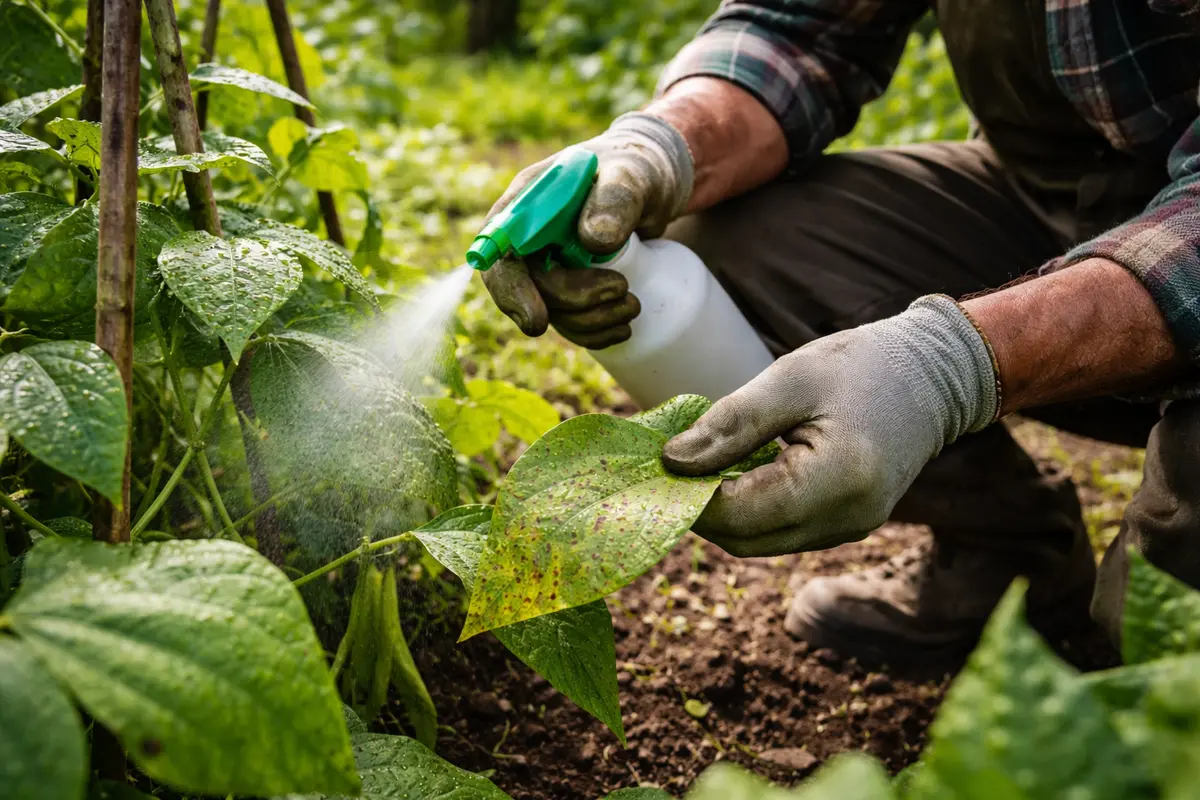
Apply a suitable fungicide treatment directly on the affected areas of the green beans. This application will begin showing signs of improvement, such as the reduction of new rust spots within a week. Follow the manufacturer’s instructions precisely for dosage and frequency, as overapplication can lead to further plant stress.
Effective treatment involves using targeted fungicides that disrupt the fungal life cycle. These products can penetrate the leaf surface to eliminate spores and prevent further spread. Consistent application, especially after rainfall, is critical in managing rust symptoms and facilitating healthier plants over time. It’s crucial to reapply the treatment after every substantial rain to maintain protective coverage; otherwise, the spores may re-establish before any healing can begin.
A common mistake during recovery is overwatering in the hopes that it may enhance growth and recovery. However, this can exacerbate rust problems, making conditions even more suitable for fungal diseases. If you notice your plants are wilting despite high moisture in the soil, it’s likely a sign of root suffocation rather than dehydration. Monitor soil moisture carefully, and prioritize the use of fungicides when weather conditions are wet to effectively combat these persistent issues. If the fungus appears resistant after several treatments, it may be necessary to rotate between different fungicides to avoid creating resistant strains.
Step 4 – Shield Green Beans from Excess Water Post-Rain
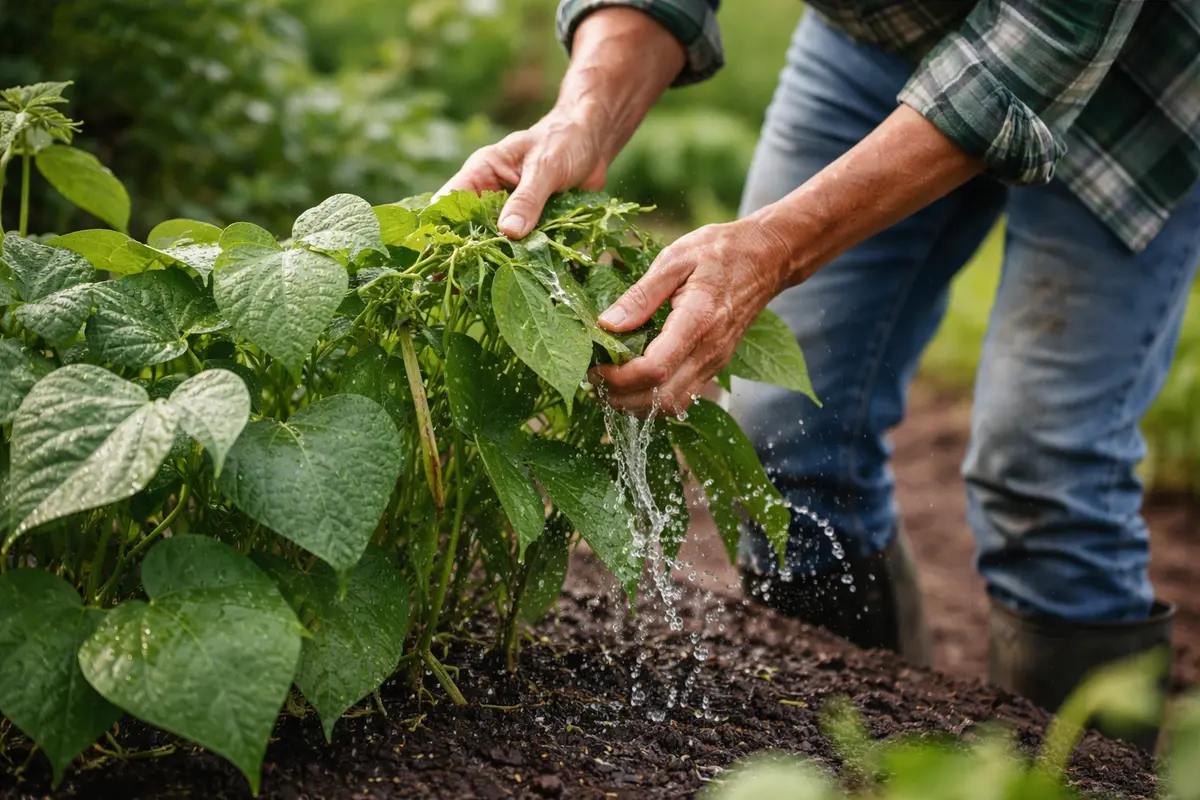
Start by applying a fungicide specifically designed for rust prevention on your green bean plants every two weeks during rainy weather. This practice will significantly reduce the chance of rust developing and create a healthier growing environment.
Rust spores thrive in moist conditions, particularly when temperatures fluctuate between warm and cool. By consistently applying fungicide, you disrupt the lifecycle of the fungus, preventing it from taking hold, which contrasts with untreated plants that may quickly exhibit rust in similar weather. If you notice yellowing leaves, check for standing water around your plants, which can indicate excessive moisture retention.
During particularly wet seasons, increase the frequency of fungicide application to every week to provide better protection. Additionally, consider adding a layer of mulch around your plants to enhance drainage and reduce moisture on the soil surface, decreasing the likelihood of rust recurrence.
Protective measures include planting green beans in well-draining soil and ensuring ample spacing between each plant to encourage airflow, which is vital to reducing humidity around the leaves. Additionally, placing mulch made from organic materials such as bark or straw around base plants can help absorb excess water that could linger in the immediate environment while also adding nutrients back into the soil. Employing these methods locks in good practices and minimizes future rust risks, making it harder for the spores to take root in your garden.
Seasonally, consider adjusting your watering strategy, especially during wetter months, and be aware of weather patterns that may predict heavy rain. This often requires keeping a close eye on forecast updates and understanding local climatic patterns. By adapting to these ebbs and flows, you can proactively prevent conditions ripe for rust infections. If heavy rain is expected, you may want to drench the soil a day or two before to help the plants soak up water before saturation occurs. This proactive mindset helps avoid allowing rust to take hold again in your garden.
Step 5 – Inspect Green Bean Foliage for New Rust Signs
Start by monitoring your green beans every few days, especially after periods of heavy rain. Check the leaves for any signs of yellowing or small brown spots, which indicate the early stage of rust. Recheck the plants weekly to observe changes, ensuring the conditions remain favorable for recovery.
A fully recovered green bean plant will display vibrant green leaves with a smooth texture, while early signs of rust may present as rough, discolored patches or small, raised lesions. If you notice the leaves darkening again or a crinkled appearance returning, this is a clear indication that the rust is re-emerging. If the leaves are browning but the texture remains smooth, it could be a watering issue—address the soil moisture before treating for rust again.
If the rust problem returns despite regular monitoring and care, escalate your actions by applying a fungicide specifically designed for rust diseases. Additionally, consider removing heavily infected leaves to prevent further spread, and ensure you are improving air circulation around the plants to reduce humidity. If problems persist after treatment, consult with a local extension service for further advice.
A fully recovered plant should showcase bright green leaves and firm, plump pods, while early signs of rust returning will present as small, yellowish spots on the upper leaf surfaces with a rougher texture. If you notice these yellow spots accompanied by a powdery coating beneath the leaves, you’re likely encountering a re-emerging problem. If not yellow spots → check for moisture retention around the base of the plants.
If the rust problem returns despite following the preventive measures, take immediate action by applying a fungicide labeled for rust on beans, ensuring you follow the instructions carefully. If the infection persists, consider removing the most affected plants and re-evaluating your garden’s drainage conditions to prevent further outbreaks.
Healthy green beans will display a vibrant green color and firm leaves with no signs of discoloration or lesions. A complete recovery will also include the emergence of new shoots and healthy blooms, which indicates that your plants are regaining vigor and are on the road to recovery. Recognizing these changes plays an essential role in confirming that your interventions were successful and that rust is no longer a threat. Regular visual checks can also help catch other potential diseases early.
If you detect new symptoms of rust despite following your management steps, it may be time to reapply fungicide or reassess your environmental conditions, including soil moisture and drainage. Just because one approach worked in the past doesn’t mean it will always be effective; each weather event can alter plant dynamics. Be prepared to make adjustments depending on visible feedback from the plants. Adjusting your approach based on observable signs will allow you to tackle the issue effectively and promote a robust crop. If rust persists, more invasive measures like rotating crops or switching varieties resistant to rust can be worthwhile options.
FAQ
How long does it take for rust to affect green beans after rain?
Rust can appear as quickly as 3 to 5 days after prolonged wet conditions. The speed of its spread will depend on the humidity and moisture levels present, which may provide a perfect environment for the spores to germinate. It often surfaces first on the lower leaves, which are more susceptible due to moisture trapping.
Can rust spread to other plants in the garden?
Yes, rust is highly contagious, especially in humid conditions. If left unchecked, it can quickly spread to other nearby plants, which is why immediate action is crucial for prevention and control. This often requires monitoring not just the infected plants but also neighboring varieties, as spores can travel on the wind or through splashback from rain.
Should I remove all affected parts of the plant?
Yes, all visibly infected leaves should be removed to minimize the spread of rust. This action helps protect nearby healthy leaves and allows for better airflow around the plant, reducing the likelihood of further infection. It’s recommended to dispose of the trimmed leaves far from your garden area to prevent spores from reinfecting your plants.