
You may notice your tree peony struggling to produce blooms in the wake of a recent hard frost, which is why you need to know, “Why is my tree peony not flowering after a hard frost.” Leaves may begin to show signs of damage, such as yellowing or wilting, as the plant tries to recover from the chill. If this situation is ignored, it can weaken the plant and set its growth back, but you can still improve its health by inspecting the affected areas and adjusting your care routines to prevent further impairment and encourage recovery.
Step 1 – Inspect Tree Peony for Frost Damage
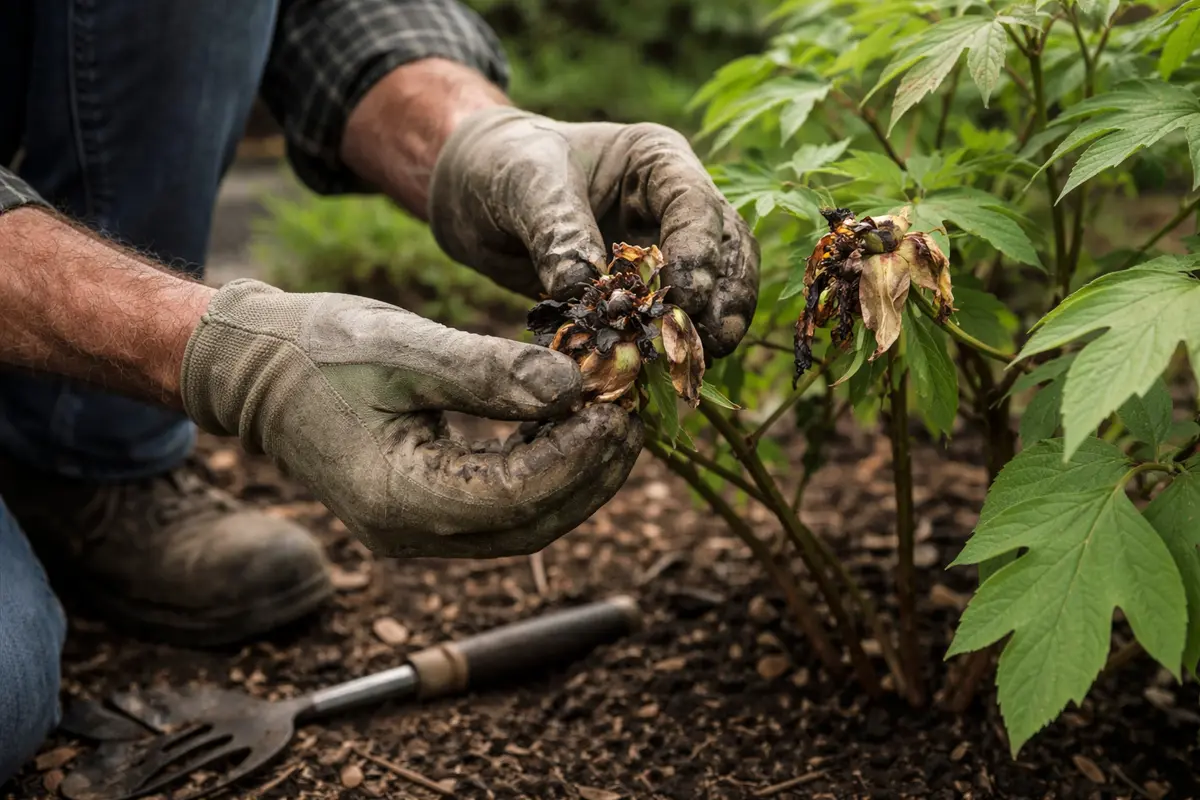
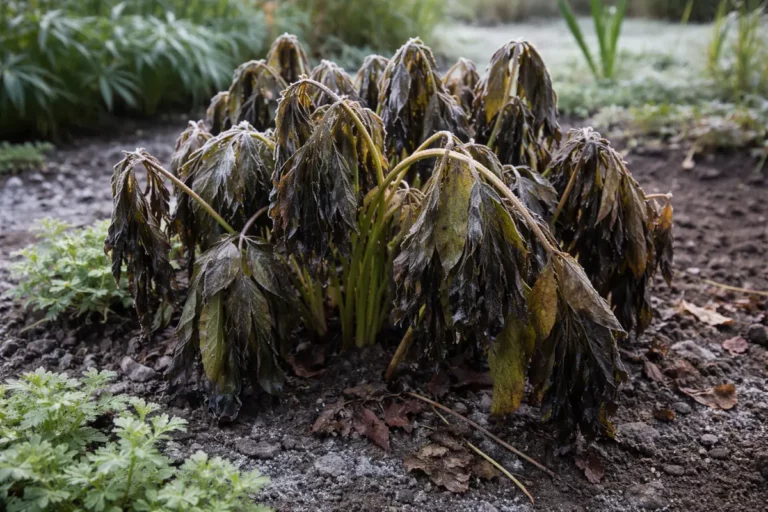
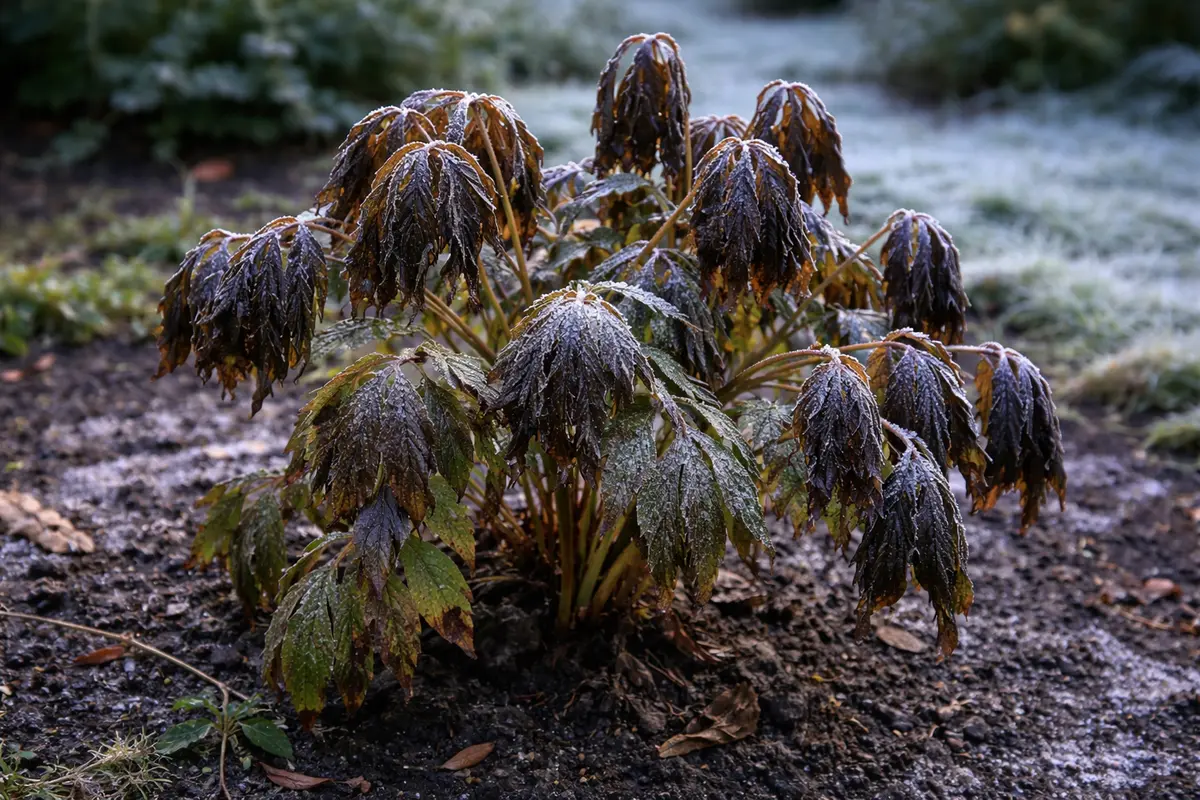
Start by examining the branches and buds of your tree peony closely. You should see which buds are blackened or have a mushy texture immediately after frost exposure. Carefully check for changes in leaf coloration, including any darkening or wilting, which can signify underlying damage. Wilting may indicate that the plant is unable to uptake water effectively due to frozen roots, causing further stress to the entire plant.
Identifying damage now is crucial because frost can cause irreversible harm to the buds, leading to a complete failure of flowering for the season. If the buds are firm and healthy, the plant may still produce blooms, thus indicating a more mild frost impact. On the other hand, soft or shriveled buds are clear indicators of frost damage and can reduce flower production significantly. Factors such as the duration of frost exposure and temperature fluctuations can exacerbate the damage, increasing the likelihood that the plant won’t recover well. Stay aware of temperature fluctuations after frost exposure, especially if temperatures drop below 28°F; these levels can cause extensive damage before peonies are prepared to deal with such severe conditions.
For instance, many gardeners fail to check for underlying damage before symptoms appear, mistakenly thinking their plants are fine because they appear green. A common mistake is assuming that no visible injuries mean no internal damage exists. By inspecting the plant closely right after a frost, you’re more likely to catch the early signs of damage before they worsen, particularly if future cold spells linger and threaten the remaining buds. It’s also vital to keep in mind that some areas of the plant are more vulnerable than others; buds located on the outer edges may incur damage faster than those that are more sheltered by the foliage.
Step 2 – Diagnose Root Issues Affecting Flowering
Examine the soil moisture around your tree peony to determine its condition. If the soil appears waterlogged or compacted, it could severely restrict the roots and lead to flower loss. The surface may feel dry, but compaction can prevent proper moisture and air from reaching the roots effectively, suffocating them at deeper levels and causing stress that could affect flowering.
Wet, heavy soils can suffocate roots and prevent them from taking up the nutrients vital for blooming, leading to a lack of flower production after frost damage. Conversely, overly dry soil can cause dehydration, making the buds drop prematurely or hindering their development. Assessing moisture content is paramount, particularly after frost events, because a well-hydrated root system is critical to recovery. To gauge moisture, insert a small spade or your finger into the soil; if it’s dry more than an inch deep, then adding water may be necessary, keeping in mind the weather conditions and seasonal temperature trends.
If the soil smells sour or appears overly mushy, consider aerating or amending it with sand or organic matter to improve drainage. Signs of root rot can develop in waterlogged soil, which may become noticeably compacted, making it more challenging for roots to spread and absorb necessary nutrients. If you discover your soil feels excessively dry and crumbly, increase watering frequency, keeping in mind overall rainfall and temperature to ensure adequate moisture reaches the roots continuously. Additionally, evaluate your peony’s location; if it’s planted in a low-lying area that collects water, consider relocating it to a more suitable spot that provides better drainage. When soil health is not adequately addressed, it can become a significant barrier to flowering for your peony, possibly requiring more radical improvements if problems persist.
Step 3 – Fertilize Tree Peony for Recovery

Apply a balanced fertilizer specifically designed for flowering plants to your tree peony after confirming it shows new growth. You should notice fresh green leaves emerging within a week, indicating a positive sign of recovery. Regularly apply fertilizer as per package instructions, paying careful attention to avoid under or over-fertilizing, which can both lead to nutrient deficiencies or toxicity.
Fertilizer provides crucial nutrients for recovery and encourages the production of new floral buds, which is essential after experiencing frost damage. A nitrogen-rich formula promotes foliage growth and enhances photosynthesis, while phosphorus is crucial for flower development. For a medium-sized peony, one tablespoon of fertilizer applied around the base can support its nutritional needs post-frost. Without adequate nutrients, the tree peony may struggle to recover and flourish, particularly following frost damage. Under-fertilizing can leave the plant vulnerable to various issues; therefore, signs of nutrient deficiencies, such as yellowing leaves, should be monitored closely.
Bear in mind the dangers of over-fertilizing, which can overwhelm the plant and lead to nutrient burn. Signs of burning include browning leaf tips and overall wilting, indicating a serious imbalance. Adherence to the package instructions for application rates and timing is paramount; consider that recovery may take longer in cooler, less sunny conditions. Notably, a plant exhibiting yellowing leaves may indicate either over-fertilization or root damage, so caution is critical. A recovering plant won’t respond well to fertilization alone; it may require other interventions first, such as adjusting watering schedules or choosing a different soil amendment strategy before optimal growth can resume.
Step 4 – Protect Peony Buds from Future Frost
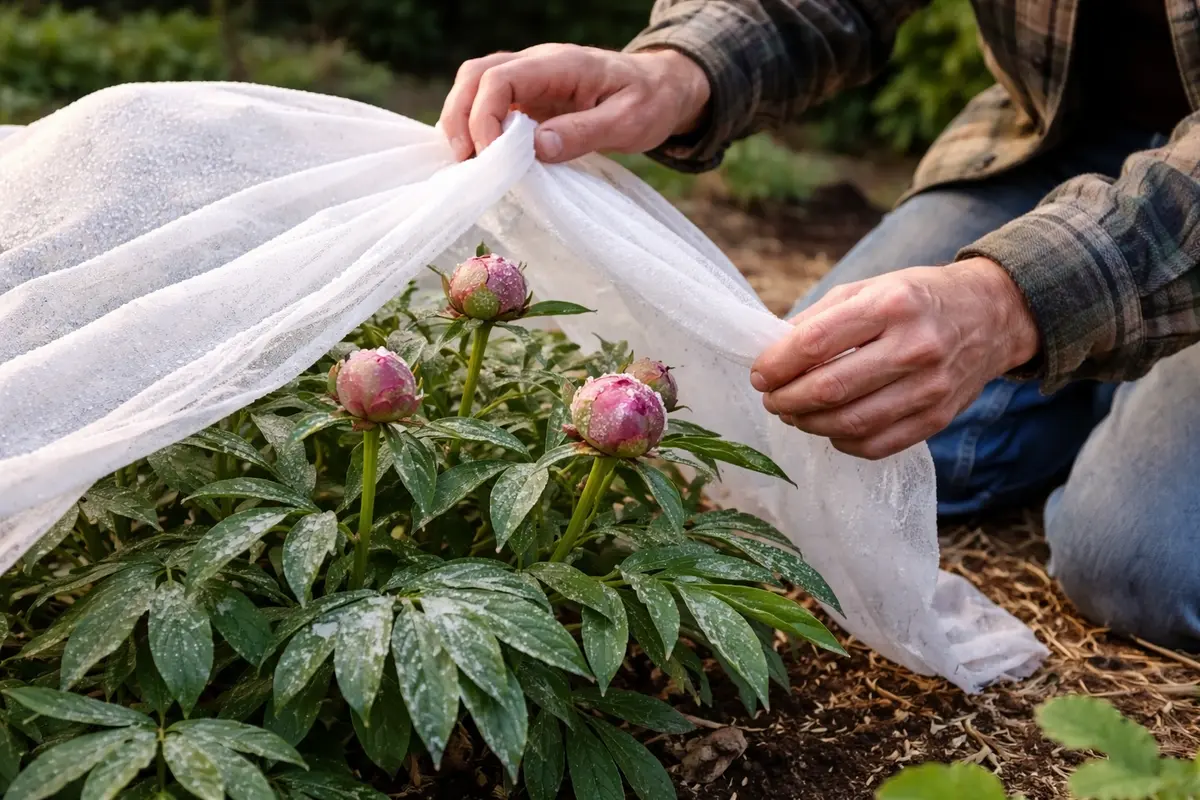
Cover your tree peony with frost cloth or burlap when frost is expected to help preserve the buds through future cold snaps. Implementing this practice will substantially improve the overwintering of your peony buds and, consequently, their future bloom potential. Using fabric that allows airflow while trapping heat minimizes frost’s reach into plant tissues while ensuring adequate circulation, thereby mitigating frost damage.
Harsh winter conditions can stress the buds and decrease their chances of blooming in the next season. Protecting your peonies becomes especially critical in late winter or early spring when temperatures can fluctuate significantly, damaging tender new growth. Ensure that your coverings are secure but not overly tight to avoid crushing the branches and buds. Effective coverings insulate the buds, reducing temperature shocks and frost damage, while keeping excess moisture at bay, which can encourage mold growth and further issues. Aim for any protective coverage to be resilient against both high winds and wet conditions that may accompany springtime frosts.
Consider adding a thick layer of mulch around the plant’s base to help maintain consistent soil temperatures and prevent frost heave, which can uproot and disturb the shallow roots. If you live in an area prone to late frosts, maintaining this protective covering into early spring can avert damage when new growth begins to emerge. A light, dry mulch serves to retain soil warmth and moisture without detracting from drainage. Additionally, watch for heavy rain buildup in the mulch, as this can result in saturated soil, leading to potential root rot or disease proliferation around the roots. Understanding proper coverings and mulching techniques can safeguard your plant from recurring frost challenges.
Step 5 – Look for New Growth Post-Frost Treatment
Check your tree peony every few days for new growth and signs of recovery. Look for visible evidence such as new shoots or plump buds forming; these indicate the plant is responding well to your care methods and treatments. This check is crucial to ensure that the applied treatments are effective and that your plant is positively reacting to the changes in care routine.
If the peony is recovering well, you can expect to observe larger and firmer foliage, suggesting that the plant is regaining strength following its frost ordeal. Vigilance is necessary for identifying signs of failure as well; regular checks after treatments will allow you to detect if there has been any regression or emerging issues, like new buds dropping prematurely. Keeping an eye on the overall plant condition, including factors like soil moisture and leaf texture, is essential to preventing further setbacks. Therefore, maintaining a journal of observed changes can help strengthen your monitoring process and track the plant’s growth over time.
If you find that new growth remains stunted or dropping, it may indicate further nutrient deficiencies, possible disease issues, or even pest infestations that need immediate attention. A common mistake includes ignoring signs of yellowing leaves post-frost, which often suggests nutrient mismanagement or water stress. An escalating pattern of bud drop or wilting might require more in-depth soil health inspections, mindful watering frequency adjustments, or pest checks for anything out of the ordinary. Should substantial problems persist, consulting with a local horticulturist may provide valuable insights into determining underlying issues; regular watering can also become increasingly critical during peak recovery periods, emphasizing the need for sustained care.
FAQ
How long does it take for tree peonies to recover after frost?
The recovery time for tree peonies can vary widely based on the extent of frost damage. Typically, you should see signs of recovery within a few weeks, with new growth becoming noticeable as temperatures warm and care routines are properly adjusted. However, in cases of severe damage, full recovery can extend beyond the current season’s flowering cycle, possibly delaying blooms until the following year.
Can frost damage spread to other plants nearby?
Frost damage itself is not contagious; however, affected plants may become prone to attracting pests or diseases if left untreated. It’s essential to closely monitor your tree peony and maintain healthy growing conditions to mitigate these risks from impacting your other plants. Additionally, creating a buffer zone around the affected plant can minimize the risk of any potential disease carryover to neighboring flora.
Should I remove frost-damaged buds and stems?
Yes, it is advisable to cut back visibly damaged buds or stems to encourage new growth. Pruning these compromised sections aids the plant in redirecting its energy towards healthier parts, significantly enhancing overall recovery. Utilize clean, sharp pruning shears to make cuts at a slight angle to avoid damaging surrounding healthy plant tissue. Additionally, it’s beneficial to sanitize your tools before and after use to prevent disease spread, further ensuring the health of your remaining buds.