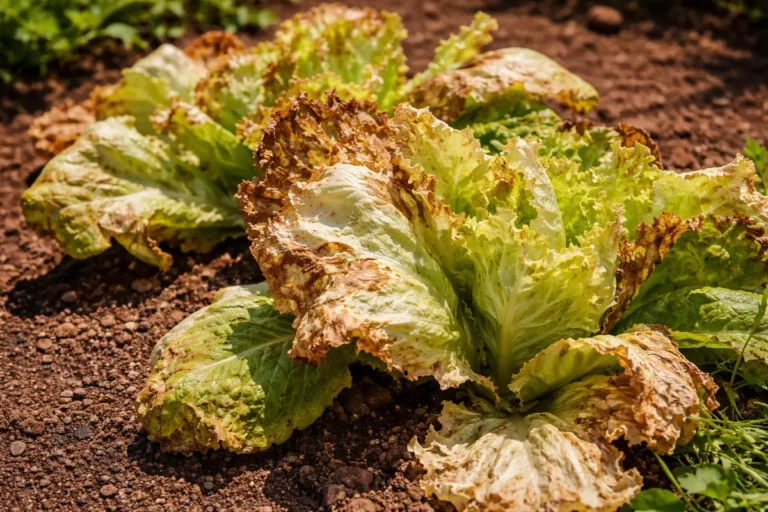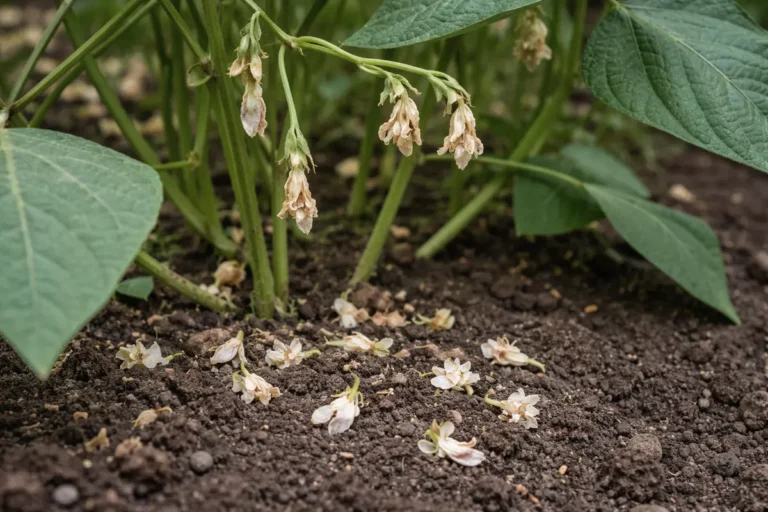
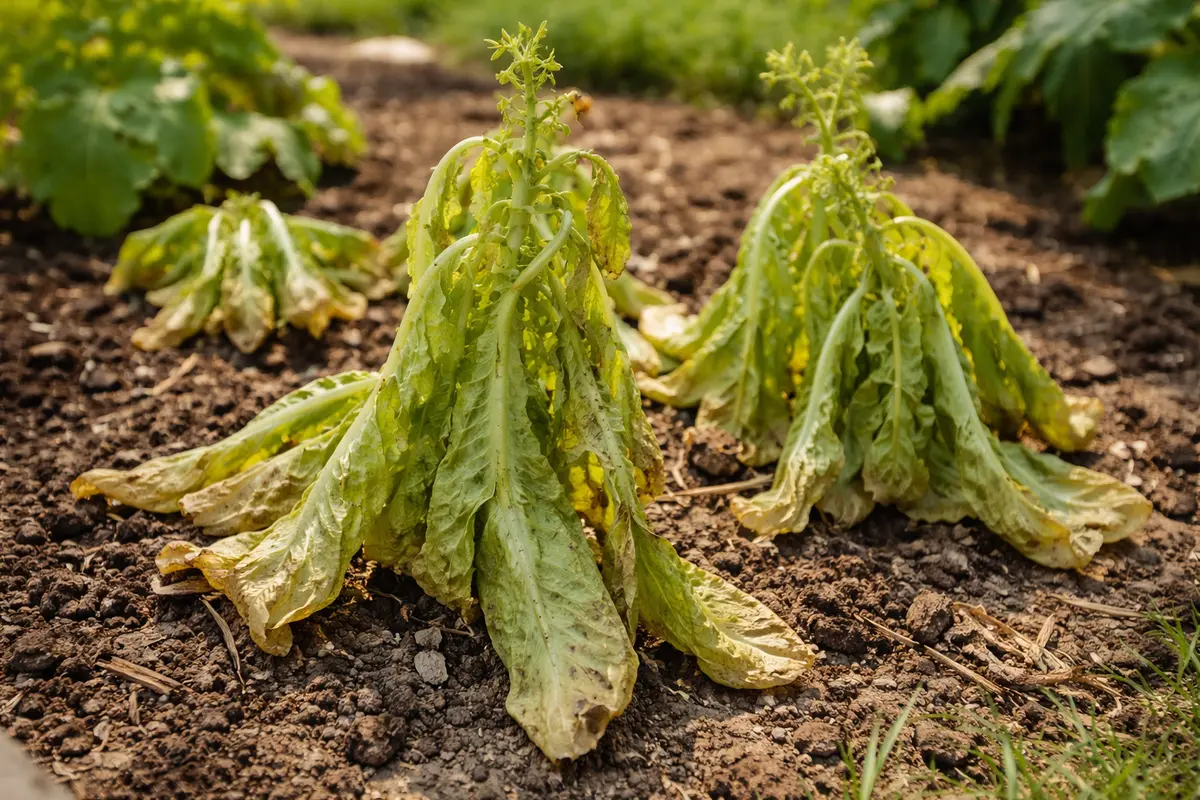
You may notice that during the summer heatwave, your lettuce plants exhibit signs of stress, which is why you need to know how to stop wilted lettuce from bolting in hot weather. As temperatures rise, the plants may begin to wilt, showing yellowing leaves and drooping stems as they struggle to cope with the stress. If left unattended, this problem worsens, leading to more damage that can weaken the plant and stall growth, but you can take action now by checking moisture levels, adjusting shade, and monitoring their health closely.
Step 1 – Induce Shade for Wilting Lettuce
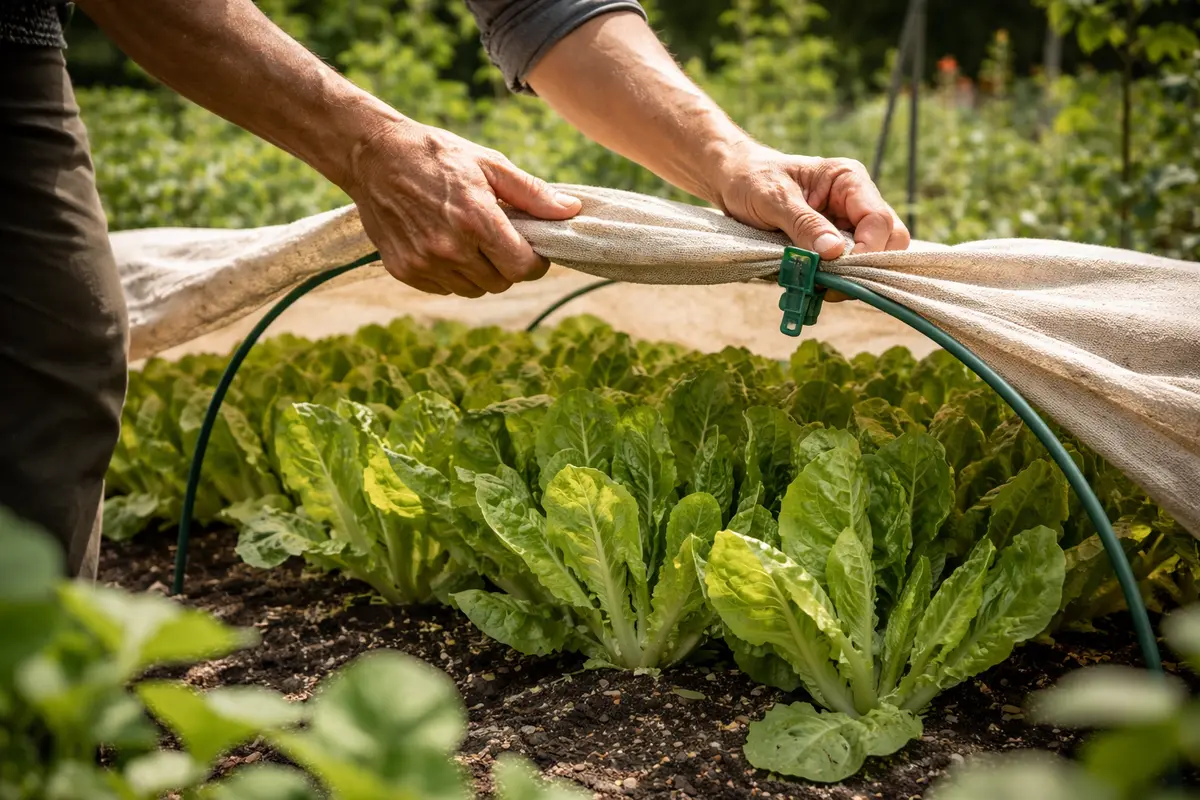
Start by applying shade cloth over your wilting lettuce plants immediately. You will notice a decrease in leaf droop within a few hours as the temperature around the plant begins to stabilize. This thermal protection is critical because it minimizes direct exposure to the sun, which can exacerbate wilting. If you notice temperatures climbing above 25°C (77°F), consider adding multiple layers of shade cloth for extra protection. The goal is to keep the ambient temperature around the lettuce below its stress threshold.
Providing shade is crucial because direct sunlight can raise the temperature around the plant, promoting moisture loss and leading to further stress or bolting. Lettuce thrives best in cooler temperatures, ideally below 20°C (68°F). If exposed to prolonged heat, the stress can trigger an early flowering response, which affects both the flavor and texture of the leaves. Failing to provide adequate airflow with your shade cloth can lead to increased humidity levels beneath it, fostering fungal diseases like downy mildew, which compounds the ongoing stress on the plants.
Typically, gardeners rush to water when they see wilting, but neglecting to provide shade first can exacerbate the problem if the temperatures remain high. A common mistake is only focusing on watering without recognizing the necessity of modifying the surrounding environment, which can prolong the stress experienced by the lettuce plants. If leaves continue to droop despite shading, assess the moisture and root conditions immediately, as persistent wilting may indicate a more serious root or soil issue. A simple verification of soil temperature can help inform your next steps; if the soil is still warm, sustaining shade for longer can help avoid further wilting.
Step 2 – Diagnose Heat Stress Causes for Lettuce
Inspect the soil moisture levels and check for compacted soil around your lettuce’s roots. As a result, you will determine if the moisture retention, drainage issues, or high temperatures are causing the heat stress. Soil moisture should ideally be maintained so that it remains consistently damp without becoming waterlogged. Insert your finger about 2 inches into the soil; if it feels dry at that depth, it’s time to add water.
Soil that is too dry or overly wet can both lead to stress for lettuce plants, as their roots require a balanced moisture level to absorb nutrients effectively. Compacted soil restricts root growth and reduces the plant’s access to necessary air and water, causing the leaves to wilt and the plant to strain under environmental pressures. Additionally, temperatures exceeding 26°C (78°F) play a significant role in advancing the bolting stage. Any excess heat can aggravate already stressed plants, making recovery more challenging. Conducting a soil test can help you identify pH levels and organic matter content, which influences nutrient availability and overall plant recovery.
If you observe that the soil is compacted, removing any rocks or debris may open up spaces for root expansion. Conversely, if the soil is too wet and exhibits a sour smell, consider amending the soil to improve drainage. In this situation, applying a layer of organic matter can also help boost soil aeration and encourage beneficial microbial activity. If the issue stems from poor soil structure, incorporate organic compost with a high percentage of carbon-rich materials for effective aeration and moisture control. Should drainage issues persist, consider re-evaluating your garden layout to prevent water accumulation. Remember that healthy soil structure is vital for root ventilation; roots should be able to breathe freely without being confined by compacted earth.
Step 3 – Water Lettuce Deeply to Aid Recovery
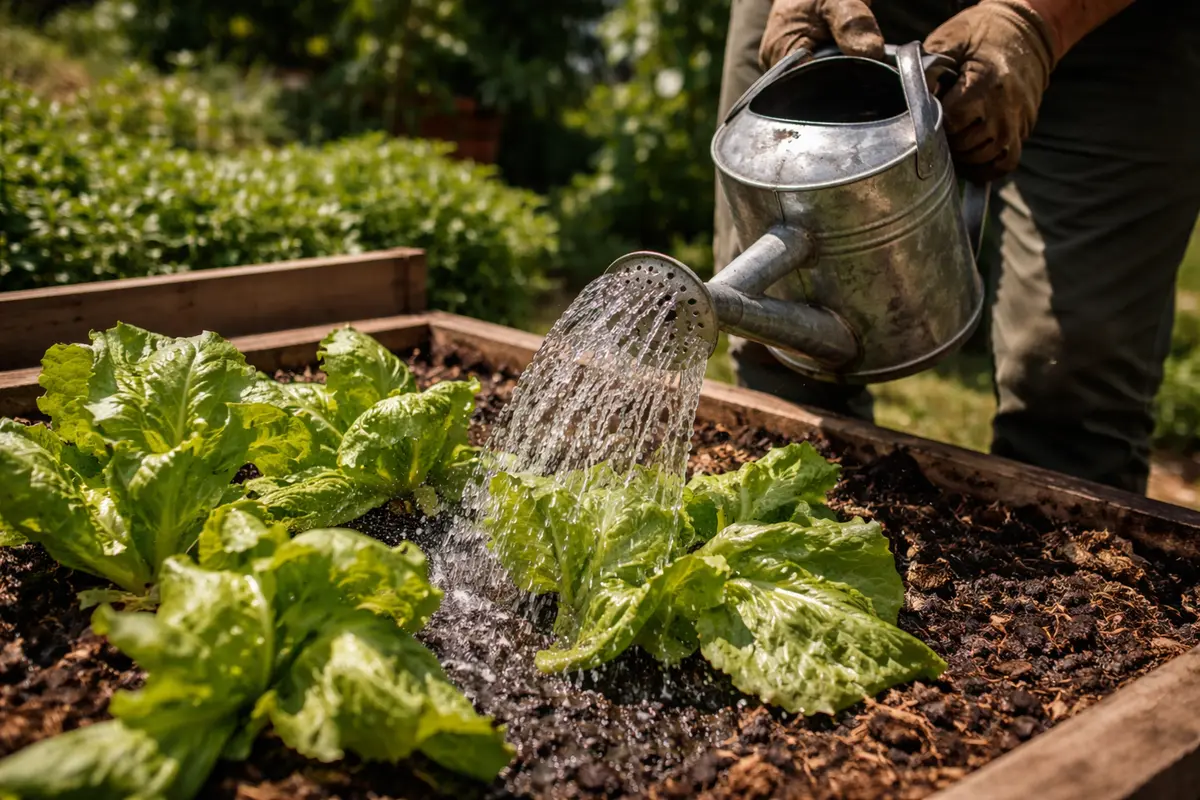
Water your lettuce deeply so moisture reaches at least 6 inches below the surface. You should start noticing the leaves becoming firm and upright within one or two days. This deep moisture promotes vigorous root growth, enabling the plant to access nutrients and recover effectively from heat stress. If watering during peak sun hours, aim to do so early in the morning or late afternoon to minimize evaporation.
Deep watering encourages healthy root growth and ensures that the plant has adequate moisture to recover from stress. While surface watering provides immediate relief, it does not penetrate deeply enough to reach the roots — especially in conditions where roots are exposed to heat. Recovery signs include vibrant green leaves regaining their structure and an overall more resilient plant. Trees and shrubs nearby can also compete for moisture, emphasizing the need for thorough watering in your garden layout. A common mistake is not giving water enough time to permeate through the layers of soil, so ensure your watering method allows moisture to soak in deeply.
However, be cautious in your watering approach; overwatering can lead to root rot or further stress, particularly in poorly drained soils. Focus instead on maintaining consistent moisture throughout the week while monitoring soil pressure. If the top 2 inches of the soil remain dry for extended periods, it’s time to deep-water again. As a side note, using a moisture meter can help give a more precise reading of the soil conditions, aiding in your watering strategy. Be observant for any signs of mold growth, which may indicate overwatering and should be addressed immediately. Adjust your watering frequency based on weather patterns; extremely hot, dry days may warrant more frequent deep watering. After repeated wet cycles, the same crop may develop wilting orchids after overwatering for better.
Step 4 – Mulch Around Lettuce to Prevent Bolting
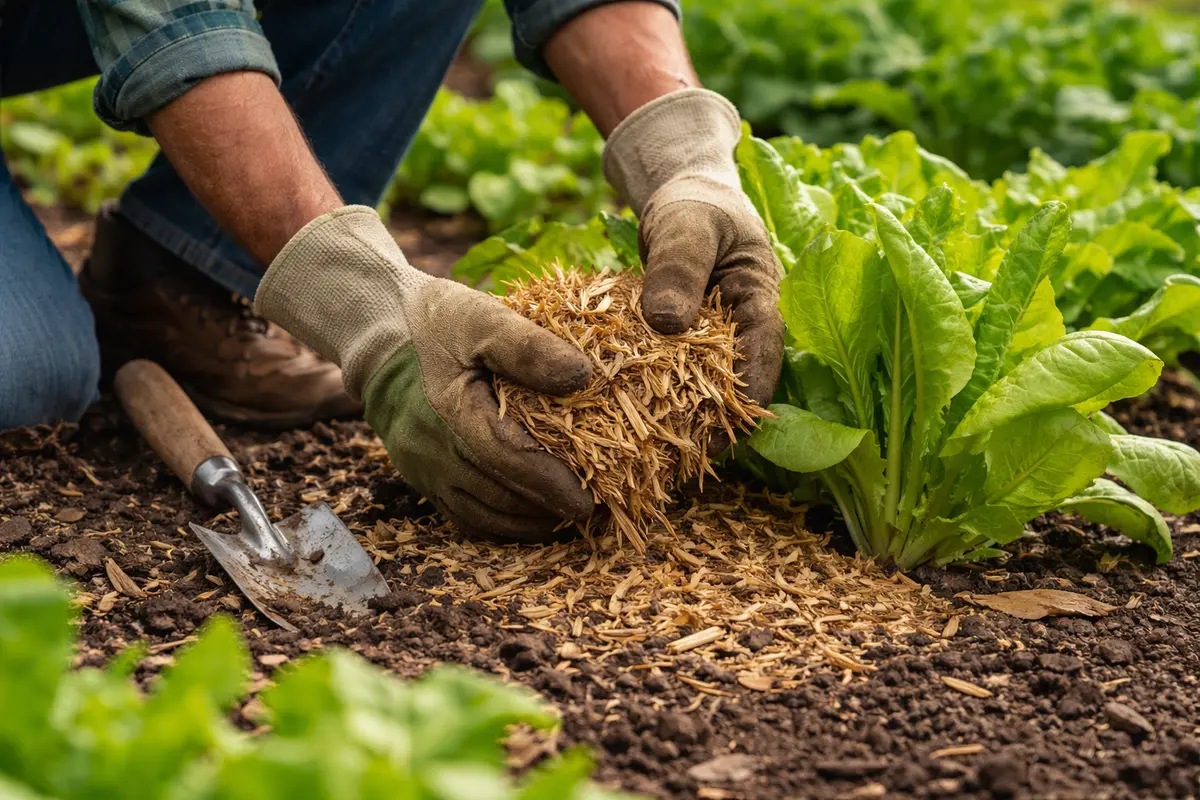
Spread a 2-inch layer of organic mulch around your lettuce plants to help regulate soil temperature. As a result, this will help prevent moisture loss and reduce soil temperature fluctuations. Organic mulch breaks down over time, enriching the soil while simultaneously preventing weed growth that competes with your lettuce. Ensure not to pile mulch directly against the stems, as this can encourage rot.
Using mulch serves a dual purpose; it not only retains moisture but also provides insulation against extreme heat, thereby minimizing stress on the lettuce. Typical materials such as straw, wood chips, or grass clippings can effectively keep the soil cooler and prevent weeds, which compete for resources. Consistent soil temperature makes it much less likely for lettuce to bolt prematurely. Without proper mulch, you may observe rapid temperature fluctuations that further stress the plant. If your area experiences sudden downpours, be prepared to replace or replenish the mulch, as heavy rainfall can wash away mulch and expose roots to excessive heat.
During particularly hot days, consider reapplying mulch every few weeks to maintain its effectiveness. An additional layer might be necessary after heavy rains wash away some of the original mulch. A common mistake is applying too little mulch or neglecting to replenish it over time, which can expose the sensitive roots to sudden temperature changes. If you notice the soil surface drying out despite mulching, it may require more frequent checks on moisture levels beneath the mulch to ensure adequate hydration. Otherwise, your efforts at preventing bolting will be compromised as the soil loses its coolness and moisture retention.
Step 5 – Inspect Lettuce Leaves for Signs of Bolting
Check the lettuce leaves every few days for early signs of bolting, such as elongated stems or flower heads starting to form. You should see smooth, upright leaves and healthy growth within the first week after taking corrective measures. This proactive monitoring enables you to catch potential problems before they escalate, allowing for timely intervention. Set a regular schedule to check your plants, and keep a notebook to track any changes in appearance or environment.
When leaves are well-formed and the stems are growing straight without flower heads, your lettuce is on the right track to recovery. Signs of bolting, however, include stretched growth and small flower buds, which indicate that the plant is transitioning into reproduction mode, leading to tougher, bitter-tasting leaves. Make it a habit to monitor conditions regularly — at least once every 3 days — to ensure optimal growth. Keep track of any environmental conditions that may change, as shifts in temperature or humidity can trigger bolting. If leaves look healthy but temperatures spike unexpectedly, reverting to previous strategies, like shading and watering, may help mitigate potential bolting.
If the bolting symptoms return, re-evaluate your watering and mulching practices. It may also be time to adjust your planting strategy by opting for bolt-resistant varieties, especially during warm weather conditions. Consider planting short-stage varieties with faster growth rates to ensure edible harvests earlier in the season, thus reducing the risk of bolting. Make sure you are maintaining consistent care for your plants; fluctuation in care protocols could also question the success of your lettuce crop. Planting at optimal times for your region can significantly enhance chances of a successful harvest, ideally targeting cooler seasons or selecting heat-resistant strains.
FAQ
How long before my lettuce recovers from heat stress?
Recovery from heat stress can take anywhere from a few days to up to a week, depending on the severity of the situation. Consistent practices such as deep watering and providing shade contribute significantly to a quicker recovery. With effective measures, you should start to see signs of improvement, such as upright leaves, within the first few days. If recovery stalls, adjust conditions accordingly to maintain healthy moisture and shade levels, and verify that there are no underlying soil issues affecting root health.
Can I remove the bolted lettuce and replant?
Yes, you can remove bolted lettuce to allow room for new plants; however, you should ideally wait until the plant has finished its blooming cycle to avoid disrupting nearby plants. After removing the bolted ones, consider replanting heat-resistant varieties suited for the upcoming growing conditions. It’s crucial to ensure that the soil remains adequately amended and watered for the new plants to thrive. Also, be mindful of any leftover root structures that could harbor pests or diseases, necessitating a thorough cleaning of the planting area before introducing new seeds.
What should I do if my lettuce keeps bolting despite shade and water?
If your lettuce continues to bolt despite providing shade and adequate water, it may be worth investigating the soil quality or drainage issues. Evaluate whether the soil has the proper pH levels and nutrient content to support healthy growth. Conducting a soil test can pinpoint deficiencies or imbalances that might be contributing to bolting. If bolting persists, consider experimenting with planting varieties known for being more resilient under heat stress, such as butterhead or romaine types adapted for warmer climates. Connecting with local gardening groups for tailored advice can also provide insights into effective practices suitable for your area’s unique climate conditions.