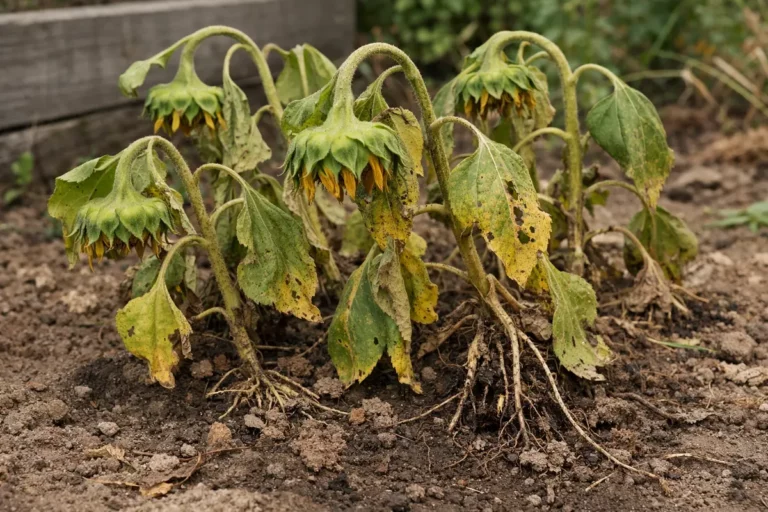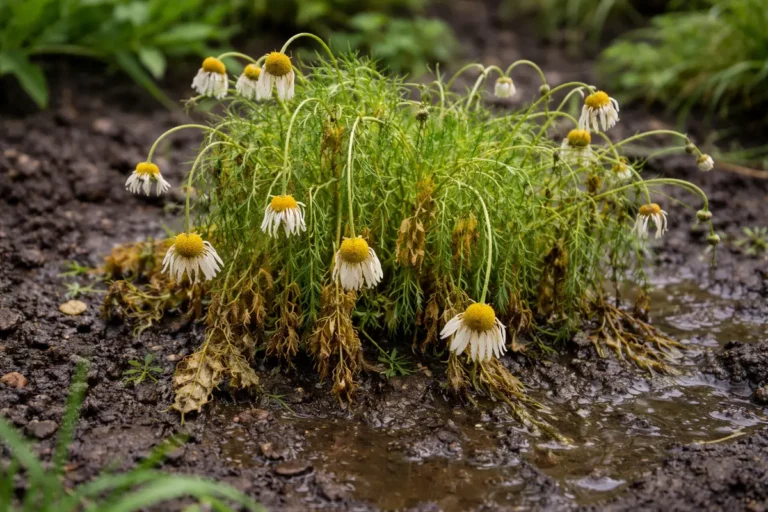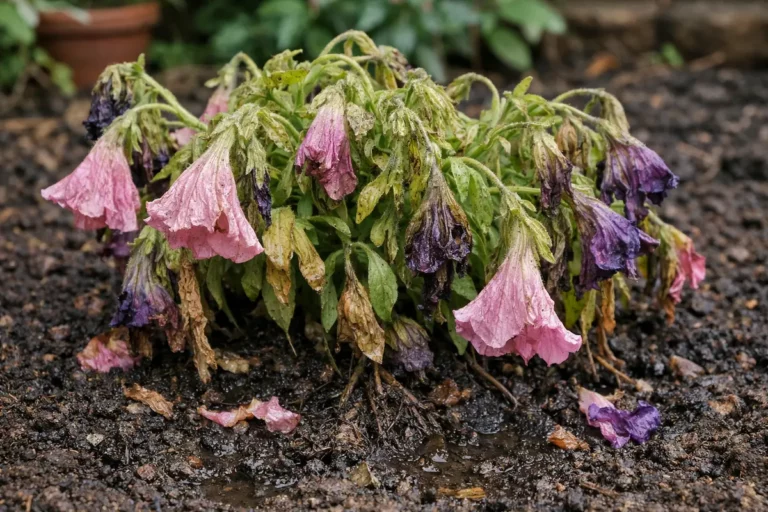
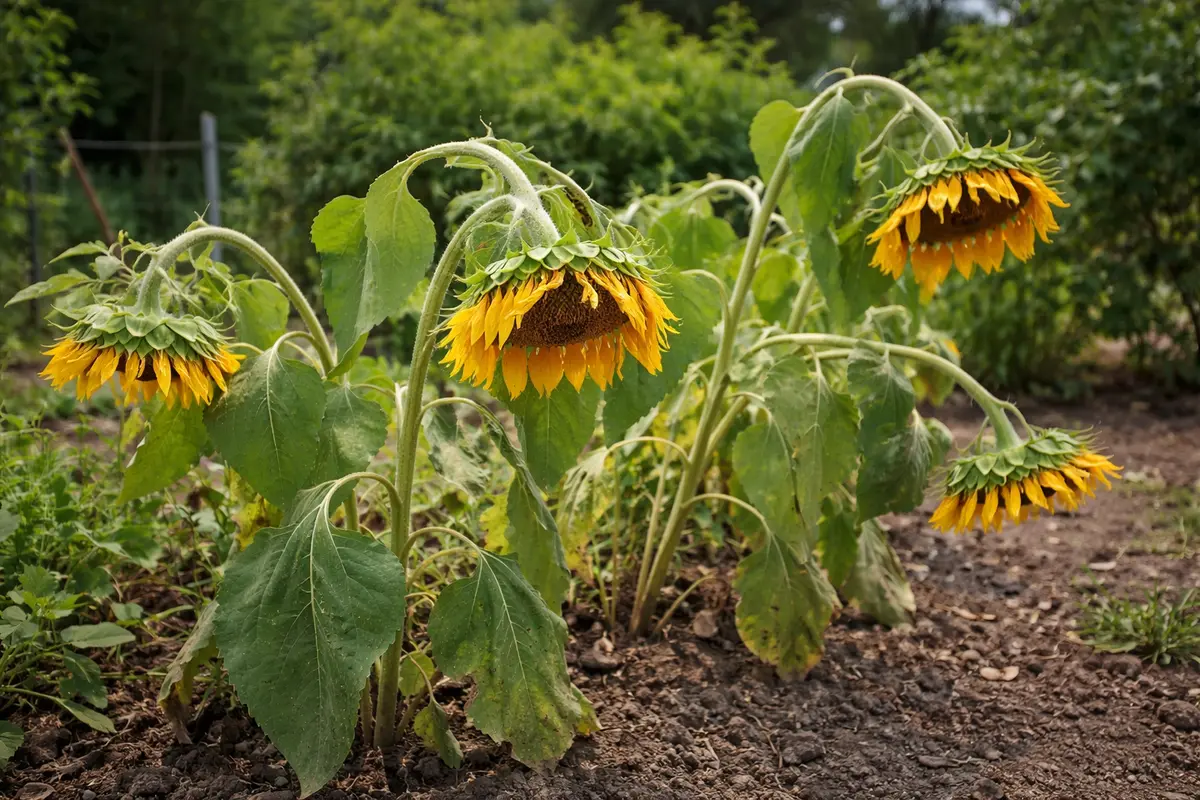
You’ve probably noticed your sunflowers drooping after a period of hot, humid weather, which is why you need to know what to do when my sunflower heads droop in the garden. This drooping often results from wilt or other stress factors like insufficient water or nutrient deficiency. Ignoring this issue can worsen the plant’s condition and lead to more damage, making recovery harder. Fortunately, you can improve their health by checking the soil moisture and adjusting your watering routine to help them perk up again. In particular, understanding the underlying issues and responding promptly is crucial to preventing lasting damage.
Step 1 – Water Sunflowers to Relieve Drooping
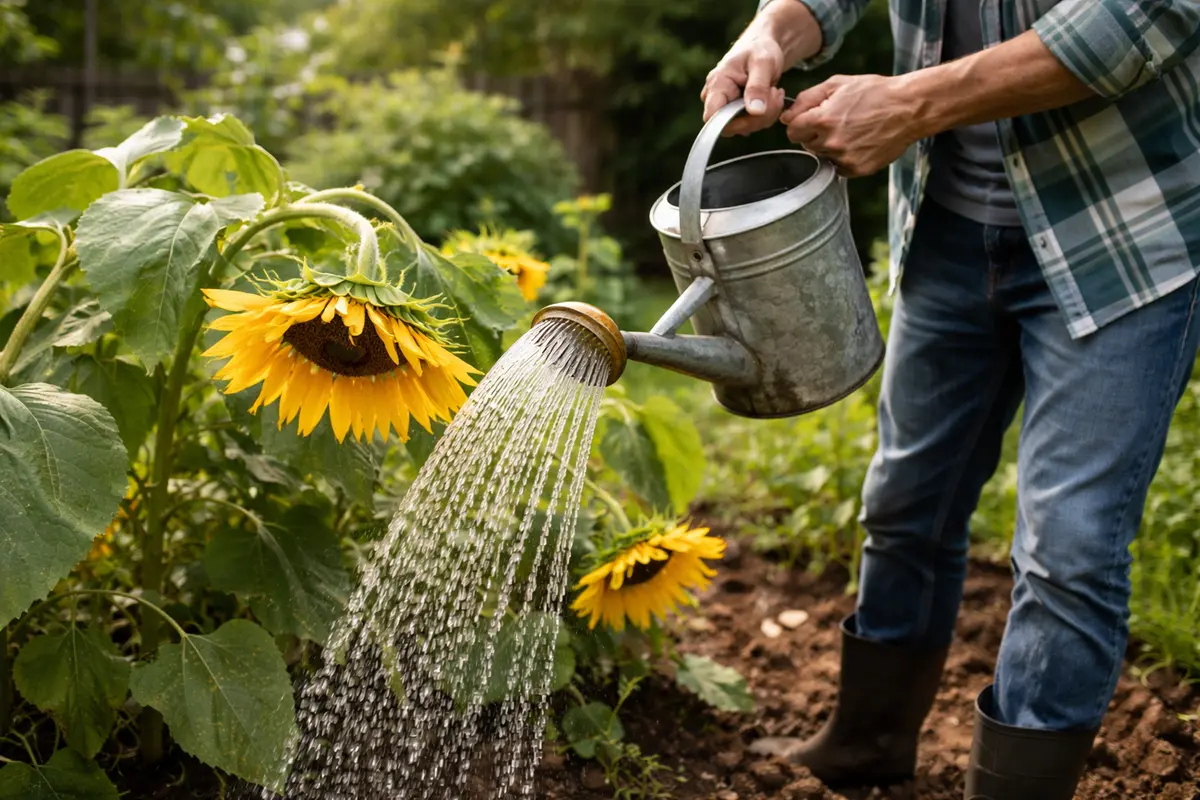
Water your sunflowers deeply and ensure the soil is saturated up to six inches deep. You will see the leaves and flower heads begin to perk up within a couple of hours. For best results, water early in the morning or late afternoon to minimize evaporation and ensure the plants can absorb the moisture. If you notice that the soil dries too quickly after watering, take steps to amend your soil for better moisture retention. Check your local weather forecast; if extreme temperatures are expected, consider an additional watering session to help the plants cope.
Sunflowers require consistent moisture in warm weather, especially during peak sunlight hours. When the roots dry out, they cannot absorb the necessary nutrients and water, leading to droopiness. If your sunflowers exhibit yellowing leaves or a dry, crispy texture, these are immediate signals that they need water. Delaying watering can further exacerbate wilting, risking their overall health. Assess daily moisture levels; by sticking your finger into the soil, if the top inch feels dry, it’s time to water. Should the soil feel wet even two inches down after watering, this may indicate poor drainage, and further action is necessary to restructure your soil or planting strategy.
A common mistake gardeners make is assuming that a surface sprinkle of water is enough. In hot conditions, it is crucial to hydrate deeply. If the top layer feels dry, check deeper; if the soil remains dry, increase the amount and frequency of your watering to avoid further damage. For sandy or porous soils, it may be necessary to water more frequently, whereas clay soils can hold moisture longer. If the soil is resistant to moisture or consistently dry below the surface, consider modifying your irrigation method. Drip lines or soaker hoses may provide a more consistent moisture delivery, especially in sandy or rapidly draining soils. To evaluate your soil’s health, you might also conduct a simple test; fill a container with water and soil to see how well it retains moisture over certain periods.
Step 2 – Diagnose Nutrient Deficiency in Sunflower Soil
Start by checking the soil moisture level; stick your finger about an inch into the soil. If it feels dry, water the sunflowers thoroughly, ensuring the water reaches the root zone, and observe the heads begin to perk up within a few hours. However, if you notice that the soil feels wet and compact, it may indicate a nutrient lockout due to poor drainage or imbalanced pH levels.
When sunflower heads droop, it often indicates water stress. Dry soil leads to insufficient moisture uptake through the roots, causing the plant to lose turgor pressure in its cells, resulting in wilting and drooping. Conversely, if the soil is too wet, root rot can occur, which also results in drooping stems as the roots fail to function properly. Known symptoms of root rot include yellowing and wilting; in chronic cases, the stem may also have a blackened or mushy appearance.
If the soil smells sour or mushy, that signals root rot; in this case, amend the soil by improving drainage or replant in fresh soil. Additionally, if drooping heads appear along with yellowing leaves, this could indicate nutrient deficiency, particularly nitrogen or potassium. Sunflowers thrive in nutrient-rich soil, particularly with enough nitrogen, phosphorus, and potassium to support vigorous growth. A lack of these essential nutrients not only contributes to drooping heads but also weakens stems, making the plants precarious in heavy winds or rain. An ideal N-P-K ratio for sunflowers—especially during growth—should be balanced, near a 10-10-10 composition. If a soil test reveals deficiencies, immediate soil amendments should be considered for the best results.
For nutrient deficiencies, amending the soil with high-quality compost or a balanced fertilizer can provide a much-needed boost. Conversely, if you notice a sour smell or overly saturated soil, you may need to improve drainage rather than add more nutrients. In cases of high phosphorus but low nitrogen, for instance, adding a high-nitrogen fertilizer while monitoring moisture levels will yield better results than simply adding more phosphorus. Keep a close eye on new growth patterns; if the sunflowers’ leaves start to appear brighter and more vibrant within a few weeks post-fertilization, this indicates that the application has been effective—an observable difference that can ensure your sunflowers are on the path to health.
Step 3 – Support Sunflower Heads with Staking
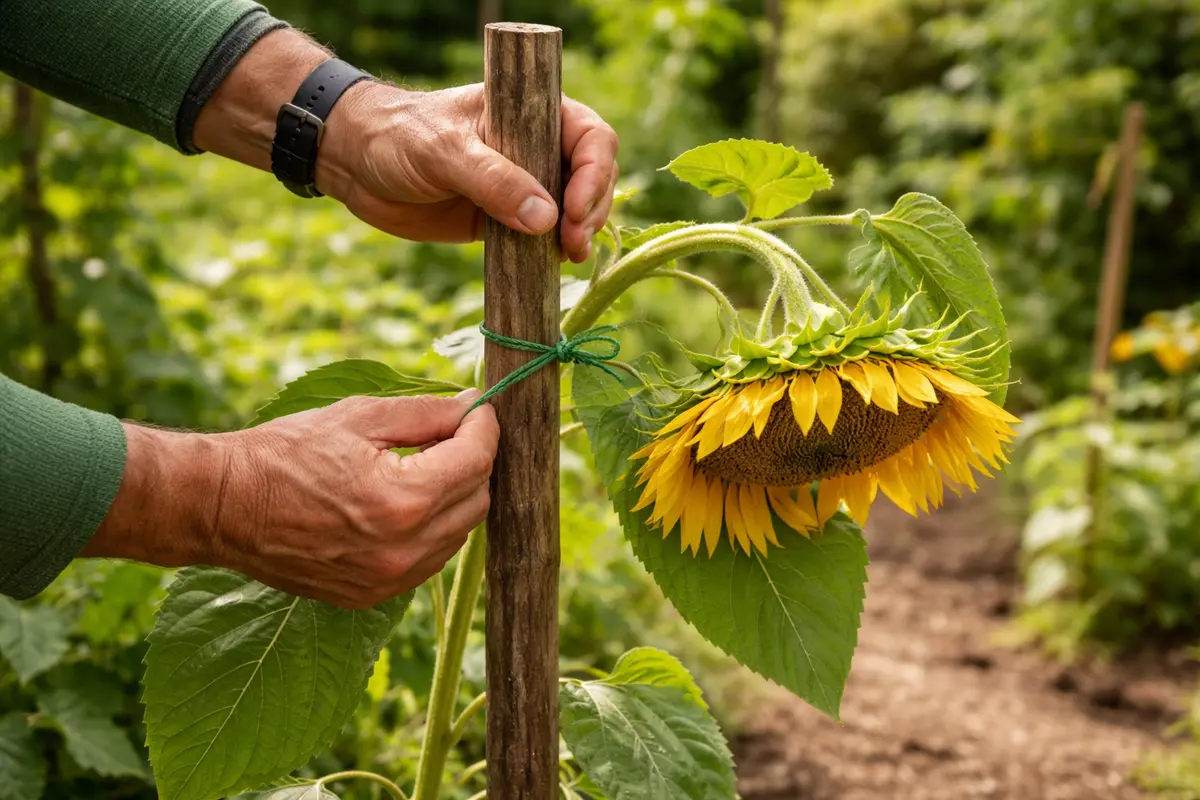
Start by gently supporting your drooping sunflower heads with stakes or cages to provide structural stability. Within a few days, you should notice the heads lifting slightly as they regain their upright position, signaling a positive change in their condition. Use sturdy stakes made of wood or metal, spaced adequately underground, to support the weight of the plants without causing additional stress.
Recovery can vary depending on factors such as sunlight exposure and soil moisture. Typically, you might see signs of improvement within one to two weeks if you maintain consistent watering and appropriate light. Conversely, wilting that continues without improvement may indicate either too little water or insufficient sunlight, so check the watering schedule and adjust accordingly. In areas with high winds, securing taller sunflowers may require additional staking or using cross supports to prevent bending.
Avoid over-fertilizing during the recovery phase, as this can lead to excessive growth at the expense of strength. For sunflowers, a nutrient boost too soon might result in leggy plants, which can make them more prone to drooping again. If new growth appears weak or pale, consider reducing fertilizer and focusing on balanced water management instead. Additionally, while staked, monitor each sunflower head—some may respond differently to stabilization tactics based on their size and weight balance. It is often beneficial to review the health of each individually staked sunflower, as those with heavier blooms may require dual or higher stakes for optimal support.
Staking sunflowers helps them bear the weight of their large blooms and strong winds, which can cause bending or breaking. Without proper support, sunflowers are particularly vulnerable to drooping, especially if bloomed at the peak of summer’s heat. Assess each plant individually; if any have begun to lean dramatically or have crossed over under the weight of their blooms, this indicates immediate intervention is necessary. Adequate staking can also enhance airflow around the plants, reducing the likelihood of disease, especially in humid conditions. If multiple plants are being staked, space your stakes sufficiently apart to avoid crowding and competition among roots, and always tie the stems loosely to prevent limiting their growth.
Step 4 – Mulch Around Sunflowers During Hot Weather
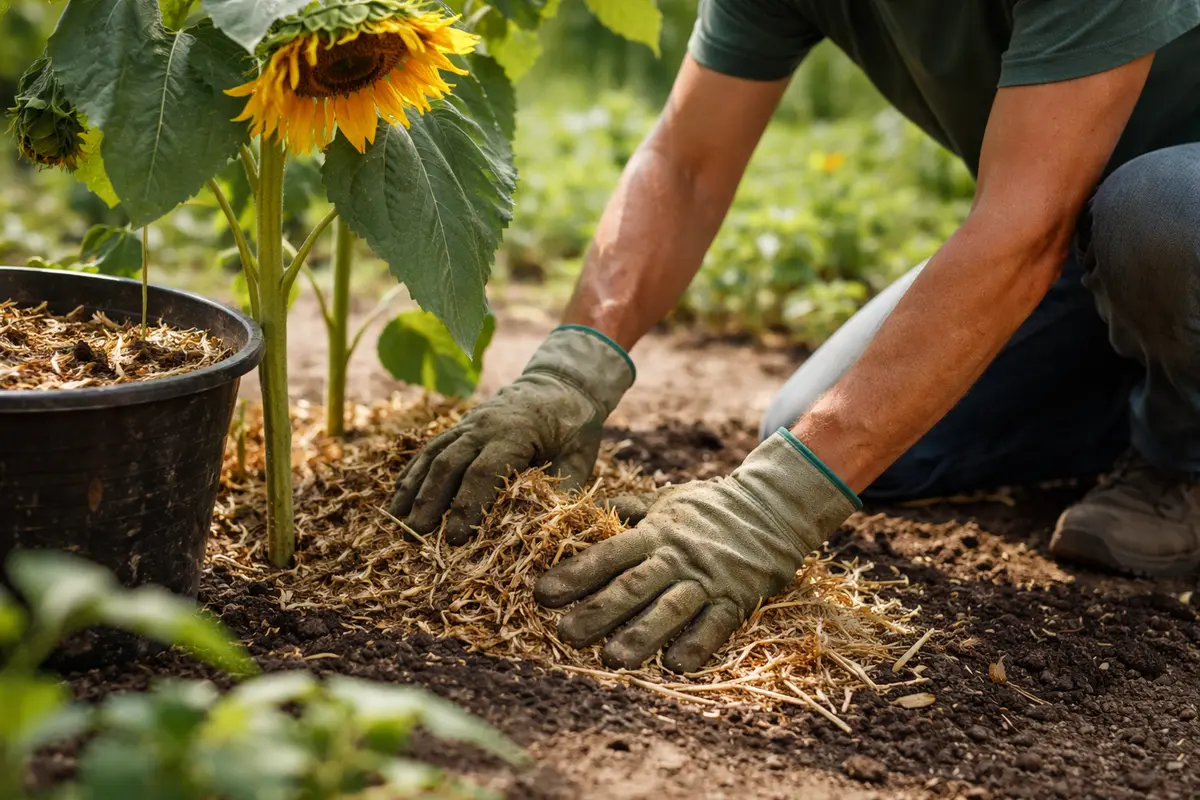
Apply a layer of mulch around your sunflowers about three inches thick to help retain soil moisture and maintain temperature. This practice will lock in humidity and provide consistent moisture for the roots, significantly reducing water stress. Organic materials such as straw, shredded leaves, or wood chips work exceptionally well, and many gardeners find that applying a thicker layer prevents weeds from competing for nutrients as well. If weeds are flourishing in your garden, a thicker layer of mulch can be beneficial in the long run.
Mulching is particularly effective during peak summer months when heat causes rapid evaporation from the soil. Maintaining cooler soil will help prevent stress, which can lead to drooping. Regularly check the depth and quality of your mulch to ensure it is thick enough to inhibit weeds and retains moisture effectively. As decomposition occurs, refreshing the mulch layer will be important to support soil health and nutrient availability. If you notice the mulch breaking down too quickly or washing away, it may require replenishing nearly every month during the hottest season. This process not only retains moisture but also enhances soil structure over time.
Consider applying mulch at the beginning of hot weather and re-mulch every few weeks if it begins to decompose or wash away. During particularly dry spells, refreshing the layer can offer additional benefits without harming the plant. Be aware that poorly decomposed mulch can harbor pests or pathogens, so ensure that the material you use is well-aged or treated to avoid introducing issues while the flowers mature. Checking the mulch every week may help you catch any problems before they escalate, ensuring your sunflowers remain supported in a conducive environment. If you notice an abundance of pests or fungal issues nearby, it may be a signal to review your mulch type or application to safeguard your plants effectively.
Step 5 – Inspect Sunflower Stems for Wilting Each Week
Inspect your sunflower stems weekly for signs of wilting or drooping returning. You should observe firm leaves and upright heads within a week if recovery actions are successful. The health of the stems can also be an indicator; if they feel spongy or mushy, it may indicate root rot. Should you notice signs of pests during your inspection, prompt action is required to avoid damage spreading to other plants. A weekly inspection routine allows for identifying any early signs of stress as well as ensuring that any corrective measures taken have been effective.
Healthy sunflowers will show vibrant green leaves and sturdy stems, and incrementally checking can help catch early signs of the problem returning. During inspection, also observe surrounding plants for any symptoms of plant stress or pest activity, as issues may not remain isolated. Keep an eye on weather changes and remain consistent with watering and nutrient applications based on your findings from soil tests. If the stems feel loose or weak at their base, this suggests that they have not established a proper root system. By understanding how long it takes for sunflowers to stabilize and regain strength, you can establish a more tailored care routine moving forward.
If drooping does return, verify water levels and nutrient status immediately. Additionally, assess for pests or environmental stressors that may have gone unnoticed. An unexpected influx of rain could lead to overwatering, which may necessitate reducing water levels. If environmental stressors are detected, immediate strategies should be implemented to bolster the plants’ resilience. For instance, a sudden cold snap after a warm period can shock the plants if not monitored carefully. Ensuring proper ventilation and airflow around the site can reduce humidity that may encourage disease onset. Engaging with local gardening communities for advice on responding to local climatic conditions as they arise can also be beneficial.
FAQ
How long should I water my sunflowers to ensure they recover?
Water your sunflowers until the moisture reaches about six inches deep in the soil, typically requiring 1-2 inches of water per week. This can vary based on weather conditions, so adjust accordingly, especially in hot months. Using a moisture meter can assist in determining if watering meets the necessary depth, enabling more precise care.
Can drooping in sunflowers spread to other plants?
While drooping itself is not contagious, stressed sunflowers can attract pests and diseases that might affect nearby plants. Addressing drooping promptly can minimize the risk of these issues spreading in your garden. If you find aphids or other pests, consider using insecticidal soap to manage infestations before they affect neighboring plants. Implementing measures like companion planting can also help mitigate pest issues.
Should I remove drooping sunflower heads?
If the heads are severely wilted or damaged beyond recovery, prune them back to prevent wasting energy on unhealthy blooms. This will redirect nutrients back to the plant, allowing for potential new growth and strength. It’s advisable to prune back heads early in the day when temperatures are cooler to avoid shocking the plant and expose them to less stress during a recovery phase.