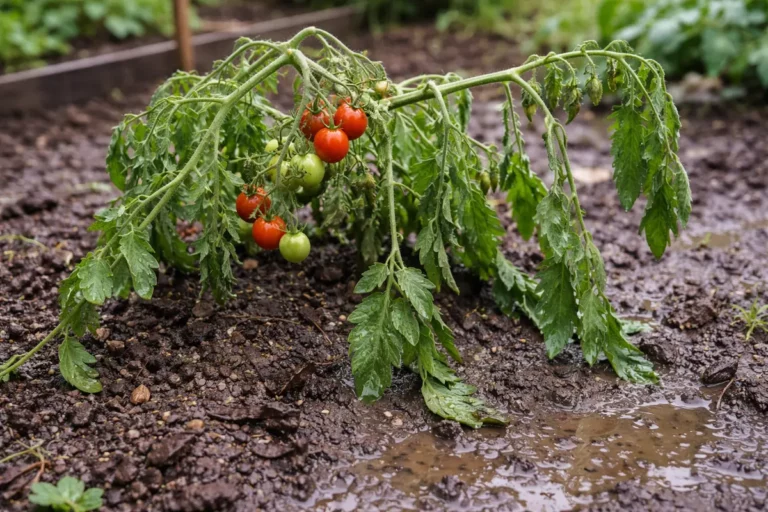
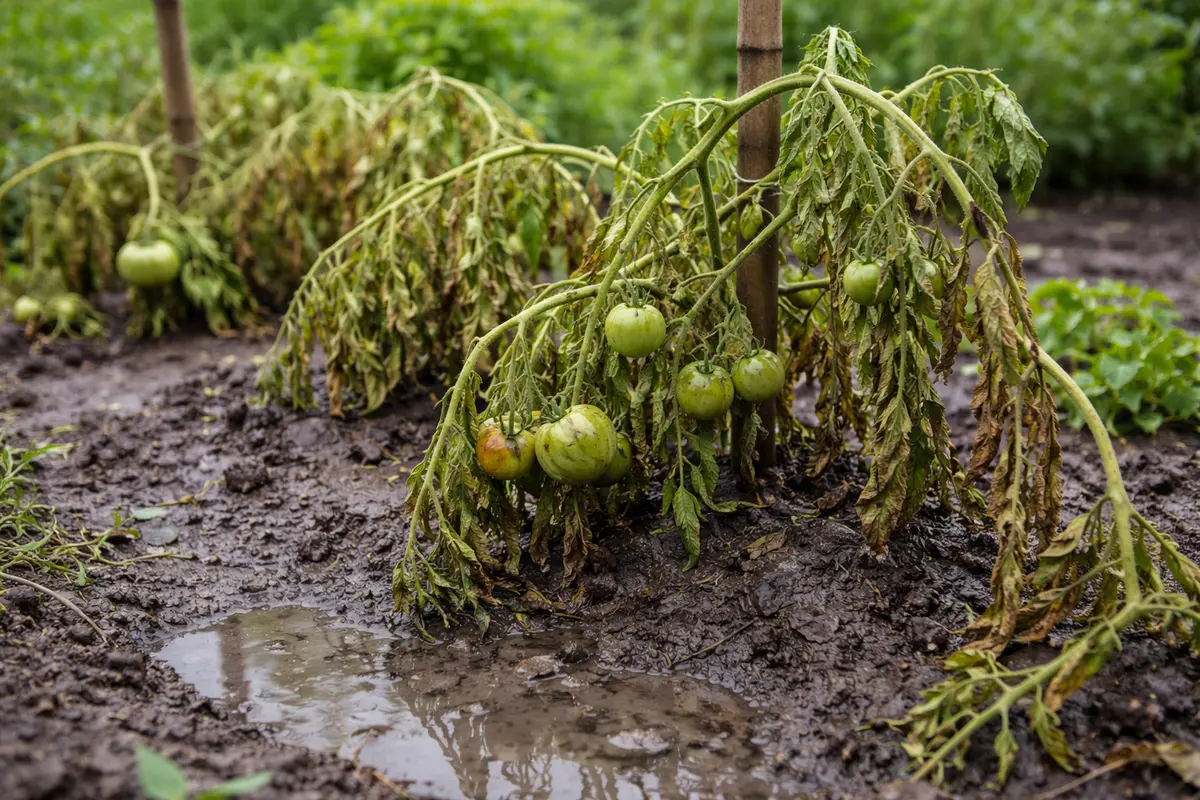
You may notice that your tomato plants appear droopy and sad after a heavy rain, which is why you need to know what to do after rain with wilted tomato plants in your garden. The excess water can cause the roots to suffocate, leading to wilting and yellowing leaves as the plants struggle for oxygen. If left unaddressed, this condition gets worse and can weaken the plant, making it harder to fix. Fortunately, you can still improve the situation by inspecting the roots, adjusting your watering practices, and monitoring for signs of recovery.
Step 1 – Inspect Tomato Leaves for Wilted Symptoms
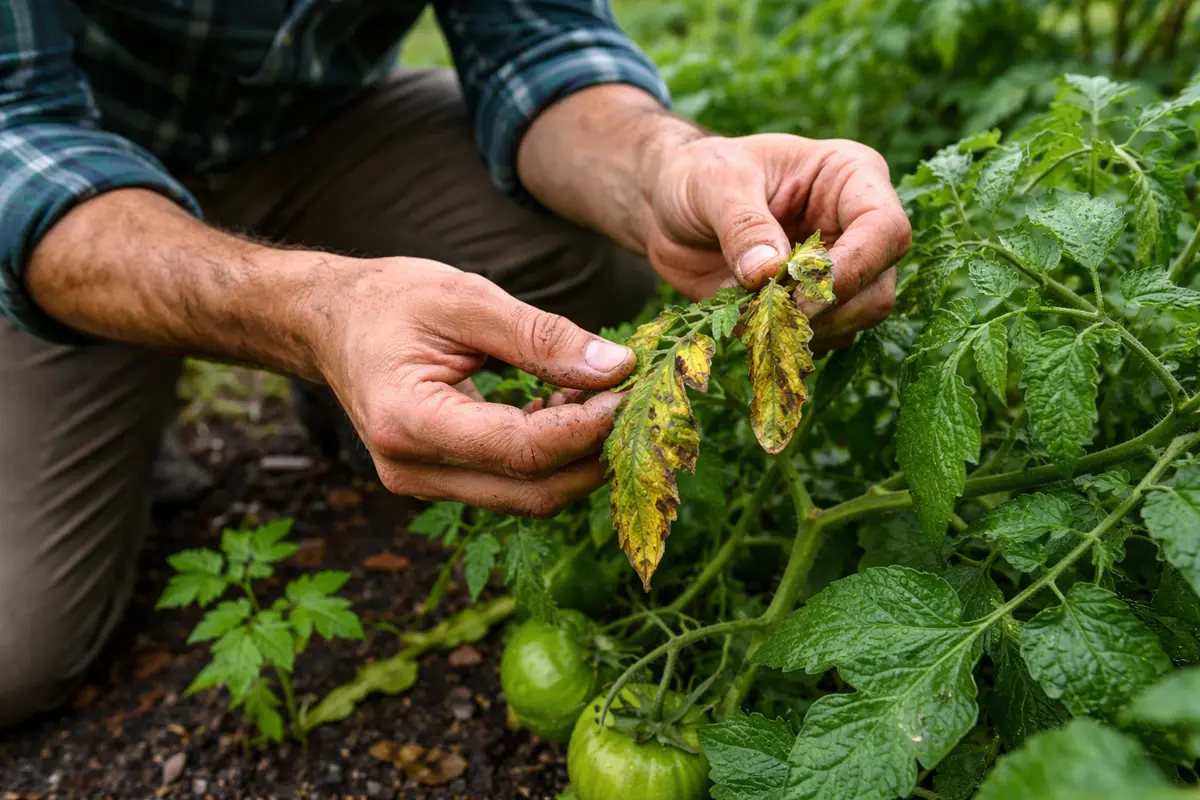
Begin by examining the leaves of your tomato plants for signs of wilting, drooping, or discoloration. You should see clear indicators of stress such as limp leaves or a dull color. If the issue is caught early, you’ll prevent further damage and initiate the recovery process more effectively.
You might observe that wilting often follows heavy rainfall when soil becomes too saturated. Tomatoes can’t absorb nutrients or water properly when roots sit in overly wet soil. This impairs the plant’s photosynthesis and growth, leading to a rapid loss of vigor. When soil saturation is excessive, you may even notice a distinctly muddy texture when digging around the base of the plants, a clear signal for concern.
A common mistake at this stage is to water the plants further or to neglect checking the soil moisture. You may think the issue is lack of moisture, but too much moisture can be the culprit instead. If you find that symptoms worsen despite additional watering, it indicates that the roots are struggling to cope with excess water. Be mindful of your gardening practices when heavy rain occurs; adjust watering accordingly to ensure you don’t exacerbate the problem.
Step 2 – Assess Soil Drainage Issues Affecting Tomatoes
First, check the roots of your wilted tomato plants by gently excavating the soil around them. If you find that the roots are blackened or mushy, this indicates a problem with waterlogging, which reduces oxygen access to the roots. Act quickly to remove the affected plants and improve soil drainage by adding organic matter or creating raised beds. You should see the remaining plants begin to stand upright within a few days.
When tomato plants exhibit wilting after rain, it may signal root rot due to excessive moisture in the soil, which suffocates the roots. Healthy roots require oxygen to function effectively; without it, they cannot uptake essential nutrients. In contrast, if the soil feels dry to the touch but the plants are still wilting, the issue may not be root rot but rather dehydration. If not root rot → check for moisture levels in the soil and consider adjusting your watering schedule.
If the soil you exposed has a foul smell reminiscent of decay, this indicates anaerobic conditions that worsen root rot. In such a case, do not just improve drainage; also consider treating the soil with fungicides to combat pathogens. Alternatively, if leaves are discolored but roots appear healthy, this could indicate a nutrient deficiency; test the soil for nutrient levels and amend as needed.
The cause of the wilting could be poor drainage that doesn’t allow excess water to escape. Tomato roots require oxygen, and overly saturated soils can suffocate them. A too-loose or clay-heavy soil may retain water, creating conditions unfavorable for your plants. When the roots remain wet for extended periods, the lack of oxygen compromises their ability to transport nutrients, which leads to the visible symptoms you’re witnessing.
If you smell a sour odor when inspecting the soil, this indicates anaerobic bacteria thriving in poor drainage conditions, worsening the root situation. In that case, you might need to consider amending the soil with organic matter to improve its structure. A recommended measure is to mix in compost or coarse sand, which can enhance drainage capabilities. If the problem persists, it may be worth exploring raised beds, which can offer better drainage opportunities by elevating the soil level and allowing excess moisture to escape.
Step 3 – Apply Nutrient Boost to Revive Wilting Tomatoes
Begin by gently propping up wilted tomato plants using stakes or cages to help them regain their upright position after heavy rain. Waterlogged soil can cause plants to bend over, so ensure that the soil drains well and slopes down slightly away from the stem. Within a few days, you should observe a gradual recovery as plants start to perk up and new leaves appear healthy and firm.
Recovery from heavy rain may take a week or two depending on the severity of the conditions. Healthy regrowth typically shows greener and fuller leaves, while browning or yellowing edges indicate ongoing stress. If soil remains overly wet from inadequate drainage, plants will struggle, but if soil dries properly, you will see more pronounced recovery. If not producing new shoots → check for root suffocation in saturated soil.
Avoid overcompensating with extra water or fertilizer during recovery, as too much can lead to further stress on the roots. Too little moisture will stunt growth, while excessive nutrients can burn roots that are already distressed from rain. During wetter periods, it’s wiser to rely on soil moisture levels before applying any additional feeding or watering regimen.
The recovery timeline for tomato plants can vary, but you should expect visible signs of regrowth within a week if conditions are optimal. Look for brightening leaves and new shoots as indicators of health; if the leaves remain limp and browning, it could indicate root rot. Excessive humidity or persistent shade can slow recovery, while warm temperatures and sunlight typically accelerate healing.
Avoid overcompensating with water or fertilizer during recovery, as this can lead to further stress or nutrient burn. Overwatered plants might exhibit yellow leaves, while under-watered ones will wilt. If leaves are yellowing but the soil is moist, check for root rot; if the soil is dry, assess your watering schedule.
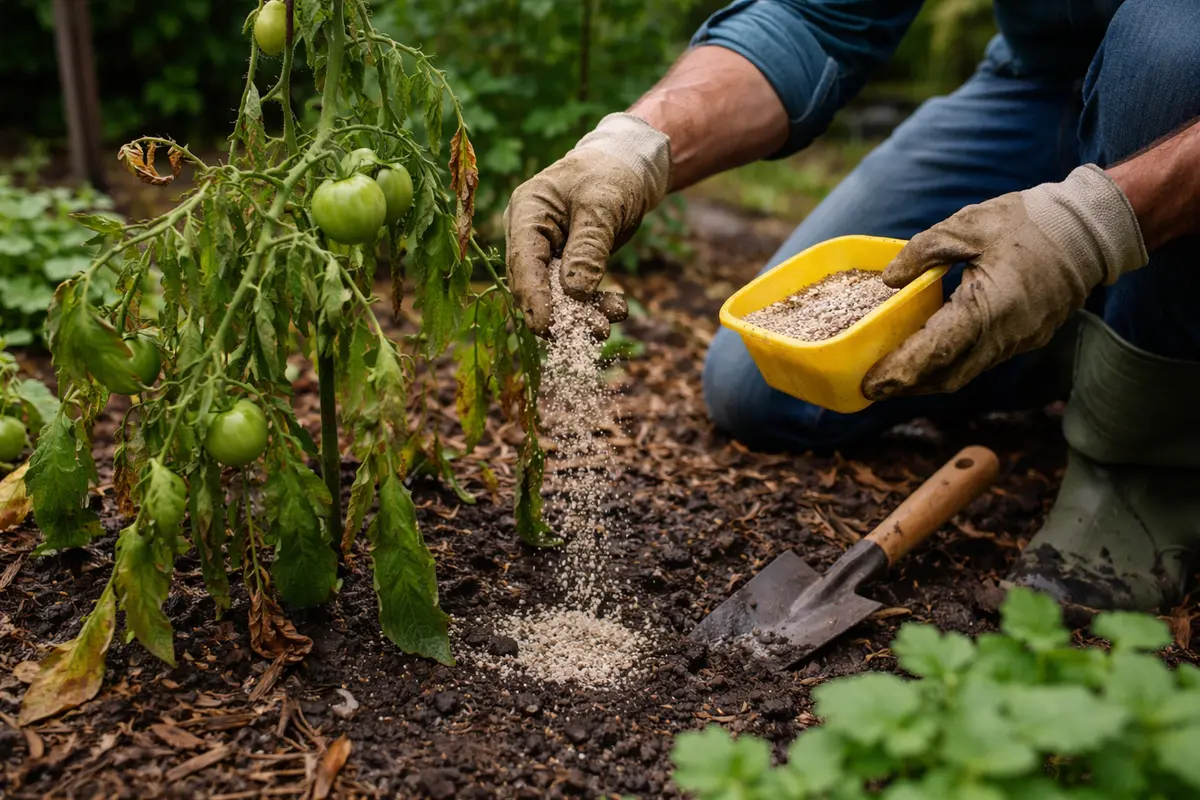
The application of nutrients supports recovery by ensuring the plants have access to what they need for vigorous health. When tomato plants experience wilting, they can deplete vital nutrients rapidly. Fertilizing should encourage leaf growth and stimulate a robust root system, enabling your plants to thrive even after the stress of heavy rains. After fertilization, observe the plants carefully; changes in color from dull to vibrant green within a week can offer a good indication that your intervention is effective.
Be cautious not to over-fertilize, as too much nutrient input can further stress the already weakened plants. If the fertilizer is too strong, you may notice leaf burn or a decline in overall vigor. Monitor how they respond over the course of a week; if new shoots are visible and the leaves are firming up, you can continue to provide balanced feeding. If they do not improve, consider the possibility of pest damage or diseases that may need to be addressed. In that case, inspect the leaves for abnormal blemishes which might point to secondary complications occurring around the same time.
Step 4 – Shield Tomato Plants from Excessive Rainwater
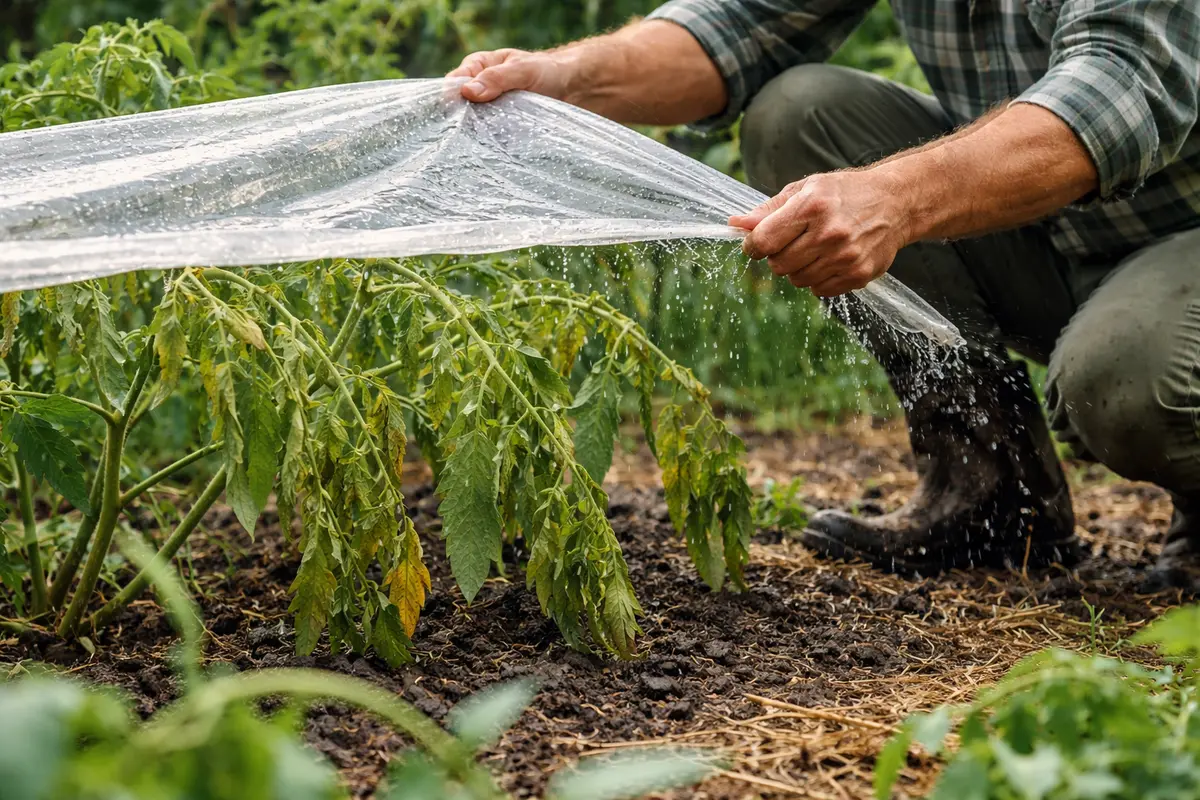
Start by gently propping up any wilted tomato plants using stakes or cages to provide support and prevent further drooping. This action helps restore their posture, allowing the plants to better access sunlight and air, which is vital for their recovery.
Heavy rainfall can cause soil saturation, leading to root rot or other issues that trigger wilting. By propping up the plants, you enhance air circulation around the stems. If the environment stays humid and wet without this remedy, your plants may continue to struggle, but proper support helps alleviate excess moisture buildup.
In areas prone to heavy rains, consider adding mulch around your tomato plants to help regulate soil moisture levels. Additionally, in early spring or late fall, adjust your watering schedule to account for seasonal rain patterns, ensuring the plants are neither overwatered nor stressed.
Over time, excessive moisture from rain can trigger repeated wilting symptoms, damaging your tomato plants’ root systems. Shielding them helps prevent recurrences in future storms. If you consistently face heavy rains, consider establishing a sloped planting area, which aids in directing excess water away from the plants. Adjusting their environment not only promotes healthier growth but also decreases the risk of fungal issues associated with damp conditions. Monitoring how each rainfall affects soil moisture after implementing these strategies is critical to ensuring long-term plant health.
If heavy rain is frequent in your area, consider planting your tomatoes in well-draining raised beds. Raised beds are typically 6-12 inches high and filled with a loose mix of soil and organic matter designed to promote better drainage and root health. Doing so will significantly enhance drainage capability, keeping the roots healthy and reducing the need for constant monitoring. This simple switch can prevent root rot and enhance your overall yield during the growing season.
Step 5 – Check for Pests on Tomato Plants After Rain
Start by inspecting your wilted tomato plants for signs of waterlogging or root rot. Check the soil moisture level about a few inches down; it should be slightly damp, not saturated. Observe the leaves for any improvement in their turgor over the next few hours; wilted leaves should begin to perk up within a day as they rehydrate.
A fully recovered tomato plant displays leaves that are firm and vibrant green, with no further wilting or yellowing. In contrast, if a plant shows leaf curling, dark brown patches, or a mushy stem texture, these can indicate that the problem is returning. If not perky and healthy-looking → check for standing water or signs of root damage.
If the wilting persists or worsens despite your interventions, consider applying a fungicide to combat potential fungal infections that could be developing. Additionally, re-evaluate the drainage of your garden bed; if water is still pooling, it might be necessary to amend the soil or relocate the plants for better water management. If conditions do not improve, consult a local gardening expert for tailored advice.
A fully recovered tomato plant showcases vibrant green leaves with a firm texture, indicating robust health. In contrast, if the leaves remain limp or develop brown edges, this signals potential return of wilting issues. If you see new growth appearing but notice some older leaves still drooping, assess their condition closely to prevent further decay.
If the wilting problem persists despite following the initial steps, consider adjusting your watering schedule further or improving drainage around the plants. If the leaves remain unhealthy after these adjustments, move to check for root rot or fungal infections, as these may necessitate more drastic measures like replanting or soil amendment.
A fully recovered tomato plant will feature upright leaves, robust growth, and vibrant color. Look for uniformity in leaf texture, which denotes solid health versus previous wilting signs. A swelling appearance of foliage may also indicate pest feeding, while curled or ragged edges point directly to damage from insects. If you see any insect damage or irregular leaf formation, this can indicate further issues stemming from previous stressors or new pest problems.
If you discover pests despite your best care efforts, it may be time to employ organic pest control methods promptly. Applying insecticidal soap or neem oil as treatment can help target unwanted pests without harming the plants. In lighter infestations, it may help to simply spray your plants with a strong jet of water to dislodge pests. If infestation levels are significant, consulting an expert might be necessary to determine the best strategy for control. Identifying the pest quickly and accurately can prevent even more severe damage before it escalates.
FAQ
How long does it take for wilted tomato plants to recover?
Recovery time for wilted tomato plants can vary, but generally, you should start noticing improvement within a week of addressing the issues accurately. Good drainage, appropriate fertilization, and establishing protective measures will speed up this timeframe, ideally resulting in renewed growth and health signs. If recovery is slow or non-existent, digging down to re-evaluate root conditions may provide further insights.
Should I remove wilted leaves from my tomato plants?
Removing wilted or dead leaves is beneficial as it promotes airflow and reduces the risk of disease spread. However, ensure you only trim the visibly damaged areas without cutting into healthy stems or foliage, as this can shock the plant further. Clear sight of the plant’s health will assist in further monitoring; keep an eye out for any new growth that might also require trimming as it develops.
Will my tomato plants grow back after being wilted by rain?
Yes, if the proper recovery actions are taken in a timely manner, your tomato plants can rebound from wilting caused by rain. Once they have good drainage and essential nutrients return, the plants should start showing new growth, indicating their recovery. Should wilting continue despite interventions, consider assessing environmental factors like light exposure or temperature fluctuations as contributing stressors.