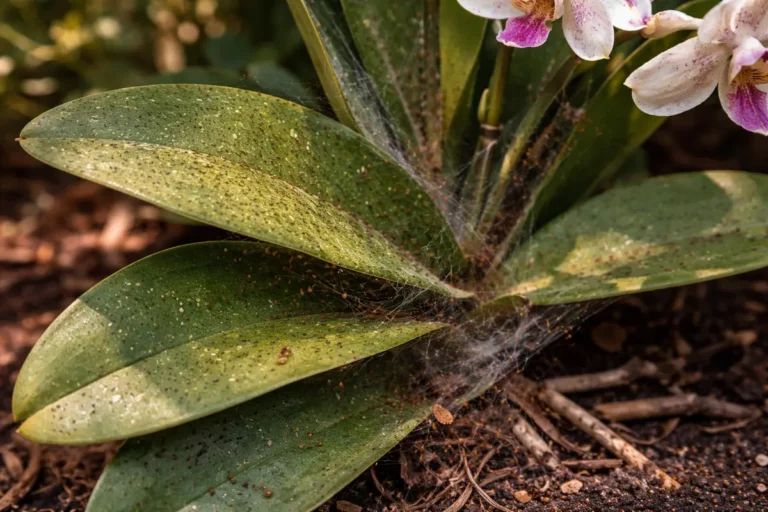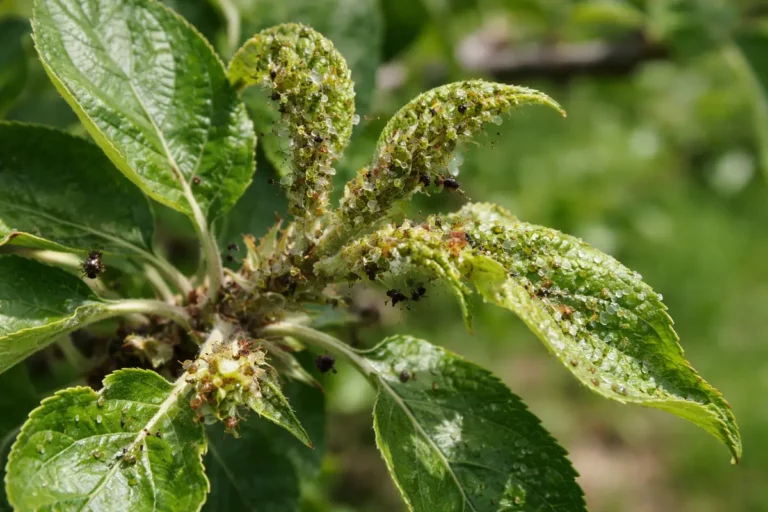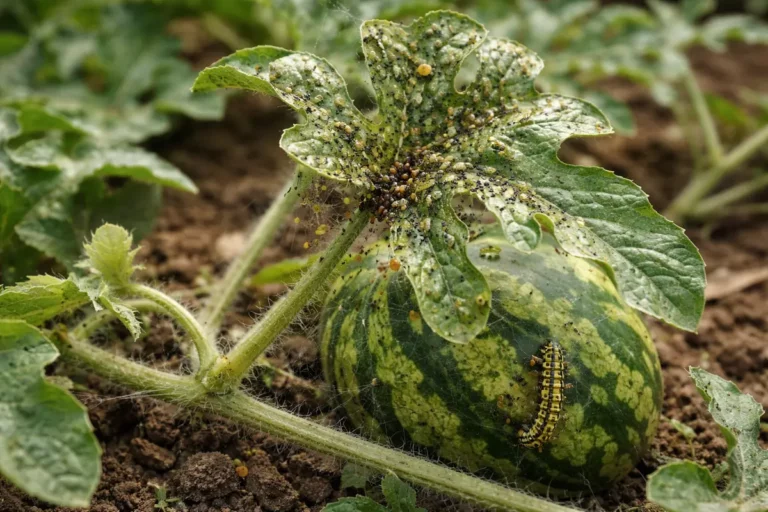
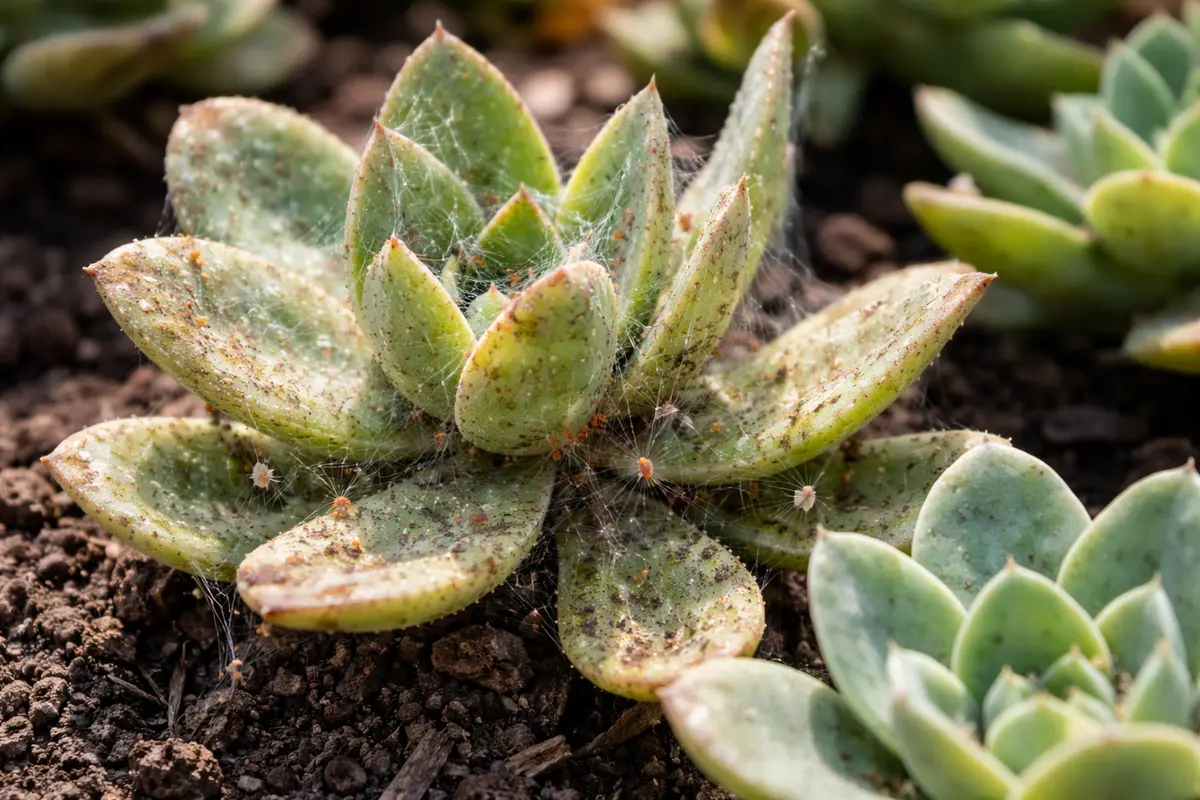
You may notice tiny webs or stippling on your succulents during dry spells, which is why you need to know how to stop spider mites on succulents in dry air. These pests cause yellowing and brown spots on the leaves, indicating damage to your beloved plants. Ignoring this invasion only gets worse, as spider mites can spread rapidly, weakening the plant significantly. However, the good news is you can fix it now by checking for infestations and adjusting your watering routine while integrating preventative measures for long-term health.
Step 1 – Spray Mist Succulents to Combat Spider Mites
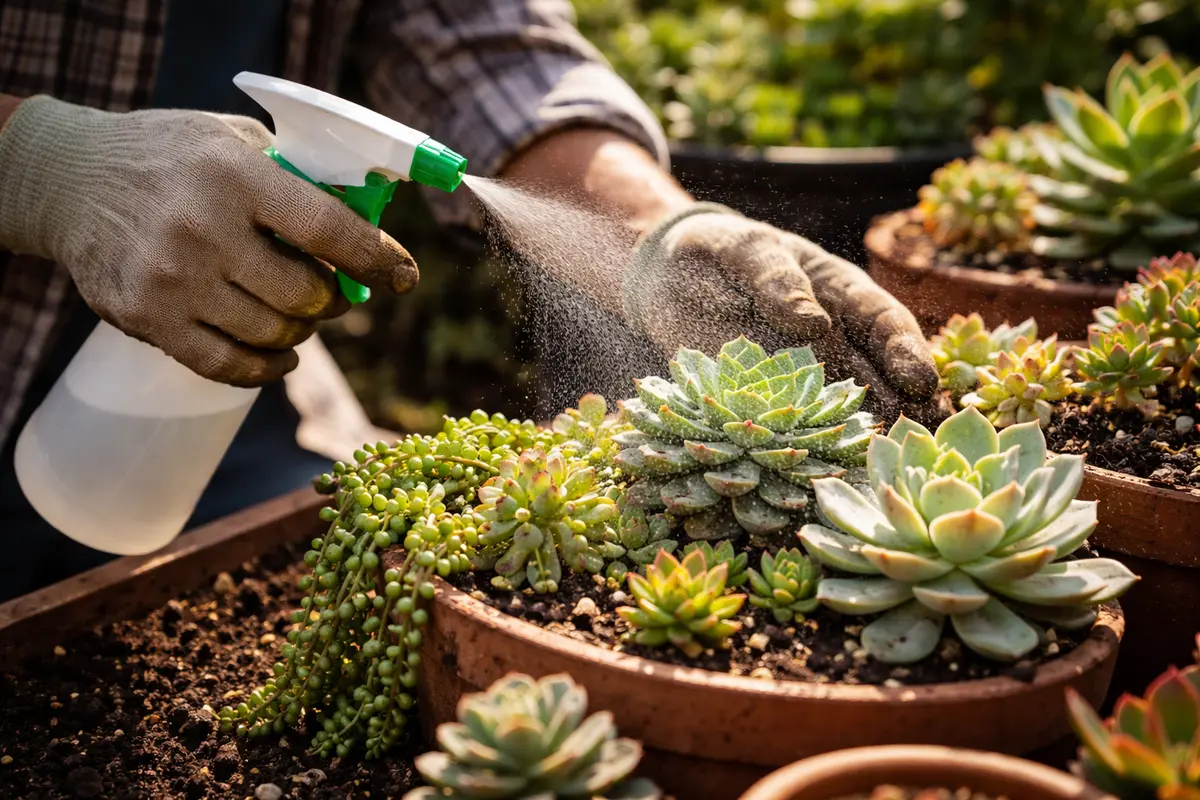
Begin by spraying a fine mist of water on your succulents every few hours for the next day. You will notice the spider mites retreating and the webbing starting to dissolve within 24 hours. Maintaining high humidity temporarily reduces their ability to thrive, giving your plants a much-needed break from the pests. If the humidity levels are extremely low, consider increasing the frequency of misting to every hour to see a more immediate effect. A consistent rhythm of misting creates a beneficial microenvironment around your plants that encourages resilience against pests.
Moisture in the air disrupts the dry conditions that spider mites thrive in. By increasing the humidity around the succulents, you’re not only washing away some of the mites but also creating an inhospitable environment for them. Spider mites dehydrate quickly in humid conditions, which makes immediate action crucial. The moment you boost the air moisture, you signal an environment that is hostile for these pests; they quickly struggle due to the excess moisture. However, if you notice that the spider mites remain active despite the increased humidity, it might be a sign that the infestation is more severe than initially perceived, warranting a reassessment of your entire approach as it could necessitate stronger treatments.
A common mistake during this initial phase is to ignore the surrounding conditions or assume misting once is sufficient. Many people expect results after just one misting, overlooking the fact that spider mites can reproduce rapidly in just a couple of days. Consistent application is vital, especially in dry air conditions. Ensure to avoid over-saturating the soil, as it can lead to root rot if the potting mix retains moisture too long. In my experience, I have observed that when gardeners mist frequently, they achieve quicker results than those who only do it once or twice. The visible presence of webs on the leaf undersides can be disheartening; thus, maintaining consistent water spray ensures more effective control over their population while lowering the mites’ ability to re-establish themselves. If conditions do not improve after 48 hours, consider escalating to other methods, such as applying insecticidal soap or neem oil, as waiting too long can exacerbate the infestation.
Step 2 – Examine Humidity Levels for Spider Mite Infestation
Check the humidity levels around your succulents using a hygrometer and adjust as needed. If humidity is below 40%, you can expect to see an active spider mite population. If your readings are low, it is crucial to take immediate steps to increase moisture levels; aim for a consistent humidity level between 40-60% to control these pests efficiently. Failing to monitor these levels can lead to rapid reinfestation since spider mites thrive when humidity is low, and even short periods of dry air can allow them to reproduce quickly.
Spider mites flourish at humidity levels below 40%, where there’s minimal moisture available for plants. This level allows them to reproduce at alarming rates, making it challenging for gardeners to manage infestations through casual observation alone. Increasing the humidity not only interrupts their reproductive cycle but also promotes overall plant health, allowing them to recover from earlier damage more effectively. As you increase humidity, look for signs of restored vibrancy in your succulent’s foliage—healthy leaves will regain their lush green color and plumpness as they absorb more moisture from the environment. Observable changes occur rapidly, allowing you to understand the immediate effect your changes have on the plants.
If you notice that your living space tends to dry out quickly, consider using a humidifier or relocating your succulents to a more humid area in your home, like a kitchen or bathroom. If the soil begins to smell sour or retains excess moisture, it may indicate root rot, which can attract other pests. Take immediate action to alleviate water accumulation, such as relocating pots to a well-draining area or altering watering habits. Regularly misting the plants while managing humidity levels provides a dual defense against spider mites, enabling you to create a less favorable environment for any remnant pests while keeping your succulents healthy. Always monitor seasonal changes; adjustments may be needed in the heat of summer versus the humidity spikes during fall. For instance, changing your watering interval or frequency of misting seasonally will help account for varying humidity levels and plant needs.
Step 3 – Use Neem Oil to Revive Affected Succulents
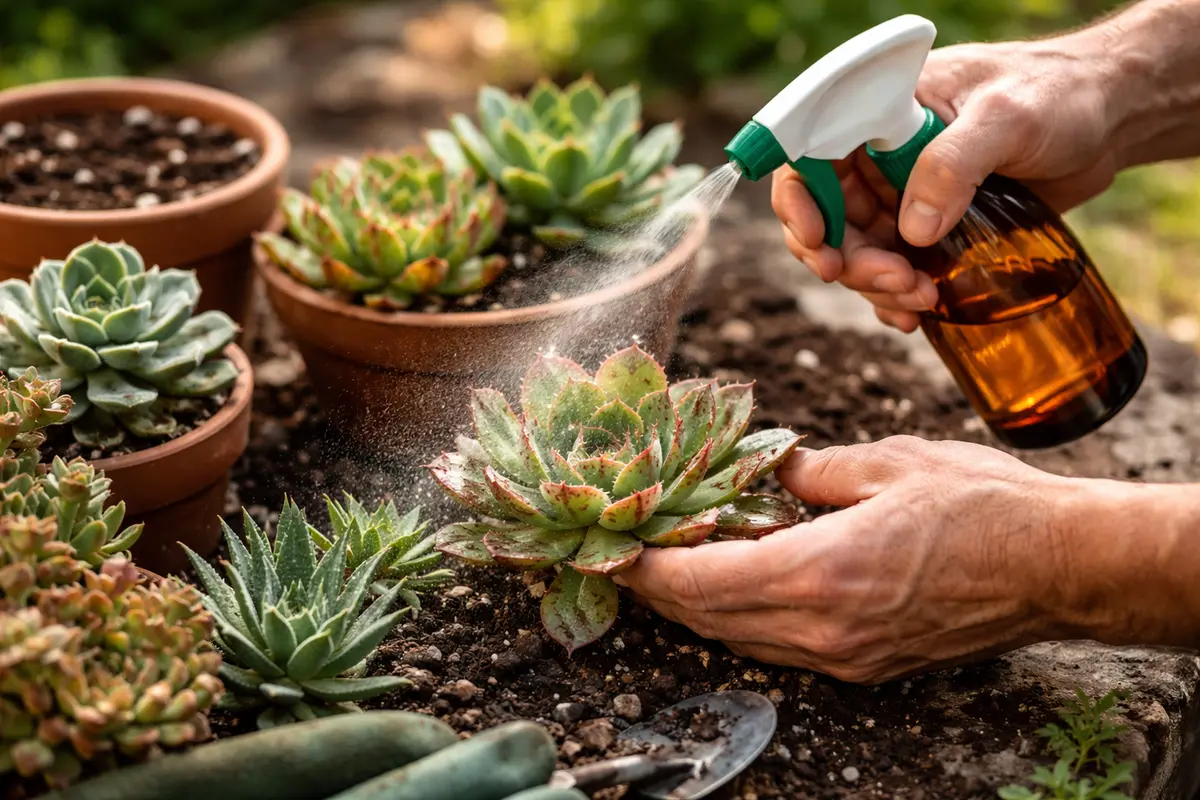
Start by treating your succulents with neem oil or insecticidal soap, applying it directly to the affected areas. In just a few days, visible improvement should occur, including the slowing down of webbing and a reduction in the number of spider mites on the foliage.
Recovery typically takes two to four weeks, during which new leaves should emerge, signaling that the plant is healing. Favorable conditions, such as maintaining humidity levels and avoiding extreme temperature fluctuations, can significantly accelerate this process. If your succulent exhibits yellowing leaves while new growth is minimal, adjust your care routine for better moisture retention.
Avoid overwatering as you treat spider mites; too much moisture can lead to root rot and increase susceptibility to pests. If your succulent is not responding positively after a couple of weeks, check the drainage situation to ensure water isn’t pooling at the bottom of the pot.
Neem oil acts as a natural insecticide and disrupts the life cycle of spider mites, preventing them from reproducing efficiently. When applied correctly, it suffocates the mites and deters them while fostering a healthier environment for the succulents. Expect to see new growth and restored leaf color as the plant recovers from previous stress. However, it’s important to ensure that you cover all areas thoroughly; missing spots during application can leave vulnerable areas where spider mites can survive and return. They often hide in the densest parts of the foliage, making thoroughness essential during treatment.
It’s important not to over-apply neem oil; too much can cause leaf burn, particularly on sensitive varieties or in warmer conditions. A common mistake is to apply neem oil when plants are already stressed, as this can exacerbate their condition. Furthermore, misting your succulents right after applying neem oil can dilute the solution, reducing its effectiveness. Watch closely for any drooping leaves after treatment—if many leaves indicate distress, it’s wise to hold off on fertilizing until stability returns. If, after a week, you notice no improvement, consider increasing the concentration of neem oil or repeating the application with a longer recovery break to allow the plants to stabilize. This careful observation helps gauge effectiveness accurately. Keep an eye on the infestation; new yellow spots may indicate either ongoing infestations or oil damage. Combining neem oil with effective humidity management is critical for the best outcome, ensuring you’re addressing all environmental factors at play.
Step 4 – Shield Succulents from Dry Air to Prevent Mites
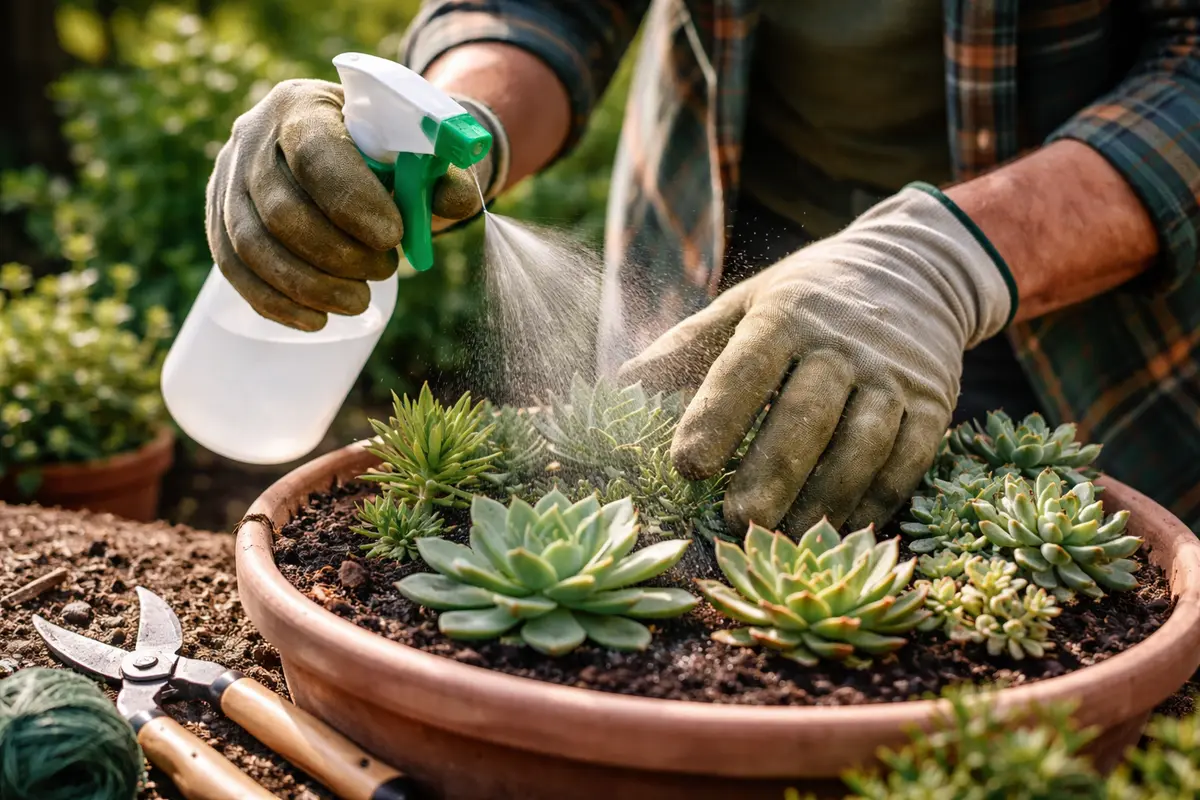
Start by regularly humidifying the air around your succulents with a humidity tray or misting to control spider mite populations. With this routine, you will notice a decrease in spider mite activity and healthier foliage free from webbing.
Spider mites thrive in dry conditions, often leading to their rapid spread when humidity levels drop. By implementing a regular humidification method, you counteract the environment that allows them to flourish; in contrast, if the air remains too dry, their populations can quickly rebound, creating a persistent issue.
During the colder months, increase humidity levels in your home by placing plants on trays filled with pebbles and water to maintain moisture as indoor heating tends to dry the air. Alternatively, if needed, using a small humidifier nearby can provide consistent moisture, creating a protective barrier against mite infestations.
Maintaining a specific humidity level is essential, particularly during dry seasons or when indoor heating runs high in winter. Shielding your plants from dry air through localized moisture will significantly reduce the chances of spider mite infestation. Regularly checking and adjusting your surrounding conditions will empower your succulents to flourish. Be alert; if you notice your plants still struggling and webbing returning, it could be due to exposure to drafts or too much direct sunlight, which can diminish the effects of your moisture-enhancing strategies. Remember, these environmental factors greatly affect spider mite survivability and control.
During particularly dry spells, consider moving your succulent pots into kitchens or bathrooms, which tend to retain humidity better. Be cautious of temperature fluctuations, as significant changes can stress succulents and make them more vulnerable to pests. Providing consistent conditions significantly helps in preventing pest outbreaks and ensures your plants remain healthy throughout seasonal changes. Grouping them not only enhances humidity levels around each plant but simplifies monitoring efforts. If persistent mite issues arise, combine this moisture strategy with regular inspections to catch early signs of reinfestation before they disrupt your succulents’ recovery. Keeping track of environmental changes and adjustments you’ve made is essential, as patterns may emerge to help predict when conditions are most favorable for spider mite populations.
Step 5 – Check Succulent Leaves for Residual Mites Weekly
Inspect your succulent leaves weekly for any signs of residual spider mites or damage. During these inspections, note if the leaves have regained firmness and watch for any new webbing or signs of damage in the upcoming weeks. If mites return, it’s essential to act quickly and reapply treatment promptly, as lingering pest populations can undermine previous recovery efforts. Establish a routine that makes this inspection easy, perhaps linking plant monitoring with regular care schedules.
A fully recovered plant will show vibrant green color and firm leaves, signaling that the spider mite infestation has been effectively managed. Some early signs of a recurring problem might include yellowing leaves or new visible webbing re-emerging, which indicates urgency in your control strategies. Weekly inspections allow you to detect any returning issues before they escalate into severe infestations. Keeping a notebook to track your plants’ conditions post-treatment is beneficial; reviewing this can often reveal patterns that may otherwise go unnoticed, like specific environments that attract pests. A detailed log will help highlight any variables in care that might connect to pest resurgence. For instance, regarding environmental conditions such as lighting or air flow, documenting this can alert you to conditions that need adjustment.
If you notice a resurgence of moss-like spots or new webbing appearing, return to Step 1 promptly and repeat the misting process, or escalate by applying a stronger neem oil solution. If the situation persists despite corrections, consulting a local horticulturist or pest control professional may be warranted. This situation often signifies that spider mites could have adapted or that new mites have entered the environment. Remember, treating the environmental factors alongside addressing visible pests is crucial. Establishing a routine that integrates inspection and immediate action forms a solid foundation for long-term plant health. When spider mite pressures re-emerge, revisit not just your pest control steps but also your humidity management practices, ensuring a holistic approach to your spider mite dilemma.
FAQ
How long does it take for spider mites to damage succulents?
Spider mites can cause significant damage within just a few days if not addressed promptly, especially in dry air conditions. A major infestation can weaken your succulents rapidly, leading to leaf drop and potential death if left untreated. Regular vigilance is necessary to catch these pests before irreversible damage occurs; make note of visible webs or stippling as immediate signs of an infestation.
Can spider mites spread to other plants?
Yes, spider mites can easily spread to other plants, particularly if they are nearby. It’s essential to isolate infected plants immediately to prevent cross-contamination. Early identification of affected areas and taking immediate action will help limit their impact and assist in re-establishing a healthy growth environment for your other plants.
Should I remove affected leaves from my succulents?
Yes, removing heavily infested leaves can greatly help limit the spread of spider mites. Trimming back any damaged parts encourages healthy new growth and reduces stress on the plant. Following this, note that new growth is often less vulnerable, providing a more resilient response to any further infestations.