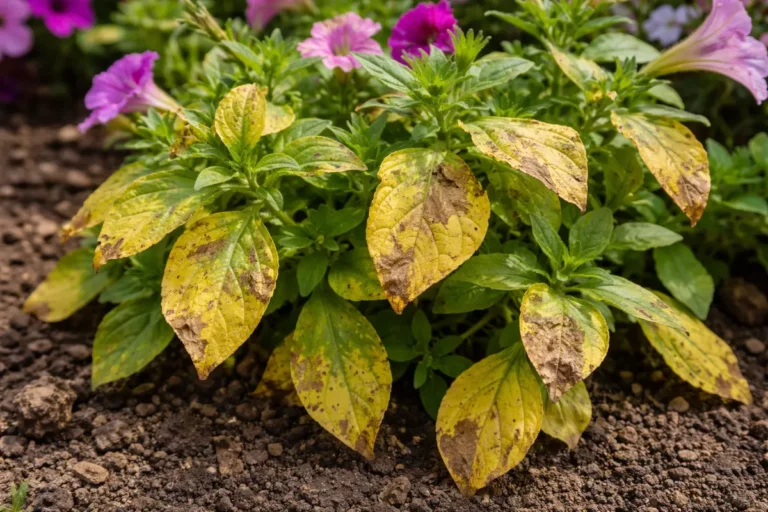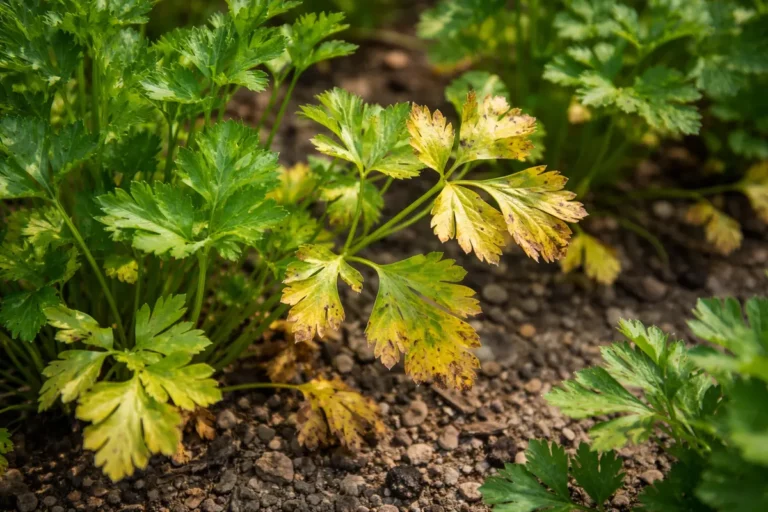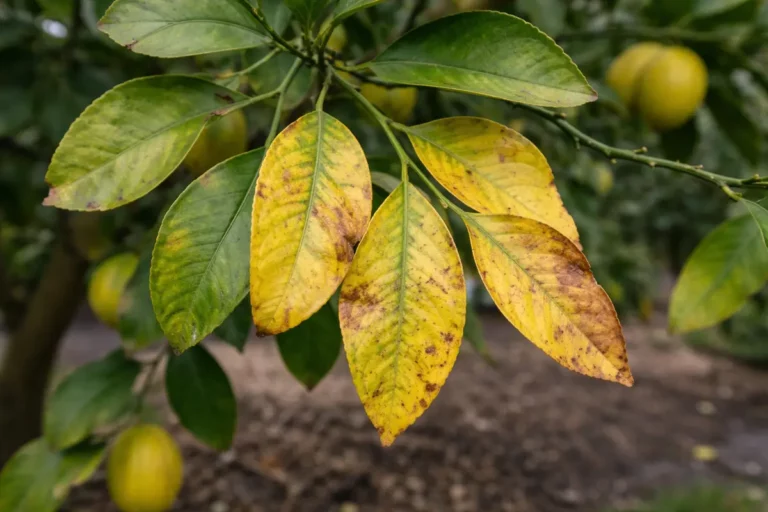
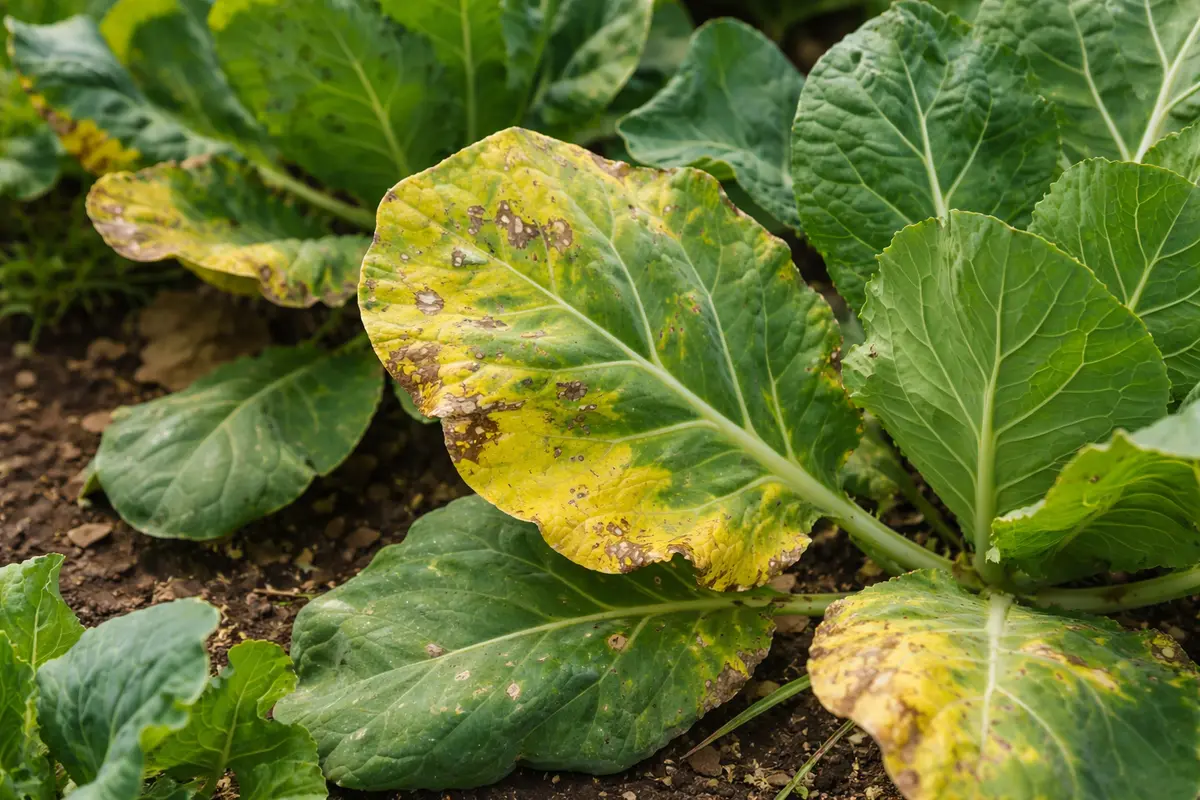
You may notice your collard greens looking less vibrant during hot weather, which is why you need to know why are my collard greens turning yellow during hot weather. This yellowing often indicates stress from heat, leading to wilting leaves and potential damage if left unchecked. If ignored, the issue can worsen, making the plants more susceptible to pests and diseases, so it’s essential to monitor and adjust their care now by watering more frequently and providing some shade.
Step 1 – Check Collard Greens for Wilting Leaves
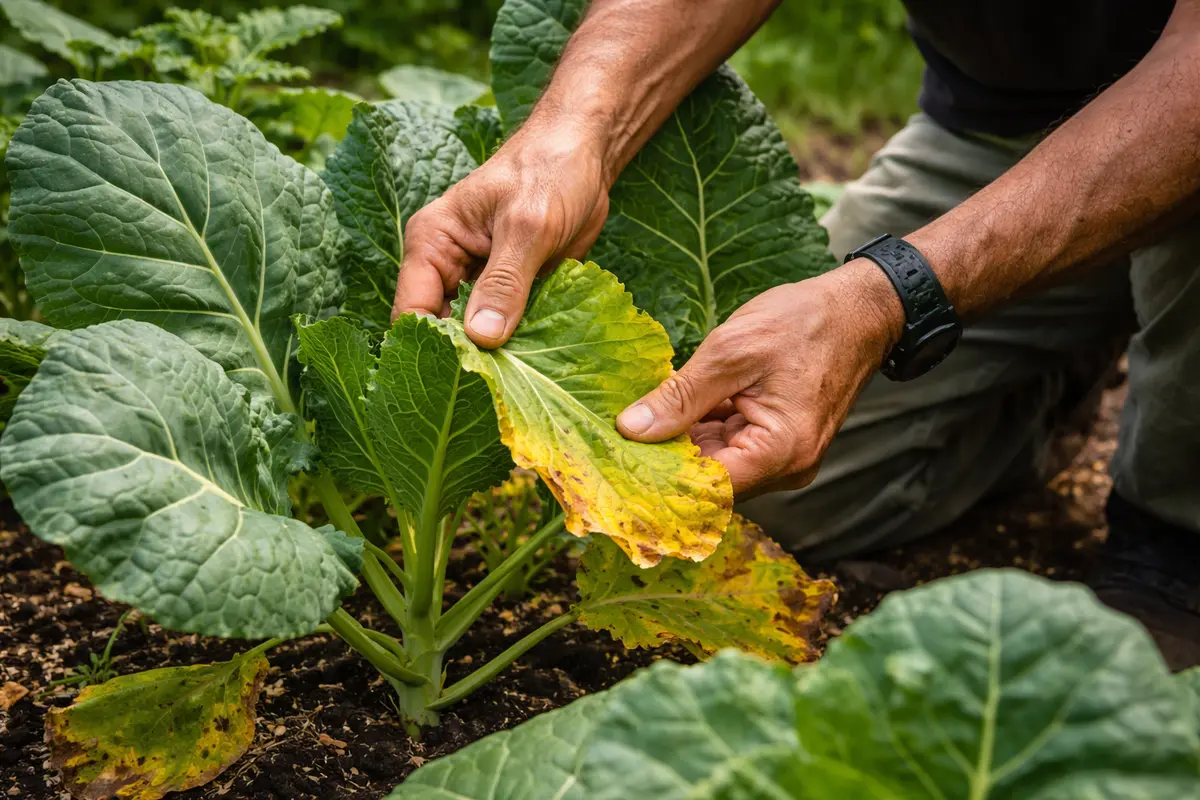
Inspect the collard greens for wilted leaves and discoloration immediately. You will see if leaves droop or appear lifeless, which indicates they are under stress. Once you identify these stressed plants, you can take steps to stabilize their condition. If you observe multiple plants wilting, it could signal that not just individual leaves but the entire crop is suffering from heat stress. Act quickly; even a few hours without intervention can worsen the condition.
Inspecting for wilting leaves is crucial because it highlights the initial signs of heat stress in the collard greens. When plants are exposed to excessive heat, they may lose water faster than they can absorb it, leading to wilting. This hampers photosynthesis, and stunted growth may result if addressed too late. The first visible signs you’ll see may be brittle leaves that are not just yellowing but also crispy to the touch, indicating severe moisture loss. This wilting may also occur along the edges first, giving a clear indication of dehydration. By the time the leaves are curling or wilting significantly, they are already experiencing serious distress.
A common mistake gardeners make at this point is to assume trimming the yellow leaves will solve the problem. While cutting away affected foliage might temporarily improve appearance, it doesn’t address the underlying heat stress. Instead, focus first on stabilizing the plant by ensuring the soil is adequately hydrated before considering any cosmetic trimming. If the soil is parched, no amount of trimming will restore the plant to health without first addressing the root causes of wilting. By allowing the roots access to necessary moisture, you can help rejuvenate the leaves without unnecessary damage.
Step 2 – Diagnose Excess Heat Stress in Greens
First, check the soil moisture level and ensure you are providing consistent watering, as uneven moisture can cause collard greens to yellow in hot weather. If the soil feels dry to the touch several inches down, water deeply until the soil feels moist, and look for improved leaf color within a few days. Conduct this check daily during a heatwave, as soil hydration levels can change rapidly.
Collard greens can turn yellow when they are under stress from heat and insufficient moisture because the roots may not absorb enough water. This leads to a reduction in chlorophyll production in the leaves, causing yellowing. In contrast, if the soil remains too wet and has poor drainage, the plant roots may start to rot, leading to similar yellowing from a lack of oxygen. If leaves are wilting in addition to turning yellow, the soil condition determines the necessary intervention. Check for mud-like soil or standing water; these signs indicate an overwatering issue requiring immediate adjustments to your watering techniques.
If you notice that the leaves are also wilting or turning brown at the tips, check for signs of root rot, such as a sour smell from the soil. In this case, stop watering immediately and allow the soil to dry out before addressing drainage issues. If the yellowing is isolated to older leaves while new growth appears healthy, consider that it may be a natural aging process rather than a sign of distress. However, if multiple plants show yellowing, it warrants further observation and stabilization efforts. Heat stress results when the ambient temperature exceeds comfortable limits for the plant, leading to inadequate water uptake. The ideal temperature range for collard greens is between 60-75°F. During a heatwave surpassing 85°F, biological changes occur in the plants that trigger yellowing leaves, as the plant attempts to conserve moisture through the closure of stomata, which hampers photosynthesis effectively and may lead to stress that compounds over time.
If you notice yellowing alongside dry soil, quickly ensure that adequate, even watering occurs without flooding the base. However, should the soil feel excessively wet or odors indicate a sour or rotten smell, that may signal root rot instead, requiring different actions than straightforward watering. Be vigilant; if the leaves turn mushy or develop brown spots alongside yellowing, deeper issues may be at play, necessitating immediate intervention to prevent loss of the entire plant. This highlights the importance of careful observation before taking corrective measures; waiting too long to address these signs can exacerbate the situation, potentially risking entire crops rather than just individual plants.
Step 3 – Water Collard Greens to Aid Recovery
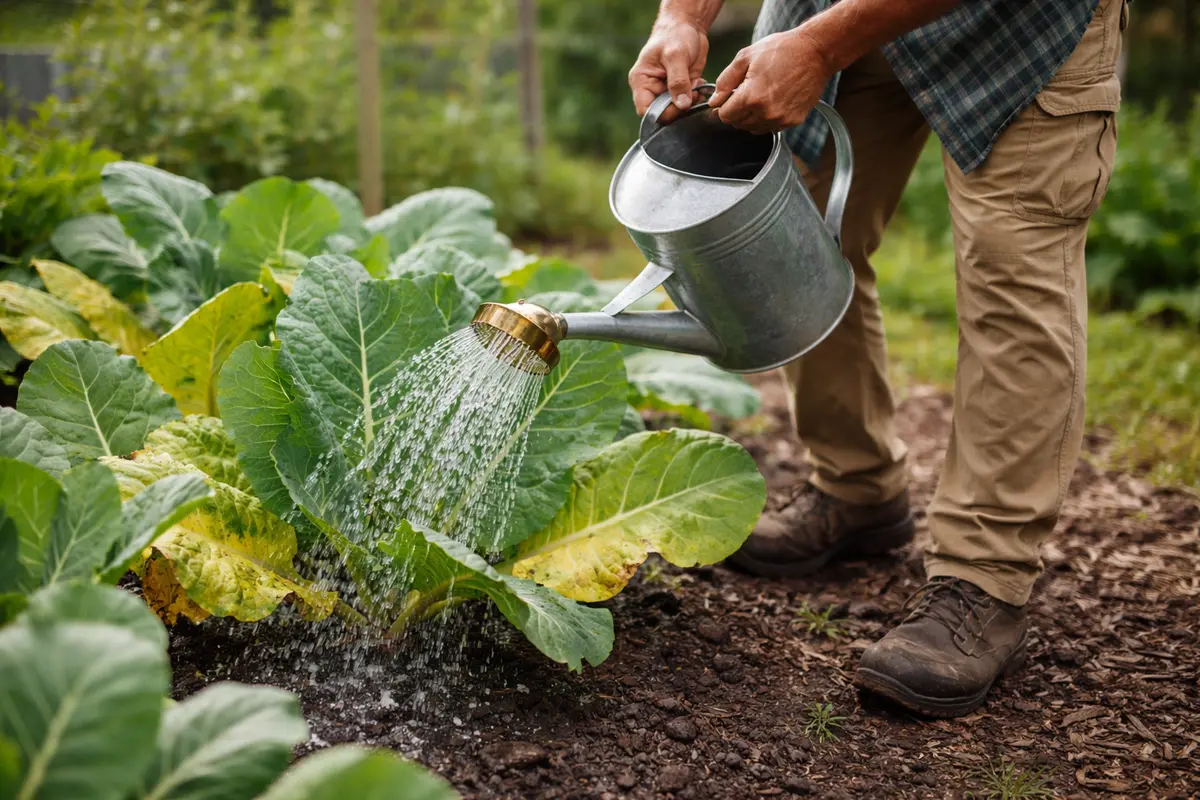
Water the collard greens deeply, saturating the soil to a depth of at least six inches. You should see an immediate improvement in leaf texture as they regain turgidity within a few hours post-watering. A thorough watering also ensures roots can access the moisture they desperately need while minimizing stress. Aim to use a soaker hose or drip irrigation to evenly distribute water across the root zone, which promotes uniform hydration and enhances recovery.
When you adequately water collard greens, you support the replenishing of nutrients that might otherwise be lost during the stress of high heat. Healthy moisture levels in the soil encourage strong root development, allowing for better nutrient uptake and reducing the likelihood of further yellowing. You’ll often notice leaves transitioning back to a vibrant green as they perk up and resume normal growth habits within days. However, keep an eye out for signs that indicate under watering, as wilting may indicate that the problem is still present even after you’ve watered. If you find that after three to five days your plants aren’t improving, it may indicate that you should evaluate your watering technique or check soil composition.
A common mistake during this stage is overcompensating by administering too much water, which can be equally harmful. If waterlogged conditions persist, plants may suffocate due to a lack of oxygen in the soil, leading to root rot and further yellowing. Monitor soil conditions closely during the recovery process; if you notice water pooling at the surface or continued drooping of leaves, it’s crucial to assess drainage and soil composition. If your collard greens are in raised beds or containers, consider the elevation and material, as poorly draining environments contribute significantly to root health. Remember that environmental factors also influence soil moisture; on hotter days, be prepared to adjust your watering frequency, as planted greens may consume more moisture than anticipated.
Step 4 – Shield Greens from Intense Afternoon Sun
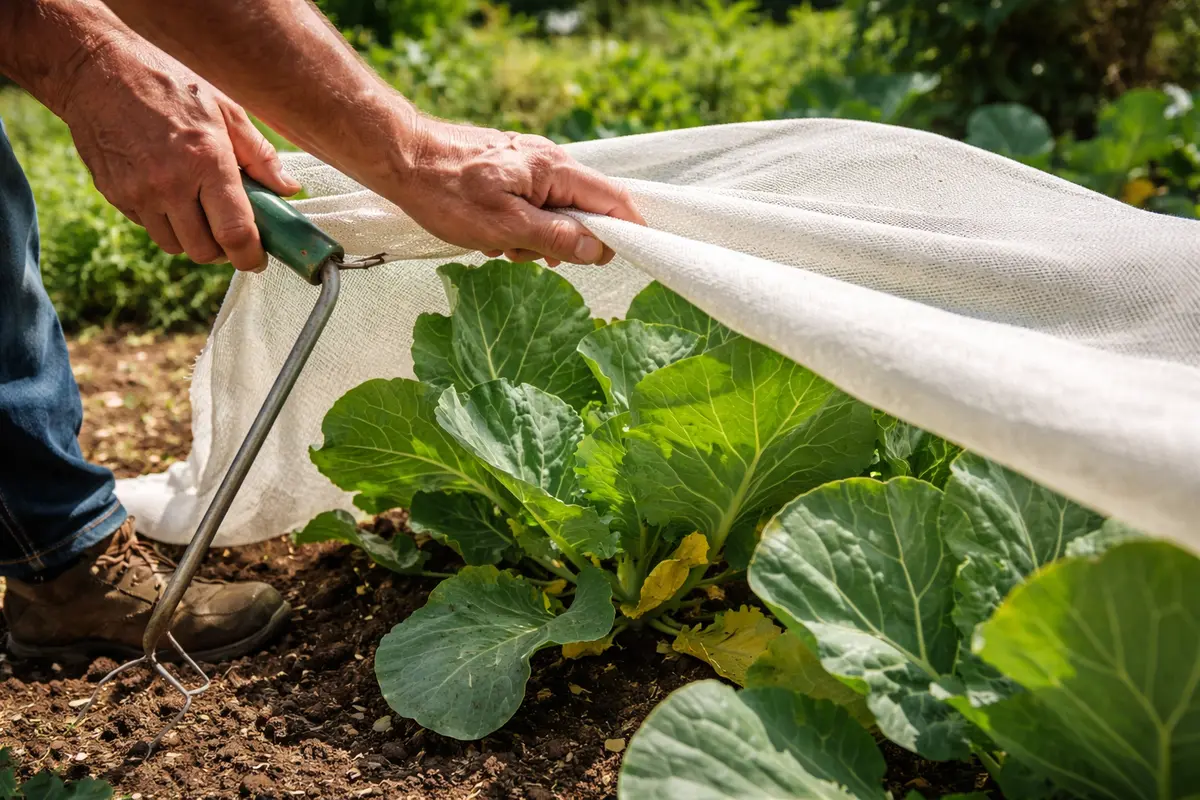
Start by ensuring your collard greens receive consistent moisture by watering them at least once every few days during hot weather. As a result, you will see less yellowing of the leaves, which indicates the plants are not experiencing heat stress.
High temperatures and insufficient moisture levels trigger yellowing in collard greens due to stress. By maintaining regular watering, you not only cool the soil but keep nutrient absorption steady, which combats the yellowing seen in dry, hot conditions. If your greens are still yellow after this adjustment, check the drainage to rule out waterlogged roots.
In periods of extreme heat, adapt your watering schedule by increasing frequency, particularly during the peak afternoon sun. Additionally, applying a layer of organic mulch can help retain soil moisture and moderate temperature fluctuations, providing an extra barrier against heat-induced stress.
High temperatures combined with inconsistent watering can lead to stress in collard greens, causing their leaves to turn yellow. Maintaining a regular watering schedule mitigates the effects of heat by reducing soil moisture fluctuation, thus addressing the root issue directly. Additionally, if your greens are in direct sunlight, consider moving them to a partially shaded area to observe improved coloration, especially during the hottest parts of the day. Partial shade provided during peak sun hours directly reduces leaf temperature and evaporation rates, aiding resilience.
As temperatures rise, add a layer of mulch around the plants to retain soil moisture and regulate soil temperature. In particularly dry periods, check the mulch’s integrity and replenish it if necessary, as this will enhance the effectiveness of your watering routine and support your plants during extreme heat. A two- to three-inch layer of organic mulch can help improve soil structure, reduce weeds, and retain much-needed moisture.
Limiting exposure to direct sunlight prevents plants from dehydrating too quickly. As collard greens are susceptible to sunscald, shielding them with row covers or utilizing taller nearby plants can create a microclimate that promotes recovery and vitality. This is essential; prolonged exposure to high temperatures can lead to an accelerated decline, with yellowing likely spreading from the outer leaves towards the center. For continual protection, regularly adjust the height or placement of shading structures according to the sun’s path throughout the growing season to maintain effectiveness without hindering growth.
Consider seasonal changes as well; specifying a regular shading practice becomes necessary in regions where summer heat waves are common. If you grow collard greens in containers, moving them to shadier spots during excessive heat may also help limit stress levels. Always reassess the shading strategy based on daily temperatures and sun exposure patterns to establish a long-term protective routine that helps reduce the incidence of heat stress. Over time, consistent use of shade can provide not just respite but also improved yields and resilience against future temperature spikes.
Step 5 – Inspect Leaves for Color Changes After Watering
Check the condition of your collard greens’ leaves for any additional color changes or health indicators after watering. You should watch for improved leaf firmness and a return to vibrant green hues within a few days of proper watering. This will help confirm that the plants are recovering effectively from heat stress. If you can see new growth starting at the base, it’s a good sign that the plants are invigorating. By having a regular assessment routine, you can formally document recovery stages and actively intervene when symptoms reappear.
A fully recovered plant will show no signs of wilting, and the leaves will have a healthy green coloration. If color loss or yellowing returns within days, that may indicate that the stress of heat hasn’t been adequately addressed or that underlying root or soil issues persist. Close monitoring during this phase is crucial, particularly when high temperatures remain prevalent. Keeping a garden journal may also assist in determining patterns and responses over time; logging specific actions taken vs outcomes observed can sharpen your problem-solving skills for future issues.
If yellowing starts reemerging, troubles may stem from other factors such as nutrient depletion. Consider testing the soil for pH and nutrient levels, especially if watering has stabilized moisture conditions. Adjust fertilization if necessary to combat any deficiencies, as this proactive measure can significantly impact plant vigor. If your soil test indicates a lack of essential nutrients, a balanced fertilizer during the recovery phase could dramatically enhance health and vigor. Address any underlying issues promptly; otherwise, the ongoing stress may lead to increased susceptibility to pests and diseases. A comprehensive approach to nutrition and moisture reduces the risk of cascading problems and helps maintain the health of your garden throughout the growing season, making monitoring a continuous effort.
FAQ
How can I tell if my collard greens will recover from yellowing leaves?
Recovery is evident when leaves firm up again and color returns to a healthy green within a week or so of corrective actions. Pay attention to fresh leaf growth as a sign of returning vitality. If color resumes but wilting continues, you may need to investigate deeper issues such as nutrient loss or root health.
Should I remove yellow leaves from collard greens?
Only remove yellow leaves if they’re significantly wilted or damaged, as healthy leaves still contribute to photosynthesis and nutrient uptake. However, focus on fixing underlying issues first to promote overall plant recovery. Once the plant is stable, trimming can help improve air circulation and reduce disease risk; do this selectively rather than indiscriminately to maintain plant energy.
Can overwatering affect collard greens in hot weather?
Yes, overwatering in hot weather can lead to root rot, which exacerbates yellowing leaves. Monitor soil moisture closely to avoid creating conditions that can harm your plants while they are on the road to recovery. Should root rot occur, affected plants will likely need to be treated or replaced to prevent widespread death in your garden, an important consideration that directly follows initial assessment and routine check-up care.