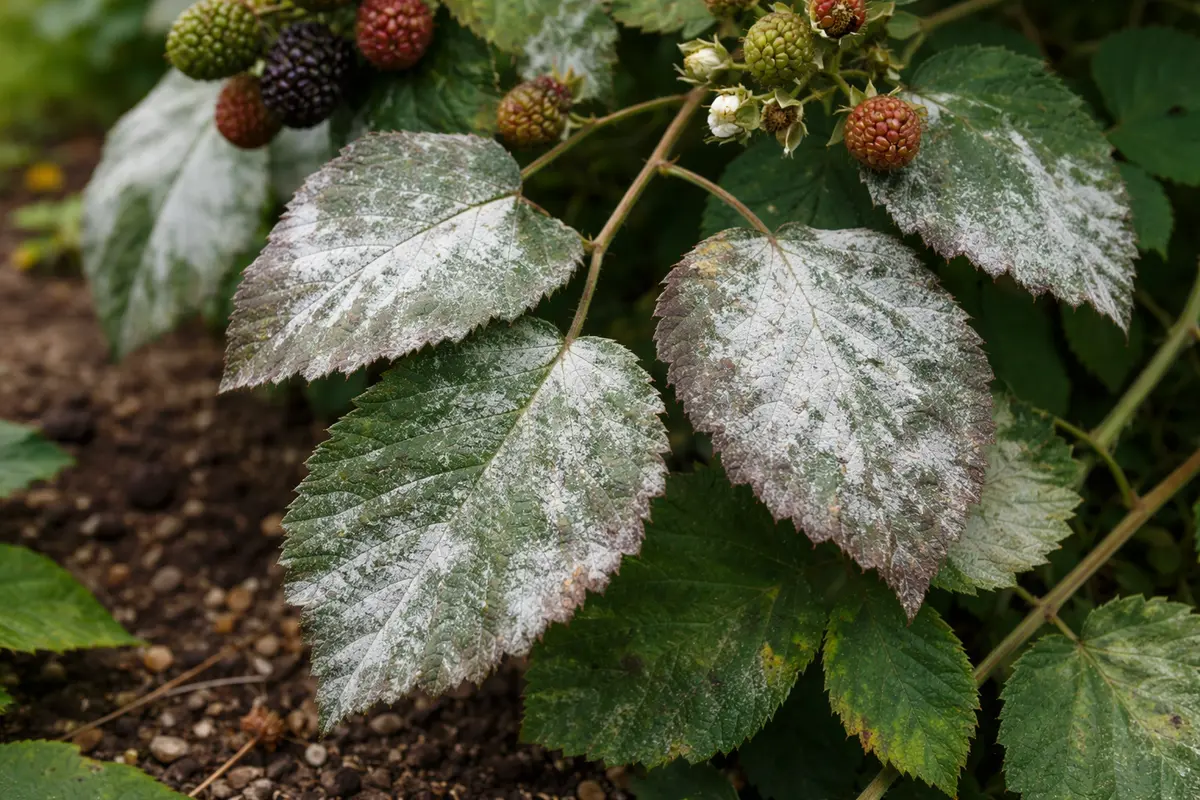
You may notice your blackberry plants looking distressed during particularly humid weather, which is why you need to know what to do when blackberry plants show signs of fungal disease. Leaves may develop dark spots and begin to wilt, signaling that the fungus is taking hold and causing damage to your plants. If left untreated, the infection can spread quickly, leading to more damage that stalls growth and weakens the plant, but addressing the issue now is possible by inspecting your plants and removing any affected areas.
Step 1 – Prune Infected Blackberry Leaves Promptly
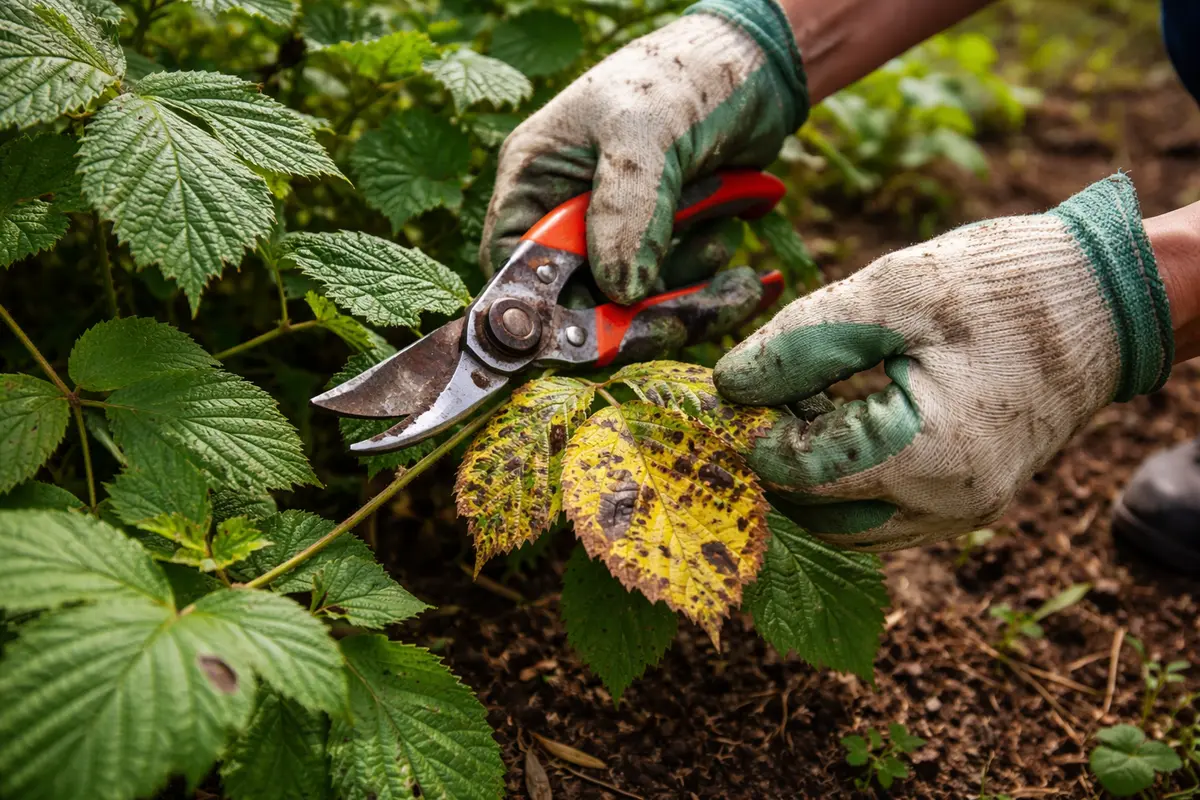
Prune any visibly infected blackberry leaves immediately. You will notice a reduction in the spread of the spots and potentially healthier new growth within a week. Proper pruning can halt the disease’s progression and safeguard unaffected areas of the plant, allowing it to focus energy on recovery. Remember to sanitize your pruning shears with a 10% bleach solution before and after use to avoid cross-contamination, which could exacerbate fungal issues.
Pruning affected leaves is critical as it removes the fungal source and prevents spores from spreading. Blackberry plants are particularly susceptible to fungal diseases during humid conditions, which can worsen if infected foliage is left intact. By cutting away the diseased leaves, you not only minimize the risk of further infection but also allow the plant to redirect energy toward healthier growth. Ideally, prune on a dry day to prevent further moisture on open wounds from leading to additional infections, as wet conditions post-pruning can encourage fungal spores to enter the fresh cuts.
A common mistake gardeners make is waiting too long to prune. Delaying this action can lead to the spread of disease throughout the entire plant or even neighboring plants. As a rule of thumb, always inspect your plants after heavy rains, where humidity levels are ideal for fungal growth. If you notice multiple leaves showing signs of infection, it’s crucial to prune immediately rather than letting areas appear only slightly affected. In cases where the disease spreads beyond a few leaves, consider proactive pruning of all leaves affected by disease before they develop further symptoms.
Step 2 – Check for Overwatering as Cause of Fungal Disease
Start by inspecting your blackberry plants for powdery mildew or rust spots on leaves. Remove any affected foliage and ensure the plants have adequate air circulation. You should see an improvement in plant appearance within a week, as new, healthy growth starts to emerge, especially if you balance your watering practice going forward.
These symptoms often arise from poor airflow around the plants, leading to excess moisture on leaves, which creates an environment conducive to fungal growth. The roots may also suffer from root rot if the soil remains too wet, resulting in wilting or yellowing leaves. Contrast that with healthy, lush growth when conditions are optimal. If the leaves develop black streaks, rather than benign spots, it’s important to check for aphid infestations which can weaken the plant and permit fungal invasion. Inspect the undersides of leaves and confirm if aphids are present; if so, employing neem oil or insecticidal soap can quickly curb the infestation.
If the soil smells sour, it signals anaerobic conditions that can lead to root rot. To address this, amend the soil by adding organic material to enhance drainage and aeration. Alternatively, if you notice white mycelium on the soil surface, it indicates a different type of fungal issue that requires adjusting watering practices and possibly applying a soil fungicide to combat this type of fungal growth. Remember that overwatering creates an environment rich in moisture that fosters fungal growth, especially in tightly spaced plantings. This can happen when there is frequent rain, allowing soil moisture to build up excessively.
Checking soil moisture levels with your fingers or a moisture meter every few days can help ensure you only water when necessary. As you adjust your watering routine, observe the soil’s texture—moist, but not soggy—should be your goal. If you find that the soil remains too compact or waterlogged, consider shifting your watering strategy to a deeper, less frequent schedule that promotes root growth while reducing surface moisture. A common mistake occurs when gardeners think daily watering is required; instead, allowing for a drier surface can lead to a healthier root system overall.
Step 3 – Test Soil Airflow Around Blackberry Roots
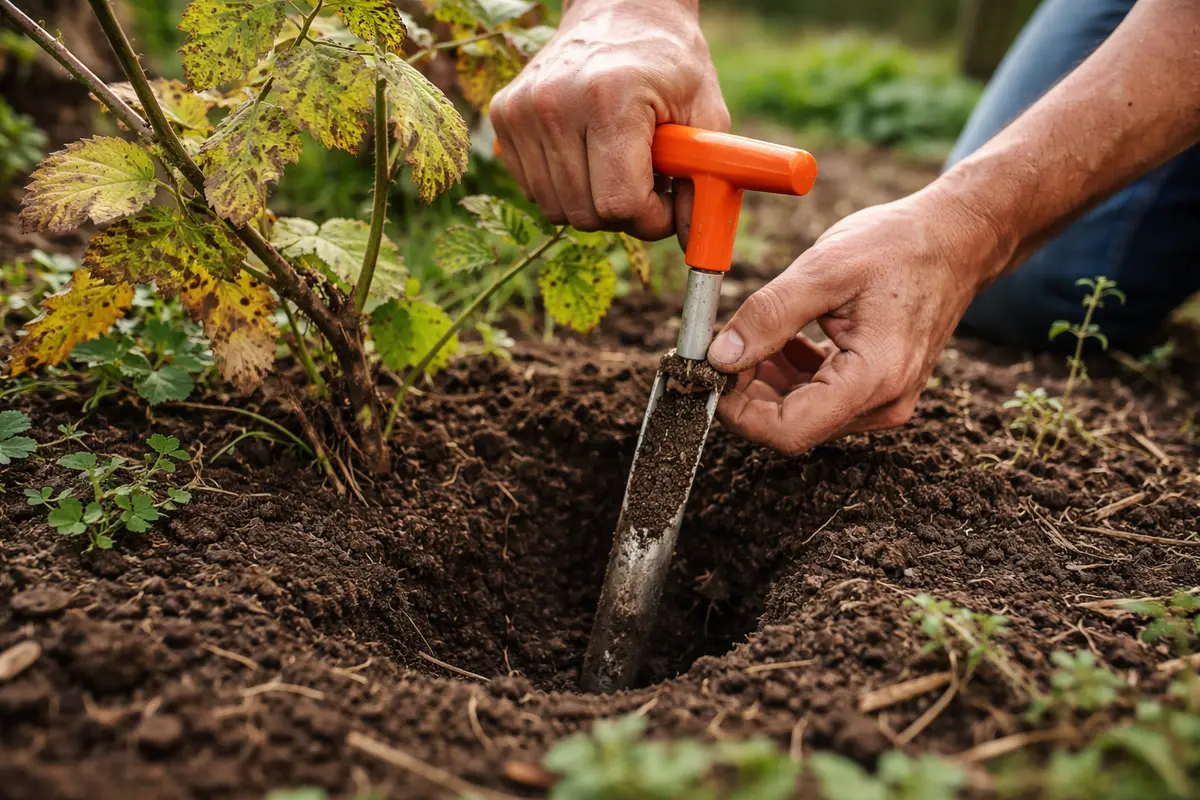
Check the airflow in the soil around your blackberry plant roots by gently loosening the top layer of soil. If you notice compacted soil, it may be limiting airflow and contributing to the fungal disease. This can happen in heavy clay soils or areas with repeated foot traffic around the plants, leading to increased potential for fungal growth while also limiting root access to vital oxygen.
Good soil aeration is crucial for healthy root function. Compacted soil restricts the oxygen roots need and can hold excessive moisture, promoting fungal growth. To assess compaction, look for crusting on the soil surface or difficulty inserting a finger into the soil. A lack of airflow combined with wet conditions creates the ideal environment for pathogens to thrive, exacerbating the problem. If you notice that the topsoil is compact, consider using a garden fork to aerate the surface without damaging the root zone directly below. Focus on disrupting compacted areas regularly to maintain soil health.
If the soil feels dense and compacted, it might be time to till it or plant cover crops in the off-season to improve structure. Introducing legumes or other deep-rooted plants can naturally loosen the soil and enhance aeration over time. If unsure about the airflow, waiting to see if plant symptoms improve after other fixes before making drastic changes can also be a strategy. However, sometimes simple adjustments in water management can relieve a compacted soil condition without additional work, which is why consistently monitoring moisture and root health is essential for fruitful blackberry cultivation.
Step 4 – Feed Plants with Fungus Recovery Nutrients
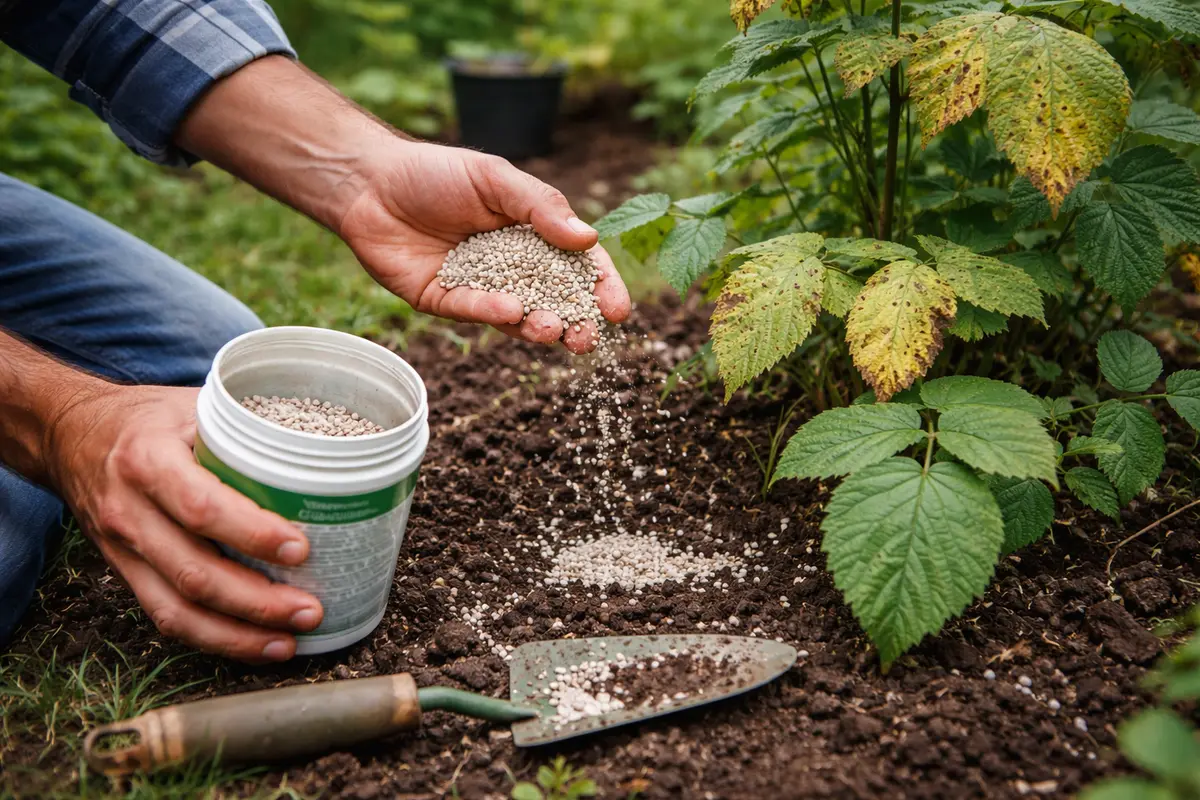
Start by removing any visibly infected leaves or stems from the blackberry plants to halt the advance of the fungal disease. As you do this, you should notice a decrease in disease symptoms over time, such as less leaf wilting and a gradual return of robust foliage. Fertilizing your plants can further enhance recovery by providing essential nutrients that promote healthy growth.
Realistically, recovery from fungal infections in blackberry plants may take anywhere from a few weeks to several months depending on factors like weather conditions and soil health. Healthy regrowth is characterized by vibrant green leaves emerging without any discolored spots or abnormalities. On the other hand, damp, humid conditions can slow recovery significantly, as they may further promote fungal growth. If the plants exhibit no new growth after two months, it’s important to check for other issues like root rot or poor soil aeration, as nutrient deficiency may not be the only factor impeding recovery.
A mistake to avoid during recovery is overwatering your blackberry plants, which can worsen fungal issues and root rot. Instead, allow the soil to dry out slightly between waterings to promote healthy root function. In a scenario where you notice leaf tips browning or soil feel constantly saturated, this indicates overwatering. If leaves appear crisp and brittle, check soil moisture levels as excess water can be just as detrimental as drought, while underwatering can hinder the recovery process.
A balanced organic fertilizer will replenish nutrients depleted due to disease stress. Choose a formula high in nitrogen and balanced with potassium to strengthen the plants’ immune systems against future diseases. Measure according to label recommendations for application rates to avoid over-fertilization, which could lead to additional stress. A common technique is to mix the fertilizer into the top few inches of soil at the base of the plant; however, avoid digging too deeply, as it might damage surface roots. An even application is key — avoid dumping too much in a single spot—this practice encourages slow nutrient uptake and potential root damage. If necessary, a slow-release organic fertilizer can promote consistent nourishment without overwhelming the plant’s system.
Step 5 – Water Blackberry Plants with Care to Prevent Fungi
Adjust your watering schedule to allow the soil to dry out between irrigation sessions. This will create less favorable conditions for fungus growth and promote healthier root and plant development. You should also assess whether the pot or ground drainage is sufficient if you notice persistent moisture on the soil surface. Ensuring the right drainage helps prevent standing water, which can exacerbate fungal growth.
By allowing the top inch of soil to dry before subsequent watering, you minimize moisture that can accelerate fungal spread within the plant. Keeping track of recent rainfall and adjusting your irrigation habits according to weather patterns can further assist in preventing excess soil moisture. A consistent but targeted approach to watering means healthier roots and vegetative growth. Take care to implement a watering schedule that reflects seasonal changes; for example, during cooler months, reduce watering to prevent excess moisture accumulation.
Check your watering habits with the season; during rainy periods that lead to saturated soil, cut back on watering frequency. If rain is frequent, consider installing a rain gauge to monitor rainfall amounts accurately and adjust your watering accordingly. Waiting until soils are adequately dry but not overly parched ensures optimal moisture levels for root health. An added tip is to check for moisture retention using your finger: if the soil crumbles rather than holds together, it’s time for irrigation. If you frequently encounter fungal issues, consider modifying your irrigation strategy, such as switching to drip irrigation, which directly waters the roots without wetting the foliage.
Step 6 – Inspect Blackberry Stems for New Fungal Growth Weekly
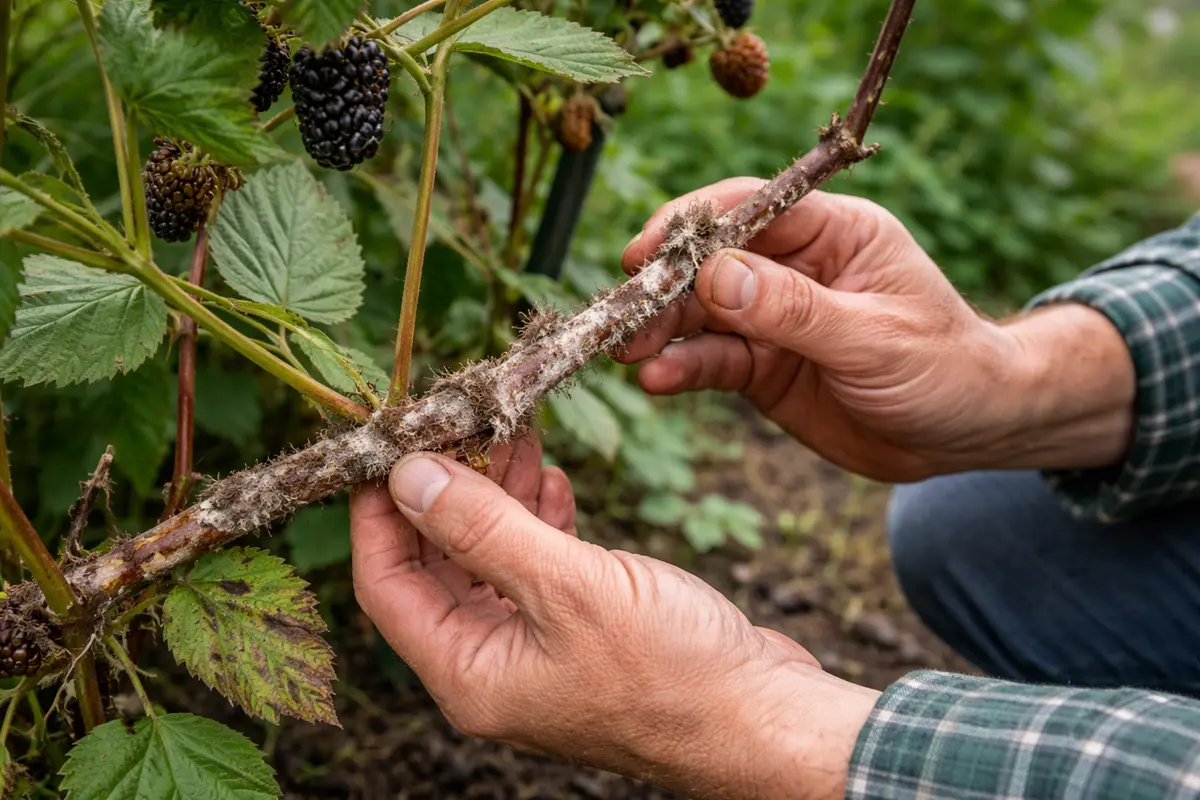
Inspect your blackberry plants regularly, ideally once a week, for any signs of returning fungal growth. You should observe gradual improvements in leaf health and reduced disease symptoms if your earlier fixes were successful. The goal is to intervene quickly at the first sign of stress or re-infection; early detection can significantly mitigate the extent of further damage.
A healthy plant will display firm, vibrant leaves, and any previous signs of fungal infection should diminish over time. Conversely, if you notice new dark spots or wilting leaves, it may indicate rebound fungal issues or that your watering or nutrient strategies are lacking. Frequent checks help catch issues before they escalate, preventing a minor problem from spreading throughout the entire plant. Identify specific patterns of infection to know how to adjust care practices accordingly where issues do arise.
If fungal symptoms return despite your best efforts, consider re-evaluating your watering practices, soil conditions, and nutrient application strategies. A deeper look into airflow around both the stems and root zones is also critical for preventing new outbreaks. Additionally, it may be worth consulting a local extension service or agricultural advisor for tailored advice specific to your environmental conditions. Implementing crop rotation and strategic planting methods can be effective long-term safeguards against repetitive outbreaks of fungal diseases in your blackberry plants.
FAQ
How long does it take for blackberry plants to recover from fungal disease?
Recovery time varies based on how quickly you implement treatment. With prompt intervention, most signs of recovery may be visible within 2-3 weeks after pruning and adjusting care practices. More severe cases, however, may require ongoing attention to root health and soil conditions, as recovery can often take several months depending on environmental factors.
Can fungal diseases spread to other plants nearby?
Yes, fungal spores can spread through wind, rain, and tools. It is crucial to separate infected plants and sanitize any cutting tools after use to minimize this risk. Keeping a buffer zone of healthy plants can significantly mitigate the spread of these diseases and maintaining proper spacing helps ensure good air circulation.
Should I remove all affected parts of the plant?
Yes, you should remove all visibly infected leaves and stems to stop the spread. Regular inspections will help you identify and remove any new infections promptly, minimizing the chances of widespread disease. Consider timing your removal efforts on dry days to reduce moisture levels in cuts that may attract additional pathogens, which could make the spread even worse.