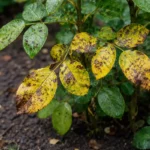
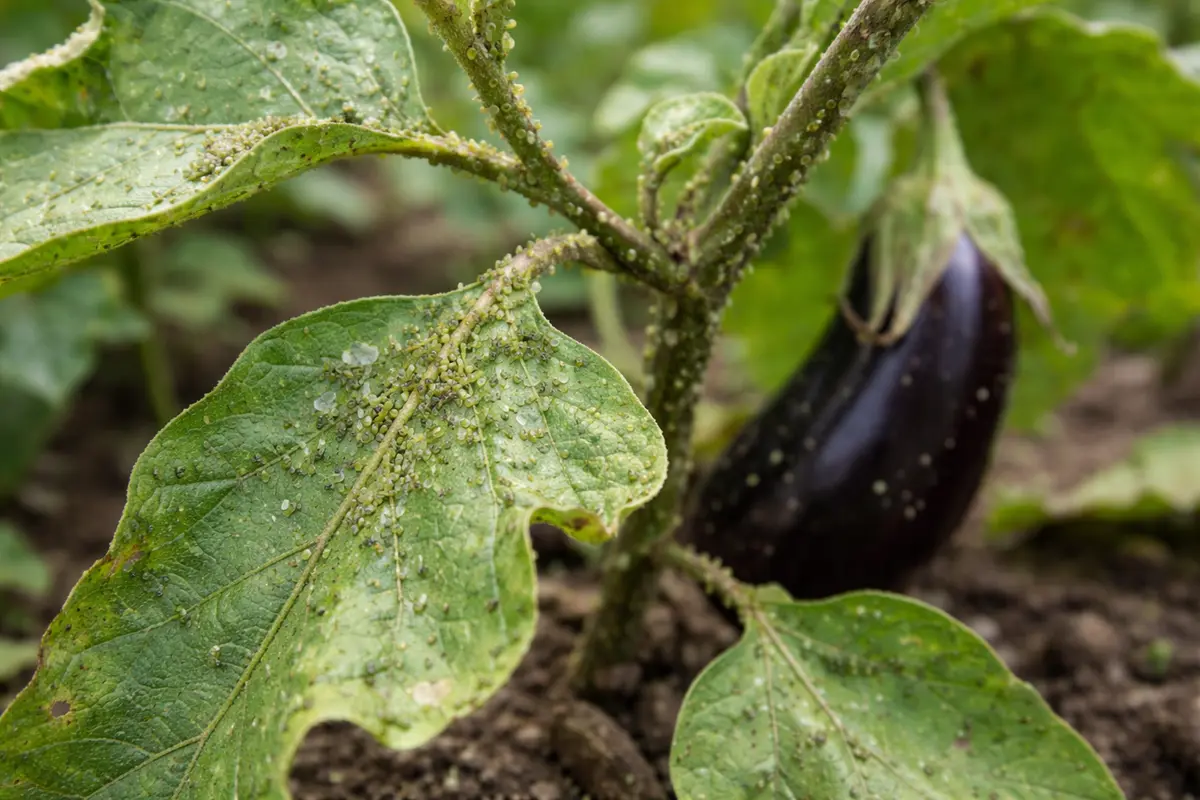
You may notice your eggplant leaves curling and developing a sticky residue during the warm months, which is why you need to know how to treat aphids on eggplant after seeing damage. These pests suck the sap from the plant, leading to yellowing leaves and stunted growth. If left unchecked, their population can spread quickly, weakening the plant and leading to more damage, but it’s possible to fix this issue now by inspecting the plants and removing the aphids with a strong spray of water.
Step 1 – Spray Eggplant Leaves to Eliminate Aphids
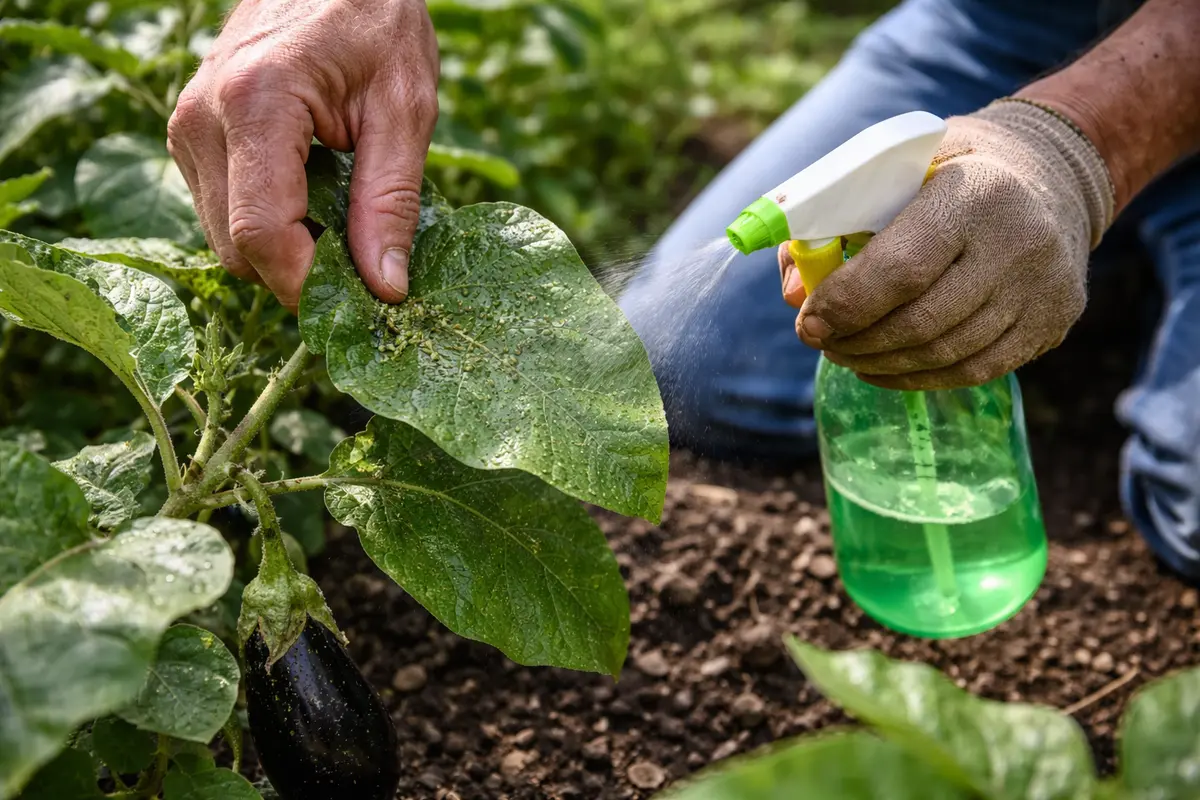
Apply a strong stream of water to the underside of the affected eggplant leaves. You will see many of the tiny pests dislodged within moments. This direct action effectively reduces the infestation and minimizes new damage to your plants. Aim to spray the leaves until they are visibly clean and free of the pests.
Water pressure helps to physically remove aphids, which are delicate and easily displaced. Ideally, you should use a spray nozzle that allows for a focused, strong jet of water, as this will increase the effectiveness of the wash. Acting fast is crucial, especially since aphids can reproduce quickly; a small group can turn into thousands in a matter of weeks if left unchecked. If you notice a rapid increase in leaf damage, the delay in action can lead to frayed leaf edges or stunted growth, as the plants divert resources to damaged areas. Consequences of not addressing the issue promptly include extensive leaf curling and wilting, potentially leading to a significant loss in yield.
Many gardeners mistakenly assume chemical treatments are necessary right away, ignoring this first simple step. Quickly applying sufficient water can make a huge difference. If you’ve just watered the plants and find aphids, that can sometimes lead to a stickier situation due to potential retention of moisture. Consider waiting a day or two if the humidity is high—overly wet conditions can attract more pests because aphids are drawn to weaker plants. If conditions feel damp after a recent rain or watering, it’s advisable to wait before spraying to ensure aphids do not cluster due to excess moisture on the leaves. If you see droplets of honeydew, a sign of infestation, it’s best to treat the leaves before any additional stress factors increase the vulnerability of your plants.
Step 2 – Diagnose Pest Infestation on Eggplants
First, inspect your eggplants thoroughly for aphids, which can often be found on the undersides of leaves and around new growth. Treat the affected areas with a mixture of dish soap and water, applying it directly to the pests and the surrounding foliage. Over the next few days, watch for a decline in aphid numbers and healthier leaf growth as the infestation is managed.
Aphids feed on plant sap, which stunts growth and leads to curling and yellowing of leaves due to nutrient deficiencies. The presence of sticky honeydew, a byproduct of their feeding, often attracts sooty mold, further complicating the plant’s access to light. If you notice leaves wilting and a sticky residue, it’s a clear sign that the aphid population is high, indicating they are sucking vital nutrients from the plant.
If the soil smells sour, which may indicate root rot or poor drainage, switch to a well-draining potting mix and check the watering schedule. Alternatively, if you find spider mites instead of aphids, use neem oil to treat them, as they require a different approach compared to aphids but can also cause similar leaf damage.
Each sign you observe indicates the aphids’ feeding behavior and can warn you of more extensive damage. Honeydew, a sugary substance secreted by aphids, not only attracts ants but also fosters fungal growth like sooty mold, which can further weaken the plant’s health over time. Noticing these changes allows for targeted intervention based on the level of infestation. If the honeydew is visible and leaves yield a sooty appearance, it may be wise to take a more aggressive treatment approach. Symptoms such as a thick black coating on leaves could lead to poor photosynthesis, exacerbating the situation and hindering growth rates.
If only minor infestations appear, less drastic measures, such as introducing predatory insects like ladybugs, might suffice. However, assuming that high-pressure washing alone will solve hormonal lifting without addressing the sugary excretions that aphids leave behind is a common mistake. If you notice that despite watering, the leaf curl persists without improvement, consider escalating your treatment strategy. Regular inspections, especially after watering or at the end of a hot day, can help catch early signs of stress and allow for timely interventions. Always monitor the reaction of surrounding plant life to ensure any treatments do not negatively impact beneficial insects or plants nearby.
Step 3 – Fertilize Eggplants to Aid Recovery from Aphids
Start by applying insecticidal soap or neem oil to the affected areas of your eggplant plants, ensuring thorough coverage of both the upper and lower surfaces of the leaves. Within a few days, you should notice fewer aphids, and new leaf growth starting to emerge, indicating that the plants are beginning to recover.
Realistically, recovery from aphid damage can take anywhere from one to three weeks, depending on the extent of the infestation and environmental conditions. Healthy regrowth typically presents as bright green shoots and leaves, while slow recovery may correspond with stunted growth or yellowing leaves. Well-drained soil and adequate sunlight can speed up recovery times, while excessive moisture or low light levels may contribute to further stress and delay the healing process.
A crucial mistake to avoid during recovery is overwatering your eggplants, as too much moisture can lead to root rot and additional stress. Instead, allow the soil to dry slightly between watering to create a balanced environment. If you notice leaf drooping but the soil is wet, check the drainage to ensure it isn’t holding onto excess water.
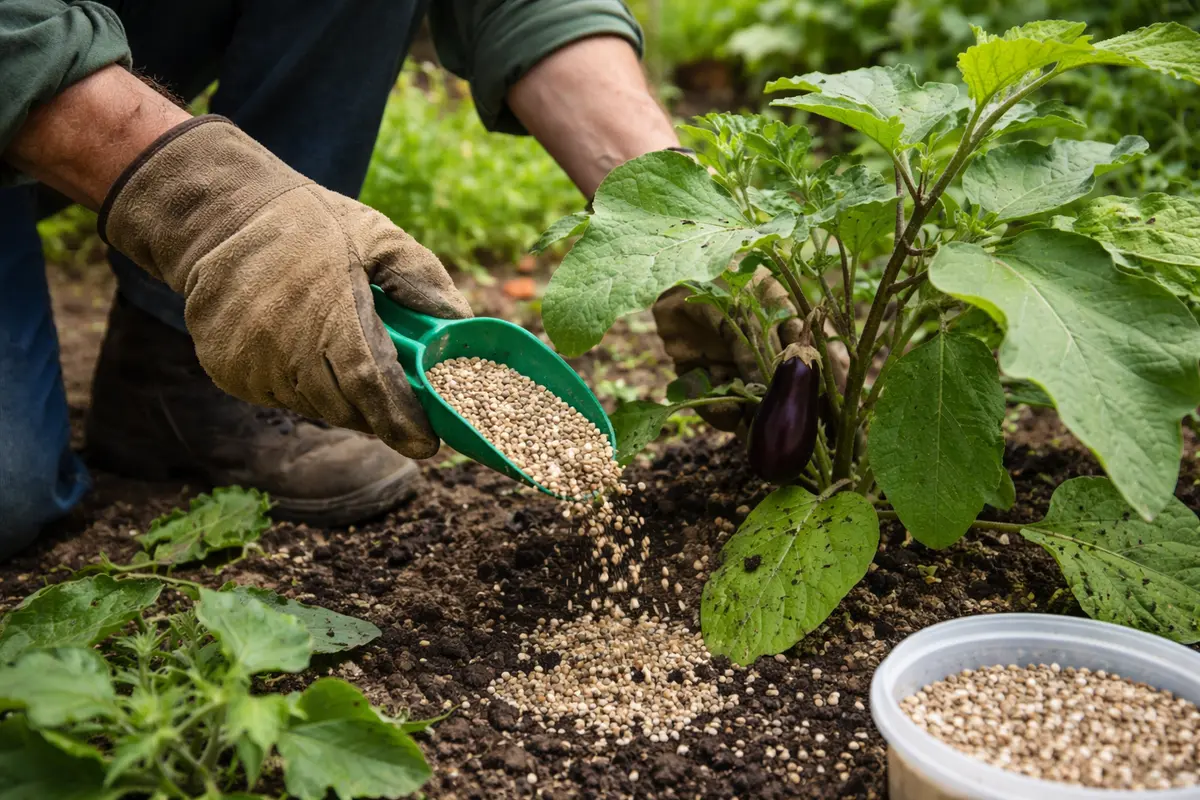
Nutrients are vital for stressed plants as they recover from pest damage. A balanced formula containing nitrogen, phosphorus, and potassium works best, as these elements help rebuild and strengthen the plant. Many fertilizers are available as granular formulations or liquid concentrates, and their prompt absorption is crucial for struggling plants. Aim to fertilize early in the morning or late in the evening, as this minimizes evaporation and allows nutrients to absorb more effectively. Observing an immediate post-fertilization growth spurt is an encouraging sign, but be cautious of using the same techniques annually without adjustments based on your soil’s nutrient profile.
A common mistake during recovery is over-fertilizing to “make up” for previous losses. Too much fertilizer can lead to additional stress, making the plant more susceptible to disease. Therefore, apply a moderate dose and monitor the response over a couple of weeks. If you notice that new leaf growth comes at the expense of flower production, you may need to adjust the nutrient input accordingly. Additionally, assess your soil’s nutrient baseline, as this will help determine if a full fertilization or a slight boost is necessary. Soil testing can aid in this evaluation, so if symptoms persist, consider consulting a local agricultural extension office for guidance tailored to your region. Be mindful that nutrient imbalances can further complicate plant recovery, especially if soil pH is off.
Step 4 – Shield Eggplants from Future Aphid Attacks
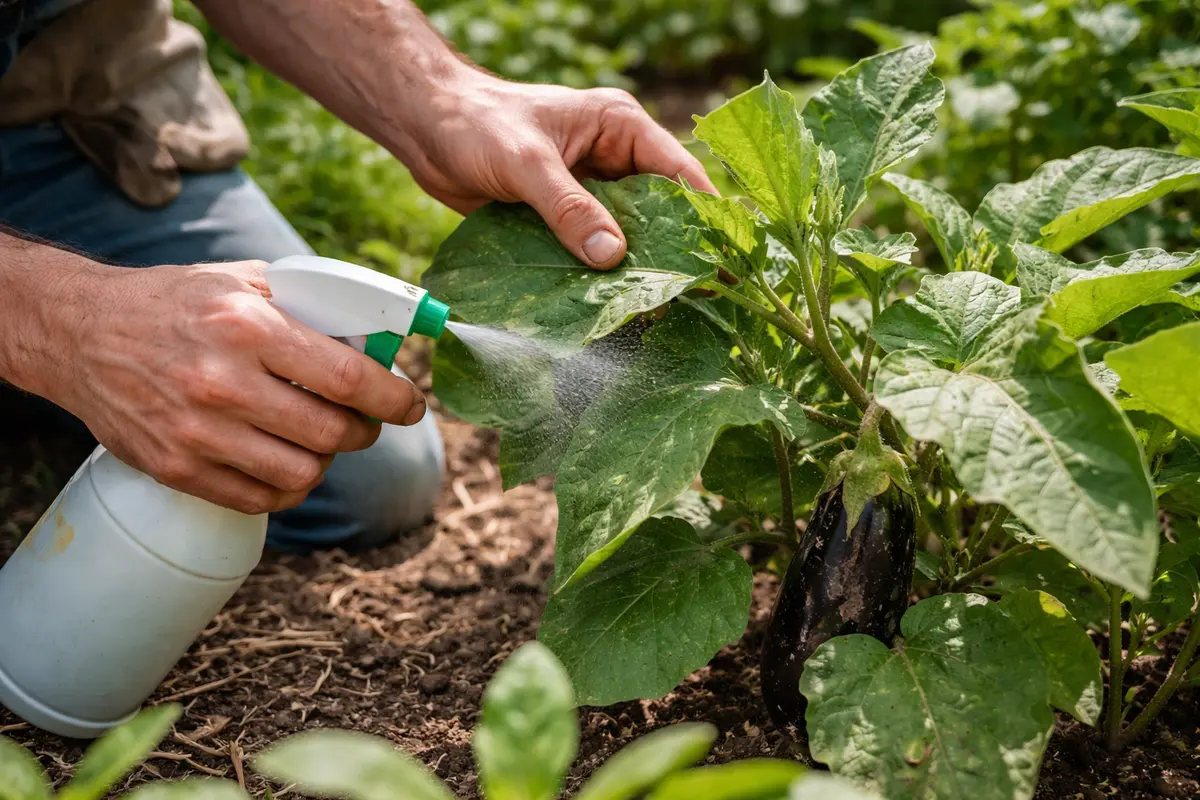
Start by introducing beneficial insects like ladybugs or lacewings into your garden, as they feed on aphids and help maintain control in the ecosystem. You should notice a decrease in aphid populations and healthier eggplants thriving as the natural predators establish themselves.
Aphids thrive in warm, dry environments and can quickly return if left unchecked. By incorporating beneficial insects, you not only reduce existing populations but also create a balanced ecosystem that discourages future infestations. If you notice an uptick in aphid numbers despite introducing these predators, check the surrounding areas for any potential pesticide residue that may harm them.
During the peak summer months, consider increasing the frequency of introducing beneficial insects, as their population may naturally decline due to heat. Additionally, supplementing with neem oil can create a protective barrier against aphids while remaining safe for beneficial insects. If you observe early signs of aphid damage, promptly reapply neem oil to fortify your prevention routine.
Companion planting establishes a protective ecosystem around your eggplants, creating conditions that are less favorable for aphids. By planting aromatic herbs like basil or mint within proximity, you can disrupt aphid pheromones and reduce their attraction to your eggplants. Certain plants repel aphids based on their scent or taste, preventing future infestations. For best results, intersperse beneficial flowers among your crops to create a habitat that attracts pollinators and pest predators, which can significantly manage aphid presence. Monitor the population of beneficial insects, as certain timings throughout the growing season can affect their presence.
Seasonal changes can impact the effectiveness of these strategies; certain companion plants thrive better during specific seasons. While marigolds may flourish in summer, they can offer diminished protection in cooler fall temperatures. Some plants may attract unwanted pests during high temperatures. Be aware that when temperatures rise rapidly outside, many companion plants may struggle, affecting their ability to effectively provide a buffer for your eggplants. Evaluate plant combinations seasonally, and be open to rotating crops, which—along with improving soil health—disrupts pest life cycles and strengthens the ecosystem as a whole. Also, consider diversifying your planting scheme to include herbs like dill and coriander, which repel aphids while attracting pollinators and other beneficial insects, creating a more sustainable environment.
Step 5 – Inspect Eggplant Foliage for New Aphid Activity
Check your eggplant leaves every 2-3 days for signs of new aphid activity post-treatment. You should look for fresh damage signs, like leaf curling or honeydew, as well as checking for ants that often accompany aphid activity unless any drops in aphid populations or fresh mulch show signs of resolving the issue. Regular monitoring is essential to maintain plant health and ensure that treatments applied were effective. Document any changes to understand patterns regarding recurring infestations more accurately. If you see more ants than usual, that could signify a population spike of aphids you need to address again.
A healthy plant developing new leaves, in contrast to leaves curling or yellowing again, is a strong indicator of recovery. Keeping up with inspections creates familiarity with your plant’s normal patterns and alerts you to returning signs before they escalate beyond control. If signs of stress reappear, pay attention to surrounding environmental conditions, such as humidity levels and temperature fluctuations, as they can create favorable conditions for new aphid swarms. Remember that aphid populations can rebound quickly if they go unchecked. If you notice tiny clusters of aphids or the sticky residue returning, action must be taken immediately.
If significant populations return despite following earlier steps, consider reassessing your pest control measures. This may involve consulting with an expert about introducing biological controls, such as ladybugs or lacewings, or implementing more potent organic pesticides. Using sprays specifically formulated for aphid management can also help mitigate the recurrence of infestations without harming beneficial species. Consider using horticultural soap that disrupts the aphids’ life cycle, allowing you to effectively reduce any rebound populations. Consistent vigilance will secure the long-term health of your eggplants, allowing you to catch potential infestations early and promote sustainable gardening practices.
FAQ
How long does it take for aphids to harm eggplants?
Aphids can begin causing visible damage within just a few days after infestation. If not treated promptly, they can lead to stunted growth, yellowing leaves, and even plant death if infestations escalate without intervention. Depending on the severity of the infestation, this may turn into a more serious issue involving disease susceptibility or even nutritional deficiencies.
Can aphids spread to other plants in my garden?
Yes, aphids are highly mobile and can easily spread to nearby plants, especially if those plants show signs of stress. Regularly inspect adjacent plants, as the same environmental conditions that favor your eggplants can also attract aphids. Keeping a healthy garden ecosystem with natural deterrents will assist in limiting cross-contamination and protecting the overall health of your garden.
Should I remove affected leaves from my eggplants?
Yes, it’s advisable to remove heavily infested leaves to limit the spread of aphids. By doing so, you can promote healthier growth and reduce the overall pest population on your plants. This action also aids in preventing potential reinfestation by removing aphids’ favorite hiding places.