
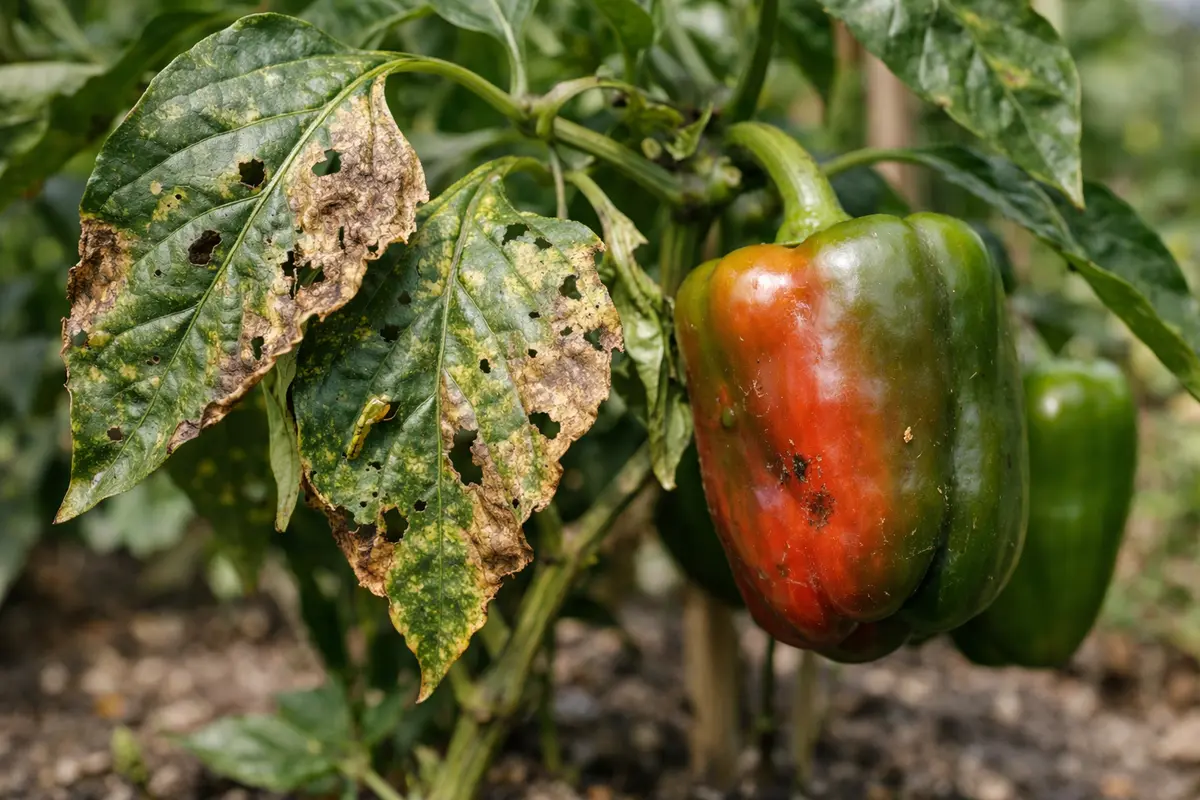
You may notice small holes or discoloration on your bell pepper plants during fruiting, which is why you need to know how to stop pests on bell peppers during fruiting. This damage is often caused by insects that feed on the leaves, leading to yellowing and wilting if left unchecked. Ignoring these pests can spread the problem throughout your garden, weakening the plant and stalling growth, which can severely disrupt your harvest efforts. Act promptly by thoroughly inspecting for pests and trimming any affected foliage to give your plants the best chance of recovery.
Step 1 – Spray Insecticidal Soap on Affected Bell Peppers
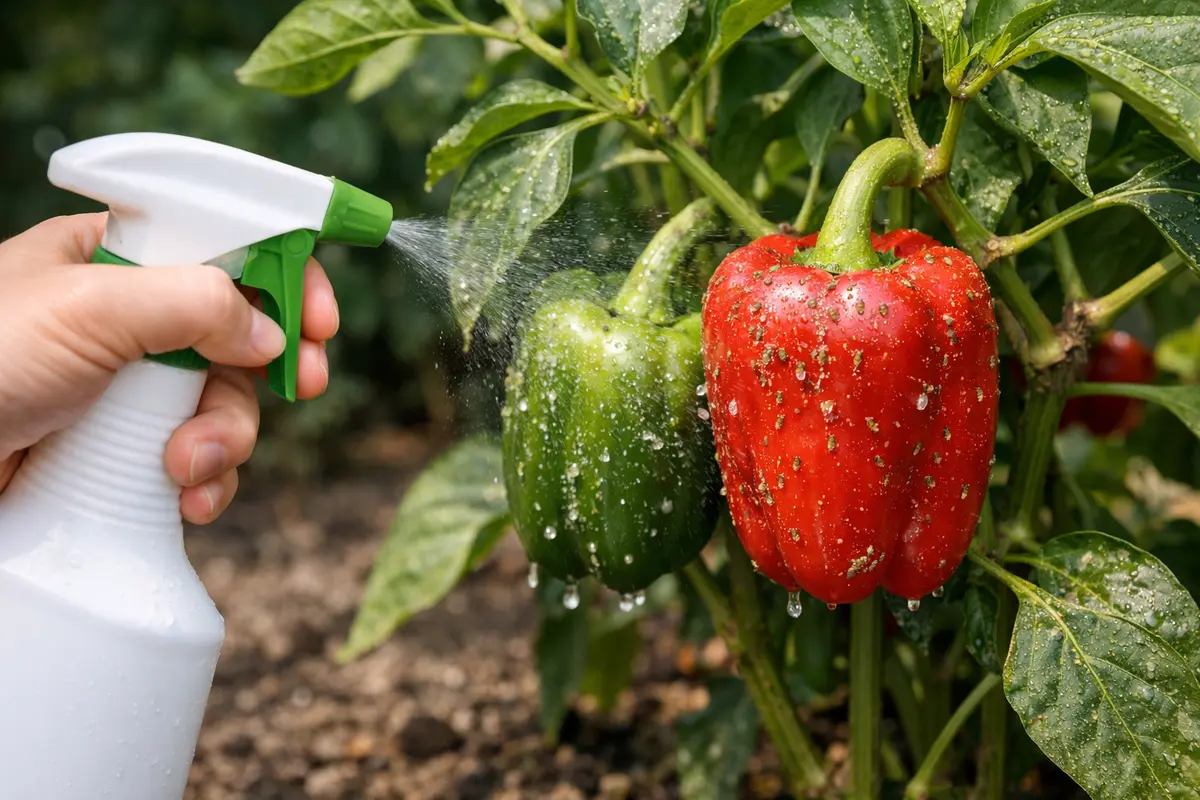
Start by applying insecticidal soap directly to the affected areas of your bell peppers. You will see a reduction in visible pests and a slight improvement in leaf health within a few hours. Use a spray bottle for even application, ensuring both the upper and lower surfaces of the leaves are well coated. Make sure to spray in the early morning or late afternoon to avoid the heat of the day, which can cause the soap to evaporate before it can act on pests.
Insecticidal soap works by suffocating and dehydrating soft-bodied pests like aphids and spider mites upon contact. Its effectiveness largely hinges on immediate application; if you delay, the pests could reproduce quickly, leading to a larger infestation that would be harder to control. After your initial treatment, maintain a routine of regular applications every few days until the problem resolves. Be aware that if leaf damage appears to worsen rather than improve following the application, this could indicate a more severe infestation or the presence of a different pest requiring a specific response.
Be cautious about treating the plants during peak sunlight hours, as this could cause phytotoxicity or leaf burn. A common mistake at this stage is not thoroughly covering both the top and bottom of the leaves; pests often hide underneath where they remain protected. If pests are still present after your first application, continue reapplying the soap until you notice a significant decrease in their numbers, but avoid over-application, which can stress the plant. If you observe that leaves are curling or turning yellow after treatment, it may indicate a reaction to the soap or over-application of nutrients due to stress from the pests.
Step 2 – Investigate Fungal Issues on Bell Pepper Leaves
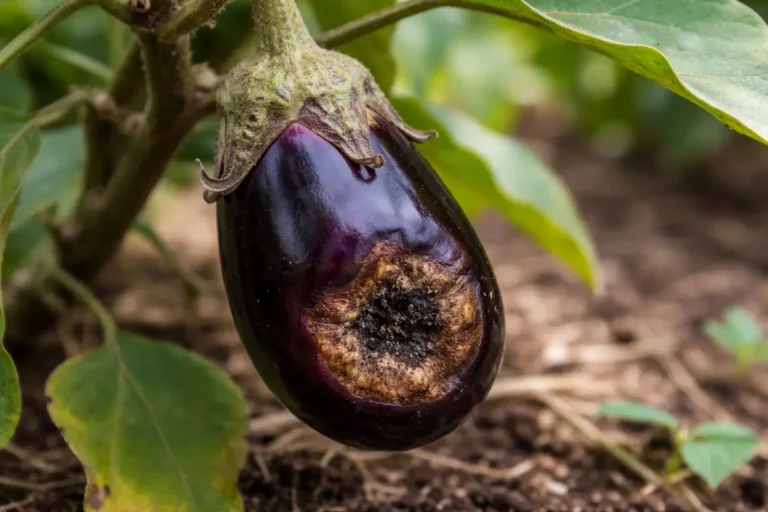
Check the leaves of your bell peppers for any signs of fungal infections or diseases. You will notice areas of discoloration or a powdery film developing on impacted leaves. Early detection is paramount; if you identify any fungus, prompt action can prevent more extensive damage from taking hold. Be particularly vigilant with younger leaves, which can be more susceptible to infections that may compromise overall plant health.
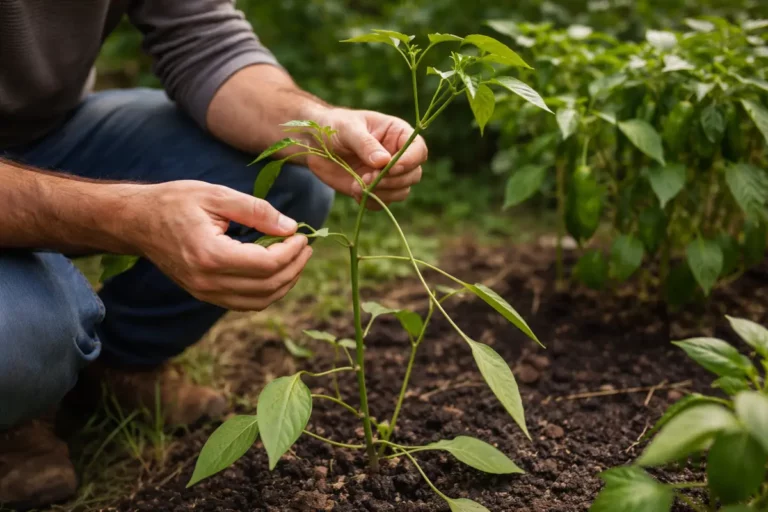
Fungal infections thrive under conditions of excessive moisture and high humidity; they can significantly weaken your plants and consequently make them more vulnerable to pests. If left untreated, these diseases can spread rapidly, impacting fruit set and hindering growth. Upon identifying any fungal growth, it is essential to remove affected parts of the plant using clean garden shears to prevent transferring pathogens to healthy sections. As you prune the plant, you may notice improved airflow around it, a crucial factor that can significantly reduce humidity levels favorable for fungal growth. Persistent humidity makes lawn fungus evening watering more likely.
If you find the soil is overly saturated, adjust your watering schedule by allowing the top 1-2 inches to dry out between watering sessions. Ensure proper drainage in your pots or garden beds because standing water will breed fungus. Additionally, avoid overhead watering during the evening as this can lead to prolonged moisture retention on leaves. If fungal issues persist after your initial efforts, apply a fungicide designed for vegetables in accordance with the manufacturer’s instructions, and monitor the plants closely for recurrence of symptoms. Remember that fungal spores can remain dormant in the soil; therefore, keeping a regular rotation in your planting schedule is a wise practice that can help manage occurrences in future seasons.
Step 3 – Fertilize Bell Peppers to Promote Recovery from Pests
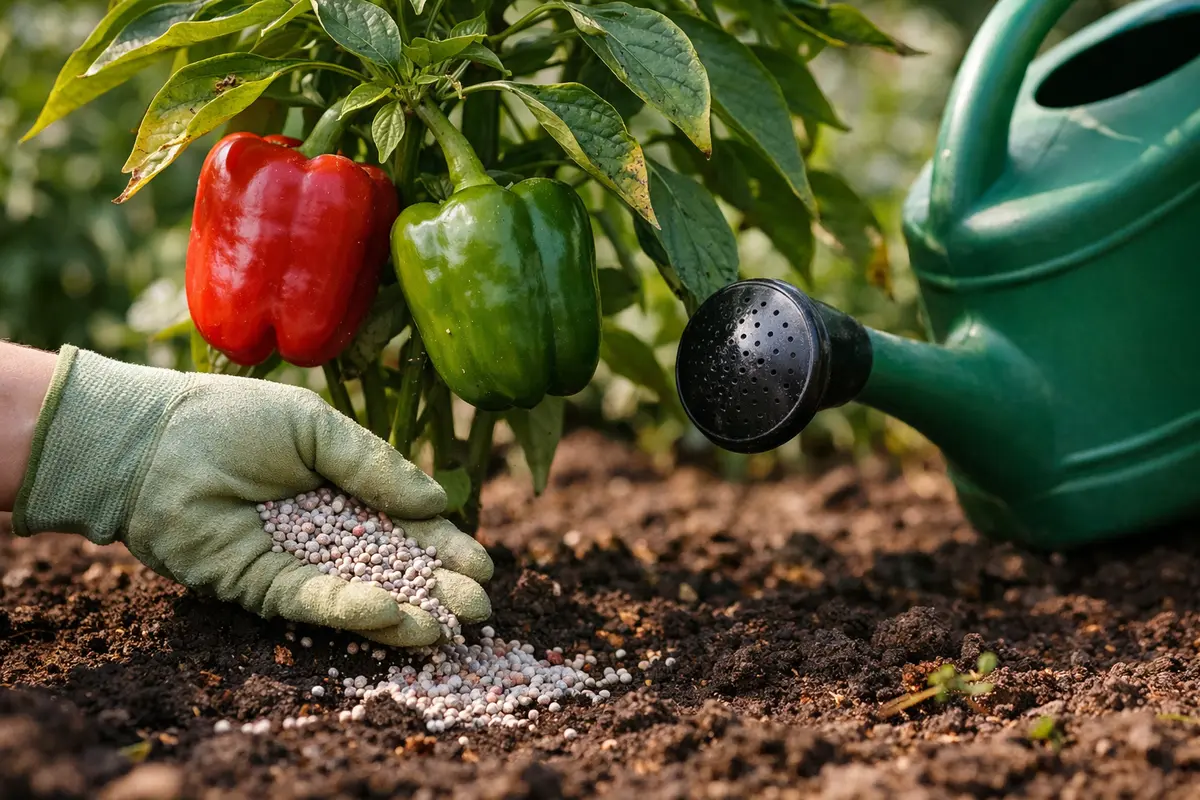
Start by applying a diluted neem oil solution to the foliage and soil around your bell pepper plants weekly. Within days, you should notice a decrease in pest activity, evidenced by fewer insects and healthier foliage beginning to emerge, signaling the plants’ recovery.
Recovery from pest damage typically takes 1-3 weeks, depending on environmental conditions and the extent of infestation. Healthy regrowth appears as vibrant new leaves and firm fruit forming on previously damaged plants. Warmer temperatures and consistent moisture will accelerate recovery, while cooler nights or dry spells may prolong it; for instance, plants in well-draining soil with regular watering will show improvement faster than those in compacted, dry soil. If you see yellowing leaves despite new growth, check for nutrient deficiencies in the soil.
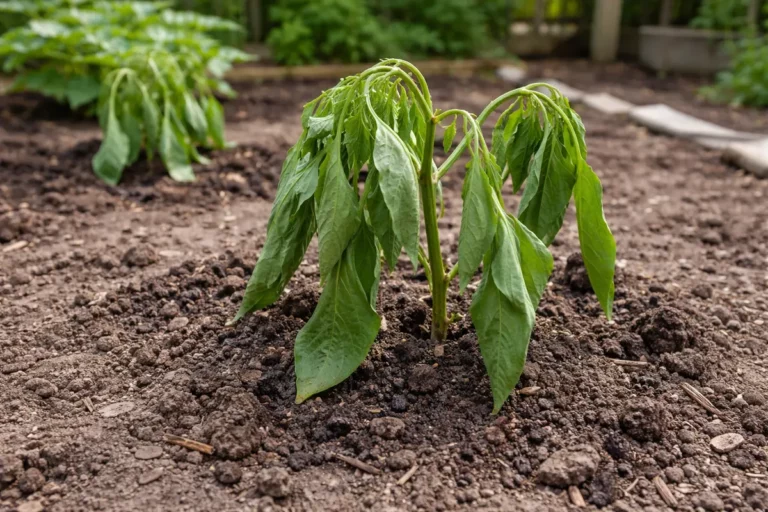
Avoid the mistake of overwatering during recovery, as excessive moisture can lead to root rot, which exacerbates any existing pest problems. Instead, allow the top inch of soil to dry out between watering to encourage resilient root systems. If your plants exhibit wilting despite moist soil, check for root rot or other pathogens that may have developed in overly wet conditions. In poor drainage conditions, plants may also develop jasmine droop after overwatering.
After that, expect to see noticeable improvement within 1 to 3 weeks, where new foliage grows vibrant and robust. The rate of recovery can accelerate with adequate sunlight and moderate watering, while persistent pest pressure or high humidity may hinder regrowth. If you notice a complete lack of new growth, check for additional pest infestations or nutrient deficiencies.
Avoid the mistake of over-fertilizing during recovery, as excessive nutrients can stress the plants and invite more pests. Timing is crucial; feeding should coincide with new growth emerging, not before, to prevent pushing the plants into vulnerability. If the leaves turn yellow, reduce fertilizer and increase water instead.
The recovery journey from pest damage may take about 2-4 weeks, influenced by several factors such as soil quality and prevailing weather conditions. Healthy regrowth appears as vibrant leaves with minimal spotting, while stunted growth could reveal ongoing pest issues or nutrient deficiencies. If you notice the leaves yellowing despite fertilizer application, this could signal a need to evaluate the soil moisture to ensure it’s not excessively dry.
Avoid overwatering because excess moisture can lead to root rot and further exacerbate pest problems. Timing is crucial in fertilization; apply fertilizers just as new growth begins to prevent overstimulatory shock that might attract more pests. If you find your plants drowning in water, ensure that drainage levels are appropriate to promote healthy soil aeration. Healthy plants will have the necessary bolstered defenses to resist pest infestations and recover from prior damage.
The application of nutrients helps restore vigor after a pest attack, enabling plants to push out new foliage and fruit. Adequate fertilization also ensures that stress imposed by pests does not lead to long-term damage, maintaining optimum productivity. If you observe continued deficiencies in nutrient uptake, your plants may require additional fertilization to support their recovery. In poor soil conditions, a proactive measure involves mixing organic compost into your garden bed or potting mix to enhance nutrient balance.
Over-fertilizing remains a common mistake during recovery; be mindful this can lead to nutrient burn and further weaken the plants. Closely monitor your peppers; if leaves begin to curl or develop signs of burn, reduce fertilizer application immediately. Furthermore, excessive nutrients can also attract pests, as lush foliage provides more hiding spots for unwanted insects. Additionally, consider switching to a higher-quality potting mix or fertilizer setup that integrates slow-release formulations for improved resilience and extended nutrient support over time. Always check your plants for residual pest damage after fertilization, as the nutrient boost can sometimes expose underlying issues that still need addressing. When feeding is off, expect signs such as if petunia plants turn yellow.
Step 4 – Shield Bell Peppers from Pests with Companion Plants
Start by applying an insecticidal soap solution directly to your bell pepper plants every two weeks. Implementing this routine action will effectively disrupt pest reproduction cycles, ultimately promoting healthier fruit development throughout the fruiting stage. This approach not only targets current infestations but also acts proactively against potential re-emergence.
Environmental conditions such as high humidity and inadequate air circulation catalyze pest outbreaks on bell peppers. Regularly applying insecticidal soap not only targets existing infestations but also creates an unfavorable habitat for pests, thereby reducing their likelihood of recurrence. Without consistent application of this preventative measure, you may see a surge in pests such as aphids and spider mites, very destructive during humid spells.
During peak summer months, consider incorporating neem oil into your pest prevention routine for an additional layer of protection. The application of neem oil can deter pests more aggressively during warm weather, establishing a secondary barrier against the most common fruiting pests. If you see any signs of distress in your plants, such as wilting leaves, check if your soap application may have been too diluted or if the neem oil was incorrectly applied.
High humidity and stagnant air often exacerbate pest infestations, making it vital to maintain proper airflow around the plants. Neem oil treatments not only disrupt reproductive cycles of pests but help in improving air circulation, thus addressing root causes behind pest recurrence. Without these preventative applications, you risk noticing the formation of curling or wilting leaves — an urgent indicator that necessitates immediate intervention.
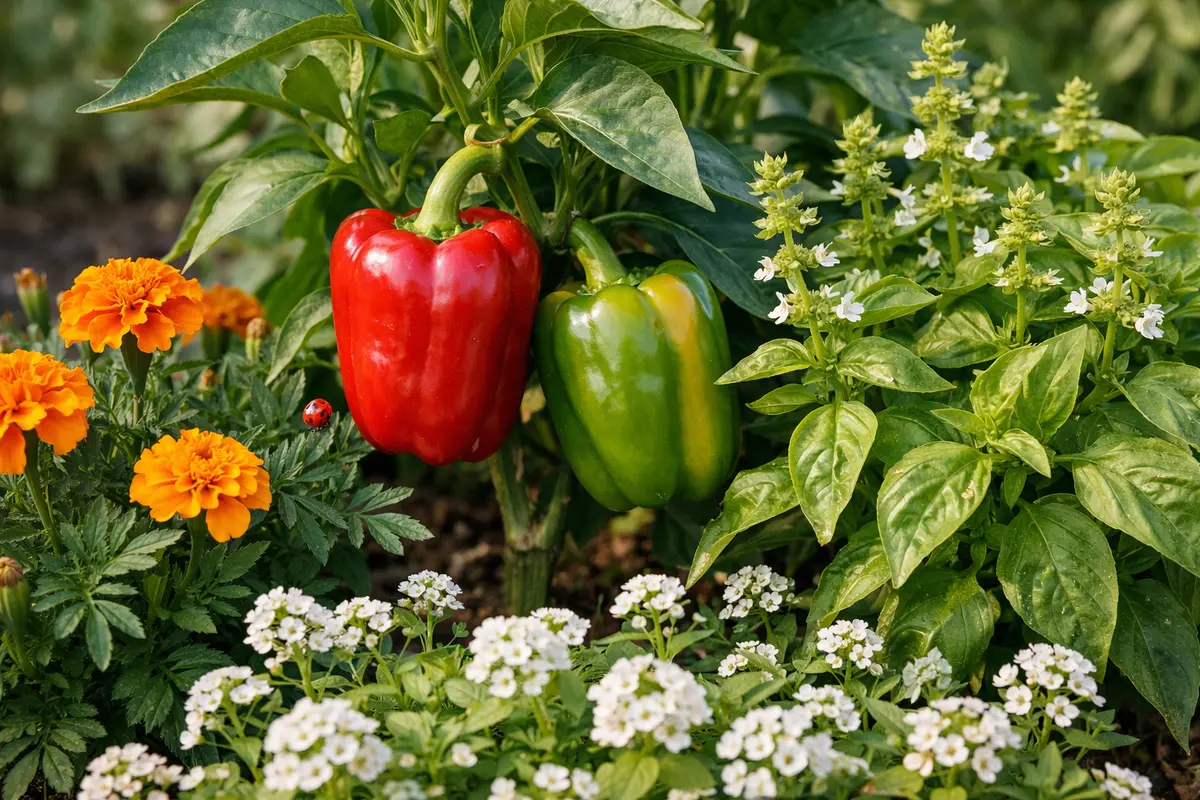
In early spring, as temperatures start to climb, ramp up the frequency of your neem oil applications to once a week for effective combat against the initial surge of pests. Furthermore, embracing companion planting—such as marigolds or basil—can naturally repel insects, providing another layer of protection if you continue to observe pest issues despite neem treatments.
Companion planting not only attracts beneficial insects that prey on common pests but can also repel nuisances due to their potent natural deterrent aromas. For example, marigolds emit a scent that disrupts aphid feeding patterns, directly protecting your peppers from infestations. Building a diverse ecosystem with different plant varieties reduces chances of pest outbreaks and acts as a protective barrier. If you observe sudden increases in pest activity, evaluate the diversity of your companion plantings; integrating more varieties may enhance this protective impact. Consider including flowering herbs like basil or dill, as they also attract predatory insects that can bolster overall pest management.
In high-pressure regions facing extensive pest invasions, rotating companion plants each season is critical for maintaining soil health and effective pest deterrence. During hot months, remember that frequent watering may be essential to support both the bell peppers and companion plants while ensuring they remain adequately hydrated without competing for nutrients. If insect activity persists despite proactive companion planting, consider establishing beneficial insect habitats in the vicinity, such as insect hotels, to encourage natural pest control agents. Regular monitoring is necessary; if beneficial species don’t appear, assess how to entice them—perhaps by providing blooms or foraging plants nearby to sustain them.
Step 5 – Check Bell Peppers for Pest Damage Weekly
Inspect your bell peppers weekly, closely examining for signs of pest damage or re-emergence. You should be looking for new growth with no signs of damage during your checks, which allows you to maintain a healthy environment for your plants. Indicators of trouble may include earlier signs like wilting, holes in the leaves, or sticky residue from pest droppings. Focus especially on new leaves because they are often more susceptible to attacks.
A healthy, recovering plant will have firm leaves and an absence of any visible pests, while early signs of trouble may include wilting leaves and holes that suggest a recurring pest presence. Regular monitoring allows for quick interception of any potential pest resurgence before it escalates. Aim for these weekly checks, particularly after rainfall or watering, as these conditions can introduce pests anew. If you frequently observe the return of pests, refine your monitoring schedule to occur more often, proactively addressing pest populations. Keep a record of your findings to better track changes over time; this data is invaluable for adjusting care strategies effectively.
Should you notice any signs of pests returning, promptly reapply insecticidal soap or take corrective measures as indicated in the previous steps. If, after two weeks, there’s no visible improvement, it may be prudent to explore more aggressive pest management techniques or consult a professional for evaluation of potential underlying issues. Furthermore, monitoring your observations in a gardening journal aids in pinpointing patterns in pest activity, leading to more effective proactive measures for the future. Additionally, assessing external conditions surrounding your plants to find pest-friendly environments can reveal key insights that will help bolster your bell pepper care efforts over time.
FAQ
How long does it take for insecticidal soap to work on pests?
Insecticidal soap typically begins to show results within 24 hours, effectively killing soft-bodied insects upon contact. You should expect to see a noticeable reduction in pest populations within a few days, especially with consistent applications. It is crucial to often assess the level of aphid or mite presence, as some may leave behind eggs that can evade initial treatments.
Can pests spread like aphids to nearby plants?
Aphids can indeed spread to nearby plants quickly, especially in warm weather. Their rapid reproduction rate necessitates that keeping healthy plants in separate pots and being proactive about monitoring for infestations can effectively reduce spread risk. Isolating any infected plants immediately is vital to preventing cross-contamination. Regularly checking on neighboring vegetation is also necessary since various small pests can migrate from one plant to another while feeding.
Should I remove damaged leaves from my bell peppers?
Yes, removing damaged leaves is essential, particularly if they exhibit signs of pest or fungal damage. This practice enhances airflow, reduces the chance of spreading disease, and encourages new growth on healthier parts of the plant. Make sure each cut is precise and sterilize your tools before proceeding, thereby preventing the introduction of further vulnerabilities to your plants. This effort significantly contributes to overall plant vitality, allowing it to gain more exposure to healthy sunlight and airflow, improving its recovery conditions.