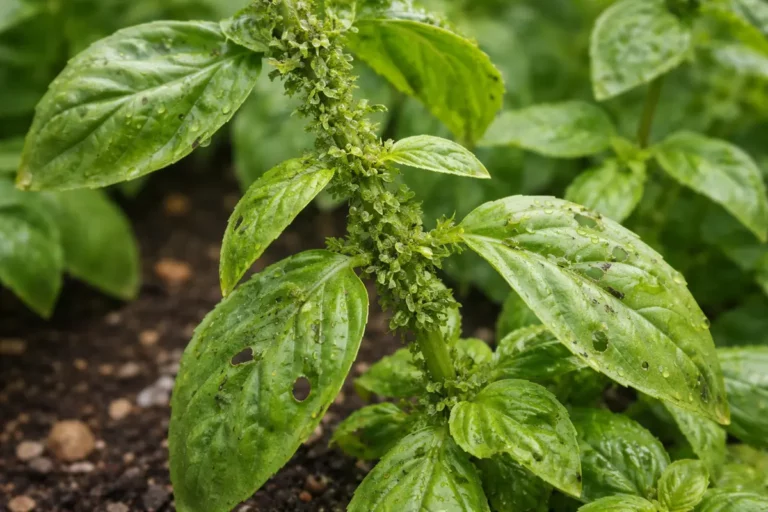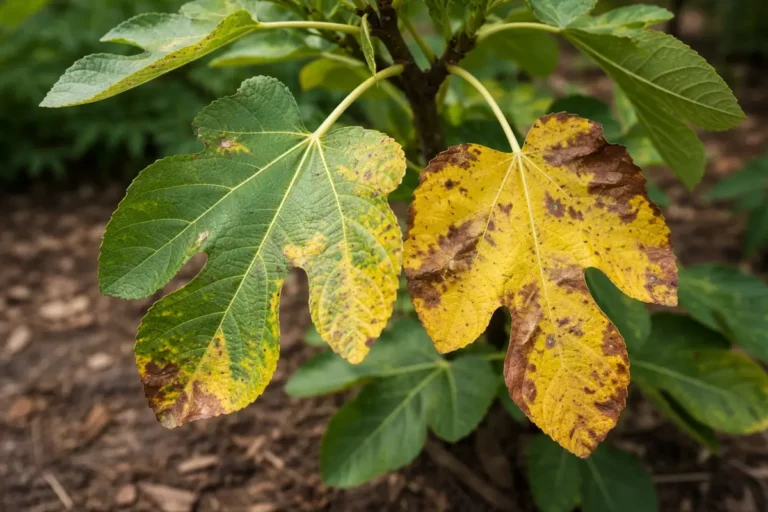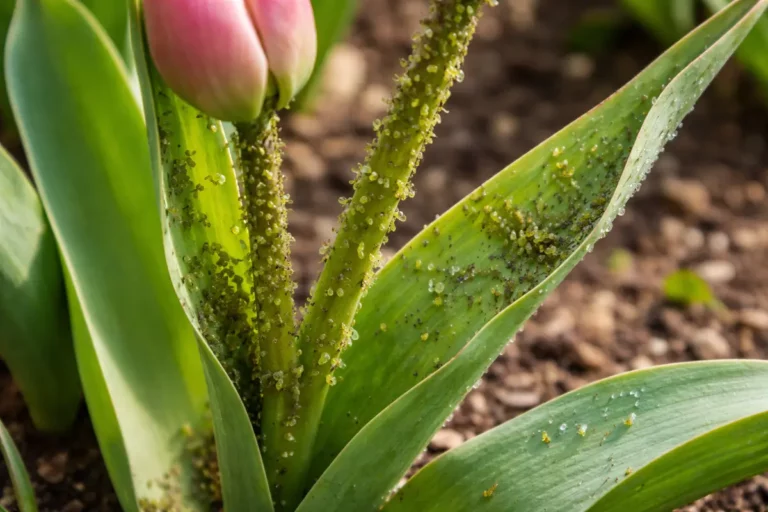
You may notice your salvia plants looking distressed after spring blooming, with clusters of tiny insects gathering on the tender leaves, which is why you need to know how to treat aphids on salvia after spring blooming. These pests can cause yellowing and wilting by feeding on the plant’s sap, leading to damage that compromises its health. If left unchecked, the infestation can spread and weaken the plant, making it harder to fix later on, but you can improve the situation now by inspecting the leaves and removing the aphids. By acting quickly, you encourage robust growth and overall vitality for your salvia.
Step 1 – Spray Insecticidal Soap on Salvia Leaves
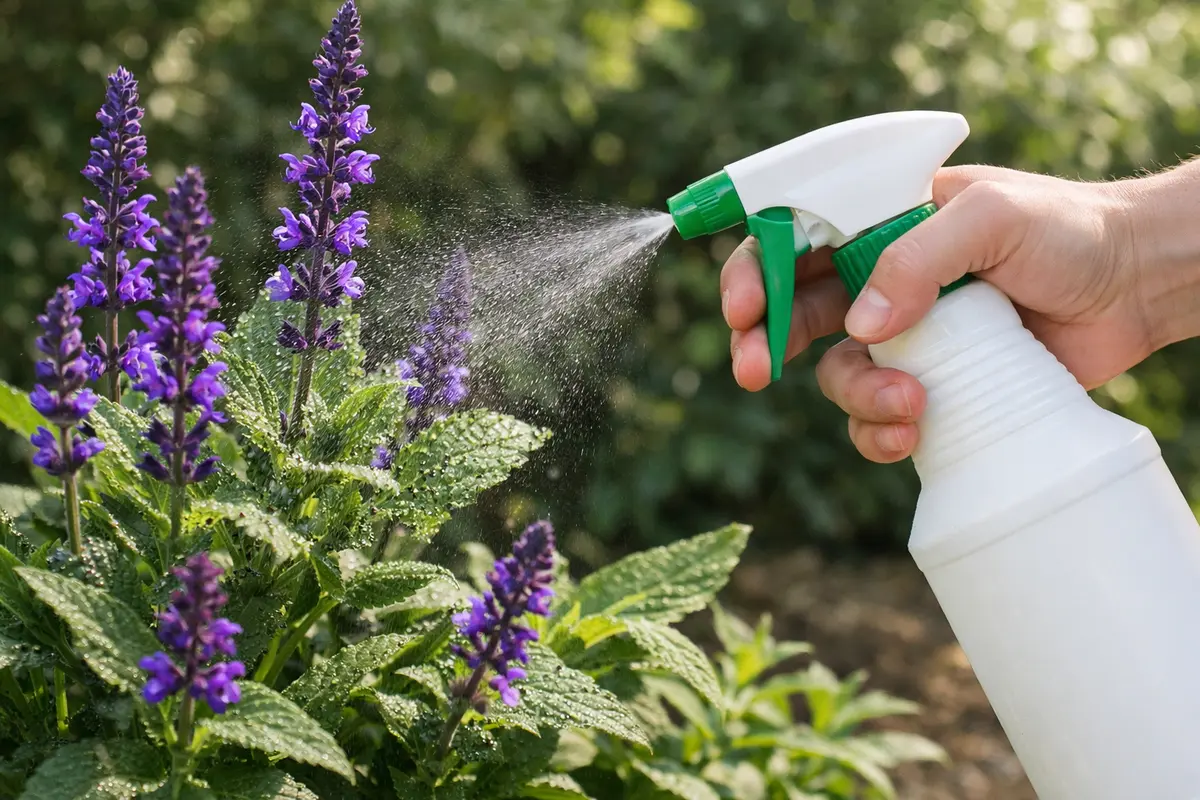
Start by applying insecticidal soap to the affected leaves of the salvia. You will notice a reduction in aphid activity within a few hours as the solution suffocates them. This immediate measure is crucial to halt further damage caused by these pests. The first application should ideally cover all leaf surfaces, especially the undersides where aphids often hide. To do this effectively, use a spray bottle and ensure the solution is mixed according to the package instructions—typically around 2-3 tablespoons of soap per quart of water.
Insecticidal soaps work by disrupting the cell membranes of aphids, leading to dehydration and death. Equally important is the timing of the application; targeting aphids during their active hours—typically early morning or late afternoon—ensures better effectiveness, as they are more likely to be exposed and not hiding in the shade. This treatment is especially necessary during warm spring weather, as aphids reproduce rapidly, and populations can explode if not controlled immediately. Heat increases the metabolic rate of aphids, so catching them early can directly reduce their numbers.
A common mistake many gardeners make is applying soaps only in the evening, mistakenly believing it will be cooler. This can lead to less effective control, as the cooler temperatures slow down the soap’s effectiveness. Better coverage can typically be achieved if the soap is applied in the morning or earlier afternoon, allowing better absorption into the plant. In cases where natural predators like ladybugs are present, ensure to apply the soap delicately because harmful sprays may eliminate these beneficial insects along with the pests.
Step 2 – Examine Salvia for Aphid Colonies
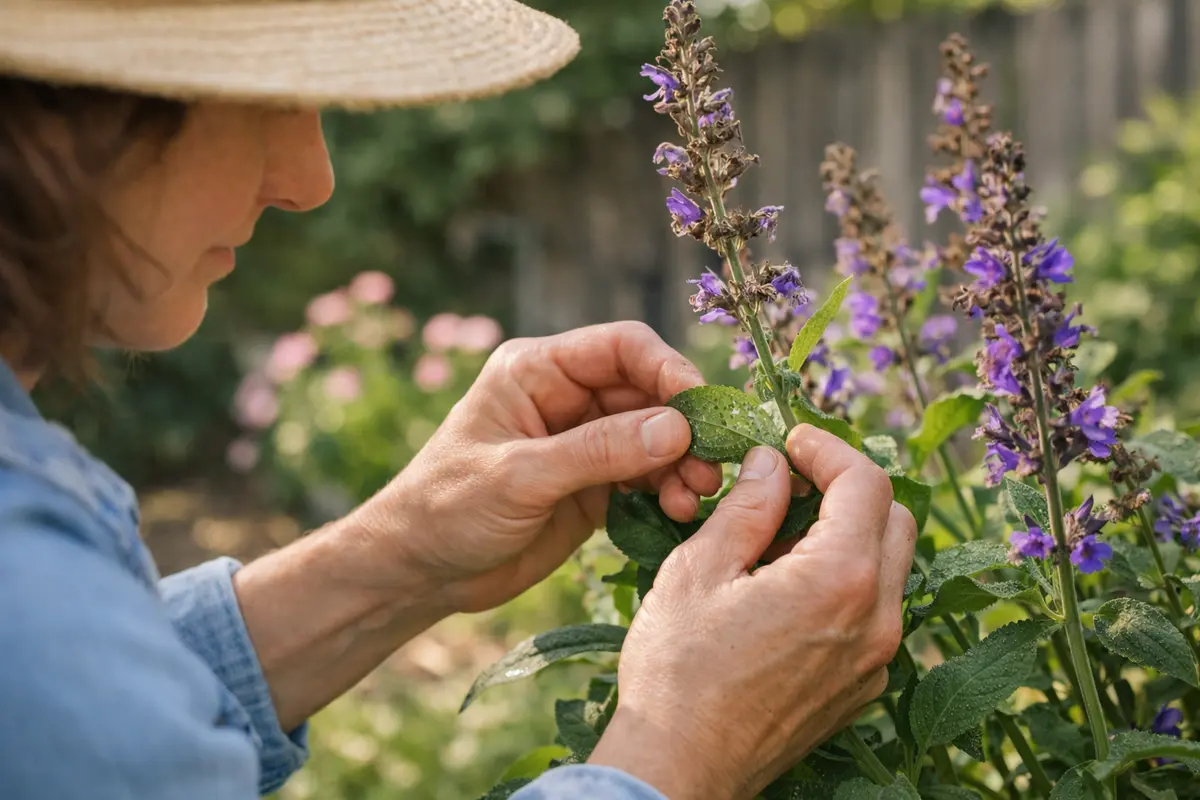
First, inspect your salvia plants for signs of aphid infestation, which may include distorted leaves, sticky residue on the foliage, and the presence of small, green or black insects. Remove any infested leaves and treat the remaining plants with a neem oil solution or insecticidal soap. You should see a reduction in aphid activity within a week, along with healthier foliage as new growth emerges.
Aphids damage salvia by feeding on the sap, which disrupts the plant’s nutrient flow and can lead to stunted growth or deformation. The symptoms arise from the disruption of photosynthesis and other vital processes due to excessive sap removal. Healthy roots will send nutrients upward, while stressed roots often fail to do so effectively, causing more significant visible issues, such as browning or wilting leaves. If your salvia leaves appear healthy but still show aphid presence, the root system might be compromised or diseased. If you are dealing with a related issue, yellowing leaves shallot covers a similar problem in detail.
If the infestation is severe or increases again despite treatment, check for underlying issues like root rot, which might manifest as blackened roots and foul odors. A healthy root structure can better support the salvia and resist pest invasions, while rotten roots invite pests to exploit weakened plants. If you find your salvia wilting with healthy leaves, then thoroughly examine the soil moisture levels to prevent overwatering.
Aphids tend to gather on vulnerable new growth due to the softer tissue that is easier to penetrate. Finding them in clusters could signal a more serious problem; therefore, treating affected areas will be crucial for preventing further spread. Additionally, if a few aphids are seen but are coupled with signs of leaf curling or wilting, it’s crucial to act quickly, as these could be signs of distress caused by environmental factors or early aphid activity. Notably, leave curling is often due to aphids feeding on the plants, which can inhibit new growth effectively.
If you observe signs of sticky residue, often referred to as “honeydew,” this indicates a heavier infestation that has not only affected your salvia but could also attract secondary pests like sooty mold or ants. In contrast, if you see hardly any aphids but notice the leaves curling, this could suggest environmental stress due to over or under-watering. Each symptom provides critical clues; thorough checking will allow you to make informed decisions on further actions. Make it a point to compare different areas on the plant; if the infestation is localized, targeted treatments can prevent it from spreading.
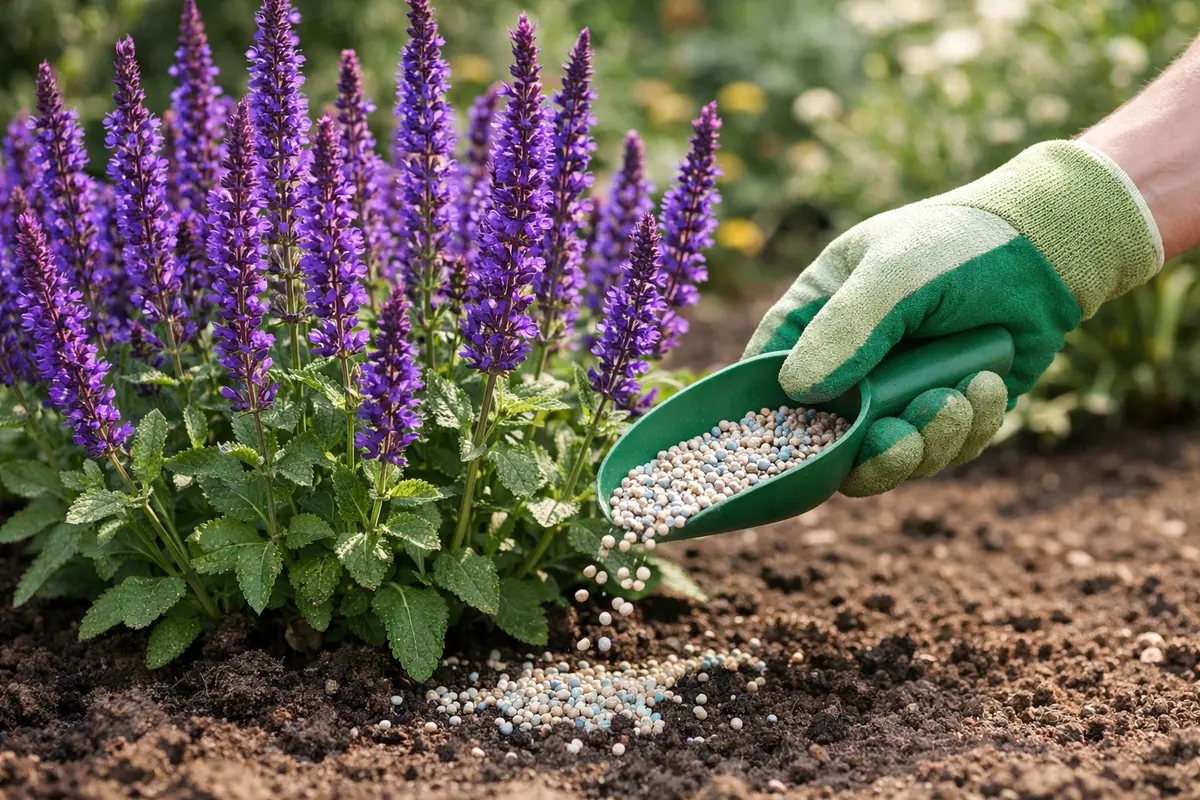
Step 3 – Fertilize Salvia to Enhance Growth Post-Bloom
Apply a solution of insecticidal soap or neem oil directly to the affected salvia plants, ensuring to cover both the upper and lower leaf surfaces. Within a week, you should notice reduced aphid activity and an increase in natural predators such as ladybugs, indicating a healthier ecosystem around your plants.
Recovery from aphid infestation on salvia typically occurs within two to three weeks, depending on environmental conditions. Healthy regrowth appears as new, vibrant leaves unfurling alongside the older ones, contrasting with the previous signs of damage like curling or yellowing leaves. If regrowth is stunted or slow, check for excessive moisture in the soil, as this can impede recovery.
Avoid the mistake of over-fertilizing during recovery, as this can lead to rapid leaf growth that attracts more aphids. If you notice discolored new growth, check soil moisture levels; overly damp conditions can exacerbate pest problems and hinder plant stabilization. A related fix is explained in prevent aphids collard if you want to compare approaches.
Providing proper nutrients not only helps in regeneration but also encourages the plant to build resilience. Healthy salvia will produce new foliage that can replace any damaged leaves, thereby restoring its beauty and vigor. Consider using a slow-release fertilizer to provide sustained nourishment over time, favoring formulations higher in nitrogen during recovery to promote lush growth. Follow-up applications one month after initial fertilization can ensure continued nutrient support.
A common mistake during recovery is over-fertilizing, which can lead to root burn or nutrient excess that further stresses the plant. It’s crucial to adhere to recommended application rates and ensure the soil is adequately moist but not waterlogged; soggy roots can inhibit nutrient absorption. Over-fertilizing often manifests as yellow-tipped leaves, while under-fertilizing could lead to stunted growth. Pay careful attention to soil moisture levels; if the soil feels overly dry, this can affect nutrient uptake, so consider adjusting watering schedules accordingly. If your first fertilizers yield poor results, re-evaluate the soil’s drainage; compacted soil can inhibit root function.
Step 4 – Apply Neem Oil to Ward Off Aphids
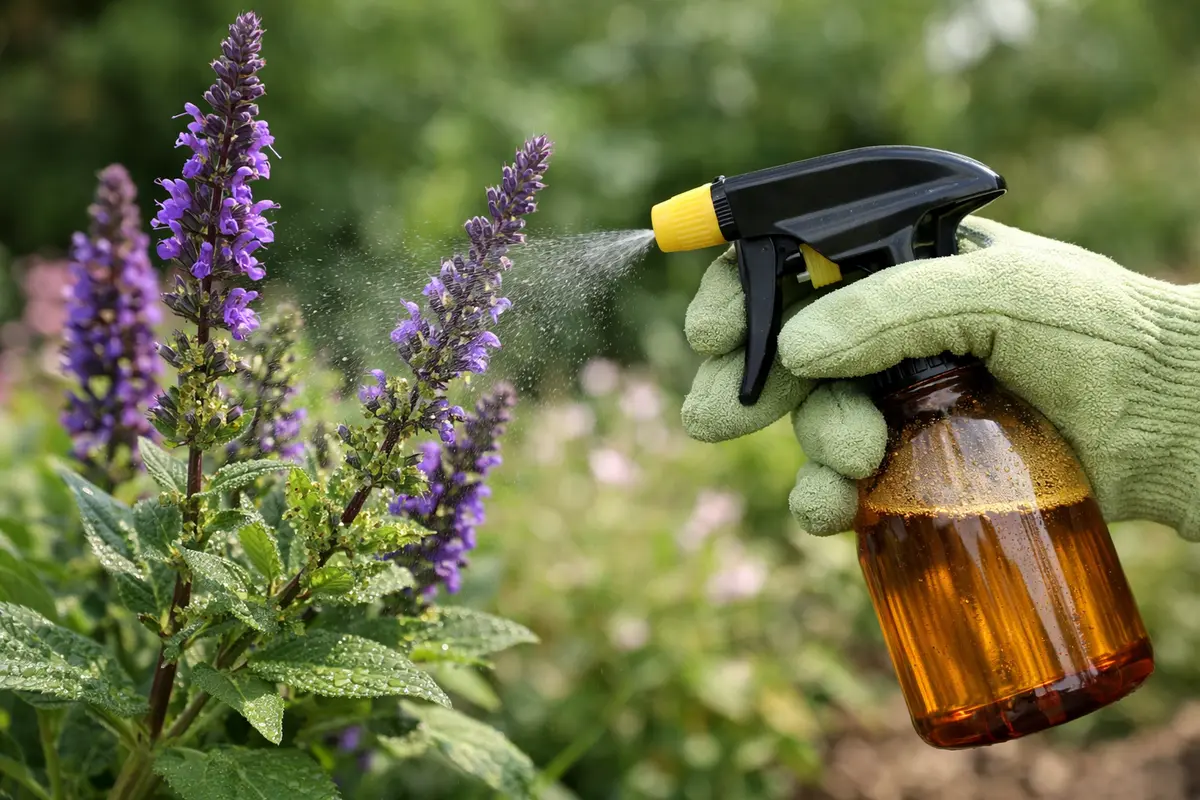
Apply neem oil as a preventative measure against future aphid infestations to maintain healthy plants. As a result, you should observe fewer sightings of aphids and a more vigorous salvia plant. Regular application will create a protective barrier for your plants, which could deter aphids and other sucking insects from settling. A recommended application rate is around 2 to 4 tablespoons of neem oil mixed per gallon of water, with an emulsifier—like dish soap—that helps the oil blend.
Neem oil is effective because it disrupts the reproductive cycle of aphids and acts as a repellent, simultaneously addressing those already present on the plant. This approach is particularly beneficial for salvia during the spring—with its increased pest activity—as it helps reduce the likelihood of significant infestations by acting early on in the season. Applying neem oil approximately every two weeks, especially after significant rain or irrigation, can enhance its effectiveness, as these conditions may wash away existing barriers.
During hot, dry weather, aphid populations can surge more rapidly, leading to repeated infestations; thus, increasing application frequency during these dry spells may prove beneficial. Nonetheless, avoid applying neem oil during the hottest part of the day to prevent leaf burn due to the oil acting like a magnifying glass under intense sunlight. Furthermore, always test a small area first to ensure the leaves do not react adversely, as excessive oil can suffocate the plant itself, especially if followed by humid weather. Take careful note of any leaf discoloration or damage from your test area before proceeding with a full application; typically, avoid plants under stress when applying any oil treatments—apply one to the remaining healthy ones and assess conditions before proceeding further. For a closely related scenario, see prevent yellowing leaves.
Step 5 – Inspect Salvia for Aphid Reappearance Weekly
Check your salvia every week for any sign of aphid reappearance, focusing particularly on new growth and leaf axils. You should observe a healthy, aphid-free plant surface without signs of deformation or sticky residue. Regular inspections will help catch any potential problems in their early stages, allowing you to intervene before a small problem turns into a more significant issue. If a healthy plant begins to show signs of leaf curling again, an immediate inspection is warranted.
A fully recovered salvia will have firm leaves, vibrant green color, and no signs of previous pest damage. If you notice curling leaves again or small black pests, it suggests that the aphid population is starting to rebound and requires immediate attention. Regularly examine not just the leaves, but also stems and flower buds, as aphids can often hide in less accessible areas. Consider keeping a log of your observations; this can help you determine if infestations are recurring and adjust treatment timings based on historical patterns observed in your garden.
If aphids return, adjust your approach by reapplying the insecticidal soap treatment and considering additional organic options like releasing beneficial insects such as ladybugs or lacewings, which naturally prey on aphids. Remaining vigilant with monitoring ensures that growth remains healthy and infestations are swiftly addressed, preventing the need for increasingly drastic control measures later. After any treatment, maintain an eye out for new insects or symptoms of distress; if multiple plants are affected, it may signify a deeper environmental issue that could require reassessment of care strategies across your entire garden.
FAQ
How long does it take for insecticidal soap to work on aphids?
Insecticidal soap typically starts showing results within a few hours to a day after application. However, it may take several days to see a significant reduction in aphid populations, especially if the infestation is heavy. Expect to observe some dead aphids within this timeframe, while also monitoring for the presence of any live ones that may require additional treatments. If you notice minimal change after a week, consider reapplying or investigating other potential contributing issues.
Can aphids spread to other plants?
Aphids can easily spread to neighboring plants as they fly and are carried by the wind. Monitoring all plants within proximity of infested salvia is essential to prevent a wider outbreak. If you find aphids on one plant, it’s a good idea to inspect surrounding plants for any signs of distress, such as yellowing leaves or wilting. Removing infested plants promptly can decrease the likelihood of infestation elsewhere in your garden.
Should I remove leaves with aphid damage?
Removing heavily infested leaves can help reduce the aphid population and give the plant a chance to recover more quickly. However, ensure you don’t remove too many leaves, as this can cause additional stress. Striking a balance is essential: removing just enough to facilitate better air circulation and light penetration while preserving the plant’s overall structure can foster recovery. If the damage is minimal, pruning may not be necessary; monitor regrowth to assess if removal is critical.