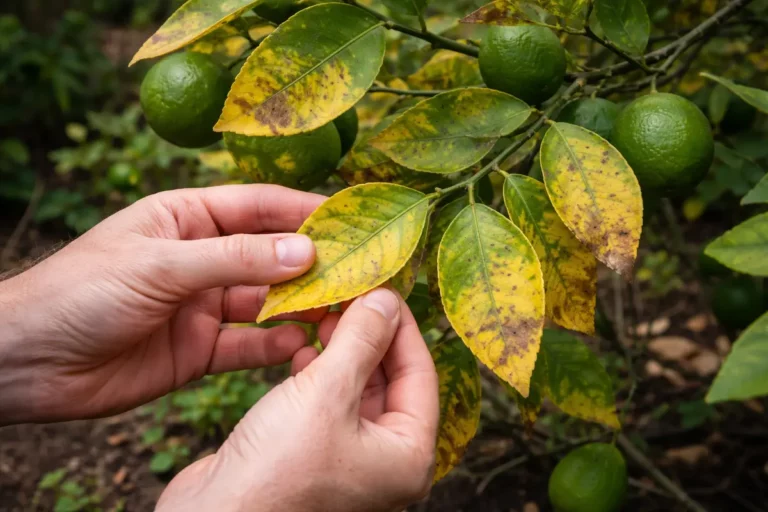
You may notice during the hot summer months that your olive tree is showing signs of distress, which is why you need to know why are my olive leaves turning yellow in summer. This yellowing often indicates stress from factors such as insufficient water, pests, or nutrient deficiencies, causing damage to the leaves. If left unaddressed, the condition can worsen, weakening the plant and leading to more damage, but you can help your olive tree by checking the soil moisture, inspecting for pests, and adjusting care practices.
Step 1 – Inspect Olive Leaves for Pests Promptly
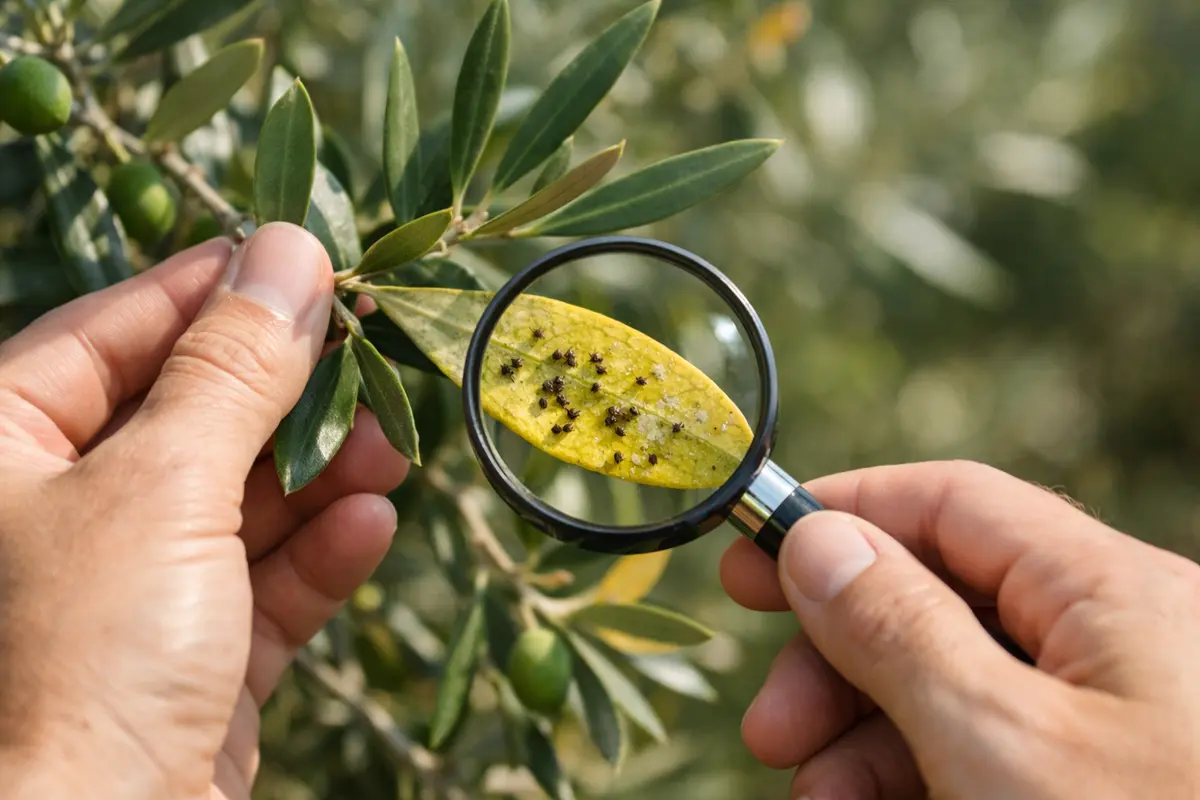
Inspect the leaves carefully for any signs of pests immediately. Look for visible insects, such as aphids, mealybugs, or webbing from spider mites, which often indicate an infestation affecting leaf health. These pests are notorious for feeding on the tree’s sap, contributing to yellowing leaves. If you detect puncture marks or curling edges, it indicates feeding damage that could be impacting the plant’s nutrient absorption and overall vitality.
Acting quickly is crucial because pests can multiply rapidly, making control increasingly difficult. For instance, aphids thrive in warm weather and can double in population within days, resulting in substantial foliage damage. If left untreated, these infestations can not only lead to unappealing yellow leaves but also hinder the plant’s ability to absorb essential nutrients effectively. The longer you wait, the worse the infestation can become, potentially leading to extensive damage and even death of the tree. Remove any affected leaves immediately when you notice pest activity to prevent their spread. If you are dealing with a related issue, yellowing leaves peace covers a similar problem in detail.
A frequent mistake is overlooking the underside of leaves, where insects often hide. If you fail to check this area, you might miss early signs of trouble, allowing the pest population to grow unchecked. Many gardeners mistakenly focus only on the upper leaf surfaces, resulting in a sudden drop of leaves when infestations escalate. Always remember: if you see any unusual blemishes, sticky residue (honeydew), or ants tending to aphids, investigate immediately as this points to a pest presence, warranting timely intervention to maintain vitality.
Step 2 – Diagnose Yellowing from Overwatering Issues
Start by checking the moisture level in the soil around your olive tree. To do this, insert your finger into the soil about two inches deep; if it feels wet, delay watering, but if it’s dry, adjust your watering schedule accordingly. Identifying the right balance is essential; you should notice the leaves regaining their vibrant green color within a couple of weeks. Regularly monitoring soil moisture prevents stress on the roots.
The yellowing of olive leaves in summer often indicates water stress. When roots are deprived of adequate moisture, they can’t absorb essential nutrients effectively, resulting in chlorosis. Conversely, overwatering can suffocate the roots, leading to a similar yellowing, creating a frustrating cycle. If the leaf edges are crisp and brown, the issue is likely a lack of water, while droopy leaves typically indicate overwatering. Both conditions represent serious concerns that need to be addressed promptly to avoid further complications.
If the soil smells sour, this suggests root rot has set in due to overwatering; in this case, immediately reduce irrigation and improve drainage. On the other hand, if you observe small pests on the leaves, the yellowing might relate more to insect damage than water, requiring different pest management strategies alongside your watering adjustments. Recognizing these differences can lead you to select the most effective remedy and resolve the yellowing issue more expediently.
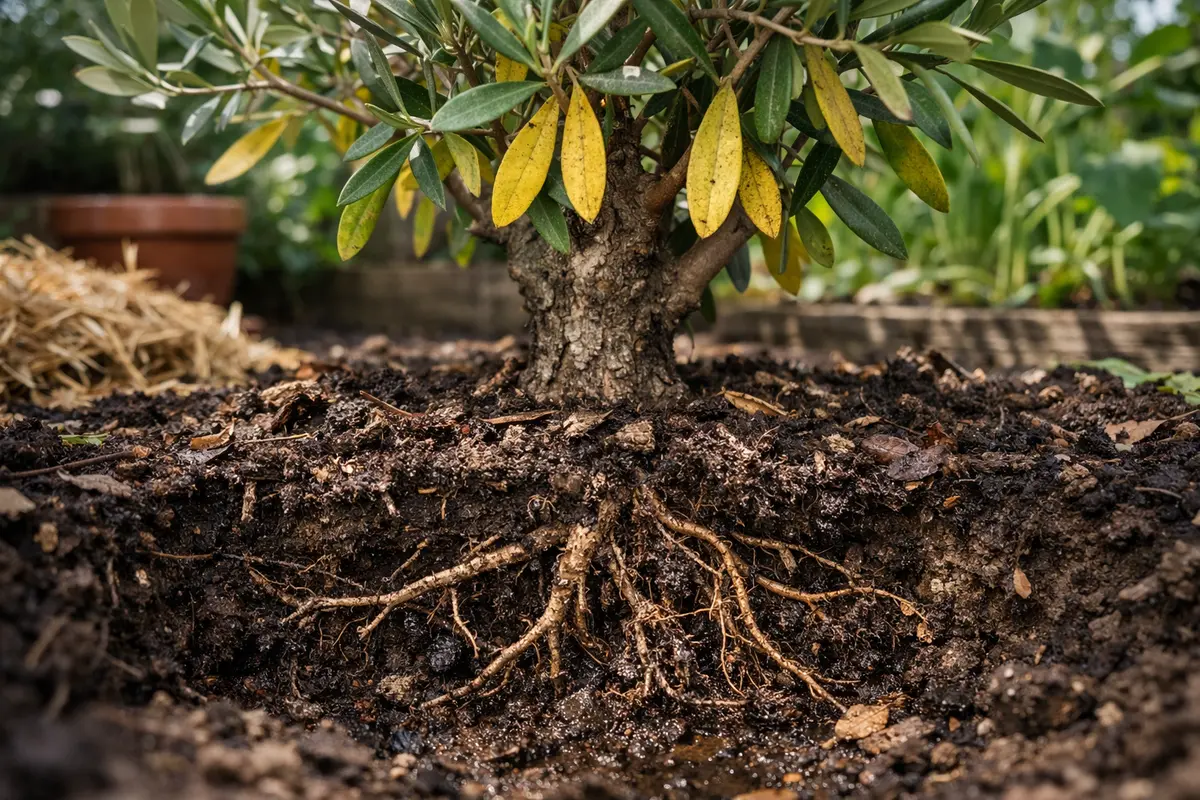
Overwatering can eventually suffocate the roots, preventing them from taking up necessary oxygen needed for healthy growth. This oxygen deficiency leads to root stress, resulting in the leaves turning yellow and potentially dropping prematurely. Olive trees thrive in well-draining soil, where excessive moisture can create similar conditions to those found in heavy clay or poorly drained areas. If you find that the soil holds water for extended periods after rainfall or watering, it typically means that you need to revise your soil management practices.
If you notice a sour odor emanating from the soil, this could signify root rot, requiring immediate corrective action. Gently aerate the soil with a gardening fork to allow air to penetrate the root zone and improve drainage. You may also need to consider repotting your olive tree using a lighter, well-draining soil mix if the problem persists. Conversely, if the soil feels unusually dry but yellowing continues, explore other potential causes such as nutrient deficiencies or pest infestations that could be impacting the tree’s overall health.
Step 3 – Nourish Soil to Encourage Olive Recovery
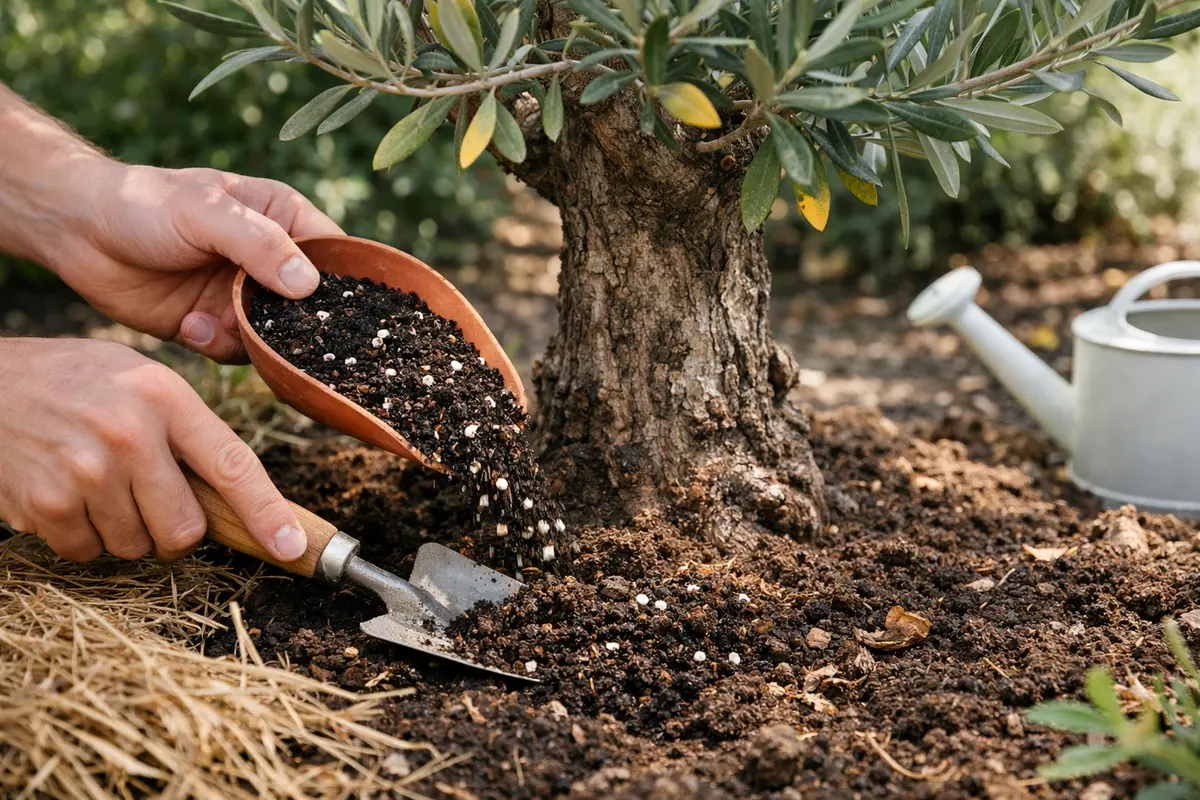
Start by adjusting your watering schedule to ensure the soil is consistently moist but not saturated. Follow this with a balanced, slow-release fertilizer at half-strength, focusing particularly on potassium and magnesium. You should observe the yellowing leaves starting to green up within a week. Monitor growth closely; vigorous green foliage indicates successful nutrient uptake.
Realistically, recovery for your olive tree can take two to four weeks depending on the severity of nutrient deficiencies or root issues. Healthy regrowth may be characterized by vibrant new shoots and leaves emerging. In contrast, stunted growth or continued yellowing could indicate a need for further adjustments. Warmer temperatures and proper soil drainage typically accelerate recovery, while excessive heat or waterlogged conditions may hinder progress, leading to delayed outcomes. Keep an eye on environmental conditions that may influence the healing process. A related fix is explained in during drought recovery if you want to compare approaches.
Avoid overcompensating with excess water or fertilizer, as this can lead to root rot or nutrient burn that worsens the yellowing leaves. If your olive tree continues to exhibit yellow leaves despite following proper care practices, check again for pests or fungal infections that may be affecting its overall resilience. Mismanagement of water and nutrients at this stage can lead to a cycle of stress that is hard to break; therefore, vigilance is crucial.
Nourishing the soil not only helps to reverse yellowing but also promotes the overall vitality of your olive tree. Fertilizer stimulates root development, allowing the plant to absorb more water and nutrients—crucial after resolving issues like overwatering or pest problems. The right fertilization technique leads to robust health; however, a common mistake during recovery is over-fertilizing. This can create salt build-up, causing root stress and worsening the yellowing leaves.
Strictly follow the manufacturer’s application instructions and closely monitor your tree’s response. If new growth stagnates or if yellowing persists after a week, consider reassessing your nutrient strategy or evaluate whether your watering habits have been adjusted properly. Understanding the tree’s specific needs will enhance recovery chances significantly.
Step 4 – Water Olive Trees During Summer Heatwaves
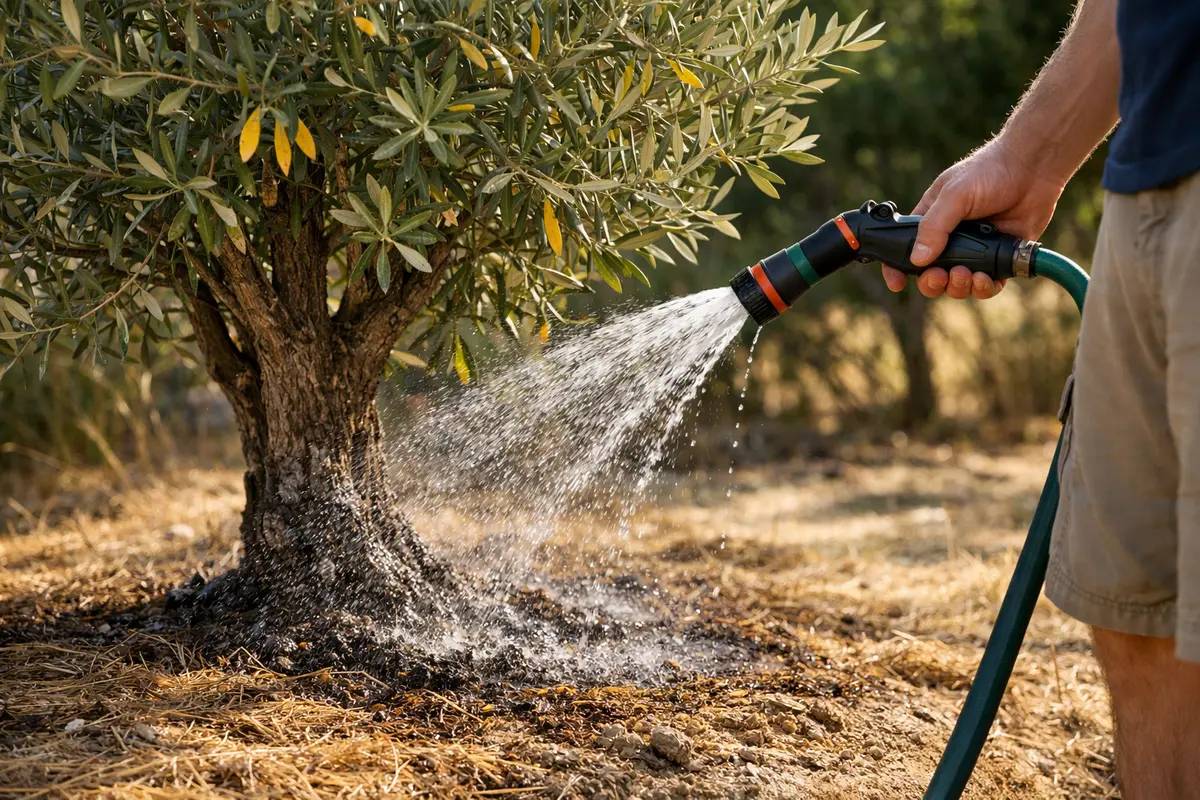
Start by adjusting your watering schedule to ensure your olive tree receives deep, thorough watering at least once a week or more frequently if temperatures exceed 90°F. This routine will help maintain consistent soil moisture, which is essential for preventing yellowing leaves caused by drought stress. The aim is to apply enough water that the soil remains moist several inches down—monitoring the top inch of soil can be your best guide.
Yellowing leaves often indicate insufficient water or nutrient levels, especially during hot summer months. Inconsistent watering leads to stressed roots, prompting leaf yellowing as the tree prioritizes survival. During heatwaves, it’s critical to establish a stable watering routine to address this root cause and ensure the tree remains hydrated and nourished throughout the heat. Excessive heat can rapidly dry out the soil and the tree’s moisture reserves, necessitating frequent checks.
If summer temperatures soar, increase your watering frequency, checking the top inch of soil for moisture before applying water. Also, apply a slow-release fertilizer designed for olive trees every few months to counteract any nutrient deficiencies that may exacerbate leaf issues. A continuous cycle of drought or inconsistent watering can create conditions that the tree struggles to recover from without timely intervention.
During hot days, the moisture in the soil plays a vital role in sustaining tree health and minimizing leaf stress. Olive trees are naturally adapted to Mediterranean climates, which include dry spells and sudden heat waves. Without proper watering, dehydration becomes a primary cause for yellowing and leaf drop, detrimental to the overall health of the plant.
Adjust your watering technique according to weather conditions throughout the summer; you might find it necessary to water every few days in high heat, but during milder weather, you can space out your watering to avoid root suffocation. This adjustment helps prevent moisture accumulation during cooler periods when the tree’s water needs decrease. Observing your tree’s leaves is essential; if they begin to curl or develop a dry appearance, it signals an urgent need to check moisture levels. Utilizing mulch can also help regulate soil temperature and hydration levels, assisting in maintaining root moisture during hot weather. You may also find weather direct sunlight useful if this problem persists.
Step 5 – Check Olive Leaves for New Yellowing Patterns
Recheck your olive leaves for any new yellowing patterns every few days. Look specifically for signs of stabilization or improvement within one week. Ideally, your trees should begin to produce new green foliage during this timeframe, indicating healthier growth as the tree continues to recover. If older yellowing leaves begin to drop naturally, this could be a normal part of the tree’s life cycle, provided that the newer growth is vibrant and healthy.
A fully recovered olive tree will exhibit vibrant green leaves and strong growth tips, signaling that it is bouncing back from earlier stressors. If you continue to observe yellowing or find that new growth appears weakened, it’s a sign that further issues may still be present, indicating a need for continued observation and intervention. If yellowing spreads or multiple branches are affected, recognize this as a sign that deeper underlying issues may be at play, potentially related to pests, environmental stressors, or diseases that require additional attention.
Should symptoms recur despite your dedicated efforts—such as persistent yellowing, wilting, or early leaf drop—consider reevaluating your overall care strategy. Consulting a professional may provide advanced solutions if you notice further decline. Additionally, monitor soil drainage practices and ensure consistent watering during hotter months to avoid relapses; maintaining these standards will be critical for your olive tree’s long-term health and resilience against changing weather conditions. Proactive checks can keep your tree on a path of consistent recovery.
FAQ
Why do my olive leaves turn yellow after heavy rain?
Heavy rain can lead to waterlogged soil, restricting oxygen to the roots and causing yellowing in the leaves. This scenario also fosters conditions conducive to root rot, which exacerbates yellowing. If this condition continues post-rain, promptly assess drainage and consider relocating the olive tree to a site with improved drainage options. Not only will this help prevent yellowing, but it will also reduce the risk of root rot, a common problem in saturated conditions.
How long does it take for olive trees to recover from yellow leaves?
Recovery can typically take approximately one to three weeks after correcting underlying issues. During this period, keep an eye out for signs such as new leaf growth and changes in color to gauge improvement in your olive tree’s health. If conditions such as overwatering or pests were effectively managed, you should begin to see positive transformations within this timeframe, leading to improved foliage quality.
Can overfertilizing lead to yellowing in olive trees?
Yes, excessive fertilization can result in salt build-up in the soil, which stresses the roots and contributes to yellowing leaves. If you notice yellowing occurring after fertilization, it’s advisable to flush the soil with water to alleviate the concentrations of salts and rectify the situation. Monitoring soil moisture levels closely after such actions is essential to prevent further overwatering issues.