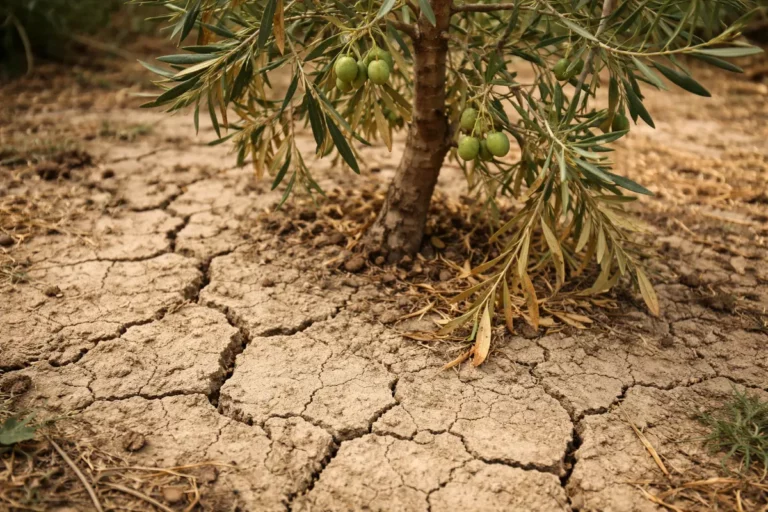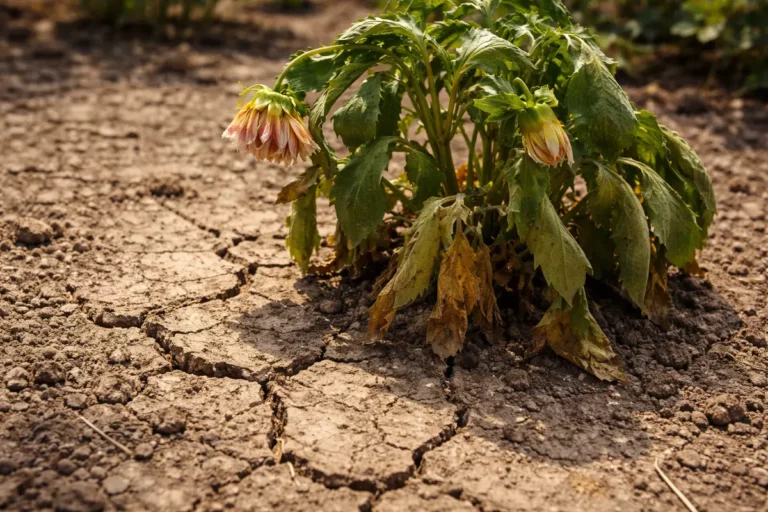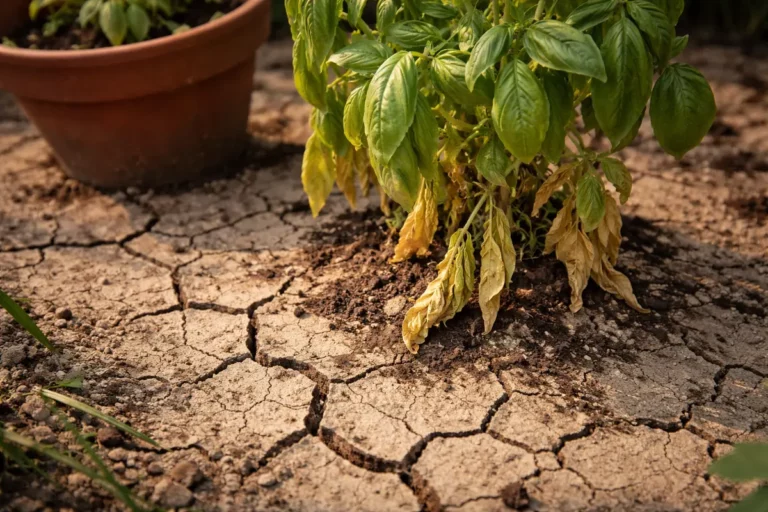
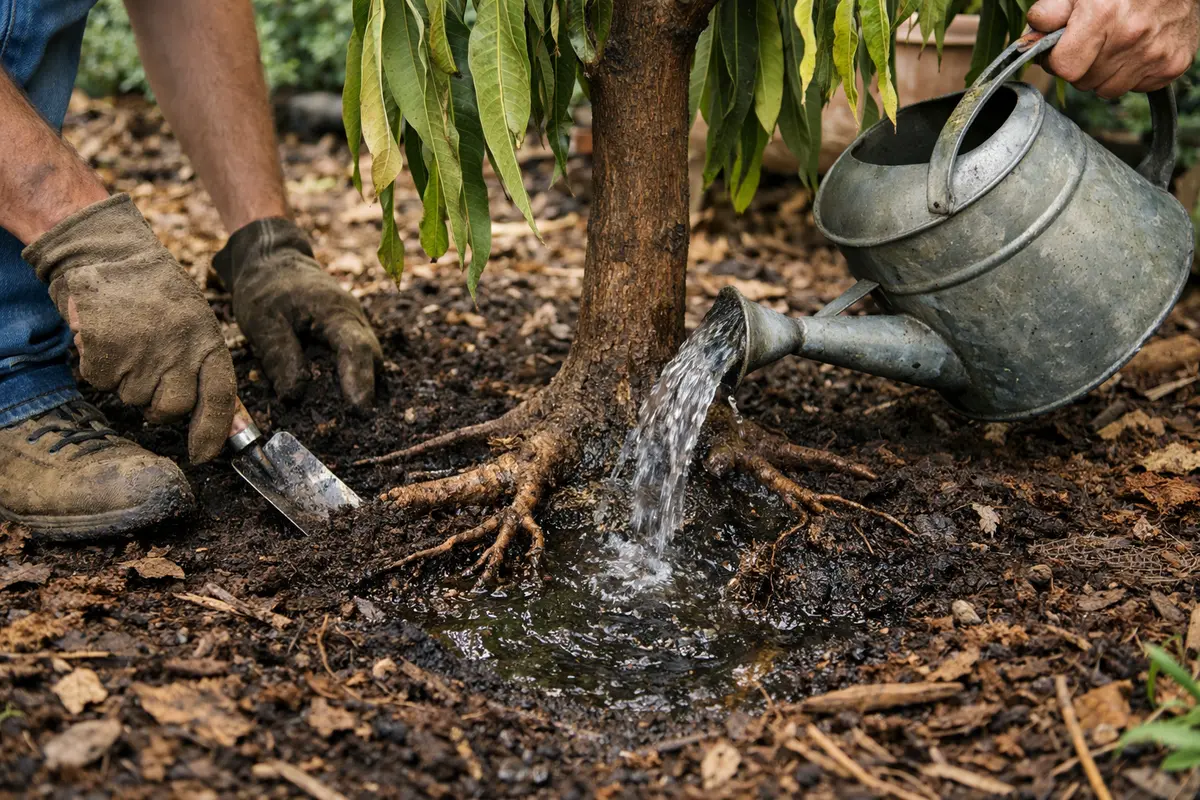
You may notice that your mango tree leaves are drooping after a prolonged drought, which is why you need to know how to fix drooping mango tree leaves after drought. This wilting often signifies that the tree is struggling to absorb enough water, leading to stress and potential leaf drop. If left unaddressed, the situation can worsen and weaken the plant, but it’s possible to improve conditions now by checking soil moisture and adjusting your watering schedule.
Step 1 – Water Your Mango Tree Immediately
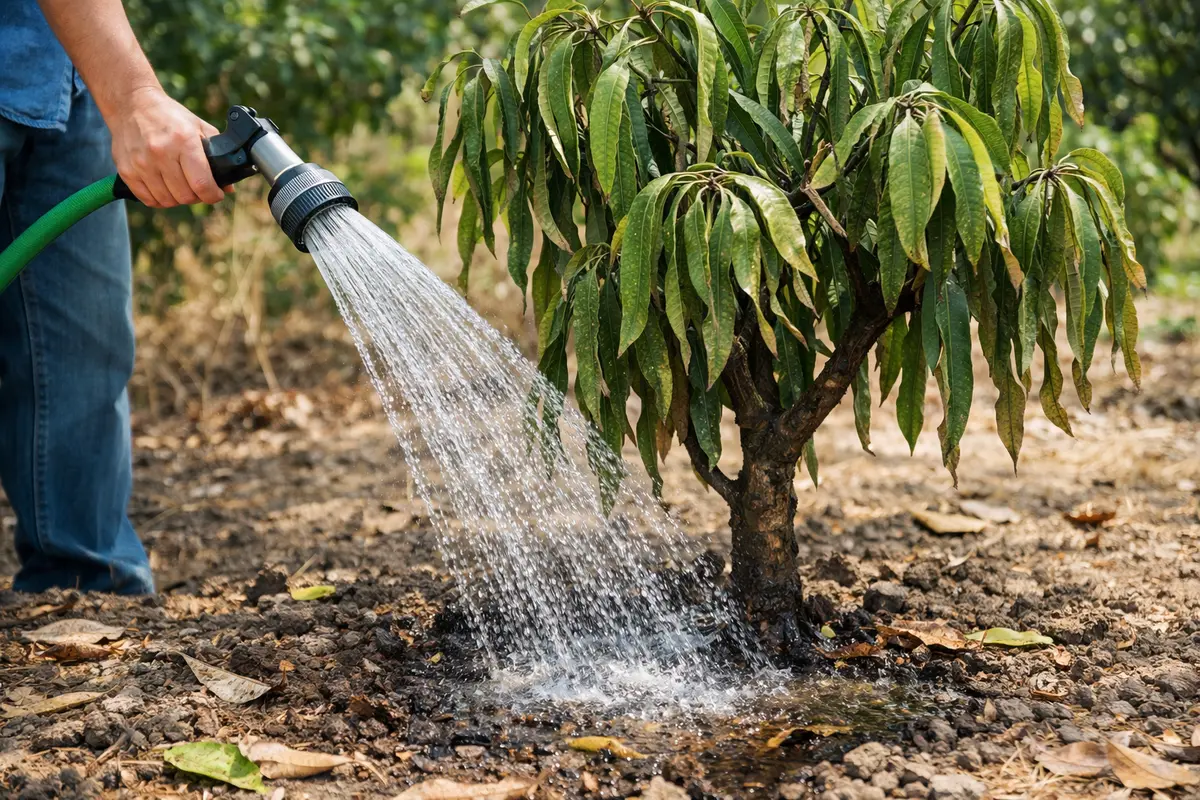
First, water the soil around your mango tree deeply to a depth of at least 12 inches to provide immediate hydration. Use a soaker hose or drip irrigation to ensure water reaches the root zone without flooding the surface. Within a few hours, you should observe the leaves beginning to perk up slightly, regaining some turgor pressure.
Acting quickly with proper irrigation is crucial, as mango trees are sensitive to both drought and overwatering that follow. If water is not supplied promptly, damaged cells in the leaves continue to lose moisture and die, leading to permanent wilting and dropping. In contrast, prompt action can rejuvenate drooping leaves, helping them to recover to their normal, vibrant state. If you are dealing with a related issue, drooping sunflower stems covers a similar problem in detail.
For instance, a gardener who immediately watered a struggling mango tree after noticing drooping leaves successfully revived the tree within days, while another who waited saw their tree’s health decline further. A frequent misstep at this stage is applying fertilizer too soon after a drought, which can stress the roots further; if leaves remain droopy despite watering, check that the roots are not waterlogged.
Deep watering helps to ensure that moisture penetrates the ground sufficiently to reach the tree’s roots, where it is desperately needed. This immediate hydration re-establishes hydration levels in the plant tissue, effectively preventing further droop and stress. Neglecting this step can lead to longer-term complications, including leaf scorch or even entire tree failure, depending on the severity of the drought.
A common mistake gardeners make is opting for a quick surface-level watering, which may not adequately reach deeper root systems that can be as deep as 18 inches or more. Instead, ensure that the soil is consistently watered to a depth of at least 12 inches for optimal root health. If the soil remains dry and hard even after watering, consider implementing a soaker hose or drip irrigation system for effective moisture penetration. Regular, deep watering is essential for improving recovery outcomes and avoiding recurrence of the drooping issue. If after watering the leaves still look droopy within 24 hours, you may need to consider other underlying issues that could be affecting water absorption.
Step 2 – Diagnose Underlying Soil Issues
Start by thoroughly examining the soil around your mango tree for moisture levels. Use a soil moisture meter or your finger to check the depth of moisture; if it’s dry beyond the top inch, water deeply at the base of the tree. After several hours, observe the leaves—if they perk up, it indicates they were suffering from lack of hydration.
The drooping leaves often result from drought stress, which occurs when the soil lacks sufficient moisture for the roots to uptake. When this happens, the plant prioritizes essential functions and may temporarily withhold water to conserve energy, leading to visible wilting. In contrast, if you notice leaves turning yellow in addition to drooping, it may suggest overwatering or root rot instead of drought stress, prompting a different treatment approach.
If the soil smells sour or has a mushy texture, indicating possible root rot, cease watering immediately and assess drainage conditions. Conversely, if the soil retains adequate moisture yet leaves remain droopy, check for pest infestations or nutrient deficiencies that could also affect the leaves’ turgidity.
Compacted soil restricts proper moisture absorption and exacerbates drooping leaves; therefore, evaluating soil texture is critical. Check for drainage issues that might cause waterlogging, indicated by areas where water pools, which can suffocate roots and contribute to poor health. A simple test for drainage can be done by pouring about a quart of water into the soil; good drainage will allow the water to disappear in less than 30 minutes. If it takes significantly longer, drainage amendments like sand or compost are needed to break up the soil and enhance water flow.
If the soil emits a sour smell or has an oily texture, it may be imperative to amend the soil with organic matter, such as compost, to improve its structure and drainage. In contrast, if the soil appears very dry but drains well, it may just need consistent watering. If you determine any signs of compaction, such as a hard, crusty top layer despite deep watering, aerate the soil using a garden fork or aeration tool. Adjust your watering frequency based on the specific conditions you observe; for instance, if the soil remains consistently wet post-watering, you may need to reduce your watering schedule or consider implementing better drainage practices.
Step 3 – Test Soil Moisture for Leaf Drooping
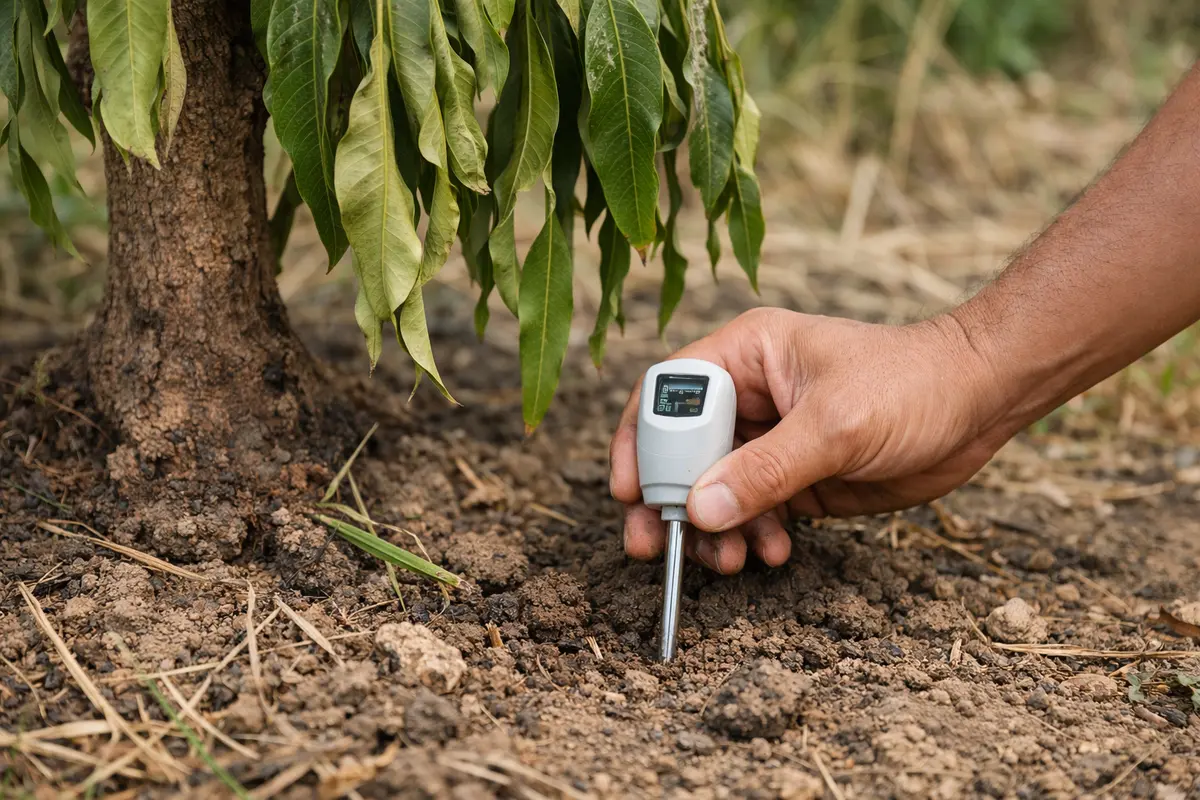
Check the soil moisture using a soil moisture meter or by digging down a few inches with your finger to assess the moisture level. You should clearly identify whether the soil is dry, adequately moist, or overly waterlogged. This moisture assessment can provide you with immediate insights into the drought stress affecting your mango tree.
If the moisture level is low, it confirms that the drooping of leaves is directly related to drought stress. In contrast, if the soil feels overly wet and spongy, this may indicate root rot from overwatering, presenting symptoms that look similar to drought stress, such as yellowing leaves. Differentiating these moisture-related issues is critical for successful treatment. If the soil is dry, immediate action should be taken to hydrate the plant; if it is overly saturated, consider halting all watering and allowing the soil to dry out.
If you’re unsure about the moisture status, allow the soil to sit for a day after watering and then re-test it. Observing the tree’s health during this phase—checking for subtle changes in droopiness or leaf color—can help verify if additional adjustments are needed. During this period, skin texture and coloration of leaves should be monitored; if leaves maintain a yellow-gray color consistently, there may be additional stress factors at play, thus necessitating further investigation into other potential causes such as pest infestations or diseases.
Step 4 – Feed Your Mango Tree to Aid Recovery
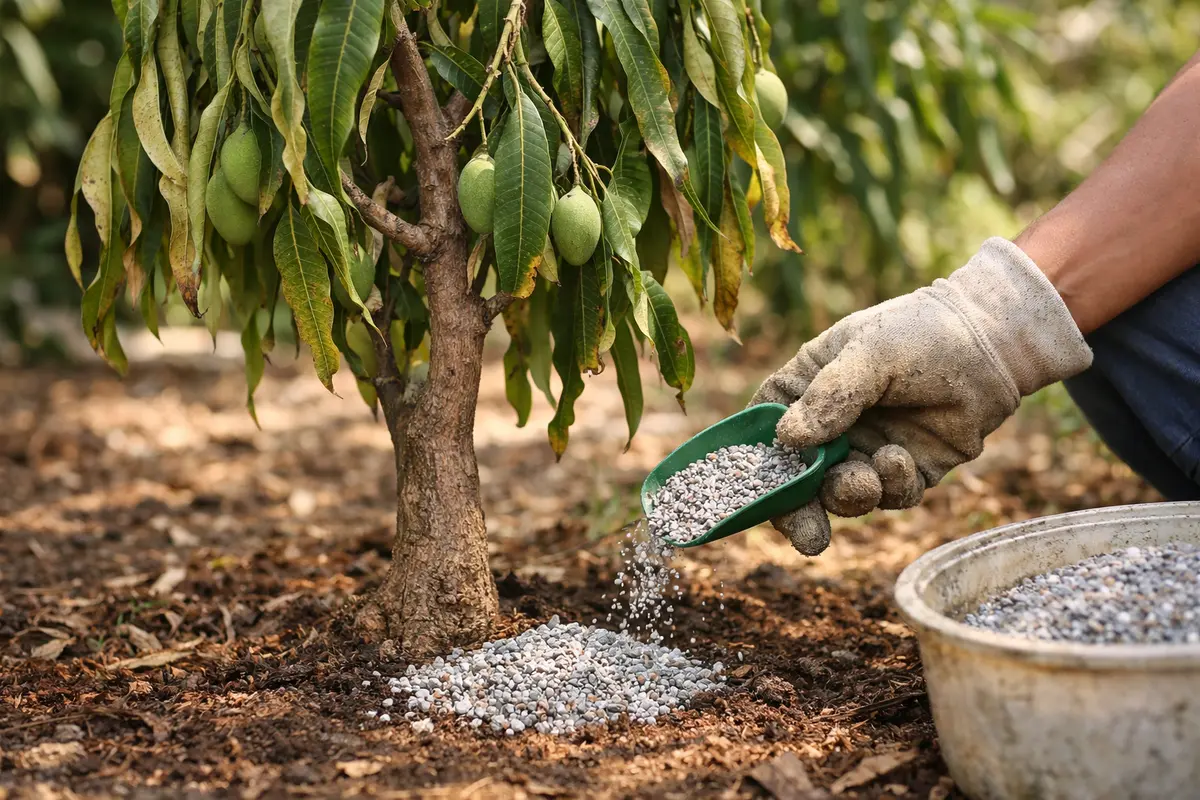
Apply a balanced, slow-release fertilizer to nourish your mango tree as it recovers from drought. You should begin to observe new leaf growth within approximately 14 to 21 days after application. This critical timeframe will indicate the fertilizer’s effectiveness in restoring vital nutrients to the soil and plant.
Fertilizers boost nutrient uptake, helping to maximize recovery after drought stress has been effectively managed. They can replenish essential nutrients, like nitrogen and potassium, that might have been depleted during the dry period and encourage healthy new growth. It’s essential to distribute the fertilizer evenly around the tree’s drip line to ensure comprehensive root absorption; this practice supports not only the recovery process but also long-term growth.
However, avoid over-fertilizing, as applying too much can lead to salt buildup, further stressing the plant. It’s best to follow the recommended dosage on the fertilizer label, typically around 1 to 2 tablespoons per foot of tree height. Monitor the tree’s response: if you notice leaf tips turning brown—often referred to as “fertilizer burn”—that indicates nutrient burn from excessive fertilization, signaling the need to adjust your fertilization efforts downward or switch to a milder, more organic product. In cases of fertilization problems, diminishing nutrient levels in the soil may manifest as stunted growth or reduced leaf size, indicating that you may need to consider annual soil amendments along with regular fertilization practices.
Step 5 – Water Mango Tree Regularly During Drought
Start by ensuring your mango tree receives consistent watering, applying at least 1-2 inches of water per week. This regular moisture will promote the tree’s resilience and lead to upright, healthy leaves within a few weeks.
Environmental conditions such as prolonged drought and extreme heat can trigger leaf drooping as the tree conserves water. By establishing a steady watering routine, the roots remain hydrated, preventing the stress that leads to drooping leaf symptoms. In contrast, if your tree is overwatered or in poorly drained soil, drooping can also occur, signaling root rot instead.
During the dry season, increase watering frequency and apply a layer of mulch around the base of the tree to retain moisture longer. In addition, during sudden heat waves, adjust your watering schedule to twice a week, especially if temperatures rise significantly.
Sticking to a consistent watering routine can effectively protect your mango tree from the adverse effects of drought. Particularly during dry seasons, frequent watering helps maintain soil moisture levels, which supports root health and overall tree growth. As the weather changes, adjust the watering volume: during hot summer months, increase the watering frequency to ensure that root systems receive adequate hydration, whereas in cooler months, you can afford to reduce frequency.
During summer, the mango tree may need watering up to twice a week if conditions are excessively dry, showing initial signs of wilting or drooping. In contrast, during autumn and winter, you can reduce to watering once every 10 days based on rainfall and soil moisture retention. Always check the soil’s moisture level to avoid both overwatering and underwatering; if you’re unsure about the correct amounts, consider using mulch to help retain soil moisture and reduce the frequency of watering without depriving roots. Mulch can also aid in temperature moderation and weed suppression, creating a more favorable environment for growth.
Step 6 – Check Leaves for New Growth Signs
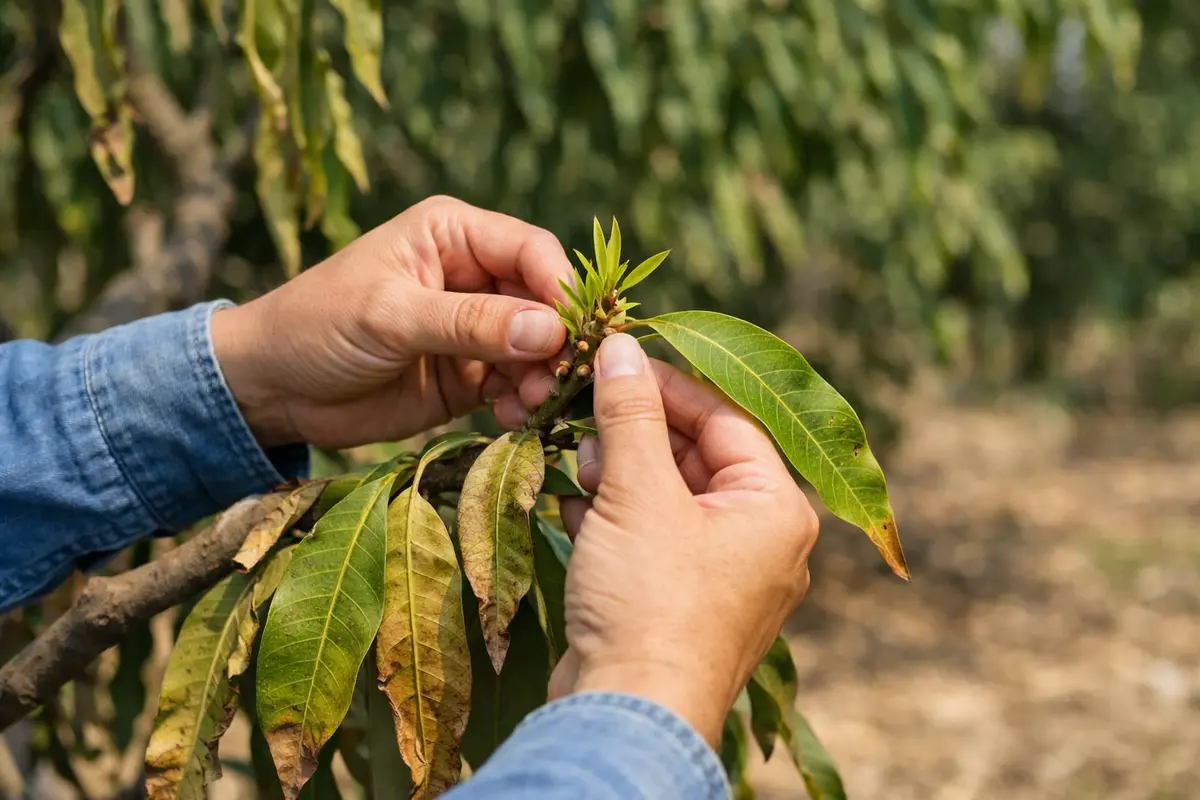
Start by checking the soil moisture around the base of your mango tree to determine if it is adequately hydrated. Observe the color and texture of the leaves; they should feel slightly firm and not shriveled. Recheck the soil’s moisture levels every few days, as the recovery process can vary based on environmental conditions.
A fully recovered mango tree will feature vibrant, glossy leaves that stand upright, signaling their hydration status. In contrast, if the early signs of drooping return, leaves may appear dull and limp. If you see leaf tips turning brown while still feeling soft, this indicates the tree may still be stressed and requires closer attention.
If the drooping persists despite maintaining proper watering practices, then consider adjusting the watering strategy, ensuring the tree receives deep watering rather than shallow amounts. If not this, check for signs of root rot, which can occur in overly saturated soil and may require immediate intervention.
Condition checks should include observing leaf firmness; healthy leaves should feel rigid and robust rather than limp and droopy. If the leaves begin to green up and feel firmer to the touch, it indicates the tree is effectively bouncing back from stress and re-establishing itself. Conversely, if drooping or discoloration persists beyond one month of dedicated care, it may signal an underlying issue that necessitates further investigation into possible disease or pest damage.
If recovery seems stunted, consider reassessing the watering routine and soil conditions. Pests, such as spider mites or scale insects, may take advantage of the tree’s weakened state, hindering recovery. Investigating any visible signs of pests, damaged leaves, or webbing can prompt you to implement corrective measures quickly. Establishing a robust monitoring plan, including regular inspections of foliage and soil health, can significantly increase the chances of a successful recovery and enhance long-term resilience against future stresses.
FAQ
How long does it take for drooping mango tree leaves to recover?
The recovery timeline for a mango tree’s drooping leaves can vary, but improvements may start to manifest within one to three weeks after implementing proper watering and care. Factors influencing recovery include soil type, tree maturity, local climate conditions, and the extent of prior stress. Close monitoring during this period is crucial to assess recovery accurately.
Can drought stress on mango trees lead to permanent damage?
Yes, prolonged drought stress can lead to irreversible damage, including branch dieback, poor fruit yield, and stunted growth. Regular monitoring and immediate action during these critical periods are essential to mitigate severe impacts and promote tree resilience against environmental stresses. If persistent damage is observed, it may indicate the need for consultation with a local arborist.
Should I prune drooping leaves from my mango tree?
Pruning drooping or dead leaves can help improve airflow and focus the tree’s energy on healthy parts. However, only remove drastically damaged leaves so as not to stress the plant further; aim to maintain enough foliage to support photosynthesis crucial for recovery. It’s important to use clean, sharp tools to prevent introducing any disease or additional stress to the plant during the pruning process.