
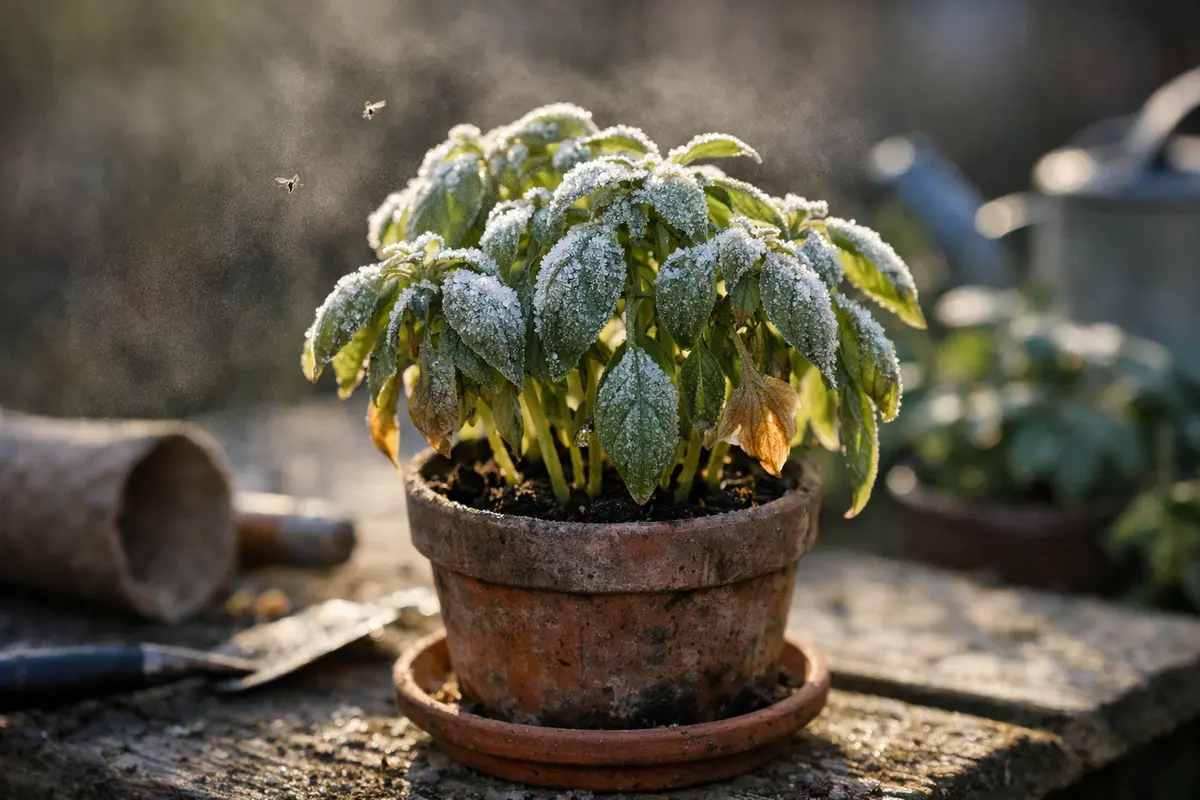
You may notice tiny flying insects around your indoor herb garden when the humidity is high, a clear sign that you need to know how to stop fungus gnat infestations in indoor herbs. These pests can cause yellowing leaves and wilting, as their larvae feed on the roots and create damage. If ignored, the infestation gets worse and weakens the plant, making it harder to fix, but you can act now to remove the gnats, inspect your plants, and improve their health.
Step 1 – Scoop Out Infested Soil from Pots
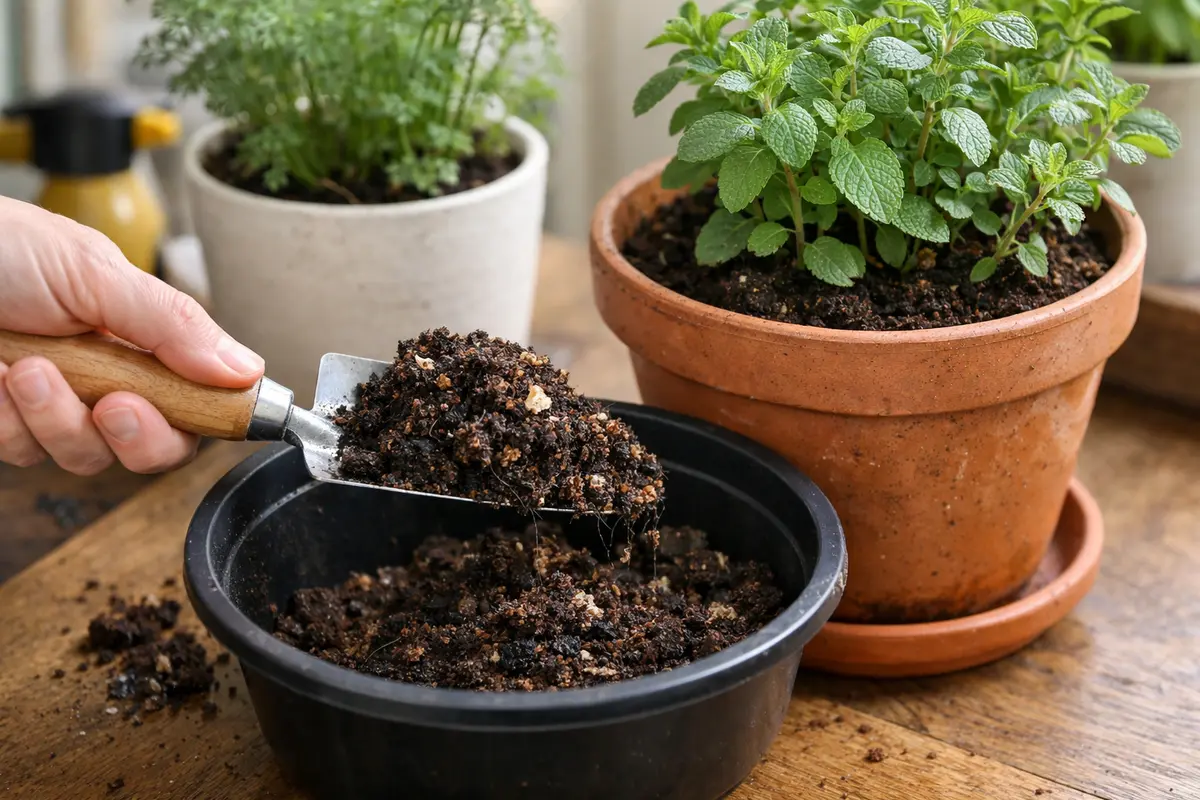
Start by carefully removing the top layer of soil from the affected pots. Aim to scoop out at least the top 1-2 inches of soil, which will disrupt the gnat’s breeding ground. Within a few hours, you should see a noticeable reduction in gnat activity, as this action eliminates a significant portion of their larvae. If you see fewer adult gnats flying around the plants within 24-48 hours after this action, your initial treatment is effective.
Immediate action is crucial because fungus gnats thrive in moist environments. By scooping out the top layer, you’re eliminating their larvae, which typically congregate in the upper soil. If you delay this step, the population can explode, leading to more significant damage to your herbs’ roots and overall health. Even a week’s delay could result in rapid reproduction, with female gnats laying hundreds of eggs. Without intervention, the life cycle of the gnats can continue whether you notice them or not, slowly weakening your plants and making them more susceptible to diseases. If you are dealing with a related issue, indoor plants during covers a similar problem in detail.
A common mistake at this stage is to disregard the importance of proper disposal. Ensure that you discard the infested soil at least 10 feet away from any plants to prevent re-infestation. Leaving the soil too wet afterward can prompt the gnats to return quickly; make sure to address any drainage issues in the following steps. If you notice a damp smell in the remaining soil after removal, it’s a clear indicator that more action is needed immediately. This odor signifies anaerobic conditions which could lead to root rot, compounding the existing pest problem.
Step 2 – Diagnose Drainage Issues in Herb Planters
Start by adjusting your watering habits to ensure the soil remains slightly moist but never waterlogged. This immediate change will help reduce the breeding ground for fungus gnats, and you should notice a decrease in adult gnats flying around your indoor herbs within a week.
Fungus gnats thrive in overly damp conditions where organic matter breaks down, allowing their larvae to develop in the soil. If your soil stays excessively wet, it creates an ideal environment for these pests, resulting in visible wriggling larvae and damaged roots. If you notice a sticky residue on the soil surface or a foul smell, these signs indicate excessive decomposition due to anaerobic conditions, which can further attract gnats.
If your soil smells sour, check the drainage of your pots and consider switching to a well-aerated potting mix. Alternatively, if you find your herbs have healthy, green foliage but still see gnats, inspect for overly dense fertilizer accumulation that may be retaining moisture, leading to similar pest conditions.
Identifying drainage issues is essential; stagnant water creates a perfect breeding ground for fungus gnats. If your pots lack adequate drainage holes or if the soil is too dense, such as clay-heavy soil that retains water, moisture will not evaporate properly, leading to gnat infestations. Observe the bottom of the pots too; if there are water puddles standing under them, it confirms that drainage is insufficient and should be remedied promptly. Additionally, if you can lift the pot and feel its weight, an unusually heavy sensation suggests excessive water retention.
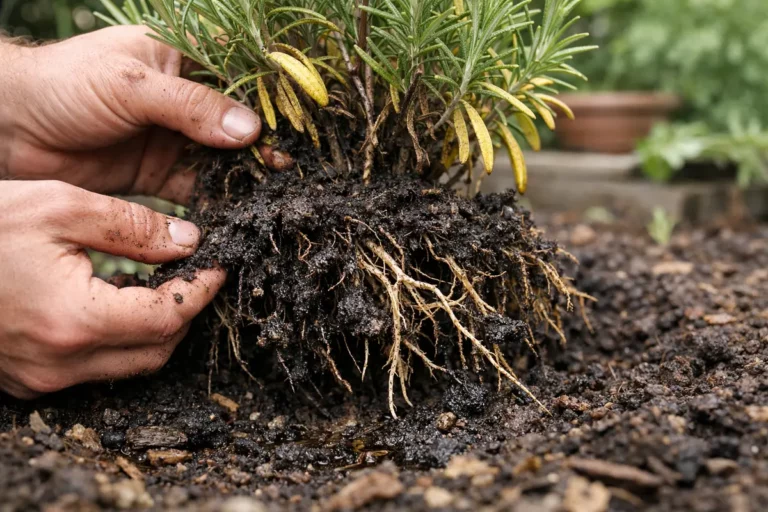
If you find that your soil has a sour odor, it indicates poor aeration and anaerobic conditions, which can lead to root rot. Consider repotting your herbs into a lighter, well-draining soil mix, ideally one containing perlite or vermiculite, and using pots with sufficient drainage holes. If the problem persists despite these changes, you may need to adjust your watering routine; allowing the soil to dry thoroughly between watering sessions can balance moisture levels. Be wary of excess moisture again after re-potting; monitor root health closely for signs of distress. A failure to improve drainage can lead to an ongoing cycle of infestation, forcing you to repeat the earlier steps.
Step 3 – Apply Natural Remedies for Herb Recovery
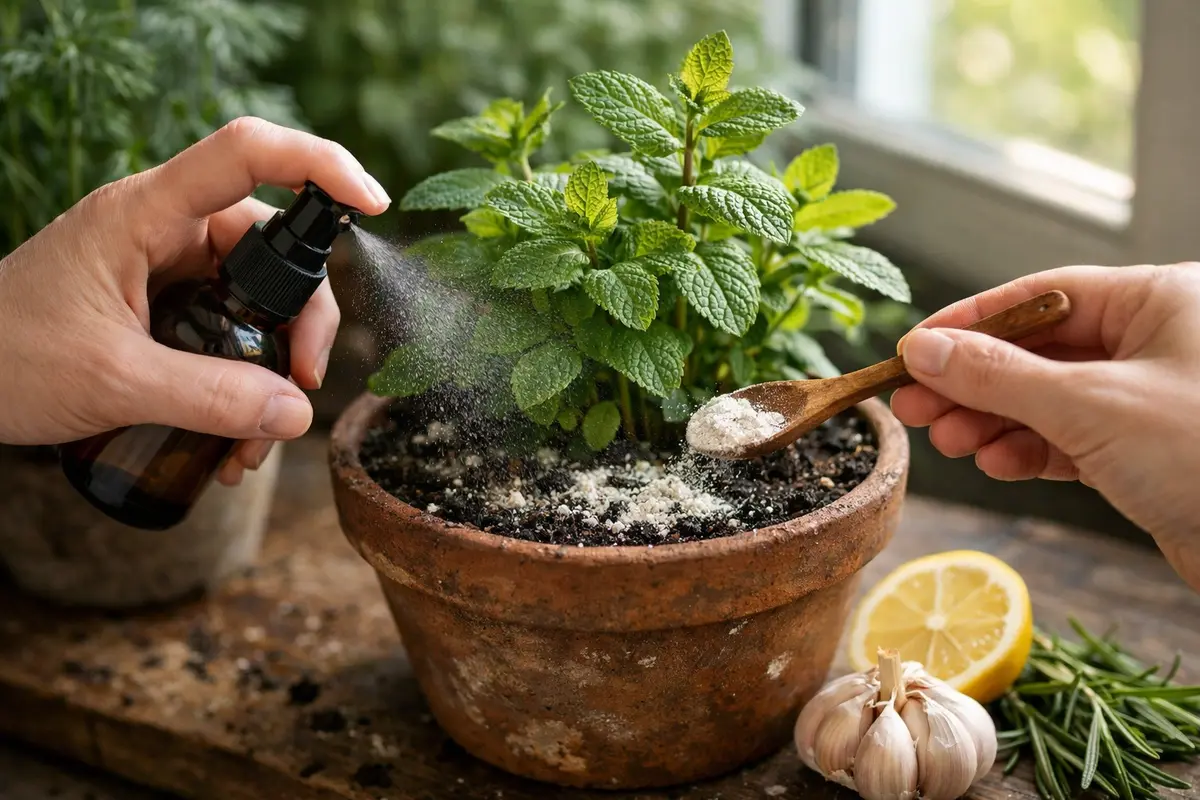
Apply a diluted hydrogen peroxide solution (mix 1 part hydrogen peroxide to 4 parts water) directly to the soil to help eliminate any remaining larvae and promote recovery. You should start seeing signs of healthier, perkier leaves within a few days, as the treatment fosters a healthier root environment. Initially, watch for any signs of wilting; a bounce-back response indicates the treatment was beneficial.
Hydrogen peroxide introduces oxygen into the soil, which encourages root health while killing larval pests. This treatment is effective because fungus gnats cannot survive in the presence of oxygen; they will likely be reduced significantly after just one application. Observe that the soil shouldn’t remain soggy; a saturated state can counteract the benefits of the treatment, potentially leading to root rot. For best results, repeat the hydrogen peroxide application once every week until a notable reduction in insect activity is seen.
One common error in recovery is over-fertilizing the plants, thinking they need a boost while they are recovering. Stick to a light feeding regimen, waiting until the herbs show consistent new growth before resuming your normal fertilization schedule. If you notice leaves wilting again or yellowing after applying remedies, cut back on watering and check for ongoing pest issues. Over-fertilization can contribute to additional stress and susceptibility to pests. If the solution you’ve applied seems to cause further decline, consider halting any topical treatments and giving the plants a day or two to recover before reassessing their needs. Conduct a thorough visual inspection to pinpoint sugars or additional residues left behind in the soil that might attract more gnats. A related fix is explained in yellowing leaves peace if you want to compare approaches.
Step 4 – Water Indoor Herbs Sparingly to Deter Gnats
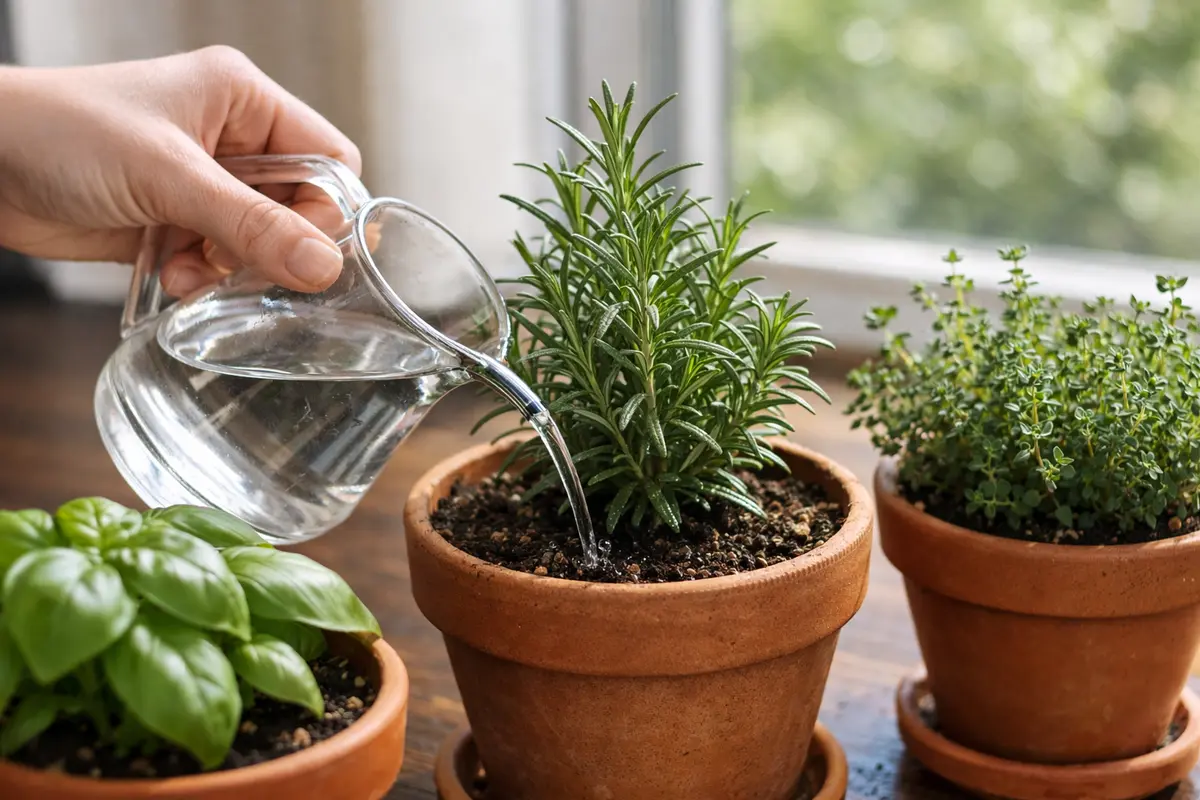
Adjust your watering routine by ensuring that you only water your indoor herbs when the top inch of soil feels dry to the touch. This method will create unfavorable conditions for fungus gnats by significantly reducing moisture levels where they are most likely to breed. Set a reminder to check soil moisture levels every 3-5 days, especially after watering, to establish a consistent routine.
Consistent overwatering is a primary factor behind gnat problems, as wet soil encourages their life cycle to thrive. A simple check is to insert your finger into the soil up to the first knuckle; if it feels moist, it’s time to hold off on watering. Establishing this more balanced moisture level will not only promote healthy root systems but also deter gnats from returning. If you tend to overwater, consider designing a watering schedule that only allows for moisture absorption when necessary. As a fallback, utilizing self-watering pots with an indicator can help you maintain consistent monitoring. For a closely related scenario, see watering humid weather.
In warmer months, monitor your herbs more closely, as evaporation rates increase; however, in winter, your herbs may need less water due to reduced light levels, which means their growth slows. Further, if you live in a humid environment, consider using fans to help circulate air around your plants and promote quicker drying of the soil surface. If soil remains consistently wet for too long, this can create an inviting environment for gnats to return. Evaluate air circulation conditions, and if stagnant, introduce a fan to dry the upper soil layer faster.
Step 5 – Check Soil Surface for New Gnat Activity
Start by checking the top inch of the soil in your herb pots weekly for dampness. Use your finger to feel the moisture levels; if the soil feels consistently wet, it may indicate over-watering, promoting fungus gnat growth. Recheck every week to adjust your watering schedule and observe for any adult gnats hovering above the soil or flying around the plants.
A fully recovered plant showcases vibrant, green leaves and strong growth without signs of wilting or yellowing. In contrast, early signs of a returning problem include stunted growth or leaf discoloration, with some leaves becoming slimy to touch due to root damage. If you notice these symptoms, quickly reassess your watering practices; if the soil still feels soggy, it’s a clear indicator of an issue.
If the problem returns despite following steps, escalate by introducing beneficial nematodes to your soil to target gnat larvae. Additionally, ensure you’re using well-draining soil to avoid excess moisture. If the infestation persists, consider repotting the plants in fresh soil and using sticky traps to catch adult gnats.
A fully recovered herb plant will show vibrant, green leaves and exhibit new growth signs, with no gnat activity near the soil surface; this direct comparison against initial symptoms, such as wrinkled or drooping leaves, will provide critical feedback on your plant’s health and moisture balance. Regular monitoring will empower you to catch any potential re-infestations early, allowing the plants to remain healthy. The gnats typically return in cycles, so consistent vigilance is necessary for continued success. Remember that larvae can remain in the soil unnoticed, so staying proactive is essential.
If you find that the problem persists despite your interventions, consider adding beneficial nematodes to the soil; these microscopic organisms can effectively help control gnat populations. Adding a bag of nematodes to the soil can introduce a biocontrol agent that disrupts the gnat life cycle without harming your plants. Alternatively, you might want to repot the affected herbs again, ensuring you use fresh, well-draining soil to reduce the risk of another infestation. Be aware that frequent disturbances of your plants’ environments can stress them, so try to give them time to stabilize after each intervention. After several rounds of treatment without improvement, consulting a gardening professional may be warranted to explore advanced pest management strategies.
FAQ
How long does it take to get rid of fungus gnats?
Eliminating fungus gnats can take anywhere from a few days to a few weeks, depending on how quickly you implement solutions. Consistently checking and adjusting watering practices, along with treatments like hydrogen peroxide and beneficial nematodes, will significantly speed up the process. Ensure your indoor herbs have healthy drainage and air circulation for the best chance at recovery; neglecting these factors may prolong the process.
Can fungus gnats spread to other plants?
Yes, fungus gnats can easily spread to nearby plants, especially if they are in close proximity. The adults can fly and lay eggs in new soil, which is why taking rapid action at the first signs of infestation is crucial in preventing the spread to other herbs or plants. Implementing preventative measures early guards your entire indoor garden; this includes ensuring all new plants are inspected before introduction to your indoor space.
Should I remove affected parts of my herbs?
Removing damaged or infested leaves can be beneficial to the plant’s recovery, as it redirects energy towards healthier growth and decreases potential harboring spots for pests. However, be cautious not to over-prune; herbs need sufficient foliage to photosynthesize effectively. Assess the overall health of each plant; if only a few leaves are afflicted, trimming those is sufficient, but if whole sections are impacted, more careful assessment and potential repotting may be warranted for renewed vigor and balance.