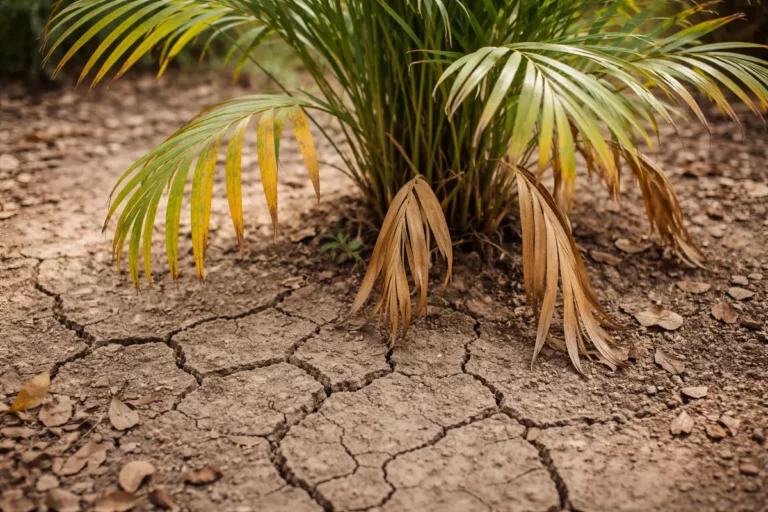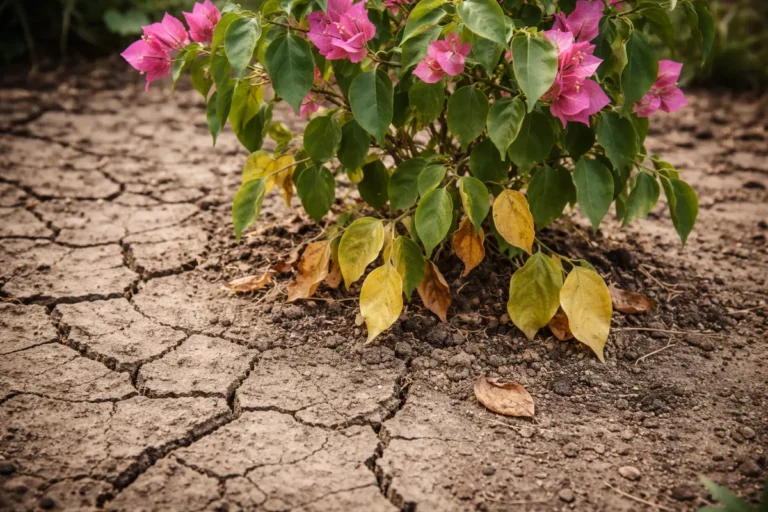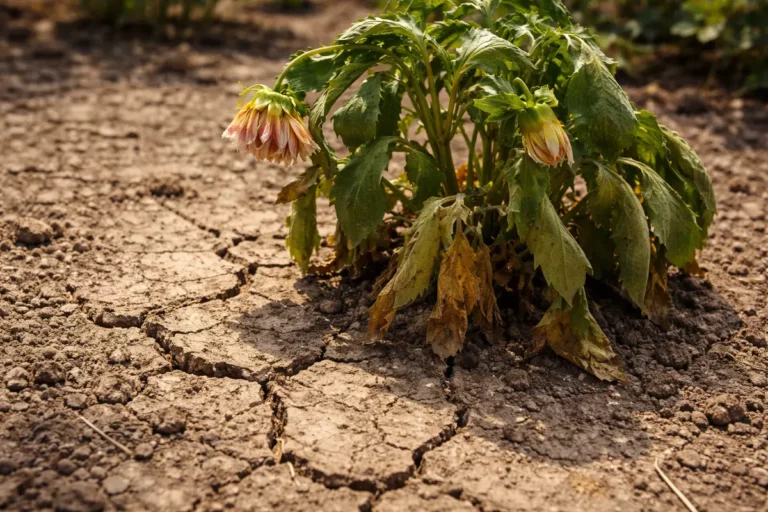
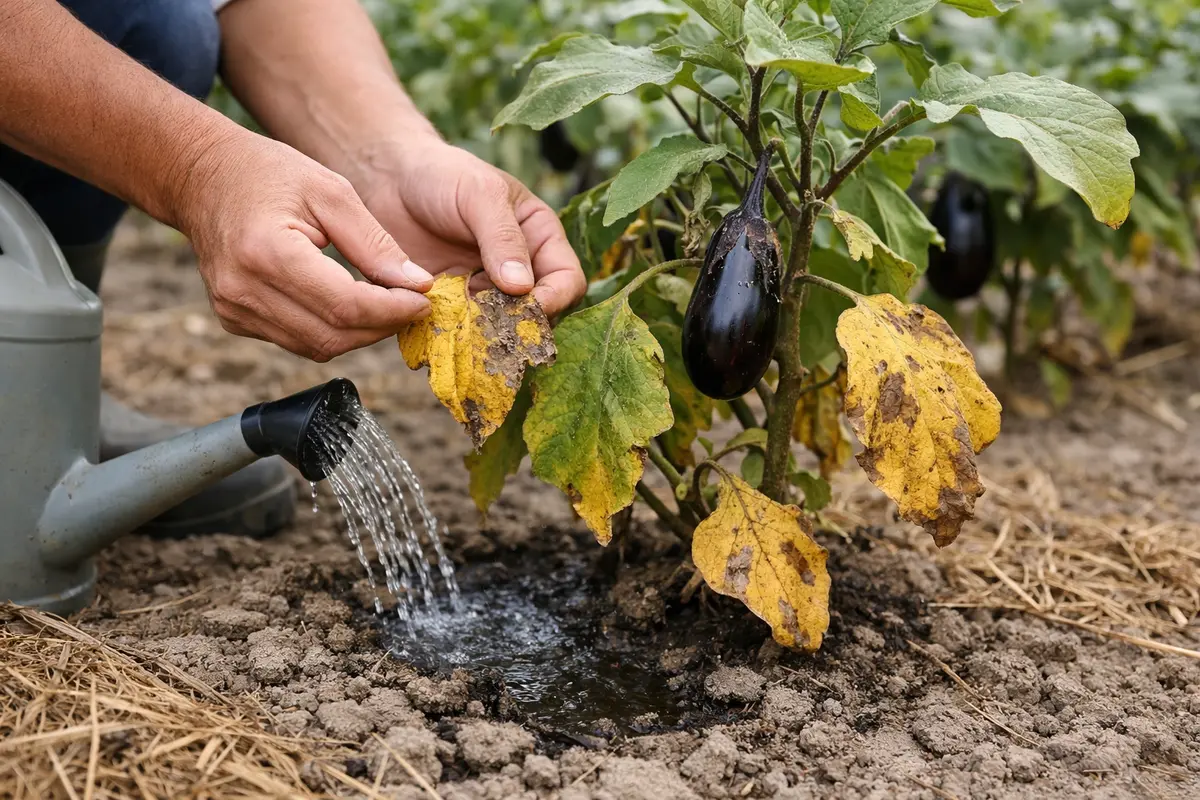
You may notice your eggplant developing yellow leaves after a prolonged drought, which is why you need to know how to fix yellow leaves on eggplant after drought. This yellowing is often a sign of stress, indicating that the plant is struggling to absorb nutrients effectively, leading to wilting and potential damage. If left unaddressed, the issue can worsen, eventually weakening the plant and stalling growth. Fortunately, you can improve the situation now by checking soil moisture and adjusting your watering routine to ensure proper hydration.
Step 1 – Water Eggplant Deeply to Revive Leaves
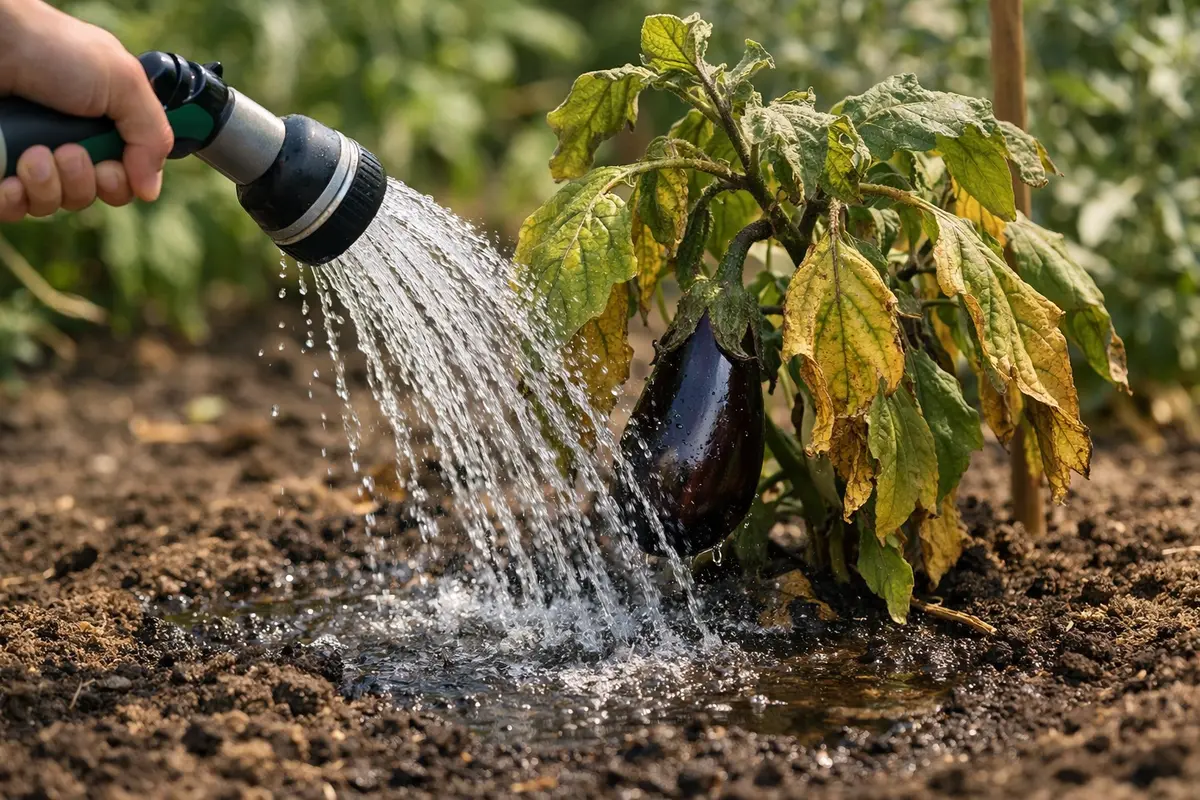
Water the eggplant thoroughly, ensuring moisture penetrates at least six inches down into the soil. You will observe the leaves begin to perk up within a few hours, appearing healthier and more vibrant. Consistent hydration is crucial during drought recovery because it allows the roots to regain their function and enhances overall plant resilience. When watering, try to apply around 1 to 2 gallons of water per plant, depending on the size and climate conditions.
When drought conditions persist, eggplants struggle to uptake essential nutrients, leading to chlorosis—the yellowing of leaves. This condition arises because, without adequate water, the roots cannot absorb necessary minerals, causing the plants to exhibit stress symptoms. Rehydrating the soil helps restore normal physiological function in the plant, promoting a healthier environment for growth. If the leaf yellowing is severe, initial recovery may show only slight color improvement, but this indicates that moisture levels are stabilizing.
A common mistake gardeners make at this stage is watering too lightly or infrequently, resulting in only surface-level moisture. If only the topsoil gets wet while the deeper roots remain dry, the benefits are minimal. Aim for deep watering every few days, especially in hot conditions, to ensure comprehensive hydration. If you’re using a drip irrigation system, adjust the emitters to deliver water deep into the root zone rather than just the surface. Avoid watering when temperatures are high or during the hottest part of the day, as evaporation can reduce the efficacy of your efforts.
Step 2 – Diagnose Nutrient Deficiency in Eggplant
Check the soil moisture levels immediately and water the eggplant deeply to replenish moisture. Observe the leaves for signs of improvement, such as a return to a vibrant green color within a few days as the plants rehydrate and recover.
Yellowing leaves on eggplant after a drought often indicate a lack of water, causing plant stress and nutrient deficiencies. When the soil is dry, roots struggle to absorb essential nutrients from the soil, leading to a reduced chlorophyll production in the leaves, which results in their yellow appearance.
If the soil feels compacted or has a sour smell, that may indicate poor drainage or root rot, which are different issues that require immediate attention. In this case, amend the soil with organic matter to improve aeration and drainage or remove affected plants to prevent disease spread.
The yellowing of leaves often results from prolonged drought stress, which hinders the plant’s ability to absorb essential nutrients and water through its roots. When the soil is dry, the roots cannot function properly, leading to a deficiency in chlorophyll production, and manifests as yellowing leaves due to insufficient photosynthesis.
If the soil smells sour or has a slimy texture, this indicates root rot rather than drought stress, requiring immediate intervention such as improving drainage or removing affected roots. In this situation, refrain from watering until the soil dries out and consider replanting in well-drained soil to promote healthier growth.
The yellowing of leaves, especially after a drought, often indicates a lack of water, which leads to stress in the eggplant plant. When water is scarce, the roots struggle to absorb essential nutrients and deliver them to the leaves, causing chlorosis or yellowing. This occurs because insufficient moisture limits the plant’s ability to carry out photosynthesis effectively, ultimately affecting growth and vitality.
If the soil smells sour or has a foul odor, then root rot might be the issue instead, which requires different treatment. In such cases, remove the affected plant from the soil, trim away rotten roots, and replant in fresh, well-draining soil to prevent further decay. This will help promote healthy root development and improve the overall condition of your eggplant.
Nutrient deficiencies typically arise from poor soil conditions, especially after droughts when soil structure may compact and reduce nutrient availability. When the plant lacks these essential nutrients, the processes involved in chlorophyll production are hindered, leading to yellow leaves. Assessing the nutrient levels can lead to a targeted approach that alleviates these deficiencies faster. In dry soil, nutrient solubility decreases, making it critical to correct issues before the plants suffer further.
If the soil smells sour or has a heavy clay texture, this can indicate unhealthy microbial activity or poor drainage that contributes to nutrient lockout. In this case, amending the soil with 2 to 3 inches of compost or well-rotted manure can help restore balance and improve nutrient flow. Keep in mind that using excessive chemical fertilizers without understanding the soil’s needs might worsen the situation and lead to root burn. Evaluating these conditions helps identify the root cause before moving on to adjust fertilization practices.
Step 3 – Test Soil Moisture for Yellowing Leaves
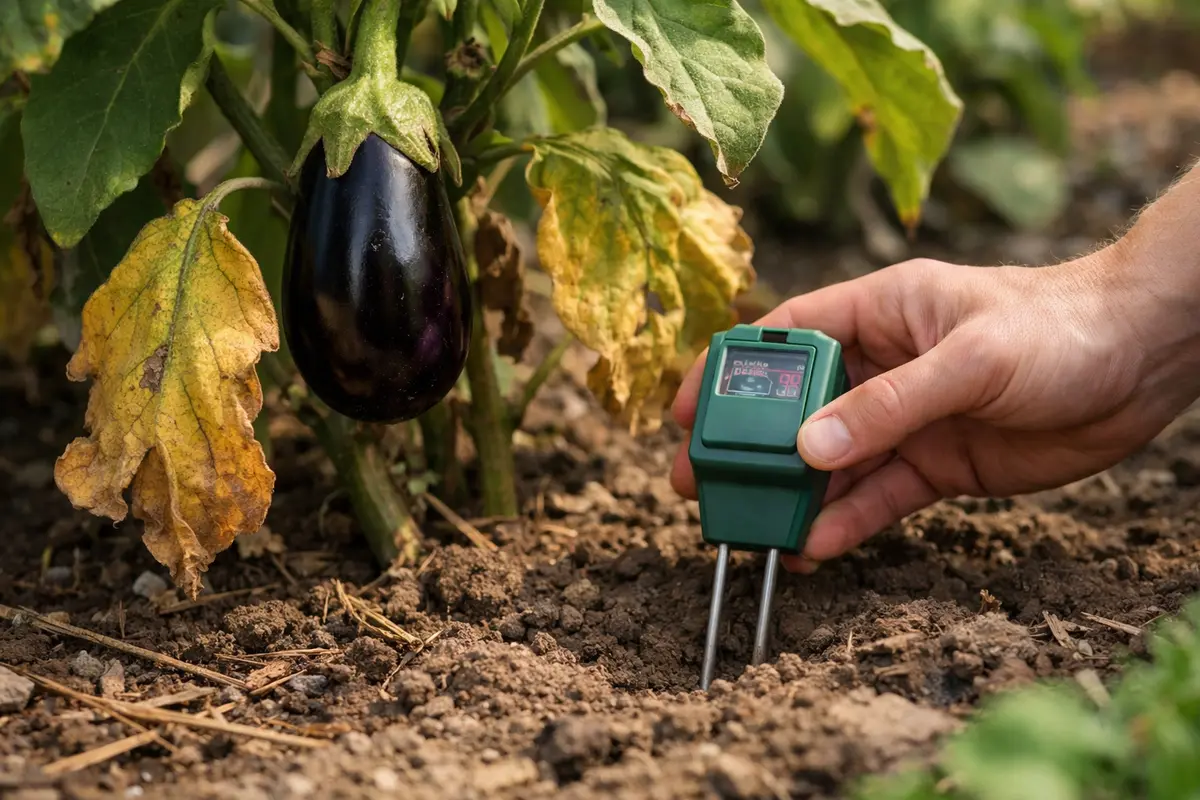
Inspect your eggplant plants closely for yellow leaves starting at the bottom of the plant, which often signals a nutrient deficiency exacerbated by drought conditions. Look for signs of wilting or drooping as well, as these additional symptoms indicate stress that requires immediate attention. After addressing what you’ve identified, you should see some improvement within a few days if the issue has been properly diagnosed.
Similar problems can arise from overwatering or soil compaction, as these can also cause yellowing leaves. However, overwatering typically results in a darker green, lustrous sheen on the leaves, while underwatering, as with drought stress, causes dry, crinkly leaves that may fall off. Pay attention to the texture and firmness of the leaves; yellowed leaves from drought will feel crisp and dry, while overwatered foliage will feel soft and mushy.
If you remain uncertain about your diagnosis, refrain from immediate action and monitor the plants for a week. Look for changes in leaf color, texture, and plant resilience during this time. Consider taking soil samples for nutrient testing if the problem continues, allowing for a more accurate assessment before proceeding with any recovery measures.
Yellowing leaves often come from either insufficient water (drought stress) or over-saturation (root rot). If the soil is overly dry, it may be time to increase watering frequency or employ mulching techniques to retain moisture. Conversely, if the soil is waterlogged, you may need to improve drainage to prevent root suffocation and associated symptoms. A key thing to check is the color and consistency of the soil; dark, crumbly soil usually indicates good moisture retention, while light, dry soil suggests it’s time to act.
If your diagnosis is uncertain—if the leaves remain yellow regardless of soil testing—monitor the plants for a short period. Inconsistent leaf health might be due to other environmental stressors, such as temperature fluctuations or pest interference. Observing changes over several days will guide you toward the correct adjustment. If you suspect a disease or pest issue, using an organic insecticidal soap can help manage the problem without harming beneficial insects. Pay attention to any changes in leaf curl or discoloration that may suggest infestation.
Step 4 – Apply Fertilizer to Support Eggplant Recovery

Apply a balanced fertilizer rich in nitrogen to support the recovery of your eggplants. You should start to see new green leaves emerging within a week, indicating that the plants are responding positively to the nutrients. Fertilizing helps replenish lost soil nutrients, jump-starting the plant’s recovery process. For best results, use a slow-release fertilizer according to package instructions, typically around 1 tablespoon per foot of plant height.
The application of fertilizers replenishes the nutrient levels in the soil after a period of drought stress, where plants might have utilized existing reserves to survive. Without adequate nitrogen and other nutrients, the regeneration of healthy leaves remains stalled. This timely intervention improves chlorophyll production, which directly facilitates better leaf color and growth. Watch for improvements as the eggplant enters its active growing stage, usually 7 to 14 days post-fertilization.
Avoid over-fertilizing during recovery; excess nutrients can burn delicate roots and worsen conditions. Ensure to follow the recommended application rates on fertilizer products, checking soil conditions monthly to adjust your feeding strategy. Regularly monitor your eggplant’s growth pattern and adjust your fertilizer application as needed. If leaf tip burn becomes evident, reduce the frequency of fertilizer applications to prevent nutrient overload.
Step 5 – Water Eggplant Regularly to Avoid Future Drought
Apply a layer of organic mulch around your eggplant plants to retain soil moisture and regulate temperature. This action will help prevent stress on the plants and reduce the incidence of yellow leaves.
Drought conditions lead to water stress, causing the eggplant leaves to yellow as the plant struggles to conserve resources. By mulching, you create a barrier that slows evaporation and maintains more consistent soil moisture, addressing the root cause of the yellowing leaves effectively.
During hot summer months, increase mulch thickness to a depth of 3-4 inches to enhance moisture retention and cooling. Additionally, consider using drip irrigation systems to further support your eggplants during dry weather conditions, ensuring consistent hydration throughout the growing season. If you are dealing with a related issue, drooping sunflower stems covers a similar problem in detail.
Environmental factors, such as temperature and humidity, directly influence how often eggplants need watering. During hotter weather, more frequent watering may be required, especially for younger plants or those in smaller pots. Setting reminders based on weekly or bi-weekly standards can effectively prevent drought-induced stress in your garden. Pay particular attention to pots that may dry out quicker than in-ground plants, as they can show stress symptoms faster.
Add at least 2 to 3 inches of mulch around the bases of your plants to conserve soil moisture and regulate temperature fluctuations, which minimizes risks of drought stress. In dry seasons, consider using drip irrigation to keep moisture levels consistent. Regularly check soil moisture levels to adapt your routine, as they can shift with seasonal changes. If your garden experiences heavy rainfall, adjust your watering schedule accordingly to prevent waterlogging, which can have negative implications for root health.
Step 6 – Check Eggplant Leaves for New Growth Weekly
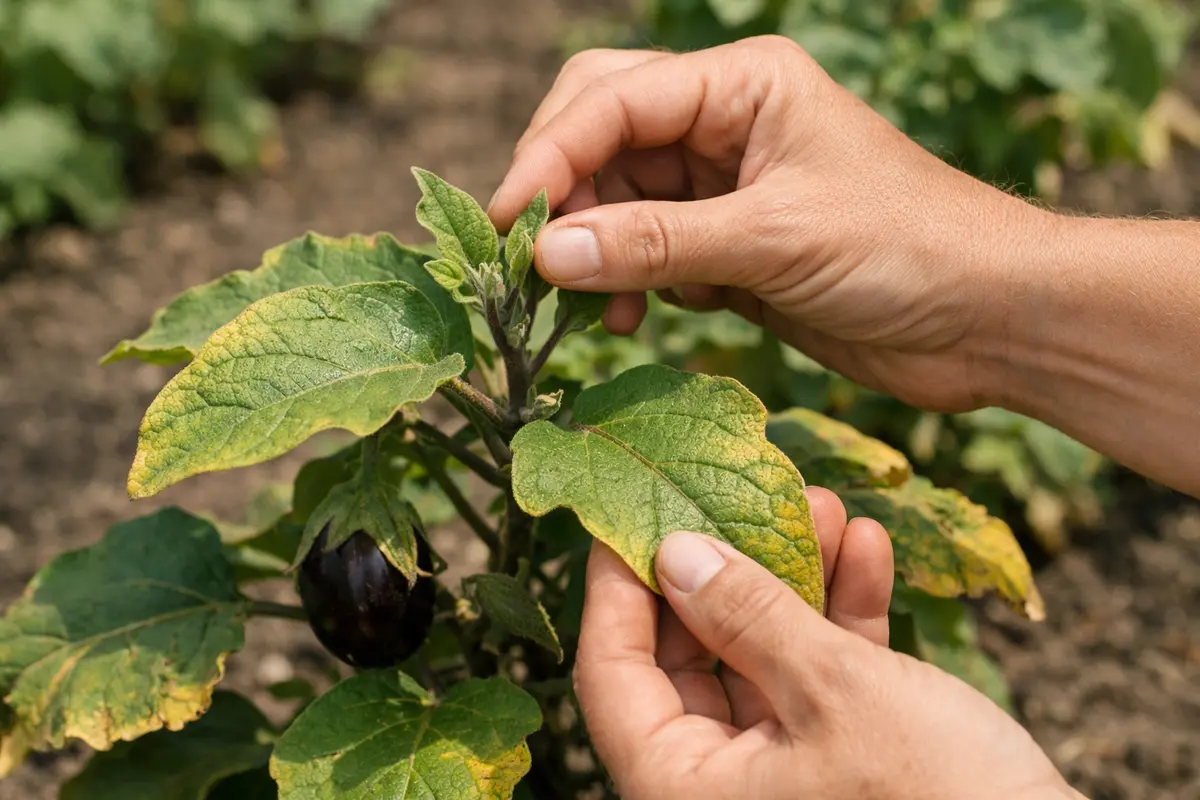
Monitor your eggplant plants weekly, focusing on the leaves for any signs of new growth or continued yellowing. If the plants show new green growth, it indicates successful recovery. Keep track of progress and adjust care based on visual clues to ensure long-term health and stability. Observing the color intensity and texture of the leaves will give clear indications of recovery; firm, vibrant green leaves signify success, while limp, yellowing remains a signal for further investigation.
Look for visible changes like greener, firmer leaves or the emergence of fresh shoots, which suggest that your recovery methods are effective. Conversely, if yellowing persists or worsens, it may indicate deeper issues needing re-evaluation of both watering and fertilization strategies. Regular reviews every few days following your recovery actions will help maintain plant health. Keeping a growth journal can also help record changes over time and provide insight into successful practices. For a closely related scenario, see watering humid weather.
If you see no improvement despite following these steps, it may be time to consider professional advice or deeper soil analysis. This could identify underlying problems like pests or diseases affecting plant health. A broader inspection can help determine if environmental control methods could prevent recurrence effectively. Investing in professional testing can also reveal whether soil pH levels are hindering nutrient uptake, helping you adjust your care plan accordingly.
FAQ
How long does it take for eggplant to recover from drought stress?
Typically, eggplants can show signs of recovery within a week or two after implementing proper watering and fertilization. You will notice improvement as new growth appears and yellowing leaves start to green up. However, the exact duration may vary depending on environmental factors such as temperature and humidity levels.
Can pest issues spread quickly in stressed eggplants?
Under drought stress, eggplants can become more susceptible to pests due to compromised health. Regular monitoring and prompt action against pests are crucial to prevent quick infestations that can worsen the overall condition of the plant. If pests are discovered, targeted treatments like insecticidal soap should be employed immediately to control the spread.
Should I remove all yellow leaves from my eggplant?
Remove severely damaged leaves to promote air circulation and direct energy to healthier parts of the plant. However, leave some yellowing foliage if it has not entirely dried out, as this can still contribute nutrients back into the plant. Regular pruning of unhealthy leaves can also help manage pest issues effectively and improve airflow around the plant.