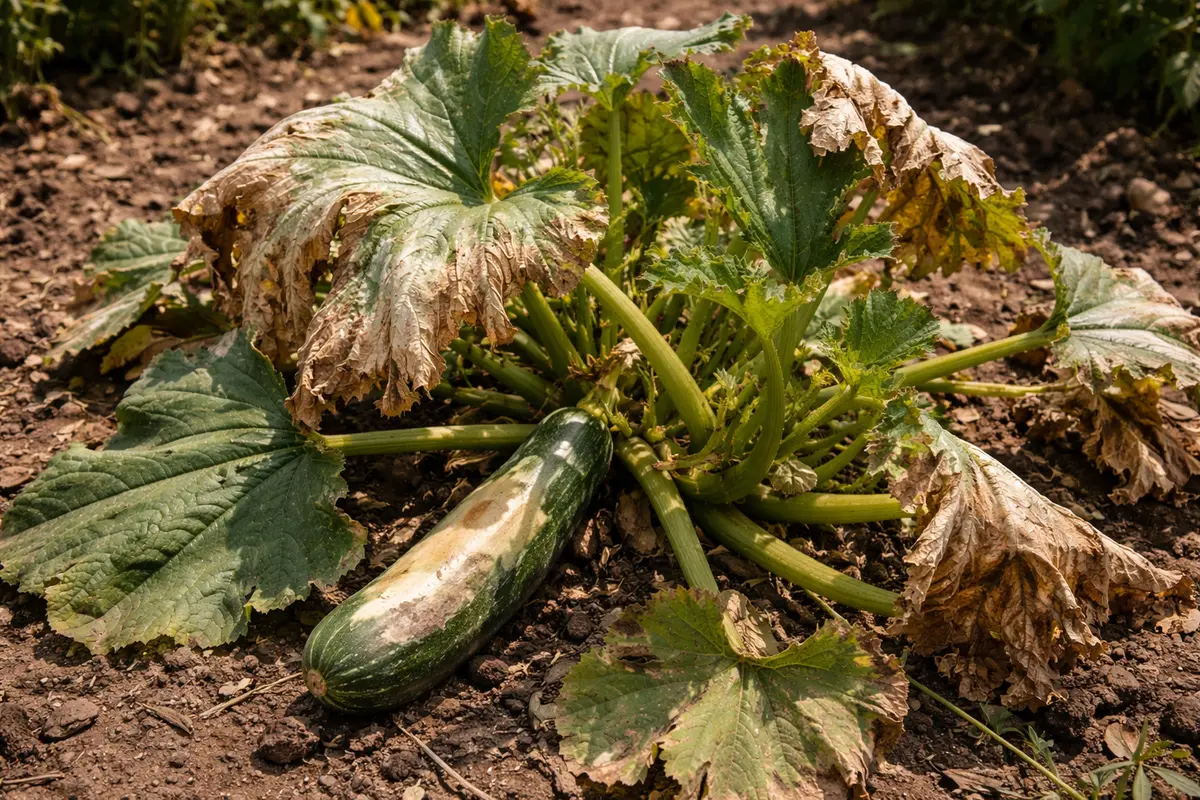
You may notice that during a heatwave, your zucchini plants appear wilted and drooping, which is why you need to know what to do when zucchini plants droop during heatwave. This drooping often occurs due to water stress, causing the leaves and stems to lose turgidity and appear weak. If left unaddressed, this condition can worsen and lead to more damage, stalling growth and reducing your harvest potential. Fortunately, fixing it is possible now; simply inspect your watering routine and adjust it to ensure your plants receive adequate moisture.
Step 1 – Water Zucchini Plants Immediately During Heatwave
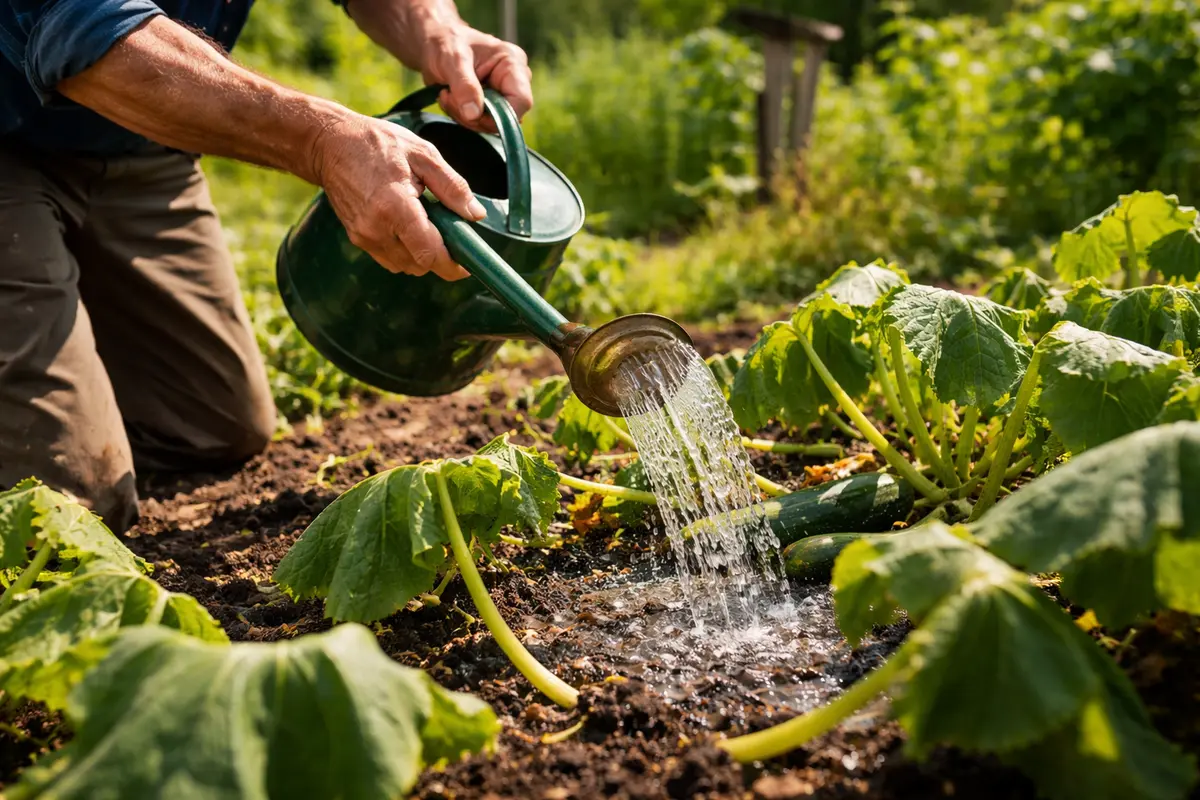
Water the zucchini plants deeply right away. You will see that the leaves begin to perk up within a few hours as they absorb moisture. Deep watering ensures that the soil reaches the root zone, allowing the plants to absorb the water they need to combat heat stress. Aim for approximately one inch of water sinking into the soil, providing sufficient moisture to reach the roots without waterlogging. If the soil is sandy, this amount might need to be increased to ensure full absorption.
When zucchini plants are subjected to extreme heat, they can lose turgor pressure, causing their leaves to droop. This wilting is a mechanism that the plants employ to conserve moisture under stress. If you delay watering during a heatwave, the plant tissues may go into a state of irreversible damage, affecting their overall productivity. In dramatic cases, prolonged wilting can lead to flower drop, which ultimately reduces your potential harvest. If the leaves remain droopy even after a deep soak, you may be dealing with issues beyond water stress.
If you find yourself watering on a hot day, many gardeners make the mistake of giving just a light spray, thinking that’s enough. However, this may result in only superficial moisture, not reaching the crucial root zone. Make sure to use a soaker hose or drip irrigation to ensure deep penetration, especially in sandy soils that drain quickly. If you see surface moisture without an immediate rise in leaves, it indicates you need to water more deeply. This is especially crucial if you notice the edges of leaves beginning to crisp—this is a sign of significant stress.
Step 2 – Diagnose Stress from Extreme Temperatures
Check the environment around your zucchini for signs of heat stress. You will discern if the plants are affected by scorching temperatures or insufficient watering. If the temperature surpasses the 90°F mark and the soil is dry, you know the cause of drooping is due to heat stress. Observing weather forecasts can help you anticipate high-temperature days, allowing for proactive measures. If you also experience dry winds common during heatwaves, these can amplify moisture loss from the leaves and soil, demanding even more frequent checks on your plants.
Extreme temperatures can inhibit the plant’s ability to absorb needed nutrients and water, causing the drooping. As the heat intensifies, the soil can dry out quickly, leading the roots to become stressed and unable to provide adequate hydration to the leaves. Addressing this rapidly can help prevent the plants from succumbing to prolonged heat exposure. If you notice that your plants are in full sun during the hottest part of the day, consider providing temporary shade during peak hours. A simple solution might be to use shade cloths or even strategic positioning of taller plants to shield the more vulnerable zucchini.
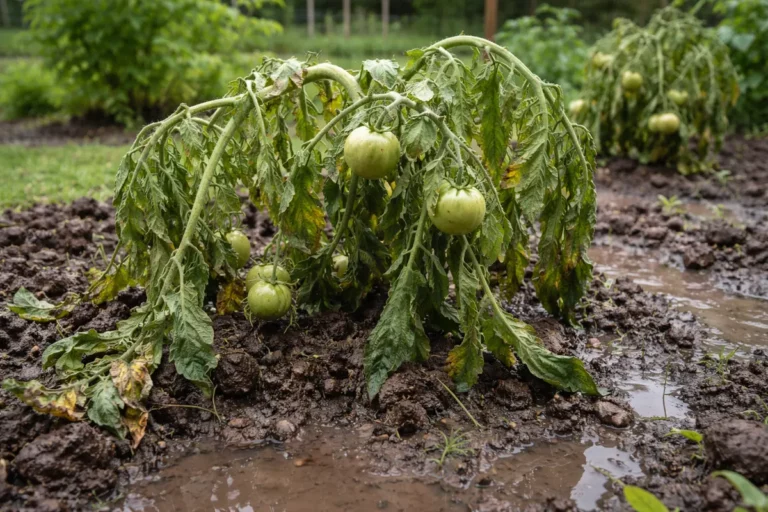
If you notice yellowing leaves alongside the drooping, the stress might be more severe, signaling a need for fertilization or an adjustment in watering routines. If the soil feels dry on the surface but heavy and muddy below, that contrast shows an uneven watering problem—overwatering in cool conditions can lead to root rot. In this case, drain any excess water accumulation and allow the soil to dry before adjusting your watering routine. Additionally, overly compacted soil might restrict airflow to roots, worsening their condition, which requires immediate aeration strategies. If you’re unsure, gently dig around the root zone to assess the soil structure and moisture present.
Step 3 – Test Soil Moisture for Zucchini Drought
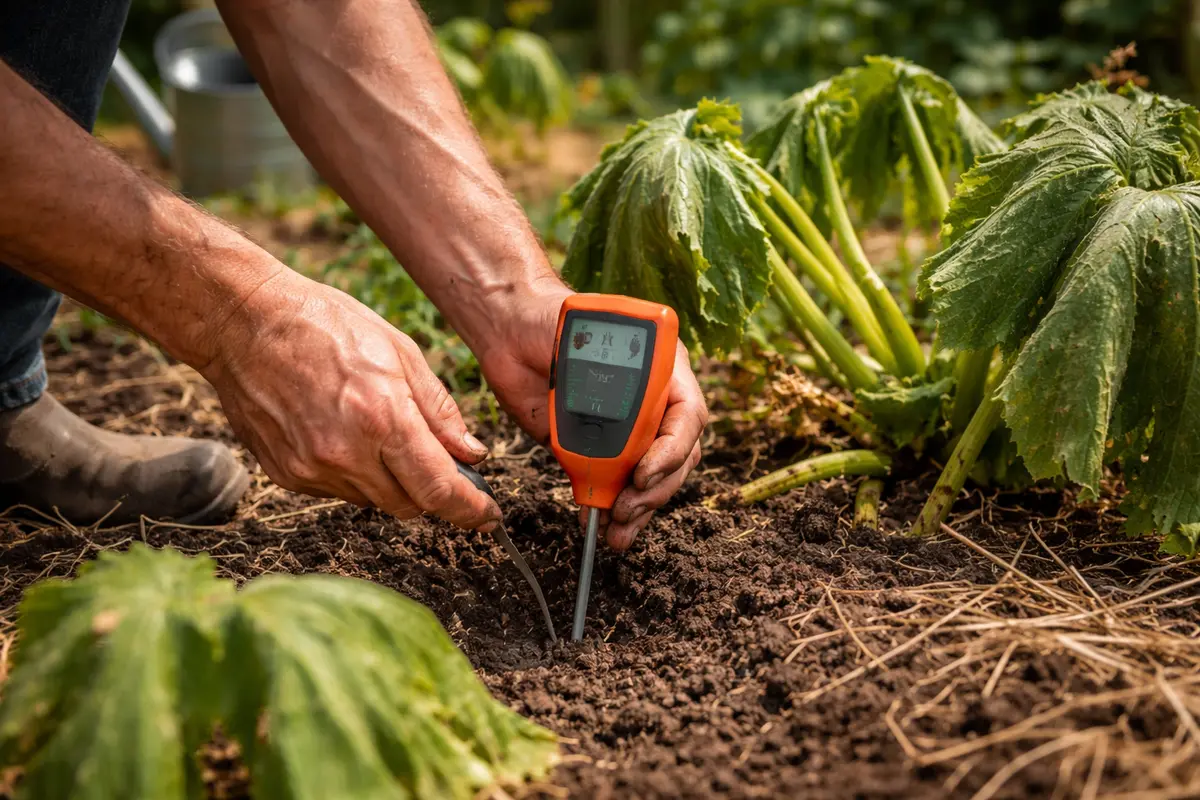
Inspect the soil around your zucchini plants for moisture levels. You will discover whether the soil is too dry, which can affect the plants’ health. Dig about 2 inches into the soil near the base of the plants; if it feels dry at that depth, it is time to water. Using a garden moisture meter can enhance your accuracy if you’re uncertain about how dry the soil is. If you find the moisture meter registers low, it’s imperative to act quickly to prevent further stress on the plants.
Dry soil prevents roots from properly absorbing water and nutrients, leading to drooping leaves. In zucchini, which has shallow roots, a lack of moisture will quickly manifest as wilting. This condition often signifies that the plant is in distress, and prolonged dryness can result in irreversible damage to the leaves and flowers. Newly planted zucchini may exhibit drooping even sooner than established plants; pay extra attention to their needs. If you observe the soil moisture meter reading consistently low despite watering, this could indicate a drainage issue that needs addressing.
If you touch the soil and it feels dry, the immediate next step is to water deeply. However, if the soil is still wet and the plants are drooping, this might indicate overwatering or a drainage issue. In that case, reconsider your irrigation method and possibly improve drainage by amending your soil with organic matter to enhance aeration and moisture retention. Regularly checking drainage conditions can prevent roots from becoming waterlogged, leading to subsequent plant stress. If the problem persists, consider moving the plants if they are in pots, allowing their roots a chance to breathe in a drier environment.
Step 4 – Feed Zucchini to Recover from Heat Stress
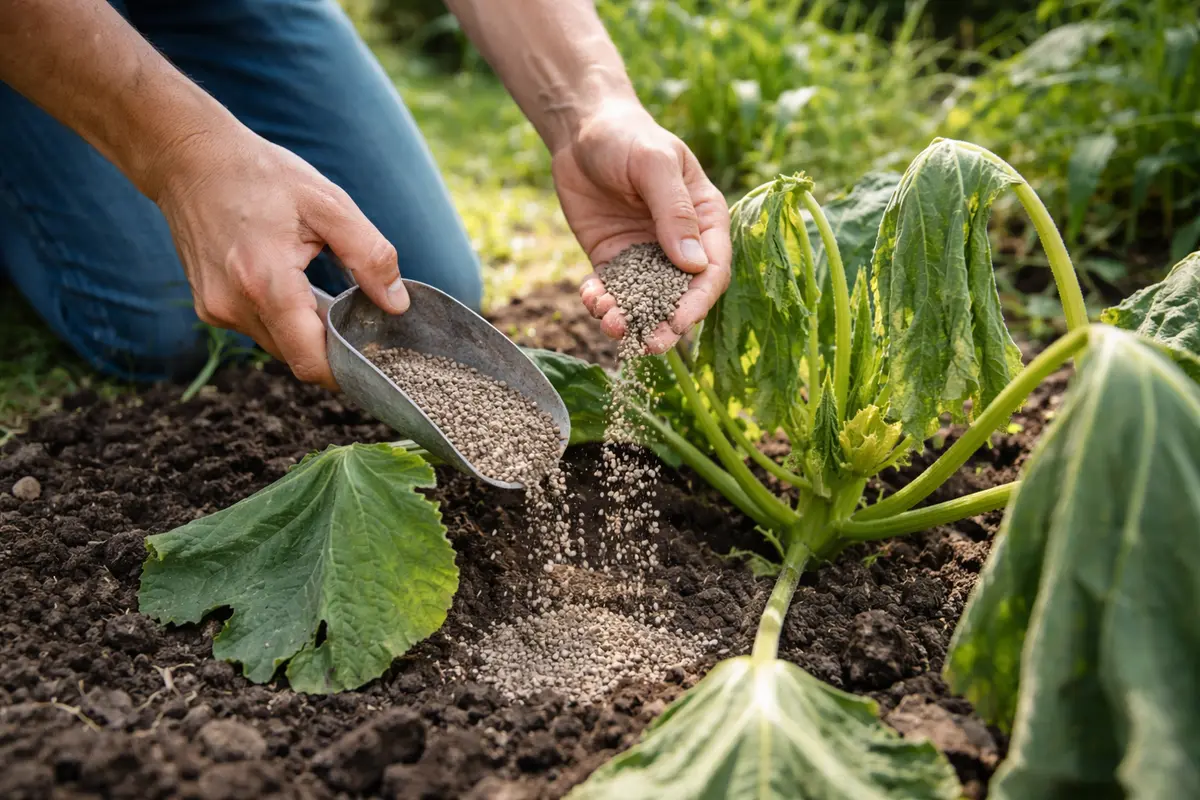
Apply a balanced fertilizer formulated for vegetables. You will notice an improvement in the plant’s vigor within a few days as leaves begin to perk back up. Nourishing the zucchini plants enables them to recover more efficiently from heat-induced stress by replenishing the nutrients lost through stress-induced wilting. Use a slow-release fertilizer to ensure the plants receive continuous nutrients over time, particularly in cases where soil nutrients can be leached out by heavy watering or rainfall.
Fertilizing provides essential nutrients that are critical for recovery, such as nitrogen, phosphorus, and potassium. These nutrients can help rejuvenate tired plants once the water levels stabilize, primarily if applied after thorough watering. After a heatwave, the plants often need support to resume normal metabolic functions, and without proper feeding, recovery can take longer or stall entirely. Noting when to fertilize is crucial, as too early can compound stress and too late can miss the recovery window. A good rule of thumb is to fertilize no sooner than a week after significant stress to give plants time to stabilize.
Be cautious, however, not to over-fertilize right after applying water. Excessive nutrients can lead to root burn, especially in stressed plants. Instead, wait a week to observe how your plants react before making any additional nutrient adjustments. If leaf discoloration occurs or growth is still stunted, consider a soil test to evaluate nutrient levels and adjust the fertility regime accordingly. This can help you determine if additional amendments such as compost or specific micronutrient fertilizers are necessary to aid in recovery. Also, keep an eye out for signs of pest infestations during recovery, as stressed plants can be more susceptible.
Step 5 – Water Zucchini Regularly in Hot Summers
Start by ensuring your zucchini plants receive adequate water, applying deep soaking techniques at least twice a week. As a result, you will notice the plants standing tall and firm, better able to withstand the intense heat. This routine is essential to maintain their health and encourage robust growth even throughout the summer’s hottest days.
Plant drooping during a heatwave often occurs when soils dry out quickly, leading to stress in the zucchini plants. By establishing a consistent watering routine, you address the underlying issue of inconsistent moisture levels, thus preventing the recurrence of drooping. Compared to plants that receive irregular watering, those with a scheduled hydration routine will show more resilience against heat stress. If you’re dealing with a particularly hot spell, increasing frequency to every other day may be necessary to maintain soil moisture at optimal levels.
During particularly hot spells, supplement your deep watering with mulch around the base of the plants to retain soil moisture longer. If periods of extreme heat are common based on past seasonal trends, adding a layer of organic material will further shield roots from temperature fluctuations, promoting stability in growth. If you find that your zucchini plants struggle despite the mulch, evaluate the type of material used; organic mulches tend to break down and may require topping up frequently for continued efficacy.
A consistent watering routine prevents underwatering, which is crucial in hot summer months when evaporation rates are high. Keeping the zucchini plants hydrated enables stronger growth and improved resilience against heat waves. Additionally, mulching can help retain soil moisture while keeping roots cool. Be mindful of the placement of mulch; placing it too close to the stems can trap moisture and promote rot. A good practice is to maintain a distance of about an inch from the base of the plant to allow for adequate airflow and prevent fungal issues.
Step 6 – Check Zucchini Leaves for Signs of Recovery

Monitor your zucchini plants closely for signs of recovery. Look for firming leaves and new growth over the next few days, which indicates they are bouncing back from heat stress. Be diligent in your checks; ideally, inspect your plants every 2-3 days for progress. Take notes on what signs align with changes in your care routine to refine your approach in the future. You should look for not just improvement in leaf firmness, but also new growth at the tips and axillary buds.
A healthy, recovered zucchini plant should show well-formed foliage, with leaves retaining their upright position and color returning to a vibrant green. Additionally, check for any buds beginning to form if flowering was impacted during the stress. If new growth fails to appear or leaves droop again, reevaluate your watering practices and nutrient levels. In ideal situations, you should witness improvement without noticeable drooping by the end of a week. If the leaves consistently droop despite appropriate care, this persistence may indicate a more significant root issue.
If you notice new growth but also see returning yellowing or drooping, this can be a sign that environmental conditions are still impacting your plants negatively. Test the soil moisture to confirm. If conditions continue to fluctuate and the plants do not recover well, consider a deeper investigation into drainage and soil health to ensure optimum growth conditions. Furthermore, frequent inspections will help catch any pest problems early. Watch for white spots or a sickly texture on the leaves, which might indicate ongoing stress or pest activity, necessitating early intervention. If pests are present, applying a targeted organic pesticide may be necessary to protect your recovering plants.
FAQ
How long does it take for zucchini plants to recover from heat stress?
Recovery from heat stress can take anywhere from a few days to a week, depending on the severity of the wilting and the care provided. If you implement watering and fertilization strategies promptly, you should see signs of improvement in about 2-4 days. Tracking environmental conditions can also significantly enhance recovery chances. Keep an eye on moisture levels; continued monitoring will further support recovery efforts.
Will zucchini plants droop again after the heatwave?
Yes, if plants are not regularly monitored and properly watered, they can droop again. A consistent watering routine and attentive care will help prevent recurrence during subsequent heat events. Observing weather patterns and adjusting care accordingly will prepare you for any new challenges that may arise. This proactive approach can mitigate stress factors that may lead to repeated wilting.
Can I remove damaged leaves from zucchini plants?
Yes, you can remove any severely damaged leaves to promote better airflow and focus the plant’s energy on healthier foliage. Trimming should be done carefully, ensuring not to remove buds or healthy stems during this process. Using sharp, clean tools is vital to avoid introducing diseases during trimming operations. Moreover, if planning a cut, make sure the timing is optimal—early morning or late afternoon is ideal when more moisture is retained in the leaves.