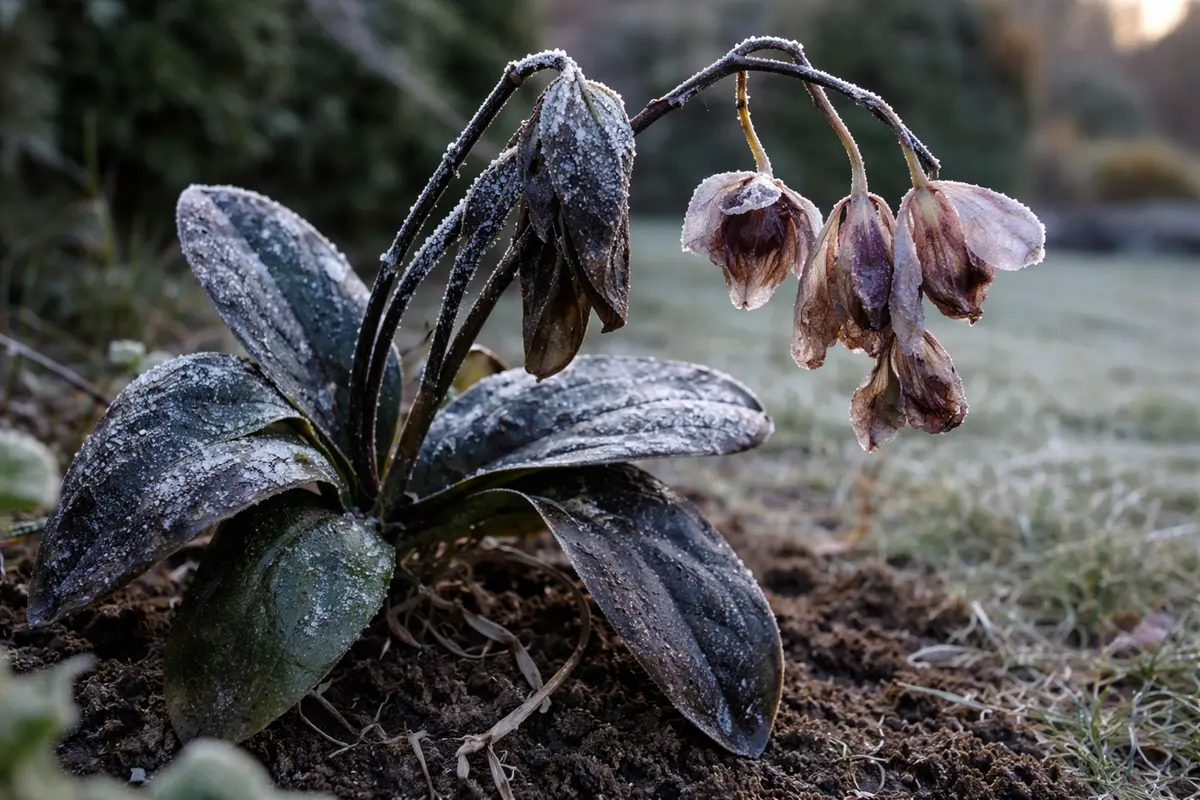
You may notice your orchids showing signs of distress during cold nights, which is why you need to know how to treat wilting orchids during cold nights. This wilting occurs because the low temperatures can shock the delicate roots and leaves, leading to drooping and unsightly leaves. If left unaddressed, the condition can worsen, weakening the plant and setting back its growth, but you can turn things around by inspecting the temperature and adjusting your watering routine.
Step 1 – Inspect Orchid Leaves for Wilting Signs
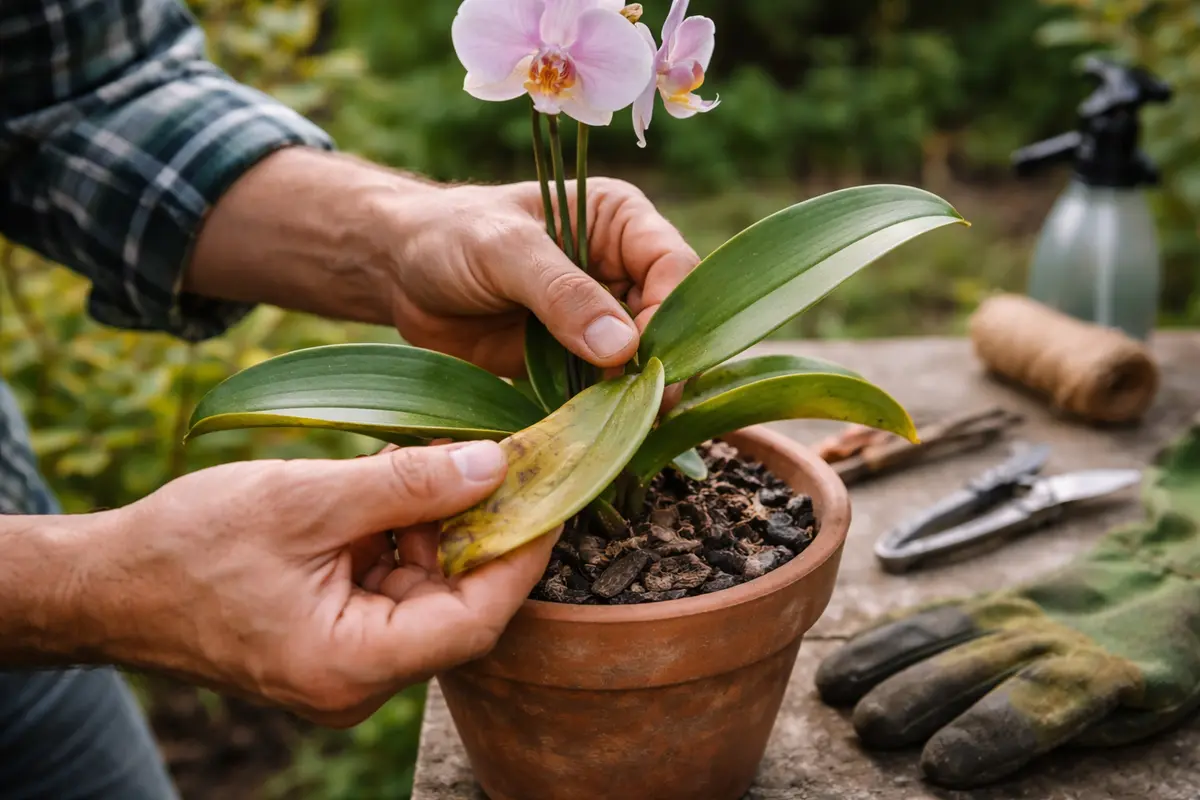
Start by examining the leaves for any signs of wilting, such as drooping or discoloration. You should specifically look for limp leaves that may feel soft to the touch, and the edges may start to brown, indicating stress due to cold temperatures. Any darkened or mushy spots can suggest deeper tissue damage. Immediate assessment helps prevent further damage to the plant and guides your next steps in recovery.
If left unchecked, wilting can worsen, causing irreversible damage to the leaves and stems. Cold temperatures lead to decreased cellular water movement, which causes the leaves to lose firmness. This reduction in turgor pressure dehydrates the plant and can lead to tissue damage that is challenging to reverse. You might also notice that the wilting effect could vary between older leaves, which often perish first, while younger leaves may still hold some firmness. A common mistake is failing to distinguish between cold stress and natural moisture needs. If you observe any limpness in the leaves, try to assess the overall condition before watering, as simply adding more water to an already stressed orchid can lead to root problems.
This situation often occurs when orchids are exposed to sudden temperature drops overnight, particularly in unheated rooms or near drafty windows. Many gardeners mistakenly assume that wilting is merely a sign of dryness or a need for water, neglecting to assess the impact of cold temperatures. By staying vigilant for these specific signs, you can intervene before the plant suffers more extensive harm. In most cases, orchids subjected to prolonged cold stress display not only leaf wilting but also slowed growth, which further indicates the urgent need for a corrective plan. Regularly checking for changes throughout the day, especially after cold nights, can help identify issues early, allowing for timely action.
Step 2 – Diagnose Cold Stress in Orchids
Check the environment around your orchids to confirm whether cold stress is the cause of wilting. You will quickly identify if the air temperature is significantly lower than ideal, around 18-20°C (65-68°F) during the day and no lower than 15°C (59°F) at night. If the room is too cool, this supports the diagnosis of cold stress. It is crucial to measure the temperature with a reliable thermometer to ensure accuracy, as subjective assessments can lead to misdiagnosis. Quick diagnostic action is key; for example, if you find the temperature below these thresholds, consider it imperative to take action to mitigate the negative effects before they escalate further.
Cold stress affects orchids by severely limiting their ability to take up water, resulting in visible signs like droopy leaves and potential root damage. Orchids, especially those not acclimated to low temperatures, can suffer cell wall damage, which manifests in wilting leaves and stunted growth. On the flip side, if the temperatures are consistent at acceptable levels yet symptoms persist, it’s beneficial to check for inadequate air circulation; stagnant, cool air can exacerbate cold stress. Additionally, if you notice that despite warm temperatures, the leaves remain limp, investigate whether the humidity levels are too high, as this can create a damp environment that fosters disease. It’s vital to monitor the humidity around orchids too; high humidity paired with low temperatures can create a conducive environment for diseases like mold or root rot, as orchids prefer stable conditions. Addressing airflow can be accomplished by gently rearranging nearby furniture or plants to allow for better circulation.
If you notice limp leaves but the air temperature seems fine, inspect soil moisture as a secondary check. Overwatering can cause root rot, leading to similar wilting symptoms, which complicates the diagnosis. To determine if the roots are healthy, gently remove the orchid from its pot and observe if the roots appear brown and mushy; if they do, root rot is likely the issue. This is often overlooked by many gardeners, who may misinterpret wilting as purely a symptom of watering needs without considering temperature factors. Additionally, if you have recently repotted the orchid and it’s wilting, slow recovery could be due to transplant shock, affecting nutrient uptake and overall health. If you suspect root rot, it is best to assess not only the roots but also the potting mix used; a medium that retains too much moisture can worsen these issues.
Step 3 – Provide Warmth to Revive Wilting Orchids
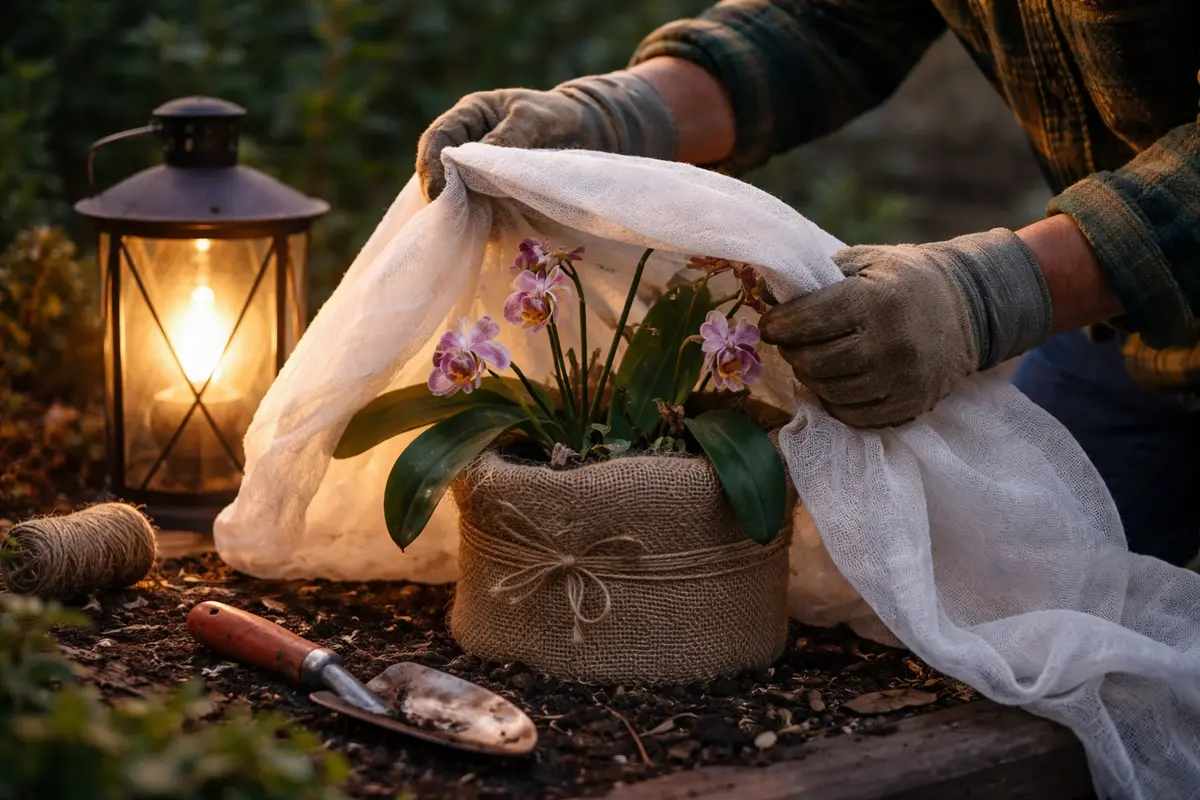
Increase the ambient temperature where your orchids are situated to encourage recovery. You should see the leaves beginning to perk up within a few hours after providing warmth through heating mats or moving them to a warmer room. An increase of just a few degrees to around 20-22°C (68-72°F) can have significant results, helping to revive the plant and greatly boosting overall moisture uptake. Make sure to check that any heat source you use does not create excessive dryness, which could stress the orchids further. Knowing how much warmth is sufficient is essential; placing a thermometer or a device to measure temperature near the orchids can help maintain consistent warmth without overheating, ensuring gradual adjustment.
Providing warmth stimulates the enzymatic processes within the orchid, leading to improved nutrient flow and water absorption through the roots. This recovery is particularly vital, as lower metabolic rates due to cold can inhibit new growth and flowering. You might observe that leaves begin to return to a more upright position, and you might also notice a renewed vibrance in color as chlorophyll production resumes. It is essential to create a stable environment; fluctuations from hot to cold can induce additional stress, leading to further wilting or even leaf drop. Avoid placing your orchids near direct heat sources, such as radiators, which can create a drastic heat difference that contributes to stress, leading to more wilting.
However, be cautious about sudden temperature shifts. Rapid changes from cold to heat can shock the plant, hence it’s wise to acclimate them gradually in warmer settings. Many gardeners mistakenly place orchids directly in direct sunlight post-cold exposure, which can lead to sunburn on the already stressed leaves. Instead, aim for consistent warmth and ensure they have indirect light rather than direct afternoon sunlight for the best recovery results. Additionally, check that any heaters or heat mats are not positioned too close to the orchids, as this can cause localized heating that could potentially scorch the delicate roots, leading to more severe health issues. If you notice the leaves developing a scorched appearance, it is imperative to relocate them further away from the heat source.
Step 4 – Check for New Growth After Cold Nights
Monitor your orchids for signs of new growth over the next week. You should specifically observe for new leaf tips emerging or the leaves becoming firmer and more upright with each passing day. Regular checks every few days ensure recovery is on track and allow you to make adjustments as necessary based on their response. If any new growth appears, document its progress as an essential signal of the plant’s health returning. Like a simple check of the fabric of the leaves can indicate if hydration is improving, palpating for firmness will tell you if the plant is regaining its turgor pressure.
A fully recovered orchid will show fresh growth, with plump, firm leaves indicating improved overall health. You should look for a return to a glossy appearance, which is a good sign of hydration and nutrient uptake. In contrast, early signs of returning issues would include continuing wilting or the appearance of new yellowing leaves, indicating that additional interventions may be required to assist in recovery. You might also notice that if new growth is slow, it could correlate with ambient temperature conditions or soil issues previously identified. Each time you check, look for both signs of improvement and any regressive symptoms, as delayed recovery often suggests ongoing environmental problems or underlying root damage.
If the orchids do not respond positively after a week, consider evaluating their roots and soil conditions once again. Carefully check if roots look mushy or if the soil has developed a sour smell, indicating anaerobic conditions that could inhibit recovery; their health is critical for the plant’s overall rehabilitation. It’s essential to bear in mind that root health substantially contributes to the vigor and vitality of the entire plant, thus routinely checking for dryness in the medium and ensuring proper aeration can prevent a recurrence of wilting. Many gardeners overlook this part of recovery, focusing solely on leaves while neglecting the roots and their conditions, which remain vital for overall recovery.
FAQ
Can wilting orchids recover after exposure to cold nights?
Yes, wilting orchids can often recover if steps are taken quickly to improve their environment. With prompt actions to increase warmth, moisture, and proper care routines, you should see signs of recovery, such as new growth and firmer leaves, within a week. Quick intervention can mitigate the long-term impacts of cold stress significantly. However, if recovery does not happen after initial measures, it may be necessary to reassess both the root conditions and the overall care regimen, considering that a more thorough environmental adjustment could be needed.
How long does it take for orchids to bounce back from cold stress?
Typically, if the right conditions are met, you can expect noteworthy improvement within several days. Complete recovery may take a week or two, depending on the severity of the exposure and the plant’s overall health prior to stress. It’s crucial to remain observant and patient throughout this period to fully evaluate the success of your interventions. Keep an eye out for both signs of recovery and signs indicating further issues, as close monitoring will enable timely adjustments to treatment approaches if needed.
Should I remove damaged leaves from my wilting orchids?
Only remove leaves that are severely damaged or showing signs of rot. Healthy-looking leaves should be left intact, as they can still contribute to the plant’s recovery through photosynthesis. Removing any yellowed leaves also helps prevent potential infection from pathogens, which commonly thrive on decaying matter. However, during recovery, it’s also beneficial to constantly assess whether removing leaves seems necessary, ensuring not to disrupt the plant’s energy flow prematurely. If any time passes without visible signs of recovery and you feel the need to tidy up, remember that each leaf plays a part in the overall recovery process, thus withholding drastic measures unless absolutely necessary is generally advisable.