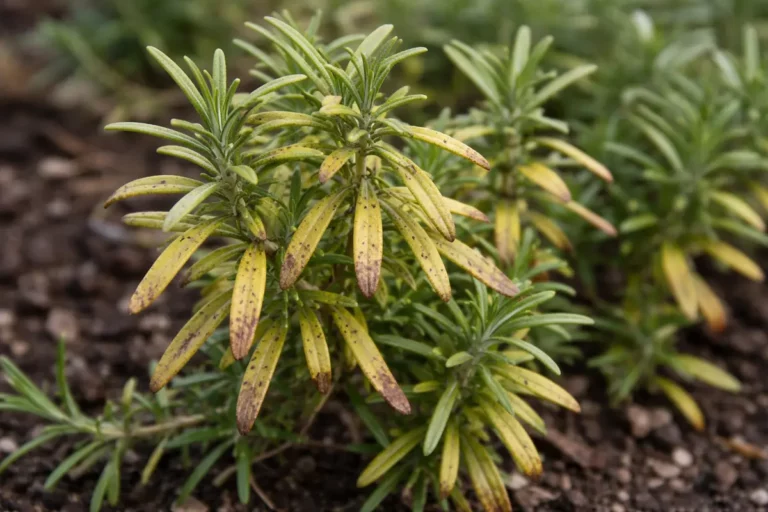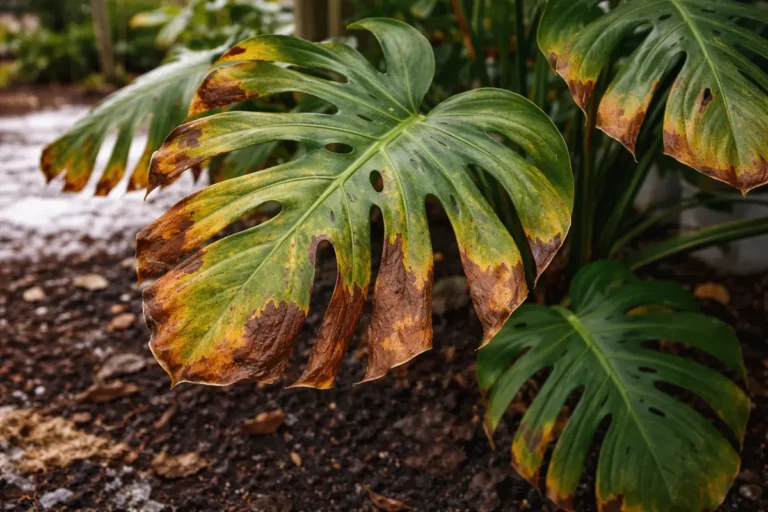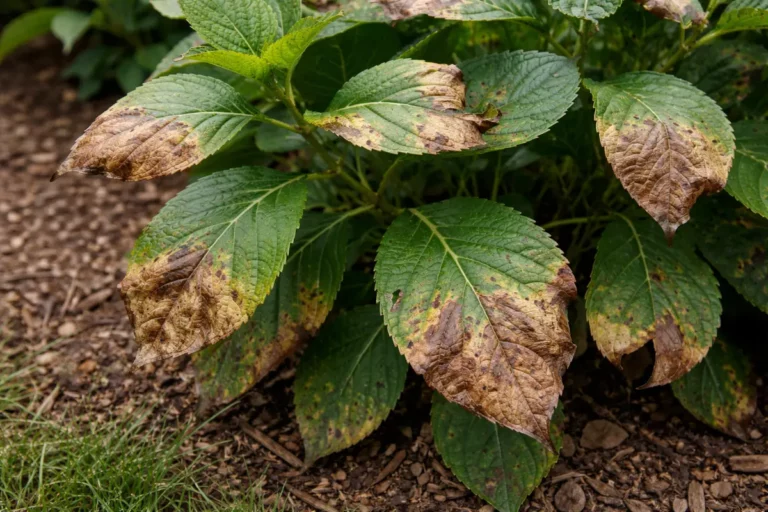

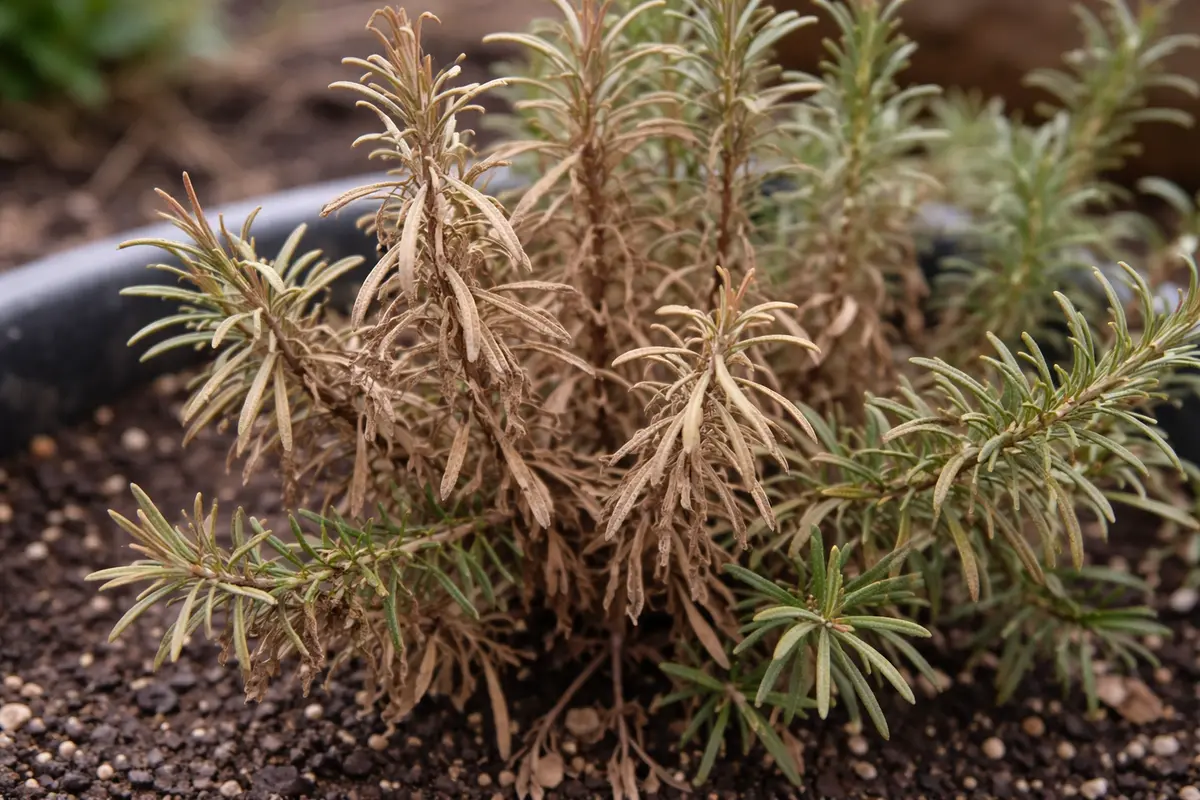
You may notice your rosemary turning brown during the cold winter months, which is why you need to know what to do when rosemary turns brown in winter. This discoloration often signals stress, leading to wilting and potential leaf drop due to frost damage or moisture imbalance. If left untreated, the problem gets worse and can spread, weakening the plant and making recovery harder to fix, but tackling this issue is possible now by checking the moisture levels and adjusting your care routine.
Step 1 – Prune Brown Rosemary Leaves Immediately

Start by inspecting the rosemary for any signs of root rot or overwatering. If the soil feels soggy, reduce watering immediately and repot the plant in fresh, dry soil to help alleviate the excess moisture. You should see an improvement in the soil’s drainage, and any remaining brown leaves may stop spreading as the plant begins to stabilize.
Acting fast is crucial because rosemary is particularly sensitive to root rot during winter when its growth slows down. If the plant’s roots become too saturated, they can start to decay, leading to further browning and potential plant death. In contrast, a rosemary plant that is checked and treated promptly can recover, showing signs of new growth within a few weeks; if not this, check that there’s adequate drainage in the pot.
A real-world example is a gardener who noticed their rosemary turning brown too late and found the soil had become a breeding ground for fungus. By delaying their action, the plant suffered irreversible damage, whereas another gardener who acted quickly by altering their watering habits saved their plant from a similar fate. Remember, preventive measures early on can make a significant difference in the outcome.
Pruning dead leaves is crucial because it allows the plant to redirect its energy towards healthier growth. Especially in rosemary, dead leaves can trap moisture and promote fungal issues, particularly in damp winter conditions. Consequently, by cutting these off, you’re preventing further stress to the plant while encouraging the growth of new, vibrant leaves. If you see leaves turning brown, that’s a sign your rosemary is putting energy into dying sections rather than thriving parts. Additionally, consider using clean pruning shears; this prevents the transfer of any disease from one plant to another. If you notice stems starting to turn brown, this is a clear warning sign that immediate pruning is necessary to prevent further decline.
A common mistake gardeners make is waiting too long to prune affected leaves, especially in winter. If you delay, the damage might spread to healthier parts of the plant. Aim to act promptly as soon as you notice brown foliage; this should be a quick, straightforward task that enhances the overall health of your rosemary. If the wind has dried out some of the plant’s lower leaves, removing just those and monitoring the upper leaves for signs of stress will help dictate if further action is necessary. If the foliage remains limp after trimming, deeper root issues may be contributing to the problem, requiring you to adjust your watering or environmental conditions accordingly.
Step 2 – Diagnose Winter Stress Causes for Rosemary
Inspect the soil moisture levels around your rosemary plant. If the soil feels overly saturated, the roots could be suffocating, which often results in browning leaves. Conversely, if the soil is bone dry, your rosemary may be dehydrated and showing signs of stress. Touching the soil approximately an inch deep can help determine its moisture level—if it sticks to your fingers, it’s too wet; if it crumbles, it’s too dry. Be attentive to how long it takes the soil to dry out; a faster-than-normal drying time indicates a lack of moisture retention in the soil.
Identifying the soil moisture is essential because rosemary requires well-drained soil. Overly wet soil can lead to root rot, where roots decay and can no longer support the plant, while dehydrated soil causes wilting and browning due to a lack of essential nutrients and water uptake. In the winter, rosemary is more susceptible to these conditions, often needing less water than in warmer months. If the leaves feel soft and mushy, this may indicate root rot, whereas crisp and dry leaves signal dehydration. Monitor also for any pungent odors; a foul smell can be a telltale sign of root decay.
If the soil smells sour, indicating poor drainage or root rot, shift to correcting drainage issues immediately. Ensure your pot has proper drainage holes and consider repotting the plant in fresh potting mix designed for herbs. Stepping in at this stage can save your rosemary from more severe issues down the line; a common error is neglecting these signs until they worsen, which can lead to complete plant failure. If you’ve recently moved your plant into a pot without drainage holes, that could be your root problem right there, so reassess your container’s suitability promptly. Checking for weed presence can also provide insight; they can compete with your rosemary for nutrients and moisture, exacerbating stress levels. Remove any visible weeds immediately to improve conditions for your plant.
Step 3 – Water Rosemary Deeply for Recovery

Water your rosemary deeply until the moisture reaches 6 inches down in the soil. After watering, you should observe the surface soil darken and improve its moisture content within a few hours. It’s crucial that all parts of the root zone get water; if only the top layer is moist, the deeper roots may still be deprived. A deep soak will allow the roots to absorb water effectively, ensuring they remain hydrated during colder months. If wilting or browning persists, determine if watering frequency needs adjustment based on your local climate changes.
Deep watering is crucial for the recovery process as it allows the roots to absorb moisture thoroughly, especially after pruning. Rosemary roots can become stressed when the soil is either too dry or waterlogged. A well-hydrated plant is more resilient and better equipped to fight off potential diseases. As you water, ensure you do not see standing water in the pot; if you notice it, this may signal poor drainage that’ll need to be addressed promptly. Additionally, always check that your pot doesn’t have roots protruding from the drainage holes, which may indicate that the plant is pot-bound and requires repotting. Assessing the soil type can also be beneficial; clay-heavy soils require more careful watering as they retain moisture longer than sandy mixes.
Be cautious to avoid overwatering after a dry spell; if you notice wilting despite watering, drainage may still be compromised. A common error is to compensate with extra water, thinking it will help. The heavy waterlogging can often lead to further root issues. Instead, time your watering to ensure that moisture is consistent without saturating the roots, especially during colder weeks when watering needs may fluctuate significantly. If you’re uncertain, you may consider using a moisture meter to gauge soil conditions more accurately, especially when the visible signs of moisture do not match the actual soil needs.
Step 4 – Protect Rosemary from Frost in Winter

Cover your rosemary with frost cloth or move it to a more sheltered location during cold nights. This protective action will ensure the plant is less exposed to harsh frost, resulting in visibly improved resilience over the following days. The protection should be gauged based on your local weather; if temperatures are forecasted to drop below 32°F (0°C), it’s time to act immediately, as prolonged exposure to frost can be devastating. If you don’t have suitable frost cloth, using a lightweight blanket can suffice for temporary protection. Ensure whatever cover you use is breathable, so heat can escape without creating a stifling environment.
Environmental protection is key to preventing further browning of rosemary leaves during winter. Frost exposure can severely damage tender growth, which could lead to permanent leaf loss and overall plant decline. By shielding your rosemary with proper coverings, you promote stronger shoot development and mitigate stress due to external cold conditions; a simple sheet or blanket can work, but ensure it doesn’t touch the leaves directly to avoid freeze damage. If you do not have frost cloth, mulch can provide similar benefits by insulating the roots and keeping the soil temperature more stable. A windbreak fence can further enhance protection if planted in exposed areas.
Consider mulching around the base of the plant as an additional layer of protection against temperature fluctuations. Applying a layer of mulch or straw around the base helps regulate soil temperature, preventing freezing conditions that can harm the roots. If you live in a particularly cold region, wrapping the pot in burlap can also assist in insulating the roots effectively; this extra precaution helps maintain root warmth and soil moisture. These preventative measures can significantly reduce frost damage, preserving your rosemary throughout the winter months, as neglecting to cover your rosemary could result in irreversible harm. Always assess the forecast regularly and adjust accordingly, as sudden weather changes can catch unprepared gardeners off-guard.
Step 5 – Check Rosemary Foliage for New Growth
Recheck your rosemary every 2-3 days for signs of new growth or recovery. You should observe a return of green leaves or new shoots sprouting as indicators that the rosemary is regaining its vitality. Healthy rosemary will show a vibrant green color and the return of firmness in the leaves, contrasting with the previous browning. If new growth isn’t visible, inspect other factors such as overall plant placement and light exposure. Leaves that droop or continue to brown despite the implemented recovery measures indicate that further adjustments may be needed, such as changing the light source or watering method.
Monitoring is essential to determine if your corrective actions have made a difference. During these check-ins, inspect the overall condition of the stem; firm stems suggest good health. Should the stems turn soft or mushy, this could indicate deeper issues such as ongoing rot or pest infestation. If you do not see signs of recovery or if you observe any new browning, it may be time to reassess all care protocols. Regular light exposure is vital; if your plant is placed in an area receiving less than six hours of indirect sunlight, consider relocating it. If your rosemary does not improve with adequate light and water, the cause may be something more severe such as pests, which you can confirm by checking the undersides of leaves.
If signs of recovery are not observed within a week, reassess your watering habits and the amount of sunlight exposure your rosemary is receiving. Additional troubleshooting may involve checking the base of the plant for any pests hiding in the mulch or leaves. It’s crucial to ensure your plant gets at least six hours of indirect sunlight daily, as low light can hinder growth. Should the problem persist despite your efforts, consider consulting a local gardening expert for additional advice; prolonged issues may require professional intervention to restore plant health effectively. Ignoring signs of ongoing decline can lead to a whole plant deficiency, making recovery increasingly difficult. Early identification and intervention offer the best chance for a full recovery and the return of healthy growth.
FAQ
Can rosemary recover from being brown?
Yes, rosemary can recover from browning if appropriate care measures are taken immediately. Observing new green growth within a few weeks indicates successful recovery. However, if care is delayed, the chances of recovery diminish significantly, especially if root rot develops.
How long will it take to see improvement in my rosemary?
Typically, you should start seeing signs of improvement within 1-2 weeks after implementing corrective actions like pruning, watering, and protection from frost. Factors such as light, temperature, and ongoing care will influence the speed of recovery; the healthier the environment, the quicker the plant will bounce back. If conditions are optimal, you may notice fresh growth earlier than expected.
Will frost damage rosemary permanently?
Frost can damage rosemary, but the extent varies based on the severity and duration of exposure. If the rosemary is sufficiently protected and given proper care, it may recover without permanent damage. Be proactive in safeguarding the plant to minimize risks associated with frost, for prolonged exposure can jeopardize overall health.