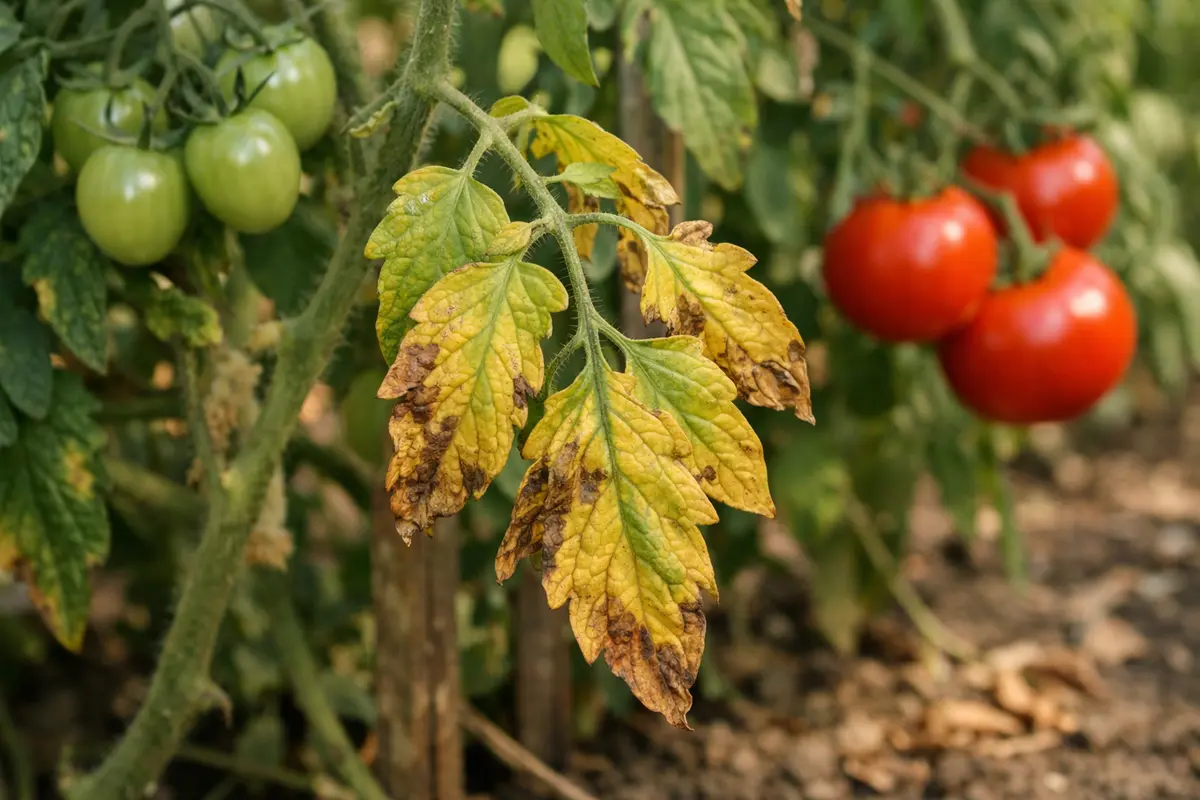
Ensuring your tomato plants thrive is a gardener’s ambition, yet the frustration of seeing their vibrant green leaves turn yellow can swiftly dampen that enthusiasm. Factors like nutrient deficiencies, water issues, and environmental conditions play significant roles in this distressing phenomenon. If you’ve been pondering, “What causes yellowing leaves on my tomato plants?” you’re likely grappling with how to restore your plants to their flourishing state while preventing the issue from recurring. Understanding the various causes and solutions can empower you to effectively tackle this common gardening problem. The yellowing of leaves often serves as a crucial early indicator that something is amiss in your care routine, necessitating immediate attention to ensure your plants remain healthy and productive.
Unpacking What Causes Yellowing Leaves on My Tomato Plants
Understanding the causes of yellowing leaves in tomato plants encompasses several critical factors. A common mistake is overwatering, which leads to root rot, often indicated by a yellowing of lower leaves. Many gardeners still believe that more water equals healthier plants, but this can create a soggy environment detrimental to root health. A sign that your tomato plants are suffering from overwatering includes browning leaf tips alongside yellowing. If you notice these symptoms, immediately check the soil: it should feel moist but not waterlogged. If waterlogged, allow it to dry out before watering again, as repeated overwatering can lead to the demise of your plant’s root system.
Nutrient Deficiencies
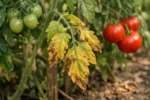
Nitrogen, magnesium, and iron deficiencies are some of the most frequent culprits of yellowing leaves. In nitrogen deficiency, the older leaves turn yellow while the newer growth remains green. This is particularly common in heavily-fruiting plants that are rapidly depleting soil nutrients. Checking your soil’s nutrient content regularly can prevent this, including insights on seed encourage growth that map to the same mechanism, issue. Soil testing kits are easily available and can give you insights into nutrient levels. If tests show low nitrogen, you might consider an all-purpose fertilizer that is rich in this nutrient, applied according to the instructions to avoid root burn. If you spot yellowing during peak growing season, remember that heightened nutrient demand can often lead to deficiencies more quickly than anticipated.
Environmental Conditions
Another critical area is environmental stressors such as temperature fluctuations and excessive sunlight. Too much direct sunlight can lead to yellowing, as the leaves become sunburned, while extreme cold can stunt plant growth. If your area experiences a sudden cold snap, consider using row covers or moving potted plants into a sheltered area temporarily for protection. This is particularly useful when night temperatures dip unexpectedly, as prolonged exposure to cold can slow down root function, exacerbating the yellowing. Recognizing the microclimate of your garden can help you preemptively adjust for these extremes and protect your plants from unnecessary stress.
Identifying and Addressing Yellowing Leaves on Tomato Plants
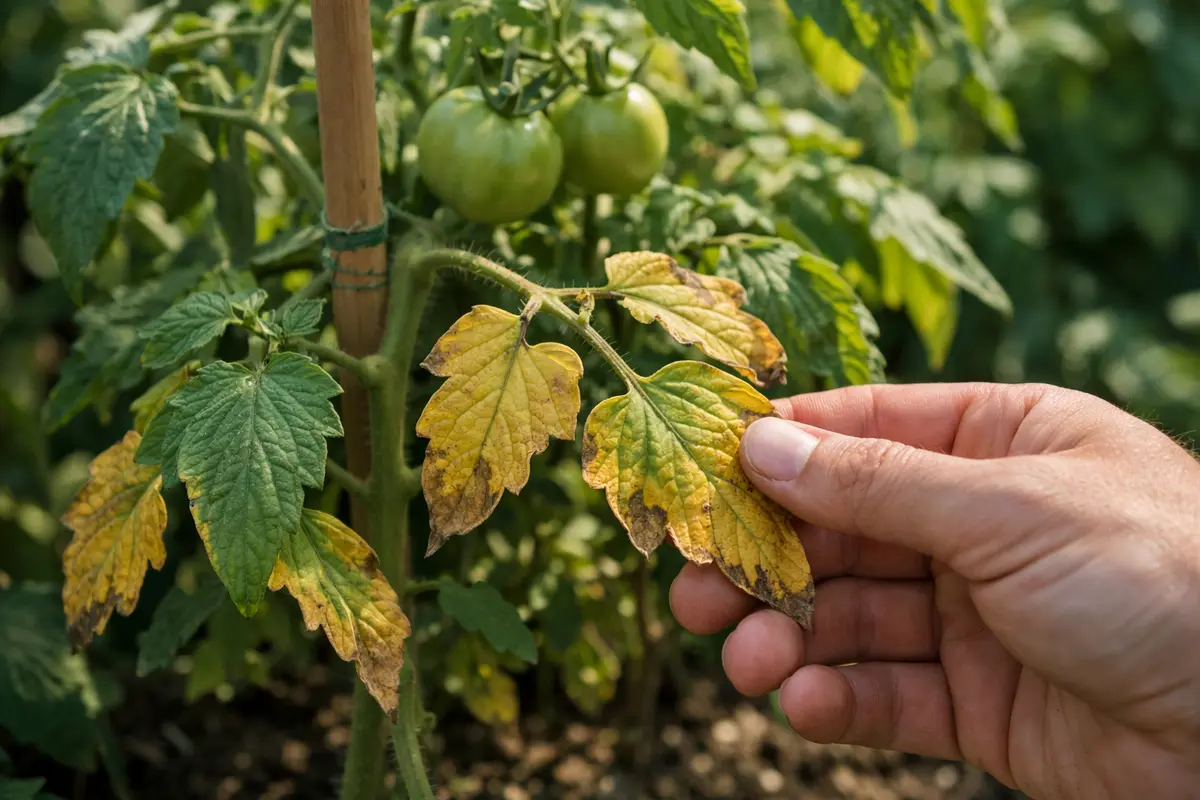
Recognizing the early signs of trouble is essential in managing yellowing leaves. An observable initial symptom includes leaves curling or drooping along with discoloration. If you see yellowing in your tomato plants, examine the soil moisture first—if it’s consistently wet, you may be overdoing it. Conversely, if the soil feels dry a few inches down, underwatering is likely the culprit. Adjust your watering routine accordingly. Typically, watering deeply but infrequently, allowing the soil to dry out between waterings, can help strengthen the root system. Moreover, regularly observing any changes in color or texture can provide early warnings of other potential issues.
Watering Habits
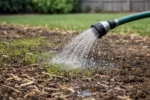
A frequent mistake gardeners make is not establishing a consistent watering schedule. Tomato plants typically require deep watering once a week, allowing the top inch of soil to dry out before the next watering. Establish a routine, but always be observant of your plants’ response and their growing conditions. If you notice leaf curling alongside yellowing, it could indicate either overwatering or underwatering. As a practical tip, use mulch to retain soil moisture while regulating temperature. If your yellowing becomes severe despite using mulch, reassess your irrigation method; methods like drip irrigation can ensure consistent moisture without waterlogging the soil. Be cautious not to water during the hottest part of the day, as this can lead to rapid evaporation, reducing the effective moisture the plants receive.
Pest Infestations
Pest infestations can also be a critical factor leading to yellowing leaves. Pests such as aphids and whiteflies suck sap from plants and may cause leaves to yellow and drop. If this happens, inspect under the leaves and in the stem junctions for signs of pests. Treat infestations promptly with insecticidal soap or neem oil, taking care to follow recommended application guidelines to avoid plant damage. Note that applying treatments during the hottest part of the day can lead to further stress on your plants, so opt for early morning or late evening for application. A failure to notice and address pest issues can lead to larger sections of your plant turning yellow and, ultimately, dieback. If pest populations are overwhelming, consider elevating control measures or consulting with a pest management specialist.
Preventing Yellowing Leaves Before They Start
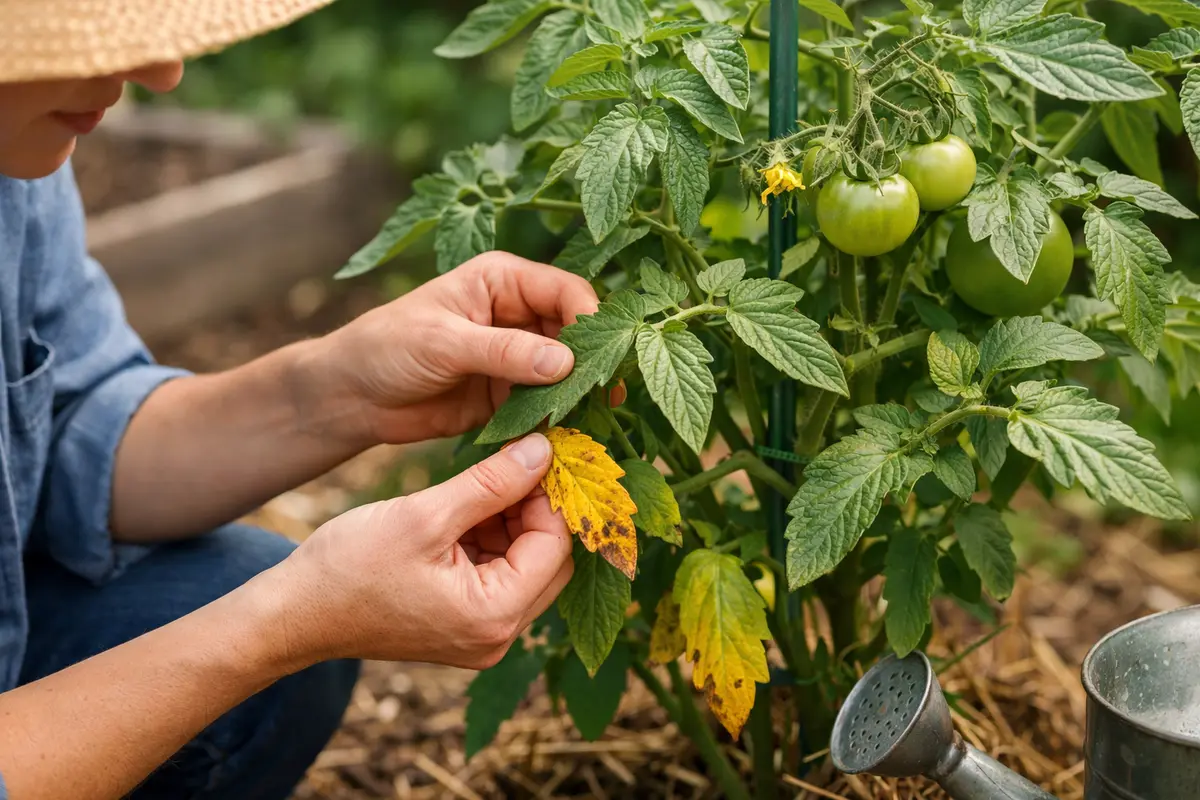
Proactive measures can help prevent yellowing leaves on tomato plants. A robust care routine tailored to the plants’ needs will significantly reduce risks. Make sure to rotate your planting areas each year to prevent soil-borne diseases and nutrient depletion. This practice not only limits disease but also helps maintain soil nutrient levels. When planting, consider intercropping with nitrogen-fixing plants like legumes to naturally enhance soil fertility. If pests are a recurring problem, implementing natural pest deterrents early in the growing season can also reduce risks of infestations impacting plant health.
Soil Nutrients and Amendments
Maintaining a good soil foundation is crucial for preventing nutrient deficiencies. Regularly amend your soil with compost or well-rotted manure to replenish nutrients. Conducting a soil test every year can give a good understanding of nutrient levels and soil pH, which should typically range from 6.0 to 6.8 for tomatoes. If your soil test shows imbalances, adding lime can reduce acidity or sulfur may be needed to lower pH. Implementing a composting routine enriches the soil structure, making it more resilient against nutrient leaching. Be mindful that adding too much nitrogen can lead to excessive leafy growth at the expense of fruit production, resulting in a plant that looks healthy but underperforms.
Sunlight Management
Also, monitor the sunlight exposure. Tomato plants thrive with 6 to 8 hours of direct sunlight each day. If your plants are receiving too much sun or not enough, consider moving container plants or providing shade cloth during the hottest days. Be cautious, as too much shade can itself lead to yellowing if the plants cannot photosynthesize adequately. If you notice yellowing at the same time across your garden, check for excessive shading from nearby structures or taller plants and make necessary adjustments. Properly orienting taller plants to avoid blocking light can enhance sun exposure for your tomato crops.
Exceptions to the Rule: When Yellowing Leaves Mean Something Different
While yellowing leaves usually indicate a problem, there are exceptions where it could signify natural processes. For instance, older leaves naturally yellow and drop off as the plant redirects energy towards new growth. However, if this is accompanied by wilting or stunted growth, further investigation is warranted. In a healthy plant, fresh growth will continue to emerge, and the yellowing will not extend to the newer foliage. Regularly pruning off these older leaves can enhance airflow while promoting better energy allocation, keeping your plant healthier overall. Ignoring these natural processes can lead you to misdiagnose or mismanage what could be a normal part of your plant’s life cycle.
Fungal or Bacterial Diseases
Diseases such as Fusarium wilt or bacterial wilt result in yellowing but will also show other symptoms like drooping or necrosis. These situations often require different interventions and can escalate rapidly without attention. If you suspect a disease, remove affected plants immediately to prevent the spread and consider disinfecting tools used during the cutting process to avoid future incidences. You should monitor the remaining plants for similar signs. If symptoms persist or spread over a short period, consult with local agricultural extension services for potential treatments. Keep in mind that certain diseases may only present specific symptoms in variable environmental conditions, so continuous monitoring is key.
Seasonal Timing
In late summer, as plants begin to mature, some yellowing can be normal. However, if the leaves begin to yellow too early or aggressively, it’s crucial to take preventative action. Maintain good air circulation around your plants to minimize the risk of diseases that can exacerbate yellowing. Ventilation helps avoid moisture accumulation, a common precursor to fungal growth. This proactive strategy includes spacing your plants adequately and occasionally pruning to maintain airflow through the foliage. Additionally, if excessive yellowing occurs as autumn approaches, consider the effects of temperature dips on root activity and overall metabolic function, and adjust care accordingly.
When to Bring in Professional Help for Your Tomato Plants
Many gardeners can manage yellowing leaves with proper care and observation. However, certain situations warrant professional intervention. If yellowing persists across multiple plants despite best practices or if you notice widespread wilting and decay, it might be time to consult an extension office or a local nursery for professional advice. Your local gardening expert can offer localized advice based on their experience with specific pests, diseases, or soil conditions in your area. This can be particularly beneficial when addressing issues that affect larger sections of your garden, where prevention becomes increasingly complex.
Symptoms Indicative of Serious Issues
For those particular cases where an underlying disease might not be obvious, and yellowing moves through the entire plant systemically, a professional assessment may reveal deeper issues like root rot or severe nutrient imbalances that amateur measures can’t fix. Symptoms like blackened roots visible upon inspection may signal an advanced problem. In such cases, timely action is critical to mitigating broader damage across your garden. Ignoring subtle changes can lead to extensive losses, so remaining vigilant at all stages of growth proves invaluable.
Insect Infestations Beyond DIY Control
Should insect infestations run rampant even after treatment attempts, professionals can offer more potent solutions that are safe for the plants and environment. They may have access to integrated pest management techniques that average homeowners do not. If bugs return cyclically, reviewing your entire garden practice with a specialist could save you time and energy in the long run. A thorough environmental audit can identify why control measures might be failing and result in a tailored solution, ensuring that your tomato plants remain healthy and productive.
Frequently Asked Questions
Can yellowing leaves return to green?
If yellowing is due to nutrient deficiency or overwatering, those leaves won’t necessarily return to green; however, newer growth can be healthy if corrective actions are taken promptly. Once deficiencies are addressed, you should see new leaves emerging healthier and greener. It’s important to note that addressing the root cause early on can significantly impact your plant’s recovery.
What home remedies can I use for yellowing leaves?
Some gardeners successfully use diluted Epsom salt (1 tablespoon per gallon of water) as a magnesium boost or apply compost tea as a nutrient supplement to combat yellowing leaves. This approach can be advantageous when immediate access to fertilizers is limited, but remember to monitor plant responses closely. Excessive application may lead to nutrient imbalances, so a balanced approach is advisable.
How can soil affect leaf color?
Soil pH affects nutrient absorption, and poor soil conditions can lead to deficiencies. Ensuring that your soil pH is suitable for tomato plants allows for optimal nutrient uptake, preventing issues like leaf yellowing. This underscores the importance of regular soil testing to create the ideal conditions for your plants. Remember that adjusting pH can take time, so plan ahead for any corrective measures.
How often should I water my tomato plants?
Typically, deep watering once a week is sufficient unless the climate demands more frequent moisture. Always ensure that the top inch of soil is dry before the next watering to encourage healthy root development. Signs of inconsistent watering can create stress on the plants, leading to yellowing leaves. If you find that your plants are in a particularly hot or windy environment, you may need to adjust your schedule accordingly to prevent dehydration.