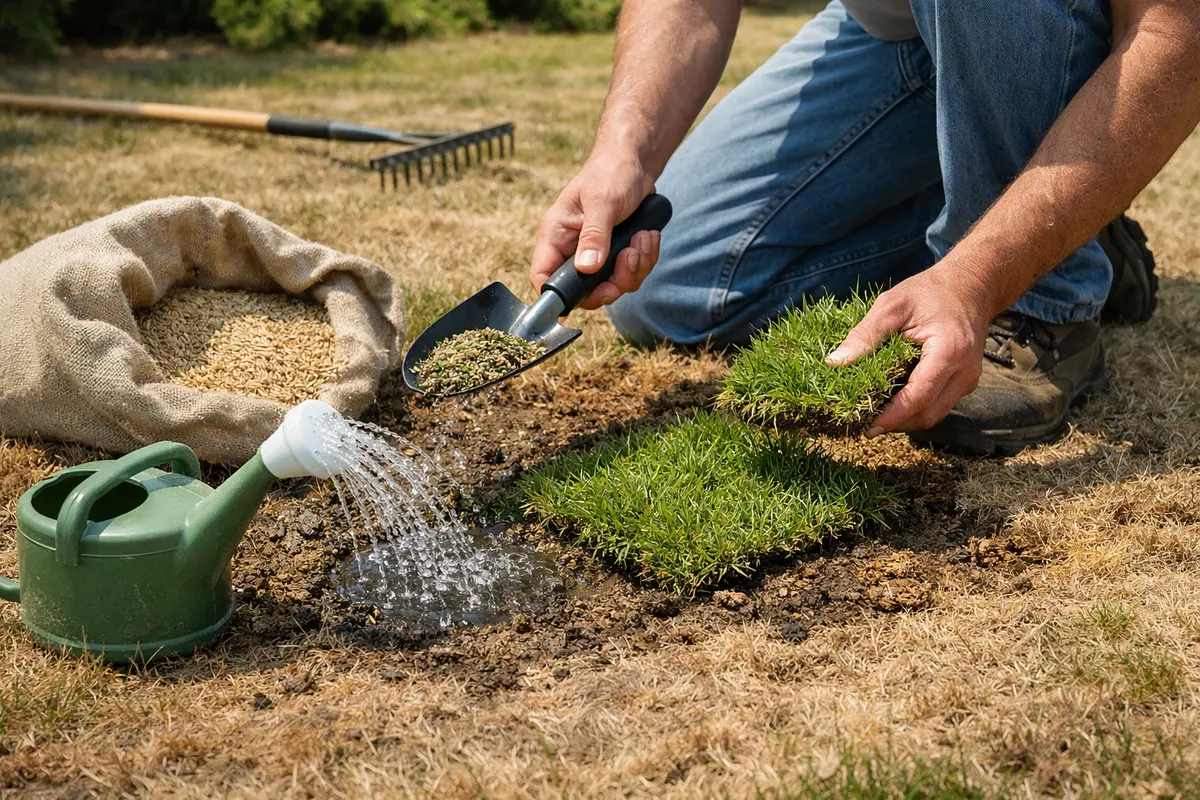
Excessive heat can wreak havoc on your lawn, leaving patches of brown, dry grass that may seem beyond repair. Understanding how to fix lawn damage after extreme heat is essential for restoring your yard and preventing further deterioration. During hot summer months, grass can dry out, lose color, or become more susceptible to pests and diseases. Regular maintenance and immediate action are crucial to reversing damage and revitalizing your lawn. Identifying the early signs of stress, implementing corrective actions, and developing long-term care strategies can make a significant difference in your lawn’s health.
Why Extreme Heat Causes Lawn Damage
The effects of extreme heat on your lawn stem from a variety of factors including insufficient water, soil quality, and grass type. When temperatures soar, grass often enters a state of dormancy to conserve moisture. However, this dormancy can lead to significant lawn damage, particularly if your grass type is not heat-resistant. For instance, Kentucky bluegrass tends to struggle more in high temperatures compared to drought-resistant varieties like Bermuda grass. The contrast between these two types becomes apparent during heat waves, as Bermuda may remain greener while Kentucky bluegrass quickly turns brown and brittle.
One common mistake is neglecting to adjust your watering schedule during these periods. Lawns typically require about 1 to 1.5 inches of water per week, but in extreme heat, that amount might need to be increased, especially if your grass starts to turn a dull grey or blue-green color, indicating stress. It’s crucial to note that over-watering can be just as damaging as under-watering; soggy soil can suffocate roots and promote disease. If you find your lawn drying out quickly, irrigating in the early morning or late evening can help minimize evaporation. Otherwise, watering at peak heat may fail to penetrate the soil, causing the lawn to suffer further. Many homeowners mistakenly rely on nighttime watering, assuming it will be sufficient, when in fact, morning is often ideal for maximizing absorption.
Signs of Heat Stress
Recognizing signs of heat stress is vital. Look for footprints that remain visible in the lawn — a clear indicator of dryness. Another red flag is grass blades that feel crispy to the touch. If these signs are ignored, your lawn may develop further problems such as weedy growth, which can choke out the weakened grass. If you notice areas of the lawn that are particularly thin or patchy, it may be a sign of chronic stress that requires more than just a quick fix.
Always be cautious with over-watering, as it can lead to compromised soil health and root diseases. Regularly aerating your lawn helps alleviate compaction, allowing water and nutrients to penetrate deeper into the soil. If you notice your soil is hard and compacted, that’s a cue to consider aeration as part of your recovery plan. Remember, the earlier you take action when you notice these symptoms, the easier it will be to restore your lawn.
How to Fix Lawn Damage After Extreme Heat
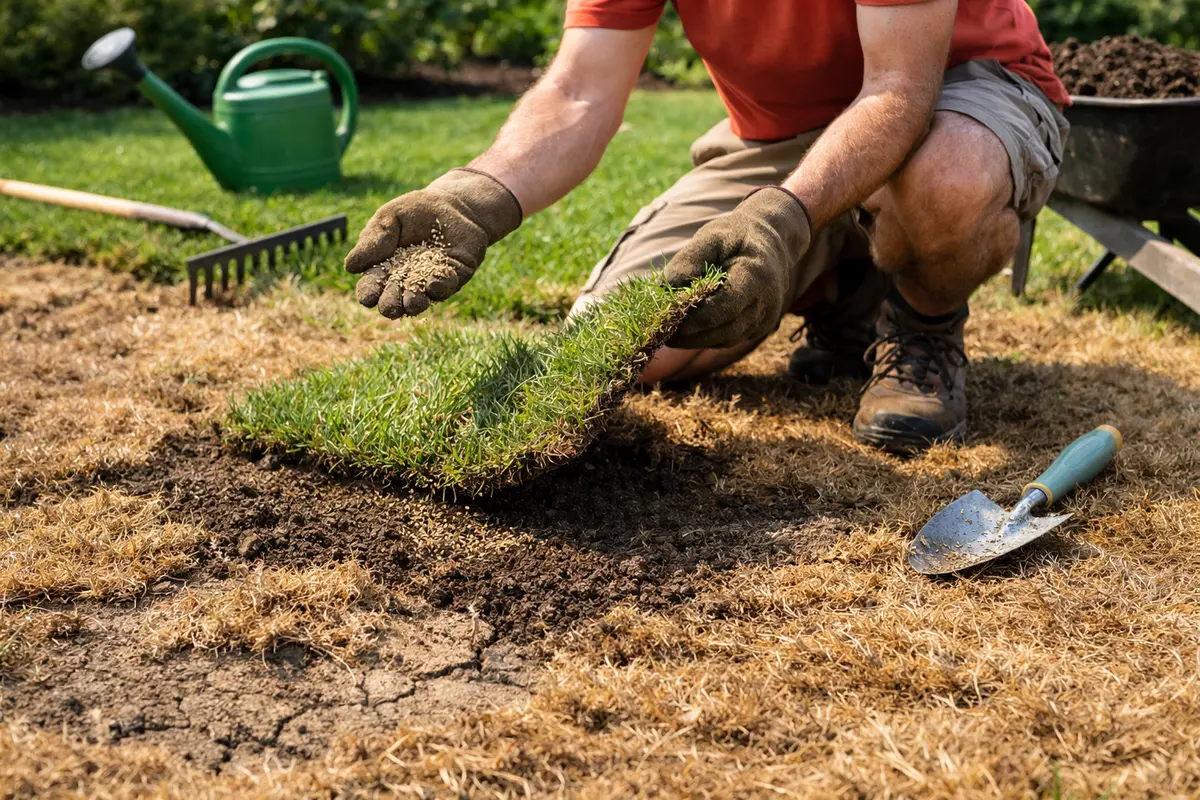
Addressing the aftermath of extreme heat requires a multi-faceted approach. First, assess the damage thoroughly — some areas may merely need a watering boost, while others might require reseeding or sod installation. If your lawn is more than 50% dead, it is wise to reseed rather than risking a patchwork lawn. Choosing heat-tolerant seeds designed to thrive in your climate is crucial; for example, Bermuda or fescue grasses are both popular options. Be sure to consider the type of soil and the sunlight the area receives, which can also influence the success of new grass plantings.
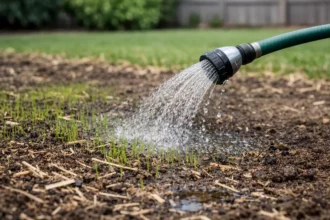
Another critical step in lawn recovery is implementing a thorough watering schedule. A common mistake people make is watering too frequently in small amounts. Instead, aim for less frequent but deeper watering sessions, ensuring water penetrates at least 6 inches into the soil. This encourages deeper root growth, helping your grass withstand future heat stress. If you find that water pools on the surface or takes too long to absorb, consider an aeration strategy to break up compacted areas.
The Role of Fertilization
Injecting nutrients through fertilization can greatly aid recovery. However, be cautious not to fertilize immediately after applying water. This can lead to burning in your already stressed grass. Instead, wait for a cooler day before applying a balanced fertilizer designed for lawns. This ensures the nutrients are absorbed without compounding the heat stress. A balanced fertilizer should have a mix of nitrogen, phosphorus, and potassium; look for a ratio such as 10-10-10 for a general approach.
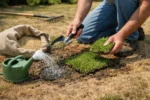
If you try these methods and the lawn does not improve, or if damage persists in localized areas, consider patching with sod from a local nursery. However, ensure that the sod is appropriate for your area and climate. Installing sod in extreme heat without adequate moisture can leave your lawn in a tougher spot, so water it right after placement to prevent it from drying out. If sod installation isn’t feasible, reseeding affected areas with a fast-germinating blend can also provide a quick recovery solution.
Implementing Effective Lawn Maintenance Routines
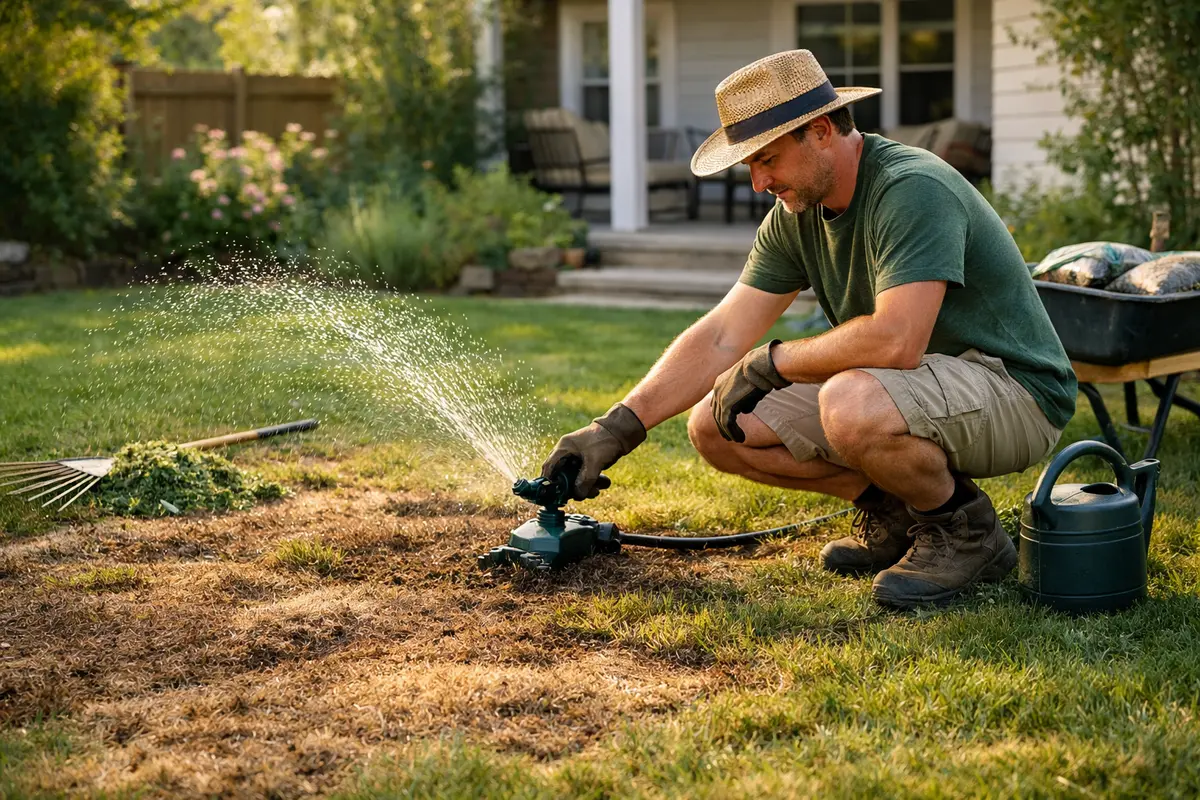
To prevent future damage during extreme heat, cultivating effective lawn maintenance routines is critical. Begin with a sensible watering schedule that adjusts with seasonal changes. Using a smart irrigation system can significantly optimize your water usage by adjusting the schedule based on weather conditions. This technology can prevent over-watering, which often leads to disease spread. Monitoring local weather forecasts can also help you plan ahead, ensuring you don’t water unnecessarily before rain events.
Another crucial practice is regular mowing at the correct height. For example, keeping your Bermuda grass at a height of 1.5 to 2 inches not only looks neat but also allows it to retain moisture better. Grass that is cut too short cannot shade its roots properly, exacerbating heat stress. Many homeowners make the mistake of mowing too low in hopes of a neat appearance; however, this often backfires, stressing the lawn further. A good rule of thumb is to cut no more than one third of the grass height at a time to encourage healthy regrowth.
Seasonal Fertilization Plan
In addition, implementing a seasonal fertilization plan can greatly enhance lawn health. During the late spring and early summer, when growth peaks, using a slow-release fertilizer allows nutrients to be available over an extended period. However, if your lawn suffers damage, applying quick-release nitrogen can provide a quick boost to recovery. Ensure to wait at least one month after applying a slow-release fertilizer before switching types, to avoid harmful overlaps that may stunt grass recovery. Remember, fertilizing during the heat of the day can lead to stress on your lawn, so aim for early morning applications.
Monitoring soil quality is equally important. Conduct soil tests periodically to assess nutrient levels and pH. If your soil is overly compacted or lacks nutrients, consider applying soil amendments to increase fertility and aeration. This not just helps your lawn recover better from heat stress; it also improves its overall vitality. Organic compost can be a beneficial amendment, providing slow-release nutrients and improving soil structure. A gradual approach to building soil health can yield significant benefits over time.
Recognizing Edge Cases in Lawn Recovery
Sometimes, recovery doesn’t go as planned. Edge cases are scenarios where typical solutions might not yield the expected results. For example, if parts of your lawn remain brown despite proper watering and care, it could be an indication of pest infestation, such as grubs. Signs of pest problems include patches of dying grass with insects found in the soil beneath. Immediate action is crucial; using neem oil or insecticidal soap can help tackle these issues before they spread. If you notice an unusual increase in insect activity or discoloration along the edges of affected patches, your lawn’s condition may be deteriorating rapidly.
In cases where you suspect fungal growth associated with standing water due to overwatering, using a fungicide may be necessary. However, patience is key, as this would require time to evaluate results. If issues persist after treatment, a turf specialist may be necessary, especially for complex infestations or diseases that could jeopardize your entire lawn. Also, keep an eye out for patches that persist in dying despite watering and treatment, as they often indicate deeper problems.
Age of Damage Matters
It’s also important to differentiate between fresh damage and chronic issues. Fresh damage looks stark and evident, while chronic issues usually present as gradual thinning or discoloration over time. If your lawn’s troubles seem ongoing, it may call for a complete approach — possibly replacing certain grassy areas altogether with a disease-resistant variety. This method offers robust adaptability during extreme weather and can prevent future crises. Awareness of these differences can guide your recovery approach effectively.
Additionally, if your lawn continues to get worse even after implementing these corrective measures, it might indicate deeper problems such as poor soil drainage. Consulting with a lawn care professional can provide insight on whether aeration or other corrections might aid the recovery process. Remember, if the grass is dormant due to consistent heat stress, rehydration and nutrients may take time before returning vibrancy.
When to Seek Professional Help for Lawn Damage
There are instances when lawn recovery efforts may exceed DIY capabilities. Conditions warranting professional help include widespread pest infestations, persistent mold or fungus not resolving with treatment, and chronic lawn stress despite best efforts. If your lawn continues to show signs of decline after you’ve taken substantial actions, it’s time to call in the experts. Recognizing when to escalate your efforts can save you time and resources while ensuring your lawn’s outlook remains positive.
A further indication to seek professional help is noticeable drainage issues. Puddles forming in your lawn after watering, rainfall, or even natural processes suggest improper soil grading or structure — issues that standard care cannot rectify. Certified professionals usually possess tools and insights necessary to troubleshoot these complex complications effectively. If your lawn’s performance has been hindered by drainage for a prolonged period, it’s likely a situation that requires specialized intervention.
Identifying Structural Concerns
Furthermore, consider reaching out for professional assistance if the lawn exhibits structural issues such as erosion, visible unevenness, or sinking areas. These signs may indicate significant underlying problems that threaten the integrity of your yard. Addressing such issues promptly can prevent costlier repairs in the future. Make a note of any areas where grass is washing away or where soil appears to have shifted significantly, as this can indicate larger landscape issues that need addressing.
Don’t be afraid to ask for a written assessment of the lawn’s condition and a clear path of action detailing necessary treatments and estimated costs. This can help you make informed decisions and weigh options for treatments that suit your budget while ensuring optimal lawn health. Having a clear treatment plan from professionals can also provide reassurance as you navigate your lawn’s recovery journey.
FAQ
What are the first steps to take for lawn revival after extreme heat?
The first steps involve assessing the extent of the damage and adjusting your watering schedule. Begin by ensuring your lawn receives adequate moisture, ideally in the early morning or late evening. Depending on the severity, you might need to reseed or use sod in areas severely damaged. Consider adding nutrients based on soil testing to support the grass’s recovery.
Can adding fertilizer help my lawn recover quickly?
Yes, applying a balanced fertilizer can expedite recovery. Slow-release fertilizers help provide gradual nutrients, while quick-release options can offer immediate support. However, avoid fertilizing stressed grass during heat peaks, as this could lead to further damage. Monitor the grass’s response to fertilization to adapt the nutrient strategy as needed.
When should I consider professional lawn services?
Seek professional help if you notice persistent or worsening issues after corrective actions, such as widespread pest infestations, persistent fungal growth, or significant drainage issues. A professional can provide detailed evaluations and targeted intervention strategies, ensuring comprehensive care for your lawn’s unique challenges.